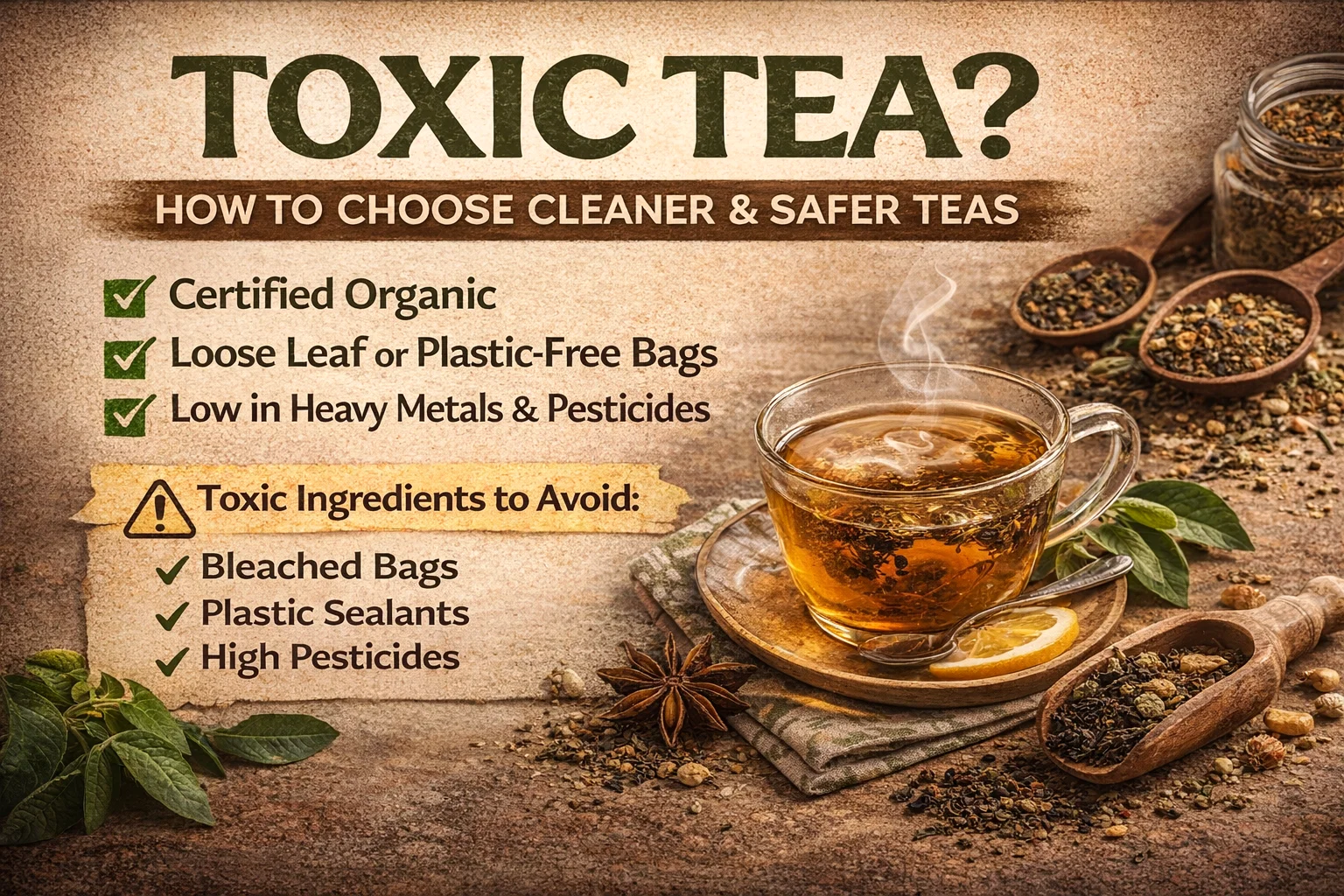
Toxic Tea Warning Best Organic Brands How to Avoid Heavy Metals and Microplastics
Steeping a warm cup of tea is one of the most universal rituals for relaxation and health. Whether it is a brisk morning Earl Grey or a calming evening chamomile, we often associate tea with purity and detoxification. However, a growing body of research suggests that your favorite daily brew might be hiding some unwelcome guests. From synthetic pesticides to microscopic plastic particles shedding from modern tea bags, the purity of our tea is increasingly under threat. Understanding how to navigate the world of “clean” tea is not just about being a connoisseur; it is about protecting your long-term wellness and ensuring that your healthy habits are actually doing the good you intend.
The Hidden Reality of Conventional Tea Production
Most consumers assume that because tea comes from a plant, it is naturally healthy. While the tea leaf itself is packed with antioxidants and polyphenols, the way it is grown and processed matters immensely. Conventional tea plants are rarely washed before they are dried and packaged. This means that if a farm uses heavy chemical pesticides or herbicides, those residues remain on the leaves and end up directly in your hot water. Because the leaves are steeped, the extraction process is highly efficient at pulling those chemicals into the liquid you consume.
Beyond the field, the manufacturing process introduces other risks. Heavy metals like lead, fluoride, and aluminum can be absorbed by the tea plant from contaminated soil or irrigation water. While trace amounts are natural, high levels can become toxic over time. Additionally, the shift toward “convenience” in packaging has led to the rise of tea bags that are not just paper, but a blend of paper and plastic sealants or even full nylon pyramids. When exposed to boiling water, these materials can release billions of microplastics into a single cup.
What to Look for When Choosing a Cleaner Brew
Navigating the tea aisle can be overwhelming, but there are specific markers of quality that can help you filter out the toxic options. By focusing on transparency and certification, you can drastically reduce your toxic load while supporting more sustainable agricultural practices.
Prioritize Certified Organic Labels
The most effective way to avoid synthetic pesticide residue is to look for the USDA Organic seal or equivalent international certifications. Organic standards prohibit the use of most synthetic fertilizers and pesticides. Choosing organic is not just better for your body; it protects the soil and the workers who hand-pick the leaves from chemical exposure.
The Move Toward Loose Leaf Tea
If you want the highest level of transparency and purity, loose-leaf tea is the gold standard. Loose-leaf allows you to see the actual structure of the leaf, ensuring you are getting whole pieces rather than the “dust and fannings” often found in low-quality tea bags. Furthermore, using a stainless steel or glass infuser completely eliminates the risk of plastic sealants or bleached paper bags contaminating your drink.
Third-Party Testing for Heavy Metals
Reputable tea companies go beyond basic organic certification. Look for brands that explicitly state they conduct third-party laboratory testing for heavy metals and environmental toxins. This is especially important for teas sourced from regions with high industrial pollution. Transparency in sourcing is a hallmark of a brand that values consumer safety over profit margins.
Identifying and Avoiding Common Toxins
To make better choices, we must identify the specific materials and practices that compromise tea quality. Awareness is the first step toward a cleaner pantry.
- Plastic Sealants: Many traditional paper tea bags use a thin layer of polypropylene plastic to heat-seal the edges. Even “silky” tea bags are often made of PET or nylon, which can leach chemicals when heated.
- Bleached Paper: White tea bags are often treated with chlorine to achieve that bright color. This process can leave behind dioxins, which are persistent environmental pollutants.
- Microplastics: Recent studies have shown that a single plastic tea bag can release approximately 11.6 billion microplastics and 3.1 billion nanoplastics into the water at brewing temperature.
- Artificial Flavorings: Many commercial teas use “natural flavors” or “artificial flavors” to mask poor leaf quality. These additives can cause sensitivities in some individuals and move the product further away from its natural state.
Cleaner Tea Brands to Explore
Fortunately, there are several pioneers in the industry dedicated to providing clean, high-quality botanical products. These brands prioritize the health of the consumer and the planet by focusing on loose-leaf varieties and plastic-free packaging.
Mountain Rose Herbs
Known for their rigorous standards, Mountain Rose Herbs offers an extensive selection of organic and wild-harvested teas. They are a leader in sustainable sourcing and provide detailed information about the origin of their herbs. Their commitment to plastic-free shipping and zero-waste practices makes them a favorite for those seeking total purity.
Starwest Botanicals
A staple for herbalists, Starwest Botanicals focuses on high-quality loose-leaf options. They maintain their own processing facilities and perform in-house laboratory testing to ensure every batch meets strict quality specifications for purity and potency.
Traditional Medicinals
If you prefer the convenience of tea bags, Traditional Medicinals is a trustworthy choice. They use unbleached, compostable paper bags and are committed to sourcing pharmacopoeial grade herbs. Their focus is on therapeutic benefits, ensuring that the tea is as functional as it is clean.
Numi Organic Tea
Numi is a standout brand for its dedication to transparency. They use premium organic tea leaves and real fruits, flowers, and spices rather than flavorings. Their tea bags are made from manila hemp cellulose and are non-GMO verified and compostable, with no plastic sealants.
The Science of Brewing for Better Health
Selecting clean ingredients is only half the battle; how you prepare your tea also impacts its chemical profile. Following proper brewing etiquette can help you maximize the benefits while minimizing any residual risks.
Use Filtered Water
Your tea is only as good as the water you use to brew it. Tap water often contains chlorine, fluoride, and trace minerals that can alter the flavor and add to the toxic load. Using a high-quality water filter ensures that you are starting with a neutral, clean base that allows the tea’s natural flavor profile to shine.
Monitor Steeping Times
Over-steeping, especially with green and black teas, can lead to a bitter flavor and an excessive release of tannins. More importantly, longer steep times in very hot water can increase the extraction of heavy metals if they are present in the leaves. Stick to the recommended 3 to 4 minutes for most varieties to get the best balance of flavor and safety.
Temperature Control
Boiling water can scorch delicate leaves like green tea or white tea, destroying beneficial antioxidants. Using slightly cooler water (around 175 degrees Fahrenheit) for green tea and boiling water only for hardy black teas and herbal infusions ensures you are preserving the medicinal properties of the plant.
Essential Tools for the Modern Tea Drinker
Transitioning to a cleaner tea routine often requires a few simple upgrades to your kitchen. Moving away from disposable, plastic-laden products toward durable materials is a win for both your health and the environment.
Invest in a high-quality stainless steel or glass infuser. These materials are inert, meaning they will not react with the hot water or leach any metallic tastes into your tea. A glass teapot with a built-in strainer is an excellent way to enjoy the visual beauty of blooming teas or loose-leaf blends without any chemical concerns. For those on the go, stainless steel travel mugs with integrated filters allow you to enjoy clean, loose-leaf tea anywhere without relying on pre-bagged options.
The Environmental Impact of Your Choice
When we choose cleaner tea, we are also making a choice for a cleaner planet. Conventional tea production often involves monocropping and heavy chemical usage that strips the soil of nutrients and pollutes local waterways. By supporting organic brands, you are encouraging biodiversity and regenerative farming practices.
Furthermore, the waste generated by billions of tea bags every year is significant. Many of these bags are not biodegradable due to the plastic fibers woven into the paper. By switching to loose-leaf tea, you eliminate this waste entirely. Spent tea leaves are highly nitrogen-rich and make a fantastic addition to your compost pile, completing a circular cycle that gives back to the earth.
Conclusion: Cultivating a Mindful Tea Ritual
Switching to a cleaner tea habit is one of the simplest yet most impactful changes you can make for your daily wellness. It turns a routine beverage into a mindful act of self-care. By prioritizing organic certifications, choosing loose-leaf over bagged options, and being mindful of the materials in your brewing tools, you can enjoy the profound health benefits of tea without the hidden downsides of modern industrial processing.
The journey to a toxin-free lifestyle does not have to happen overnight. Start by replacing your most frequently consumed tea with an organic, loose-leaf version. Pay attention to the labels, ask questions about sourcing, and enjoy the richer, more complex flavors that come from truly high-quality leaves. Your body and the environment will thank you for every mindful sip.