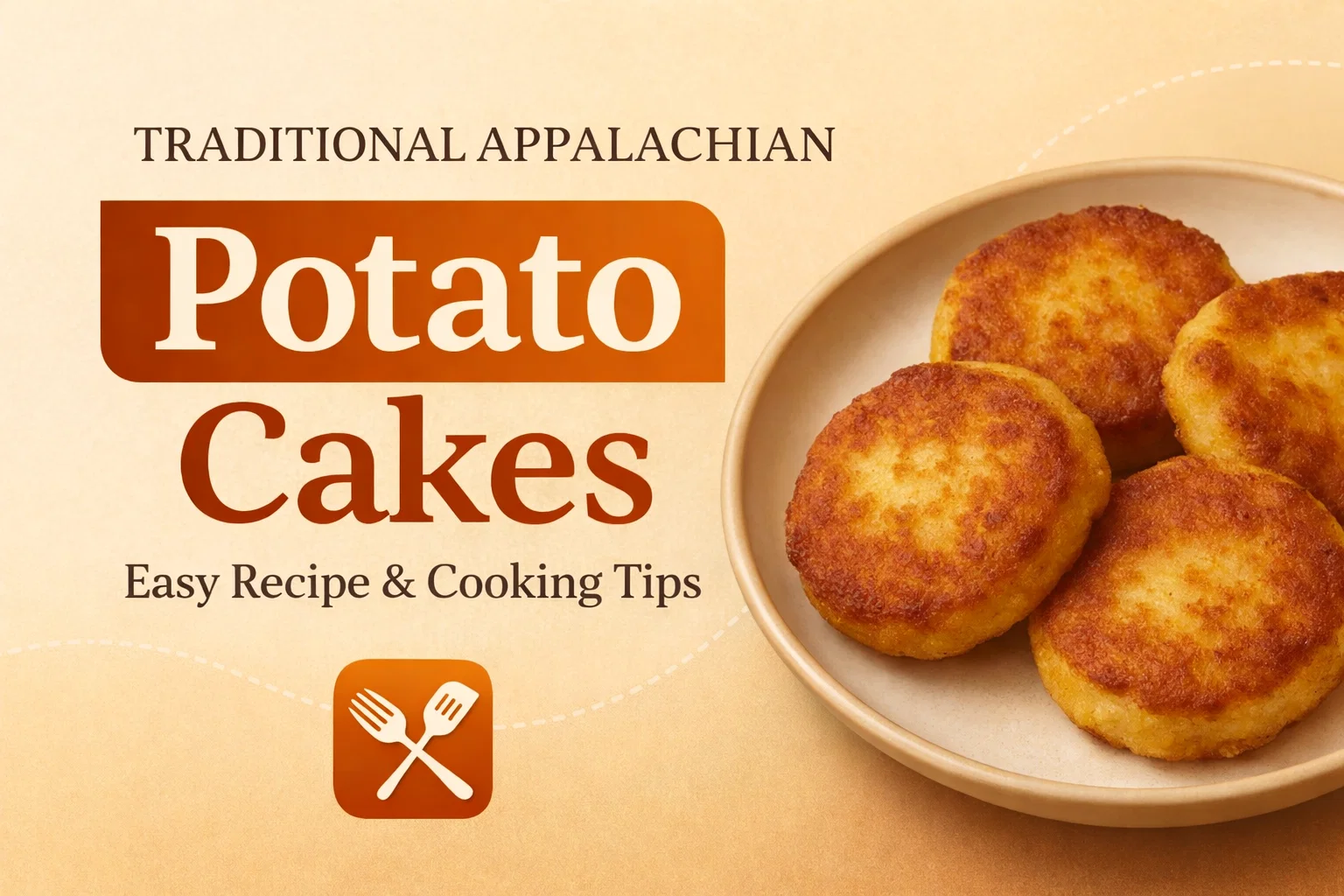
Traditional Appalachian Potato Cakes Recipe Easy Crispy Mashed Potato Pancakes
There is something undeniably magical about the smell of potato cakes sizzling in a cast iron skillet. It is a scent that carries the weight of history, echoing through the hollows of the Appalachian Mountains and landing right in the heart of a modern kitchen. If you have ever found yourself staring at a bowl of leftover mashed potatoes from last night’s dinner, you are holding the primary ingredient for one of the most beloved comfort foods in American culinary history. These traditional Appalachian potato cakes are more than just a side dish; they are a testament to resourceful cooking and the beauty of simple, honest ingredients.
The Appalachian region is famous for its ability to turn humble staples into gourmet experiences, and the potato cake is a shining example of this philosophy. By combining cold mashed potatoes with a few pantry basics like eggs and flour, you create a patty that is remarkably crispy on the outside while remaining creamy and tender on the inside. In this guide, we are going to dive deep into the art of making the perfect potato cake, exploring the cultural roots of this dish and providing you with the tips you need to achieve that signature golden brown crunch every single time.
The Heritage of Appalachian Comfort Food
To truly appreciate a potato cake, you have to understand the landscape it comes from. Appalachian cuisine is rooted in the necessity of preservation and the avoidance of waste. For generations, mountain families relied on what they could grow, cellar, and cure. Potatoes were a vital crop because they were hardy and could be stored throughout the long, cold winters. Because nothing was ever thrown away, the leftovers from a big Sunday supper were always reimagined into a new meal for the following day.
Potato cakes, often referred to as potato patties or tater cakes in various parts of the region, became a breakfast staple or a quick lunch. While many modern recipes try to overcomplicate things with fancy cheeses or exotic spices, the traditional version relies on the high quality of the fats used for frying. Using lard or bacon grease was not just a matter of flavor; it was a practical use of every part of the hog. Today, when we fry these cakes in a heavy skillet, we are participating in a culinary tradition that has sustained families for centuries.
Essential Ingredients for Success
The beauty of this recipe lies in its simplicity. You likely already have everything you need in your pantry. However, the quality and state of your ingredients will determine the final texture of your cakes. Here is a breakdown of what you need and why each component matters.
- Cold Leftover Mashed Potatoes: This is the most important rule. You cannot use warm or freshly made mashed potatoes. The starch in cold potatoes has had time to set, which allows the cakes to hold their shape without falling apart in the oil.
- Large Egg: The egg acts as the primary binding agent. It provides structure and helps the flour and potato mesh together into a cohesive dough.
- All-Purpose Flour: Flour provides the stability needed to flip the cakes. While you want to use as little as possible to keep the texture light, a little bit is necessary to prevent the cakes from being too mushy.
- Salt and Black Pepper: Potatoes are notorious for absorbing salt, so do not be afraid to season generously. Freshly cracked black pepper adds a lovely bite that cuts through the richness of the frying fat.
- Finely Chopped Onion: While optional, adding a small amount of onion provides a sweet, savory depth that elevates the dish. The key is to chop them very finely so they soften quickly during the short frying time.
- Lard or Bacon Grease: For an authentic Appalachian flavor, these animal fats are unbeatable. They have a high smoke point and impart a savory richness that vegetable oils simply cannot match.
Mastering the Texture: Step by Step
Creating the perfect potato cake is a tactile process. You want to start by placing your cold mashed potatoes in a large mixing bowl. Using a fork or a potato masher, break up any large clumps. Add your beaten egg, salt, pepper, and onions. Once those are incorporated, begin adding your flour a little at a time. The goal is to create a mixture that is firm enough to handle but still soft enough to be creamy.
Mixing and Shaping
If your mashed potatoes were particularly buttery or milky when you first made them, you might find that you need an extra tablespoon or two of flour. Use your hands to feel the consistency. If the mixture sticks excessively to your palms, add a dusting more flour. Once you have reached the right balance, scoop out a portion about the size of a golf ball. Gently pat it down into a disc about half an inch thick. Making them too thick will result in a cold center, while making them too thin might cause them to break apart.
The Importance of the Cast Iron Skillet
If you want to achieve that iconic Appalachian crust, you really need to use a cast iron skillet. Cast iron retains heat better than stainless steel or nonstick pans, ensuring that the temperature of the fat doesn’t drop significantly when you add the cold potato patties. This consistent heat is what creates the “shatter-crisp” exterior that contrasts so perfectly with the soft interior.
The Science of Frying
Heat management is the secret to a golden brown finish. You want to heat your lard or bacon grease over medium heat. If the fat is too hot, the outside will burn before the egg inside has a chance to cook through. If it is too cool, the potato cake will simply soak up the grease and become soggy. To test the temperature, drop a tiny pinch of flour or a small piece of the potato mixture into the pan. If it sizzles immediately, you are ready to go.
Place your cakes in the skillet, being careful not to overcrowd the pan. If you put too many in at once, the temperature of the oil will drop and you will lose that crisping effect. Fry them for about three to four minutes on the first side. Resist the urge to poke or prod them. They need time to develop a crust that will naturally release from the pan. Once the edges look brown and firm, gently flip them with a thin spatula. The second side usually takes a bit less time, about two to three minutes.
Traditional and Modern Serving Suggestions
In a traditional Appalachian home, these cakes might be served alongside a plate of soup beans and cornbread. They are also incredible when paired with a side of thick-cut bacon and over-easy eggs for a hearty mountain breakfast. However, the versatility of the potato cake means you can get creative with how you serve them in a modern setting.
Savory Toppings
A dollop of sour cream and a sprinkle of fresh chives is a classic choice that mimics the flavors of a loaded baked potato. If you want something with a bit more kick, try serving them with a spicy remoulade or a spoonful of apple butter. The sweetness of apple butter against the salty, savory potato is a combination that is deeply rooted in Southern foodways.
Creative Pairings
You can use these potato cakes as a base for a sophisticated appetizer. Top them with a small piece of smoked trout or a slice of lox for a rustic take on a blini. They also make an excellent gluten-free substitute for a burger bun if you make them slightly larger and firmer. The possibilities are truly endless when you have such a solid foundation.
Common Mistakes to Avoid
Even though this recipe is simple, there are a few pitfalls that can ruin a batch of potato cakes. Understanding these will help you troubleshoot on the fly. The most common mistake is using potatoes that are too wet. If your original mashed potatoes were very “soupy” with too much milk or cream, you will need to increase the flour content significantly, which can sometimes make the cakes taste more like bread than potatoes. If this happens, try adding some dried breadcrumbs to the mix to help absorb moisture without toughening the dough.
Another error is flipping the cakes too early. Patience is a virtue when it comes to frying. If you try to flip the cake before the crust has fully formed, it will likely stick to the pan and break into pieces. Always wait until you can see a visible ring of golden brown around the bottom edge before you make your move. Finally, make sure to drain the cooked cakes on a paper towel or a wire rack. Leaving them to sit in their own grease will cause the bottom to become soft and oily.
Why This Recipe Endures
In a world of fast food and highly processed ingredients, the Appalachian potato cake stands as a reminder of a different way of living. It is a recipe that requires us to slow down, to use our hands, and to appreciate the value of what we already have. It connects us to the land and to the generations of cooks who stood over wood-fired stoves making sure their families were fed and comforted.
There is a profound satisfaction in taking a simple leftover and turning it into a dish that people will fight over at the dinner table. Whether you are cooking these for a family breakfast or as a quick weeknight side, you are bringing a piece of mountain history into your home. The crunch of the crust and the steam rising from the center are more than just sensory experiences; they are a warm embrace from the past.
Final Thoughts on the Perfect Potato Cake
Mastering the traditional Appalachian potato cake is a rite of passage for any home cook interested in regional American cuisine. It teaches you about heat control, texture, and the importance of seasoning. Once you have the basic recipe down, do not be afraid to make it your own. You might find that you love adding a bit of shredded cheddar cheese, some chopped jalapeños, or even a dash of smoked paprika to the mix.
The core of the recipe remains the same: respect the potato, use good fat, and take your time. These cakes are best enjoyed piping hot, straight from the skillet, with a little extra salt and perhaps a view of the outdoors. They represent the best of what home cooking can be: resourceful, delicious, and deeply rooted in tradition. So, the next time you find yourself with a container of leftovers in the fridge, do not just reheat them. Turn them into golden, crispy Appalachian gold.