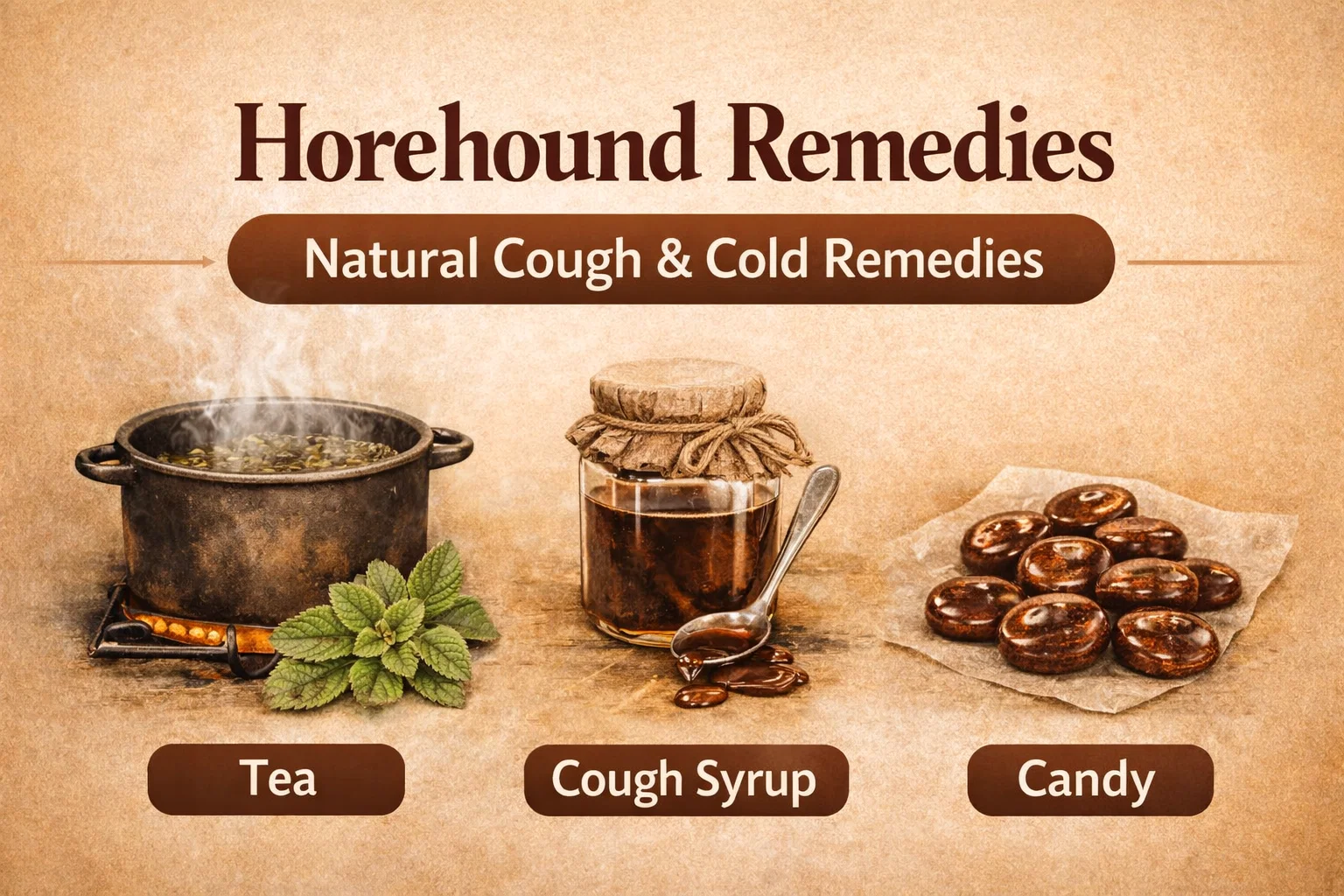
Traditional Horehound Remedies DIY Herbal Tea, Cough Syrup Candy for Sore Throats
Stepping into the world of traditional herbalism often feels like uncovering a buried treasure chest of wellness. Among the many botanical wonders passed down through generations, particularly within the rich heritage of Appalachian folk medicine, few plants hold as much storied importance as horehound. This rugged, bitter herb has been a staple in home apothecaries for centuries, offering a dependable hand when the seasons change and the air grows crisp. If you have ever reached for a dusty bag of old fashioned horehound candies at a country store, you have already had a small taste of this history. But there is so much more to this plant than just a nostalgic sweet. Creating your own remedies from scratch allows you to tap into that same timeless wisdom while ensuring your ingredients are as pure and potent as possible.
Understanding the Power of Horehound
Horehound, scientifically known as Marrubium vulgare, is a hardy member of the mint family. Unlike its cousins peppermint or spearmint, which are prized for their cooling sweetness, horehound is famous for its intense bitterness. In the world of herbalism, bitter is often a signal of efficacy. This plant has been utilized since ancient Egyptian times and was a favorite among Roman physicians for its ability to support the respiratory system.
The magic of horehound lies in a compound called marrubiin. This specific constituent is what gives the plant its expectorant properties. When you consume a horehound remedy, it helps to thin out mucus and makes it easier for the body to clear the lungs and throat. This makes it an indispensable ally during the winter months or whenever a stubborn chest cold decided to settle in. Beyond its respiratory benefits, the bitterness also acts as a digestive stimulant, encouraging the body to produce the enzymes necessary for a happy gut. It is a multitasking herb that deserves a permanent spot in your natural medicine cabinet.
The Essential Foundation: Making Horehound Tea
Every great herbal remedy starts with a solid base, and for horehound, that base is a strong, concentrated tea. This is not the kind of tea you sip casually while reading a book; it is a potent extraction designed to pull the medicinal compounds out of the leaves and into the water. Because horehound is so bitter, the tea serves as the starting point for more palatable creations like syrups and candies.
Ingredients for the Base
- 1 handful of fresh horehound leaves: If you are lucky enough to have this growing in your garden, fresh is always wonderful.
- 1 tablespoon of dried horehound: For those of us sourcing from an apothecary or dried herb supplier, a tablespoon is the perfect measurement.
- 2 cups of filtered water: Quality water ensures no impurities interfere with the extraction.
The Brewing Process
To begin, bring your two cups of water to a gentle boil in a small pot. Once boiling, add your horehound leaves. Reduce the heat to a low simmer. You want the leaves to release their oils and marrubiin without boiling away the delicate properties of the plant. Let it simmer for about 15 to 20 minutes. You will notice the water turning a deep, earthy amber color. Once the time is up, strain the liquid through a fine mesh sieve or cheesecloth into a glass jar. You now have the “mother” liquid for all your other horehound creations. If you choose to drink it as is, be prepared for the flavor! It is traditional to add a bit of lemon to help cut the intensity.
Crafting a Soothing Horehound Cough Syrup
While the tea is the engine, the cough syrup is the vehicle that makes the medicine go down smoothly. By combining the strong tea with a natural sweetener like honey or molasses, you create a coating agent that provides immediate relief to a raw, scratchy throat while the herb works on the underlying congestion.
Why the Sweetener Matters
Choosing your sweetener is more than just a matter of taste. Honey, especially raw or Manuka honey, brings its own antibacterial and anti-inflammatory properties to the mix. It acts as a natural demulcent, which means it forms a protective film over the mucous membranes. If you prefer a deeper, more mineral rich flavor, molasses is a fantastic alternative often used in old Appalachian recipes. It provides a rustic, dark sweetness that pairs perfectly with the earthy notes of the horehound.
Syrup Instructions
Take one cup of your freshly brewed, strong horehound tea and pour it back into a clean saucepan. Add one cup of your chosen sweetener. Over very low heat, stir the mixture constantly. You do not want to boil it vigorously, especially if you are using raw honey, as high heat can destroy the beneficial enzymes in the honey. Gently simmer until the liquid reduces slightly and takes on a thicker, syrupy consistency. Once it coats the back of a spoon, remove it from the heat. Allow it to cool completely before transferring it to a sterilized glass jar. A spoonful of this syrup taken every few hours can work wonders for a persistent cough.
Old Fashioned Horehound Candy: The Portable Remedy
There is something incredibly charming about making your own herbal lozenges. In the days before pharmacies were on every corner, families relied on these hard candies to keep their breath clear and their throats comfortable during long workdays. These candies are essentially a highly concentrated, shelf stable version of the syrup.
The Science of Hard Candy
Making candy at home is a fun kitchen science experiment. You will need one cup of your strong tea and two cups of sugar (or your preferred natural sweetener like sorghum). The higher ratio of sugar is what allows the mixture to reach the “hard crack” stage. If you use honey or molasses, the candy may be a bit softer and more like a chew, which is also delicious.
Step by Step Candy Making
Mix the tea and sugar in a heavy bottomed pot. Bring the mixture to a boil while stirring to ensure the sugar dissolves completely. If you have a candy thermometer, you are aiming for approximately 300 degrees Fahrenheit. If you do not have a thermometer, you can use the cold water test: drop a small bit of the syrup into a bowl of cold water. If it immediately forms hard, brittle threads that snap when bent, it is ready. Pour the molten syrup onto a greased baking sheet or into small silicone molds. As it begins to cool and firm up, you can use a knife to score lines into it, making it easier to break into bite sized pieces later. Dust the finished pieces with a little powdered sugar or cornstarch to prevent them from sticking together in the jar.
Tips for Sourcing and Harvesting Horehound
If you are interested in foraging or growing your own horehound, it is a very rewarding plant to work with. It is a perennial, meaning it will come back year after year. It loves sunny spots and well drained soil, making it quite easy to maintain. When harvesting, look for the crinkled, grayish green leaves. It is best to harvest them just before the plant flowers, as this is when the concentration of essential oils is at its peak. If you are buying dried horehound, look for a supplier that provides organic, non irradiated herbs to ensure you are getting the full medicinal benefit.
Integrating Horehound into Your Wellness Routine
Using natural remedies is about listening to your body and providing support at the first sign of imbalance. Horehound is best used when you first feel that “tickle” in the back of your throat or when your chest begins to feel heavy. Because it is a bitter herb, it is quite potent, so a little goes a long way. It is always a good idea to consult with a healthcare professional before starting any new herbal regimen, especially if you are pregnant, nursing, or taking other medications. However, for most people, these traditional Appalachian remedies offer a safe, time honored way to manage common seasonal discomforts.
The Heritage of Appalachian Wit and Wisdom
There is a reason these recipes have survived for hundreds of years. They represent a connection to the land and a spirit of self sufficiency. By making your own horehound tea, syrup, and candy, you are participating in a long lineage of home healers who knew how to turn the plants growing in their backyards into powerful medicine. This “wit and wisdom” is about more than just recipes; it is about a philosophy of living in harmony with nature and taking an active role in your family’s health.
Conclusion: Your Journey into Herbal Healing
The beauty of horehound remedies lies in their simplicity. With just a few basic ingredients and a bit of time in the kitchen, you can transform a bitter leaf into a soothing, effective remedy. Whether you prefer the warmth of a hot tea, the coating comfort of a syrup, or the convenience of a homemade candy, horehound offers a versatile solution for respiratory support. Next time the winter chill sets in, skip the store bought options and try your hand at these traditional recipes. You might just find that the old ways are still the best ways. Happy brewing!