TYOES OF CANCER
Understanding the complexities of the human body is a journey that often begins with the smallest building blocks: our cells. When we talk about health and wellness, few topics are as significant or as misunderstood as cancer. While the word itself is heavy, breaking down the medical jargon into clear, digestible information empowers us to take charge of our health. This guide is designed to simplify the various types of cancer, exploring how they differ based on the cells they affect and the parts of the body they inhabit. By the end of this post, you will have a comprehensive understanding of oncology basics, from common carcinomas to rare sarcomas.
What Exactly Is Cancer? A Biological Overview
At its core, cancer is a disease of the cells. Our bodies are composed of trillions of cells that normally grow and divide in a controlled manner to keep us functioning. However, when genetic mutations occur, this orderly process breaks down. Instead of dying off when they are damaged or old, these abnormal cells continue to multiply, often forming masses known as tumors. Understanding the origin of these cells is the key to identifying the specific type of cancer a person may be facing.
Oncologists classify cancers based on the primary site of origin and the type of tissue involved. This classification is vital because it determines the behavior of the disease, the potential for it to spread (metastasize), and the most effective treatment protocols. Whether we are looking at the skin, the blood, or the connective tissues, each category tells a unique story of biological malfunction.
Shutterstock
1. Carcinoma: The Most Common Classification
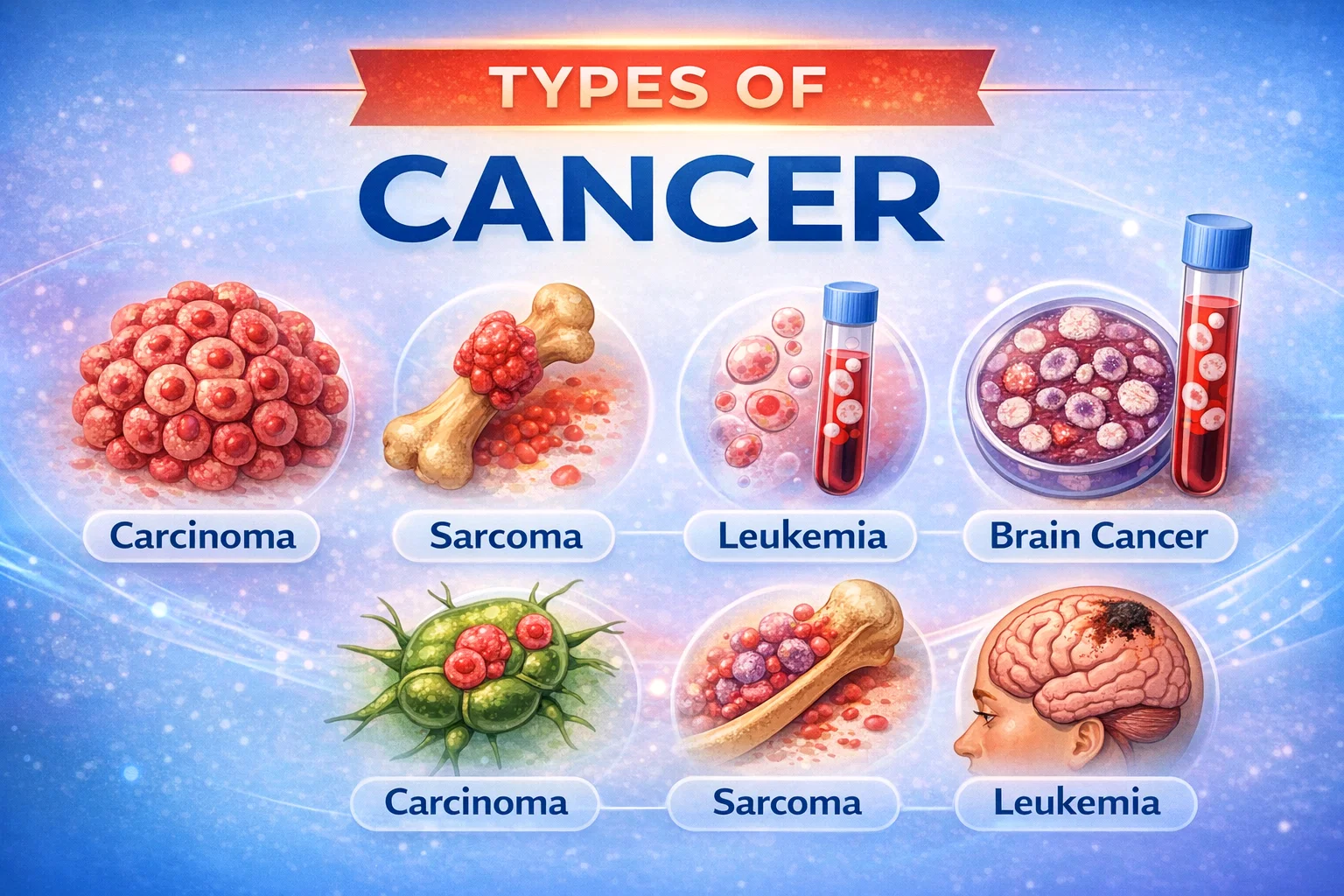
If you have ever heard of lung, breast, or colon cancer, you are likely familiar with carcinomas. These are the most frequently diagnosed types of cancer, accounting for the vast majority of cases worldwide. Carcinomas begin in the epithelial cells, which are the cells that make up the skin or the tissues that line and cover internal organs like the liver and kidneys.
Understanding Epithelial Tissue
Epithelial tissues are found throughout the body, acting as a protective barrier or a functional lining for various systems. Because these cells are constantly regenerating and are often exposed to environmental factors like UV rays or chemicals, they are more susceptible to the mutations that lead to cancer.
Common Examples of Carcinoma
- Adenocarcinoma: This type starts in glandular cells that produce fluids or mucus, commonly found in the breast, colon, and prostate.
- Basal Cell Carcinoma: The most common form of skin cancer, appearing in the deepest layer of the epidermis.
- Squamous Cell Carcinoma: This occurs in the flat cells that line the surface of the skin and the digestive tract.
2. Sarcomas: Cancers of the Connective Tissue
While carcinomas affect the linings of the body, sarcomas take root in the connective and supportive tissues. This includes the bones, muscles, cartilage, fat, and blood vessels. Sarcomas are significantly rarer than carcinomas, but they can be quite aggressive because they often develop in areas deep within the body.
Bone vs. Soft Tissue Sarcomas
Sarcomas are generally split into two main categories. Osteosarcoma is the most common type of bone cancer, often appearing in the long bones of the arms and legs. On the other hand, soft tissue sarcomas can develop in muscle (leiomyosarcoma), fat (liposarcoma), or even the lining of blood vessels (angiosarcoma). Because these tissues are found everywhere, sarcomas can technically appear in any part of the body.
3. Leukemia: The Cancer of the Blood
Leukemia is unique because it does not typically form solid tumors. Instead, it is a cancer of the blood-forming tissues, including the bone marrow and the lymphatic system. In a healthy body, the bone marrow produces white blood cells to fight infection, red blood cells to carry oxygen, and platelets to help with clotting. In a person with leukemia, the bone marrow produces an abundance of abnormal white blood cells.
How Leukemia Affects the Body
These abnormal cells do not function correctly and eventually crowd out the healthy blood cells. This leads to symptoms like extreme fatigue, frequent infections, and easy bruising or bleeding. Leukemia is categorized by how quickly it progresses (acute vs. chronic) and which type of white blood cell is affected (lymphocytic vs. myelogenous).
4. Lymphoma: Targeting the Immune System
Lymphoma is a cancer that begins in the lymphatic system, which is a major part of our immune network. This system includes the lymph nodes, spleen, thymus gland, and bone marrow. Lymphoma specifically affects lymphocytes, a type of white blood cell that helps the body fight off pathogens.
Hodgkin vs. Non-Hodgkin Lymphoma
There are two primary types of lymphoma. Hodgkin lymphoma is characterized by the presence of a specific type of abnormal cell called the Reed-Sternberg cell. Non-Hodgkin lymphoma is far more common and encompasses a large group of cancers that behave in various ways. Because the lymphatic system runs throughout the entire body, lymphoma can start almost anywhere and easily travel to other organs.
5. Multiple Myeloma: The Plasma Cell Disorder
Multiple myeloma is often grouped with blood cancers, but it is quite specific. It begins in the plasma cells, which are a type of white blood cell responsible for producing antibodies that fight infection. These cancerous plasma cells accumulate in the bone marrow, where they crowd out healthy blood cells.
The Impact on Bone Health
One of the most distinct features of multiple myeloma is its effect on the bones. Instead of producing helpful antibodies, the cancer cells produce abnormal proteins that can cause kidney damage and lead to bone weakening. This often results in bone pain or even “punched-out” lesions that make fractures more likely.
6. Melanoma: The Serious Side of Skin Cancer
Melanoma is the most dangerous form of skin cancer. It originates in the melanocytes, the cells responsible for producing melanin, the pigment that gives our skin its color. While less common than basal or squamous cell carcinomas, melanoma is much more likely to spread to other parts of the body if not caught early.
Detecting Melanoma Early
Melanoma often begins in a pre-existing mole or appears as a new, unusual growth on the skin. Dermatologists often recommend the ABCDE rule for identification: Asymmetry, Border irregularity, Color changes, Diameter (larger than a pencil eraser), and Evolving (changing over time). Protecting your skin from excessive UV exposure is one of the most effective ways to lower your risk.
The Importance of Early Detection and Screening
Knowledge is the first line of defense. Understanding these different types of cancer helps individuals recognize potential symptoms and seek medical advice sooner. Modern medicine has made incredible strides in screening technologies, such as mammograms for breast cancer, colonoscopies for colorectal cancer, and regular skin checks for melanoma. Early detection significantly increases the success rate of treatment and improves long-term outcomes.
Holistic Health and Prevention Strategies
While genetics play a role in cancer risk, lifestyle choices are equally important. Adopting a holistic approach to health can help strengthen the immune system and reduce inflammation, which are key factors in cancer prevention. This includes a diet rich in antioxidants, regular physical activity, and avoiding known carcinogens like tobacco and excessive alcohol.
Focusing on Cellular Health
Antioxidants found in colorful fruits and vegetables help protect our cells from oxidative stress, which can lead to the DNA mutations mentioned earlier. Additionally, managing stress through mindfulness or yoga can help keep the body in a state of balance, allowing the immune system to focus on its primary job: identifying and eliminating abnormal cells before they become a problem.
Conclusion: Empowering Yourself Through Education
Navigating the world of oncology can feel overwhelming, but breaking it down into these six main categories makes the information much more accessible. Whether it is the epithelial cells of carcinomas or the plasma cells of multiple myeloma, every type of cancer has its own characteristics and challenges. By understanding the origins and behaviors of these diseases, we move away from fear and toward informed action.
The most important takeaway is that you are your own best advocate. Pay attention to your body, stay consistent with your medical check-ups, and keep learning about the amazing ways your body works to keep you healthy. If you found this guide helpful, consider sharing it with a friend or family member who might benefit from a clearer understanding of health science.
Stay curious, stay informed, and always prioritize your well-being!