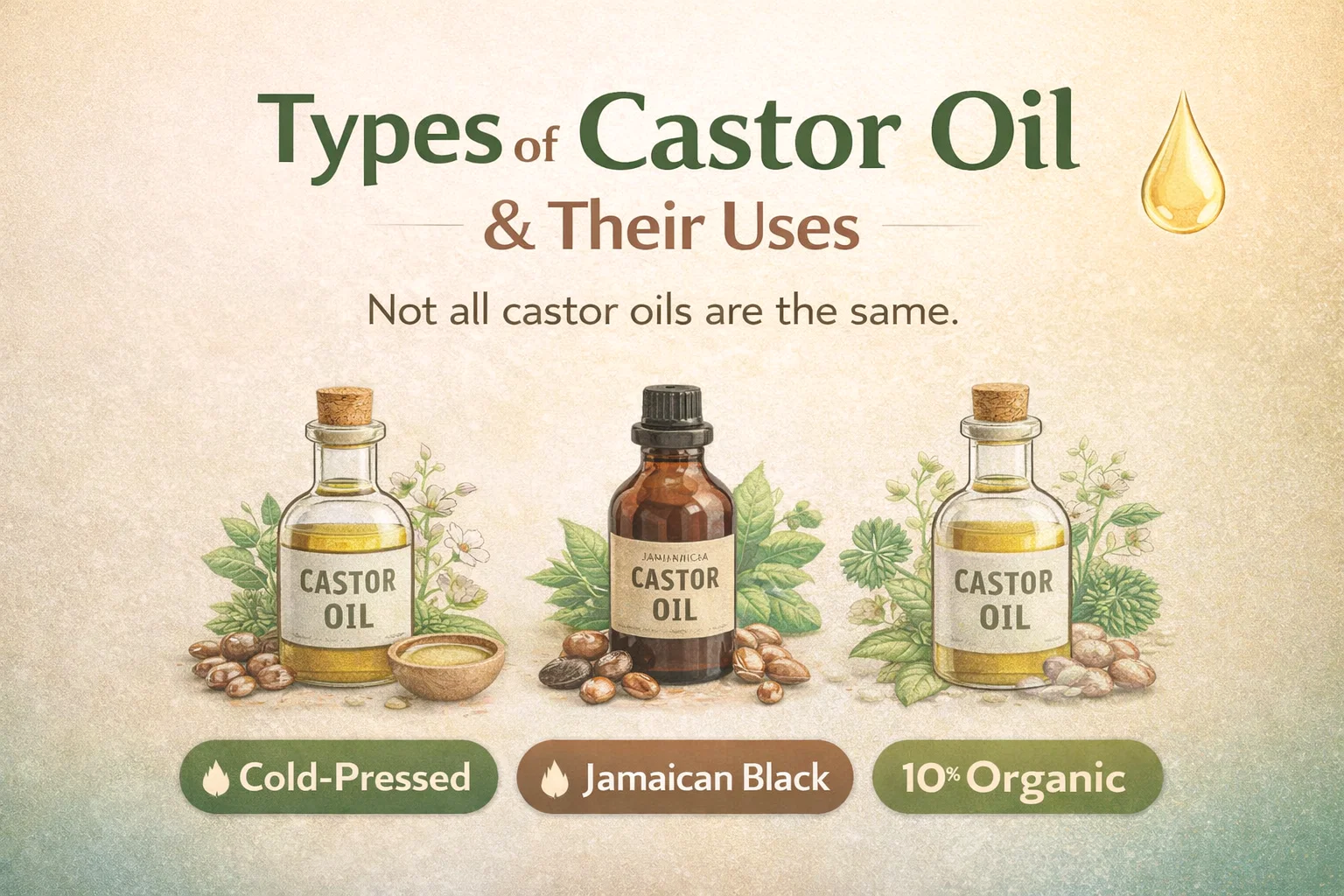
Types of Castor Oil Explained Best Uses for Hair Skin
Have you ever found yourself wandering down the aisles of a natural health store, staring at rows upon rows of glowing amber bottles, completely unsure of which one to pick? You are definitely not alone. When you begin diving into the world of holistic and herbal remedies, the sheer number of options can feel overwhelming. One ingredient that consistently finds its way into the spotlight for natural beauty and wellness is castor oil. It is celebrated as a miracle worker for everything from sparse eyebrows to dry skin. But there is a catch. Not all castor oils are created equal.
If you have ever picked up a bottle, brought it home, and wondered why it did not give you the glowing results you read about online, you might have simply chosen the wrong variation for your specific needs. Understanding the different types of this powerful plant extract is the ultimate secret to unlocking its full potential. Today, we are going to decode the mystery and explore the vibrant world of castor oil, helping you pinpoint exactly which type deserves a permanent spot in your daily routine.
The Origins: What Exactly is Castor Oil?
Before we explore the different varieties, it is important to understand where this thick, luxurious liquid actually comes from. Castor oil is a highly versatile vegetable oil extracted from the seeds of the Ricinus communis plant. This beautiful plant, with its bold, star-shaped leaves and vibrant red seed pods, has been utilized for centuries across various cultures for its remarkable healing properties.
The true magic of this botanical treasure lies within its unique chemical composition. Castor oil is exceptionally rich in ricinoleic acid, a rare and powerful fatty acid. This specific compound is renowned for its deeply moisturizing, conditioning, and soothing characteristics. Whether it is being utilized in premium hair care formulations, soothing skincare blends, traditional medicinal practices, or even heavy-duty industrial applications, the specific processing method dictates how the final product performs. Let us break down the five main types of castor oil so you can become a true expert.
1. Cold-Pressed Castor Oil: The Natural Powerhouse
When you picture the purest, most unadulterated form of a plant oil, you are thinking of the cold-pressed variety. This type is often considered the gold standard for standard cosmetic and topical applications. The magic is in the manufacturing process. As the name suggests, cold-pressed castor oil is extracted from the raw seeds without the use of any external heat or harsh chemical solvents.
Why does the temperature matter? Heat can actually degrade and destroy the delicate nutrients, antioxidants, and naturally occurring fatty acids within the seeds. By utilizing a mechanical press in a temperature-controlled environment, manufacturers ensure that the maximum amount of that precious ricinoleic acid is perfectly preserved. The resulting oil is typically pale yellow in color, relatively clear, and possesses a very mild scent.
Best Uses for Cold-Pressed Castor Oil
- Hair and Scalp Moisturization: Its nutrient-dense profile makes it an excellent pre-shampoo treatment for dry, flaky scalps. It helps to lock in essential moisture without overly irritating the skin.
- Skin and Cuticle Care: If you struggle with stubborn dry patches on your elbows, knees, or ragged cuticles, a tiny drop of this potent oil provides an intense barrier of hydration. It is a favorite among DIY skincare enthusiasts for crafting rich body butters and healing salves.
- Eyelash and Eyebrow Conditioning: Have you ever wanted thicker, fuller-looking lashes and brows? Gently swiping a small amount of cold-pressed oil over your brows and lashes every night using a clean mascara spoolie can condition the hairs, preventing breakage and supporting a healthier appearance.
2. Jamaican Black Castor Oil: The Hair Care Hero
If you have spent any time in the natural hair care community, you have undoubtedly heard glowing praises sung for Jamaican Black Castor Oil, frequently abbreviated as JBCO. This variation is instantly recognizable due to its rich, dark color and distinct, slightly smoky, roasted aroma. The difference between cold-pressed and JBCO is entirely rooted in the traditional preparation method.
Instead of pressing raw seeds, the production of Jamaican Black Castor Oil involves first roasting the castor beans. After the beans are thoroughly roasted, they are crushed and then boiled in water. The dark oil that rises to the surface is carefully skimmed off. This ancient, traditional process leaves behind a significant amount of ash from the roasted beans, which gives the oil its signature dark amber to black hue and its notably thicker, heavier texture.
Best Uses for Jamaican Black Castor Oil
- Reviving Dry, Damaged, and Curly Hair: The thick consistency of JBCO makes it a spectacular sealant. For those with highly textured, thick, or curly hair, applying this oil to the ends of the hair strands helps lock in moisture and protect against environmental damage.
- Soothing Scalp Massages: Many users swear by the slightly alkaline nature of the ash content. Massaging JBCO into the roots is a popular holistic practice believed to stimulate the scalp, increase blood circulation, and create an optimal environment for healthy hair growth.
- Supporting Hair Breakage: While claims of miraculous overnight hair growth are mostly anecdotal, the intense conditioning power of JBCO undeniably strengthens the hair shaft. By preventing split ends and breakage, it allows your hair to retain its length much more effectively over time.
3. Organic Castor Oil: The Purity-Focused Option
For those who are meticulously conscious about what they apply to their bodies and how their products impact the environment, organic castor oil is the ultimate choice. This is not necessarily a different extraction method, but rather a strict certification of the farming practices used to grow the Ricinus communis plants.
To be labeled as organic, the castor beans must be cultivated without the interference of synthetic pesticides, chemical fertilizers, or genetically modified organisms. This rigorous purity focus ensures that no lingering agricultural chemicals make their way into the final bottled product. Organic versions are almost always cold-pressed, combining the best of both worlds regarding nutrient retention and environmental safety.
Best Uses for Organic Castor Oil
- Sensitive Skin Care: If your skin easily reacts to environmental stressors or trace chemicals, choosing an organic oil minimizes the risk of irritation. It is the safest bet for delicate facial skin.
- Baby Products: When formulating holistic remedies or gentle massage oils for infants, purity is paramount. Organic castor oil offers peace of mind for parents seeking natural alternatives.
- Natural Beauty Routines: Whenever you are blending up homemade lip balms, facial serums, or healing compresses, starting with an organic base guarantees a clean, high-quality finished product that aligns with a non-toxic lifestyle.
4. Hydrogenated Castor Oil: The Unsung Formulator
Now, we are stepping away from the bottles you might keep on your bathroom vanity and looking at a heavily modified version. Hydrogenated castor oil, also known in the industry as castor wax, looks and acts completely different from its liquid counterparts. It is created by bubbling hydrogen gas through pure castor oil in the presence of a catalyst.
This chemical process, known as hydrogenation, transforms the liquid oil into a hard, brittle, opaque wax. It loses its moisturizing slip and becomes a structural ingredient. You will not want to apply this directly to your skin or hair for conditioning purposes, but you have likely used it today without even realizing it.
Best Uses for Hydrogenated Castor Oil
- Cosmetics Formulation: It is a staple ingredient in the beauty industry. Castor wax is used to give structure to solid deodorants, keep lipsticks from melting in your purse, and bind the ingredients in heavy creams and lotions together.
- Industrial Applications: Beyond the beauty counter, hydrogenated castor oil is an incredibly stable compound used to manufacture specialized industrial greases, heavy-duty lubricants, and high-performance polishes.
5. Pharmaceutical-Grade Castor Oil: The Medical Solution
Finally, we have pharmaceutical-grade castor oil. This is a highly refined, strictly regulated variation designed exclusively for internal medical use. It goes through intense filtration and purification processes to ensure it meets the rigorous safety standards set by health organizations.
Unlike the cold-pressed or Jamaican black varieties which are celebrated for their external beauty benefits, pharmaceutical-grade castor oil has a very specific, FDA-approved physiological function. When ingested, the ricinoleic acid binds to receptors in the intestines, causing the muscles to contract.
Best Uses for Pharmaceutical-Grade Castor Oil
- Short-Term Constipation Relief: It is widely recognized and utilized as a powerful stimulant laxative to provide rapid relief for temporary digestive blockages.
- Medical Procedures: Doctors sometimes recommend it to clear the bowels prior to certain medical examinations or surgeries.
A Crucial Safety Note: It is incredibly important to stress that pharmaceutical-grade castor oil should strictly be used under the direct guidance of a healthcare professional. It is highly potent, and improper use can lead to severe cramping, dehydration, and other adverse effects. Never ingest cosmetic-grade castor oils, as they are not purified for internal consumption.
Wrapping Up: Elevating Your Natural Routine
As you can see, the world of castor oil is far more complex and fascinating than a simple bottle on a shelf. The plant kingdom offers incredible versatility, and understanding these nuances allows you to harness the power of nature effectively and safely. Whether you are carefully blending a batch of soothing homemade lip balm, treating your curls to a deep conditioning session with rich Jamaican Black Castor Oil, or swiping a drop of cold-pressed oil on your lashes before bed, selecting the correct type makes all the difference.
Always remember that while holistic traditions and cultural practices offer wonderful wisdom, patience is key when incorporating natural remedies into your lifestyle. Results are rarely overnight, but the long-term benefits of nourishing your body with pure, botanical ingredients are absolutely worth the wait. Always perform a small patch test when trying a new topical oil, and embrace the beautiful journey of discovering what works best for your unique skin and hair.