Ultimate 3-in-1 Backyard Structure Chicken Coop, Tool Shed Greenhouse Combo
Creating a functional and beautiful backyard is a dream for many homeowners, but often, the reality of limited space and clashing aesthetic goals can make it feel out of reach. We frequently see backyards cluttered with a separate plastic tool shed, a mismatched wire chicken coop, and perhaps a small greenhouse tucked away in a corner. The result is a disjointed landscape that feels more like a storage lot than a sanctuary. However, the concept of a multifunctional backyard structure is changing the game for modern homesteaders and gardening enthusiasts alike. By integrating several essential outdoor functions into a single, cohesive architectural piece, you can transform your outdoor area into an efficient, closed loop system that looks as good as it performs.
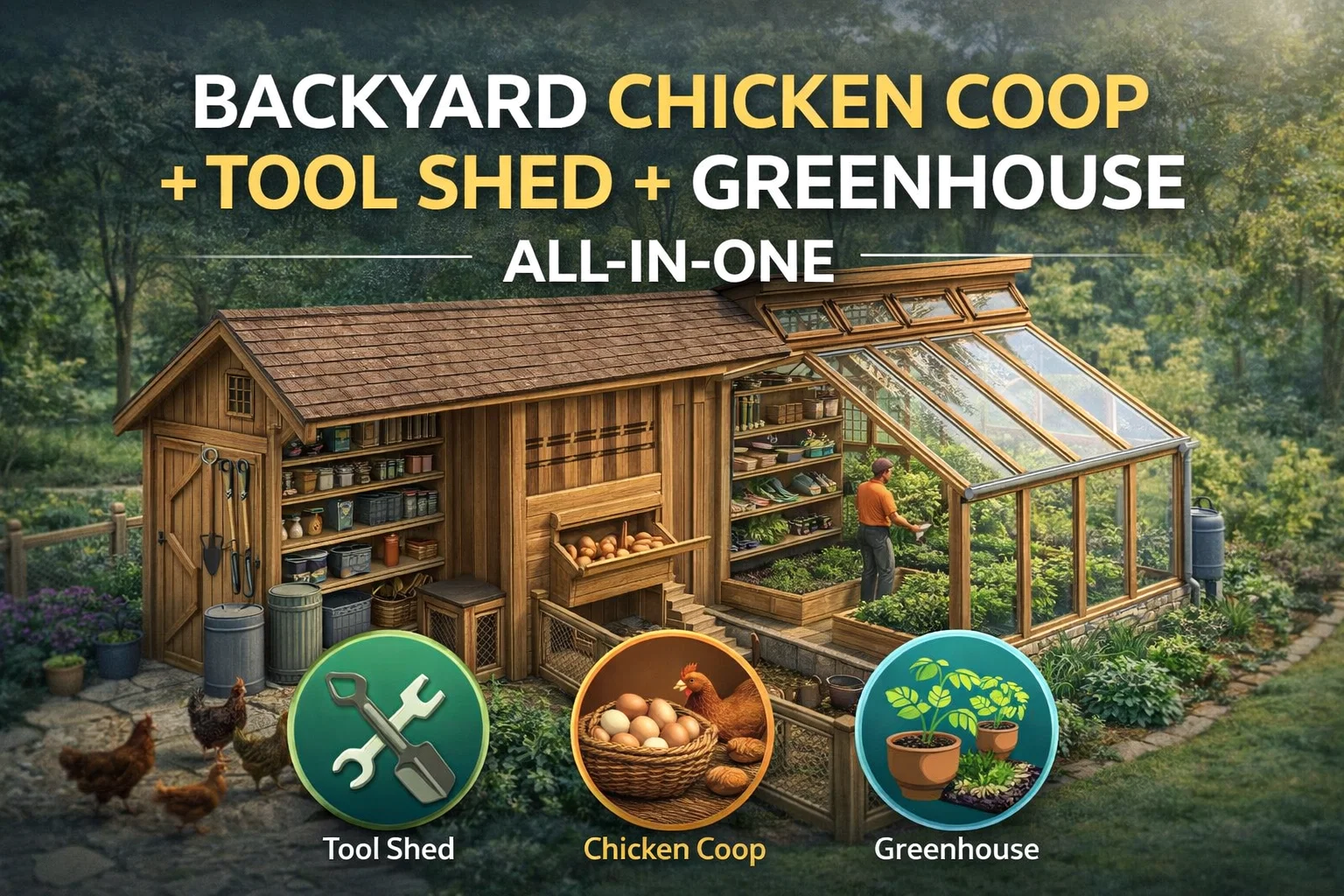
The image of this integrated wooden structure perfectly illustrates how design meets utility. This all in one unit combines a high capacity chicken coop, a professional grade tool shed, and a stunning glass greenhouse. It is not just about saving square footage; it is about creating a symbiotic relationship between your plants, your poultry, and your productivity. When these elements live together, your daily chores become a streamlined path rather than a series of scattered tasks across the yard. Let us dive deep into how this multifunctional approach can revolutionize your gardening experience and why it is the ultimate choice for the modern sustainable home.
The Power of Integrated Backyard Design
When we talk about integrated design, we are referring to the intentional blending of different utility zones. In a traditional setup, you might walk to one side of the yard to grab a shovel, head to the back to check on the hens, and then move to a third location to water your seedlings. An integrated structure eliminates this unnecessary movement. By housing your tools, your livestock, and your plants under one roof, or at least within the same footprint, you create a central hub for your outdoor life.
This approach also allows for shared resources. For example, the heat generated by a greenhouse during a sunny afternoon can help keep the adjacent chicken coop warmer during cool spring nights. Conversely, the carbon dioxide exhaled by the chickens can actually benefit the plants inside the greenhouse section. This is the essence of a closed loop system, where the outputs of one element become the inputs for another, reducing waste and increasing overall health for both plants and animals.
Maximizing Small and Medium Footprints
Not everyone has acres of land to work with. For those living in suburban environments or on smaller urban lots, space is a premium commodity. A multifunctional structure is the most logical solution for these settings. Instead of three different foundations and three different rooflines, you have one. This significantly reduces the physical footprint of your outbuildings, leaving more room for open lawn, fruit trees, or a patio for entertaining. The verticality of these designs also helps, utilizing shelving and lofted areas within the coop or shed to store more in less horizontal space.
The Greenhouse: Growing Year Round in Style
The greenhouse component of this structure is a standout feature, characterized by its beautiful glass walls and clerestory windows. A greenhouse is a sanctuary for any gardener, providing a controlled environment that defies the limitations of the local climate. With a dedicated glass enclosed space, you can start your summer vegetables weeks before the last frost, giving you a massive head start on the growing season. It also allows for the cultivation of delicate tropical plants or high value herbs that would otherwise struggle in an open garden bed.
The Benefits of Clerestory Windows
The inclusion of clerestory windows, which are the row of windows high up near the roofline, is a brilliant design choice. These windows serve two primary purposes: light and ventilation. Because they are positioned high up, they allow deep sunlight to penetrate the back of the greenhouse, ensuring that even the plants on the lower shelves receive adequate vitamin D. Perhaps more importantly, they provide an outlet for hot air. Since heat rises, opening these upper windows allows for natural convection, pulling cool air in from below and pushing the stifling summer heat out the top. This prevents your plants from wilting or “cooking” during the peak of July and August.
Efficient Interior Layouts for Plants
Inside the greenhouse, the use of tiered shelving and raised garden beds maximizes the growing surface area. By utilizing the vertical space, you can have a bottom layer of shade loving greens, a middle layer of sun seeking starts, and even hanging baskets for strawberries or trailing flowers. The proximity to the tool shed means that your pruners, soil, and watering cans are always within arm’s reach, making the daily maintenance of your indoor garden a breeze rather than a chore.
The Chicken Coop: Happy Hens and Fresh Eggs
For many, the heart of a homestead is the chicken coop. Raising chickens provides a steady supply of organic, protein rich eggs and high quality fertilizer for the garden. However, traditional coops can often be eyesores. An integrated design ensures that the coop matches the aesthetic of the rest of the yard. This specific design features a raised indoor run and nesting boxes that are easily accessible from the exterior, making egg collection a clean and simple process that even children can enjoy.
The Indoor Run and Predator Protection
A major concern for any poultry owner is safety. By integrating the coop into a heavy duty wooden structure, you provide a level of protection that a simple wire cage cannot match. The indoor run area allows chickens to stretch their wings and scratch in the dirt even when the weather is rainy or snowy. Because the structure is solid and well built, it acts as a formidable barrier against predators like raccoons, foxes, and hawks. The elevated nesting boxes also keep the hens away from the damp ground, which is crucial for preventing respiratory issues and maintaining a healthy flock.
Managing the Closed Loop System
One of the most exciting aspects of having a coop attached to a greenhouse and tool shed is the ease of waste management. Chicken manure is “black gold” for gardeners, but it needs to be composted before it can be used on sensitive plants. With the tool shed right there, you can easily store a composting bin nearby. You can rake out the coop bedding directly into a bin, mix it with garden waste from the greenhouse, and produce nutrient dense soil right on site. This is the definition of a sustainable, self sustaining backyard ecosystem.
The Tool Shed: Organization and Efficiency
Every hobby requires equipment, and gardening is no exception. From shovels and rakes to bags of potting soil and delicate hand trowels, the list of necessities is long. A dedicated tool shed section within the multifunctional structure ensures that you never lose a pair of gloves again. Having a dry, organized space for your supplies protects your investment in high quality tools by preventing rust and weather damage.
Smart Storage Solutions
The interior of the shed section can be customized with wall mounted racks for long handled tools, heavy duty shelving for bins of fertilizer, and even a small workbench for potting up plants. Because the shed is part of the larger unit, it often benefits from the same high quality roofing and siding as the coop and greenhouse, ensuring that your expensive power tools or bags of expensive organic soil stay bone dry regardless of the weather outside.
Aesthetics and Curb Appeal
Let us not overlook the visual impact. A single, architecturally consistent building adds significantly more value to your property than three separate, mismatched sheds. The use of natural wood siding, shingled roofs, and glass panes creates a rustic yet sophisticated look that complements almost any home style. It turns a utility area into a focal point of the landscape. Instead of trying to hide your chicken coop behind a bush, you will want to show off this masterpiece to everyone who visits your garden.
Tips for Building or Buying Your Own Integrated Structure
If you are inspired to add a multifunctional structure to your own backyard, there are a few key considerations to keep in mind. First, check your local building codes and zoning laws. Some areas have specific requirements for the size of outbuildings or the keeping of poultry. Once you have the green light, consider the orientation of the building. For the greenhouse to be effective, it should ideally face south to capture the maximum amount of winter sunlight.
Second, think about the materials. While pressure treated wood is durable, many organic gardeners prefer cedar or redwood for their natural rot resistance and beautiful aging process. Ensure that the glass or polycarbonate used in the greenhouse is UV rated to prevent it from becoming brittle over time. If you are not a DIY expert, look for pre fabricated kits or local contractors who specialize in custom garden buildings. Investing in quality construction now will pay off in decades of use.
Conclusion: The Future of the Backyard
The shift toward multifunctional, integrated backyard structures represents a broader movement toward intentional living. We are moving away from the “buy more, store more” mentality and toward a “do more with less” philosophy. By combining a greenhouse, a chicken coop, and a tool shed, you are not just building a shed; you are building a lifestyle. You are creating a space that encourages you to spend more time outdoors, connects you with the source of your food, and simplifies the complexities of property maintenance.
Whether you are harvesting a basket of sun warmed tomatoes in February, collecting a dozen fresh eggs for Sunday brunch, or simply enjoying the sight of your organized garden tools, the benefits of this all in one design are clear. It is a testament to the idea that utility and beauty can coexist perfectly. As you plan your next garden project, consider how you can integrate your passions into a single, cohesive space. Your plants, your chickens, and your peace of mind will thank you for it.