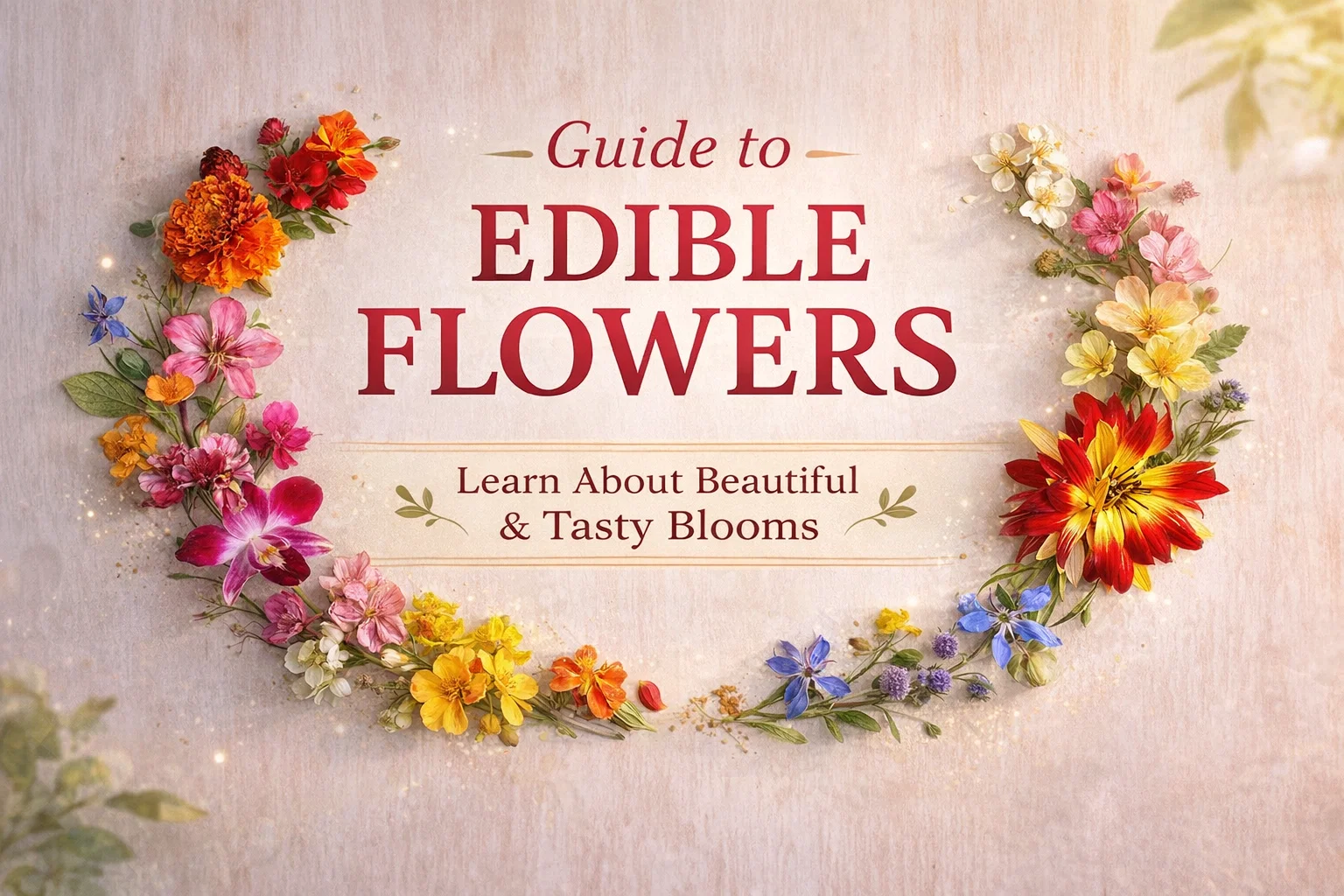
Ultimate Guide to Edible Flowers Flavor Profiles Creative Culinary Uses for Your Recipes
Adding a splash of color to your dinner plate is no longer just the domain of high-end Michelin-star restaurants. From the peppery bite of a nasturtium to the delicate, cucumber-like refresh of a borage blossom, edible flowers are making a massive comeback in home kitchens and garden-to-table cooking. If you have ever looked at a vibrant marigold or a sophisticated orchid and wondered if it tasted as good as it looked, you are in for a treat. Integrating flowers into your culinary repertoire is about more than just aesthetics; it is an exploration of unique flavor profiles that can transform a standard salad, a basic cocktail, or a simple dessert into a sensory masterpiece.
The Art and Science of Cooking with Flowers
Before we dive into the specific varieties, it is essential to understand that not every pretty bloom in your garden belongs on a fork. Edible flowers provide a bridge between gardening and gastronomy, offering a range of flavors that include spicy, herbaceous, sweet, and even tart. However, safety is the first rule of floral foraging. You should only consume flowers that you know are non-toxic and have been grown without synthetic pesticides or heavy chemicals. Florist flowers, for instance, are almost always treated with preservatives and are not safe for consumption. Instead, look for culinary-grade blooms at specialty grocers or, better yet, grow your own organic petals at home.
Marigolds: The Saffron of the Garden
Marigolds are perhaps the most versatile and accessible edible flowers available. Known for their vibrant oranges and yellows, they offer a flavor profile that ranges from a tangy citrus to a slightly bitter, musky note similar to saffron. In fact, they are often referred to as poor man saffron because they can provide a similar golden hue to rice dishes and broths. Beyond the color, marigold petals are fantastic when sprinkled over citrusy salads or used as a bold garnish for tropical cocktails. They hold up well in light heat, making them a great addition to stir-fries where you want a pop of color without losing the integrity of the petal.
Carnations: A Peppery Surprise
Most people associate carnations with high school dances or classic bouquets, but they have a secret: they taste remarkably like cloves. The base of the petal can be quite bitter, so it is a common practice to pull the petals away from the white base before using them. Once prepped, these shredded petals add a spicy, peppery kick to green salads. They are also a favorite for steeping in wine or clear spirits to create floral-infused cordials. If you are baking, carnation petals can be folded into cake batter or used to decorate the tops of sugar cookies for a vintage, sophisticated look.
Micro-Greens and Miniature Blooms
In the world of professional plating, micro-flowers are the ultimate tool for detail. These tiny blossoms pack a punch of flavor despite their small stature. Micro Stars and Micro Marigolds are frequently used to provide a concentrated burst of flavor. Micro Stars tend to be sweet and mild, making them the perfect companion for fruit platters or delicate appetizers like goat cheese crostini. Micro Marigolds, on the other hand, lean into a citrusy and minty profile that cuts through the richness of cream-based soups or fatty seafood dishes like seared scallops.
The Electric Sensation of Buzz Buttons
If you are looking for a conversation starter at your next dinner party, look no further than the Buzz Button (also known as the Szechuan button). These small, yellow, pom-pom-like flowers do not just taste like citrus; they create a physical sensation in the mouth. When eaten, they produce a tingling or buzzing feeling on the tongue, similar to the effect of Szechuan peppercorns. This “electric” sensation makes them a favorite for experimental mixologists. Muddle them into a margarita or float them in a glass of champagne to give your guests a truly multi-sensory experience.
Earthy and Savory Floral Profiles
While many people think of flowers as being exclusively sweet, many varieties offer deep, savory notes that pair perfectly with proteins and vegetables. Calendula, often called the pot marigold, has a grassy and slightly minty flavor. It is a staple in herbalism for its soothing properties, but in the kitchen, its golden petals are best used in salads or even folded into softened butter to create a beautiful floral compound butter for steaks or roasted potatoes.
Firestix and Amaranth
Firestix (a variety of Amaranth) are striking, spear-like flowers that bring an unexpected flavor to the table: fresh corn. Because of this earthy, cereal-like taste, they are frequently used as edible swizzle sticks in savory cocktails or as a garnish for seafood platters. Their architectural shape adds height and drama to a plate, making them a favorite for chefs who want to create a “wow” factor with their presentation.
Snapdragons and Chrysanthemums
Snapdragons are beloved by children for their “talking” petals, but they are also a delightful plate garnish. Their flavor is mild, sometimes leaning toward a slightly tart or bitter finish, which makes them a neutral addition to decorative platters. Chrysanthemums, a staple in many Asian cuisines, offer a grassy and sweet flavor. They are most famous for their use in herbal teas, but the young petals can also be tossed into a salad or used to garnish a sandwich for an extra layer of crunch and color.
Delicate Pairings: From Orchids to Borage
Some flowers are so delicate that they require a gentle hand in the kitchen. Karma Orchids are the epitome of elegance. With a fresh, crisp texture and a very mild flavor, they are almost exclusively used for high-end cake decorations and plate garnishes. They are durable enough to sit on top of a frosted cake for hours without wilting, which is a major plus for wedding caterers.
The Refreshing Cool of Borage
Borage blossoms are tiny, star-shaped blue flowers that taste exactly like cucumber. This makes them the ultimate garnish for any summer dish. Imagine a chilled gazpacho topped with a few blue borage stars, or a gin and tonic where the ice cubes have borage flowers frozen inside them. They also pair beautifully with lemon sorbets and light dips, providing a cooling sensation that is perfect for hot weather entertaining.
Fennel Blossoms and Dianthus
If you love the taste of licorice, fennel blossoms are a must-try. These tiny yellow clusters carry the same sweet, anise-like flavor as the fennel bulb but in a more concentrated, delicate form. They are the perfect partner for fish and lamb dishes, where their sweetness can balance the savory fats. Micro Dianthus, a relative of the carnation, offers a stronger, tart flavor. These are excellent for garnishing heavy desserts like chocolate tarts or floating in a dark, fruity cocktail to add a sharp contrast to the sweetness.
How to Store and Prep Your Edible Flowers
Freshness is the key to a successful floral dish. Most edible flowers are highly perishable and should be used as soon as possible after harvest. If you need to store them, the best method is to place them in a single layer on a damp paper towel and seal them inside a plastic container. Keep them in the warmest part of your refrigerator (usually the crisper drawer or the top shelf) to avoid freezing the delicate petals. Before serving, a quick dip in a bowl of cold water can help revive any slightly wilted blooms. Always shake them gently to dry so you do not bruise the petals.
Safety First: A Quick Checklist
- Identification: Never eat a flower unless you are 100 percent sure of its identity.
- Source: Avoid flowers from roadsides or public parks where they may have been sprayed or exposed to exhaust.
- Quantity: If you are trying a new flower for the first time, start with a small amount to ensure you do not have any digestive sensitivities or allergies.
- Pollen: Some people find the pollen in flowers to be an allergen. If you are sensitive, remove the stamens and pistils and eat only the petals.
Elevate Your Culinary Journey
Experimenting with edible flowers is an invitation to be more mindful of the flavors and textures in your food. It encourages you to slow down and appreciate the intricate beauty of nature, even in the middle of a busy weeknight meal. Whether you are starting small with a few marigold petals in your salad or going bold with an “electric” buzz button cocktail, you are participating in a long-standing tradition of floral gastronomy that spans cultures and centuries.
The next time you are planning a menu, think beyond the herbs and spices in your cabinet. Look to the garden and see what is in bloom. With a little bit of knowledge and a sense of adventure, you can turn any dish into a vibrant, flavorful work of art that tastes just as incredible as it looks. Happy cooking, and may your kitchen always be in full bloom!
Would you like me to create a specific recipe list using these edible flowers, or perhaps a guide on how to grow them in a small home garden?