Ultimate Long Shelf Life Foods Guide for Your Emergency Pantry Stockpile
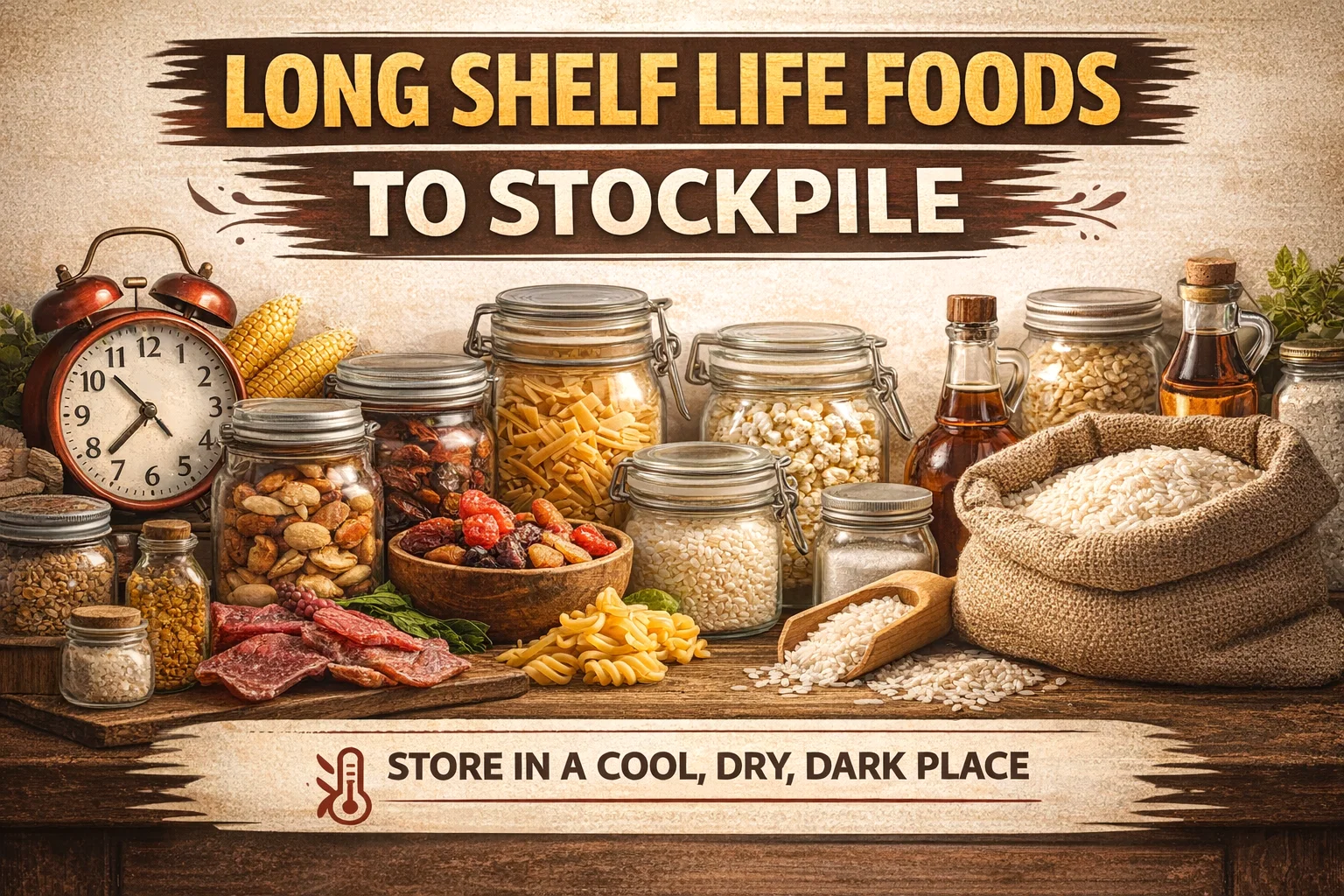
Building a food stockpile is one of the most empowering steps you can take toward self-sufficiency and peace of mind. Whether you are preparing for unexpected supply chain disruptions, natural disasters, or simply looking to hedge against rising inflation, understanding the science of shelf life is your greatest asset. The image we are analyzing today from DeVault Prepping provides a masterclass in pantry organization, categorized by how long items remain safe and nutritious. It is not just about buying extra cans of soup; it is about strategic curation that ensures your family has a diverse, healthy, and reliable food source for years to come.
The Foundations of a Resilient Pantry
Most people start their prepping journey by grabbing a few extra bags of rice and calling it a day. However, a truly resilient pantry requires a balance of macronutrients, comfort foods, and long-term staples. By categorizing your inventory into time-based tiers, as shown in our guide, you can create a rotation system that prevents waste and ensures you always have fresh supplies on hand. The goal is to move away from the “panic buying” mindset and transition into a “lifestyle of preparedness” where your pantry acts as a personal grocery store.
Understanding the 0 to 1 Year Tier: High Turnover Essentials
The first section of our guide focuses on items with a shelf life of up to one year. These are often the most nutrient-dense but also the most volatile due to their fat and moisture content. Dried fruits, nuts, and seeds are incredible sources of energy and healthy fats, but the oils in them can go rancid if left too long. Jerky and dehydrated vegetables are also in this category. While they are lightweight and perfect for quick meals, they are best utilized in a short-term rotation. If you are just starting out, this is the tier where you will see the most movement. Regularly eating and replacing these items ensures that your “short-term” emergency kit is always ready for a weekend power outage or a sudden winter storm.
The Mid-Range Staples: 1 to 5 Years of Security
Moving into the 1 to 3 and 3 to 5 year categories, we find the true workhorses of the kitchen. These items provide the bulk of your calories and flavor. Dried pasta, oats, and ramen noodles are classic examples of 1 to 3 year foods. They are inexpensive and easy to store in large quantities. This is also where we see oils like vegetable and olive oil. It is a common misconception that oil lasts forever; in reality, it is sensitive to light and heat, making it a mid-range item that requires careful monitoring.
The Power of Canned Goods and Proteins
In the 3 to 5 year range, canned meats and tuna become the stars. Protein is often the hardest thing to store long-term without a freezer, so high-quality canned proteins are gold in a prepping scenario. Similarly, unopened pickles and whole spices fall into this bracket. While ground spices lose their potency quickly, whole peppercorns or cinnamon sticks can retain their aromatic properties for half a decade. This category is the “sweet spot” for most households because it allows for a massive buffer without the extreme storage requirements of “forever” foods.
Long-Term Survival: The 5 to 10 Year Horizon
When we look at the 5 to 10 year range, we are entering the territory of serious long-term planning. This tier includes canned fruits and vegetables, which, despite their “best by” dates, often remain safe to eat for many years if the seal remains intact and the can is not dented. Grains like wheat berries, barley, and white rice also fit here. These are the foundations of traditional breadmaking and hearty stews. One interesting entry here is hardtack. Historically known as “pilot bread” or “sea biscuit,” hardtack is a simple mixture of flour and water baked until rock-hard. It is the ultimate survival food, designed to withstand the harshest conditions without spoiling.
Sweeteners and Broths
Molasses and powdered broths are also vital 5 to 10 year items. While we often think of survival as just “calories,” flavor and morale are just as important. A hot bowl of broth made from powdered base can turn a dry meal into a comforting experience. Molasses provides a deep, rich sweetness and essential minerals like iron and magnesium, making it a superior choice over highly refined sugars for long-term health.
The Forever Shelf: Foods That Never Expire
The “Forever” category is perhaps the most fascinating part of the DeVault Prepping chart. These are items that, if stored correctly in a cool, dry, and dark place, will essentially outlast us. Raw honey is the most famous example; archaeologists have found edible honey in ancient Egyptian tombs that is thousands of years old. Because honey is naturally acidic and low in moisture, bacteria simply cannot grow in it.
- Salt and Sugar: These are minerals and simple carbohydrates that do not support microbial growth. Salt is also an essential preservative for curing meats.
- Dried Beans and Lentils: While they may get harder over time and require longer soaking, they remain a viable protein source indefinitely.
- White Rice: Unlike brown rice, which has oils that go rancid, white rice (stored in an airtight container) is a forever staple.
- Vanilla Extract and Vinegar: High alcohol or acid content makes these shelf-stable for a lifetime.
Liquor and Spirits for More Than Just Drinking
Sealed liquor is another “forever” item. In a long-term emergency, high-proof alcohol has multiple uses beyond consumption. It can be used as a disinfectant for wounds, a base for herbal tinctures, or even as a valuable trade item in a bartering economy. Having a few bottles of sealed spirits in your pantry is a smart move for any well-rounded prep plan.
Mastering the Storage Environment
The bottom of our infographic highlights a crucial rule: Store in a cool, dry, dark place. You could buy the best “forever” foods in the world, but if you store them in a hot garage or a damp basement, their shelf life will be slashed by more than half. Heat is the primary enemy of food storage. For every 10 degree increase in temperature, the chemical breakdown of food accelerates significantly. Keeping your pantry in an interior room or a temperature-controlled cellar is the secret to getting the full value out of your investment.
The Importance of Airtight Containers
While the original packaging is often fine for short-term use, long-term success requires better barriers. Mylar bags with oxygen absorbers are the gold standard for grains, beans, and flours. These bags block out light and moisture while the absorbers remove the oxygen that pests need to survive. If you are serious about the 5 to 10 year and “Forever” tiers, transitioning your bulk goods into Mylar or glass jars is a necessity.
Inventory Management and Rotation
A common mistake is “set it and forget it.” A professional pantry operates on the FIFO (First In, First Out) principle. When you buy a new can of tomato sauce, it goes to the back of the shelf, and the oldest can moves to the front. This ensures that you are always eating the food that is closest to its expiration date. Using a simple marker to write the “date purchased” on the top of cans can save you hours of searching later. It also helps you identify what your family actually eats. There is no point in storing 50 cans of lima beans if no one in your house likes them!
Building Your Comfort Cache
Survival is stressful, and food is one of the best ways to manage that stress. Don’t forget to include “comfort items” in your 1 to 3 year tier. Dark chocolate, tea bags, and jams are not strictly necessary for survival, but they provide a massive psychological boost during difficult times. A cup of hot tea and a piece of chocolate can make a power outage feel like a cozy adventure rather than a crisis.
The Ethics of Prepping: Sustainability and Sharing
Prepping is often portrayed as a solitary, “every man for himself” activity, but the most successful preppers are those who build community. By having a well-stocked pantry, you are not just protecting yourself; you are ensuring that you won’t be a burden on public resources during a local emergency. Furthermore, having extra means you might be in a position to help a neighbor in need. A community that is collectively prepared is far more resilient than one where individuals are competing for the last loaf of bread on the shelf.
Final Thoughts on Your Pantry Journey
Starting a long-term food storage plan is a marathon, not a sprint. You do not need to spend thousands of dollars today. Start by looking at the 0 to 1 year list and adding one or two extra items to your cart each week. Over time, move into the 3 to 5 year staples, and eventually, build that “forever” foundation of salt, honey, and rice. Knowledge is the ultimate prep, and by understanding these shelf-life categories, you are already ahead of the curve. Your future self will thank you for the foresight and care you put into your pantry today. Happy prepping!
Ready to take the next step? Check out our other guides on water filtration and off-grid cooking to complete your home readiness plan. Stay safe and stay prepared!