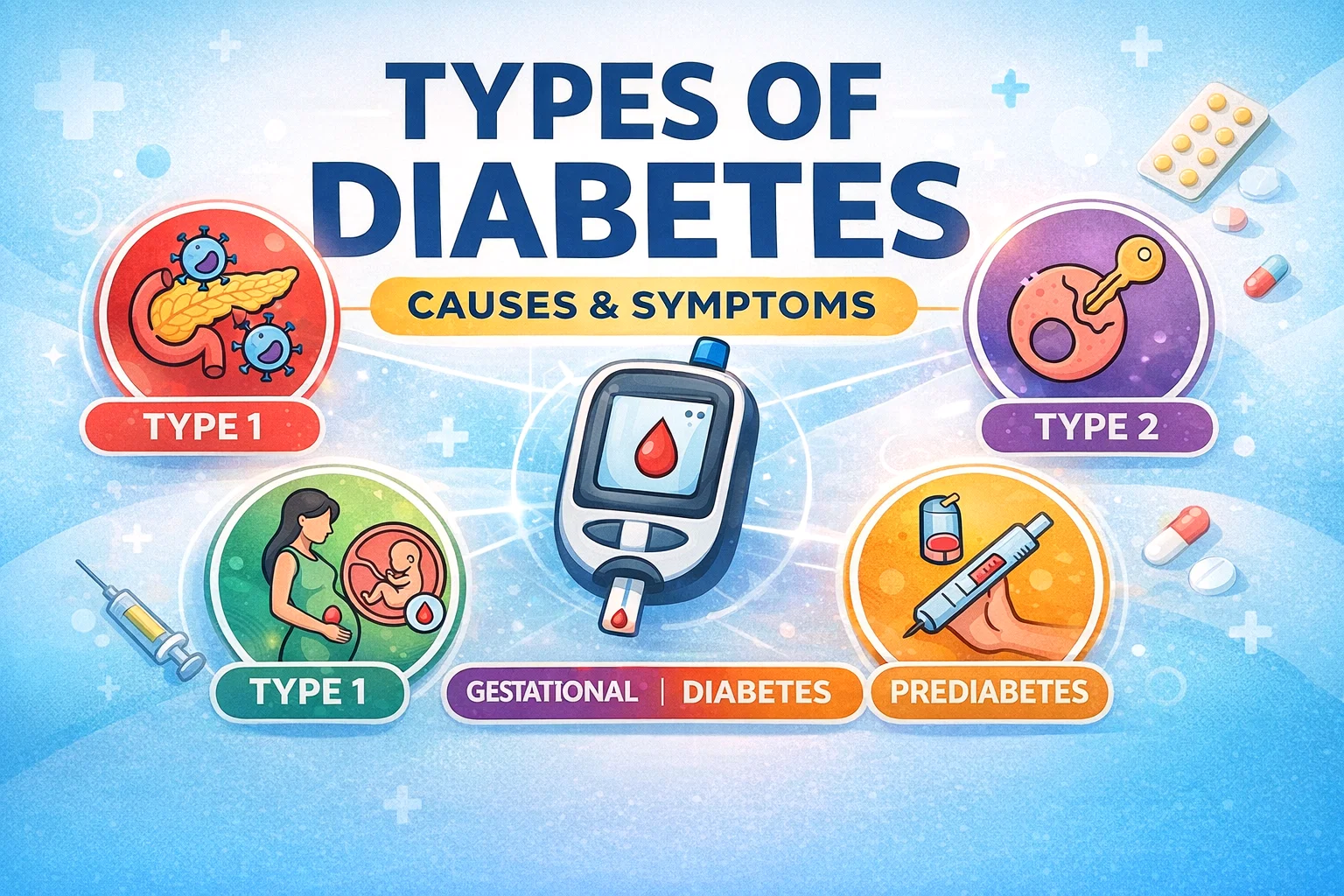
Understanding the Types of Diabetes Symptoms Causes and Differences Infographic
Understanding your health is the first step toward living a vibrant and fulfilling life. When it comes to chronic conditions, few are as misunderstood or as prevalent as diabetes. It is a word we hear often in doctor offices, on the news, and in casual conversation, yet the nuances between the different types can be confusing. From the autoimmune nature of Type 1 to the metabolic complexities of Type 2, each form of this condition tells a unique story about how our bodies process energy. By diving deep into the causes, symptoms, and management strategies, we can demystify these diagnoses and empower ourselves with the knowledge needed to thrive.
What is Diabetes and Why Does It Matter?
At its core, diabetes is a condition that affects how your body turns food into energy. Most of the food you eat is broken down into sugar, also called glucose, and released into your bloodstream. When your blood sugar goes up, it signals your pancreas to release insulin. Insulin acts like a key to let the blood sugar into your body’s cells for use as energy. If you have diabetes, your body either doesn’t make enough insulin or can’t use the insulin it makes as well as it should. When there isn’t enough insulin or cells stop responding to insulin, too much blood sugar stays in your bloodstream. Over time, that can cause serious health problems, such as heart disease, vision loss, and kidney disease.
There is no cure yet for diabetes, but losing weight, eating healthy food, and being active can really help. Taking medicine as needed, getting diabetes self-management education and support, and keeping health care appointments can also reduce the impact of diabetes on your life. Understanding which type of diabetes a person has is the first step in creating a roadmap for long-term wellness.
Type 1 Diabetes: The Autoimmune Connection
Type 1 diabetes is often diagnosed in children and young adults, though it can appear at any age. In this version of the condition, the body’s immune system mistakenly attacks and destroys the insulin-producing cells in the pancreas. Scientists believe that Type 1 diabetes is caused by genes and environmental factors, such as viruses, that might trigger the disease. Unlike other forms of diabetes, it is not related to diet or lifestyle choices.
Recognizing the Symptoms of Type 1
Because Type 1 diabetes involves a total lack of insulin, the symptoms often develop quickly, sometimes over just a few weeks. It is crucial to recognize these early warning signs:
- Extreme Hunger: Even after eating, you may feel an intense need for more food because your cells aren’t getting the glucose they need.
- Unintended Weight Loss: When your body can’t get energy from sugar, it starts burning fat and muscle for fuel instead.
- Increased Thirst and Frequent Urination: Your kidneys work overtime to filter and absorb the excess sugar, pulling fluids from your tissues and leaving you dehydrated.
- Fatigue and Weakness: Without sugar in your cells, you lack the fuel needed for basic daily activities.
People with Type 1 diabetes need to take insulin every day to survive. This is usually done through injections or an insulin pump. Modern technology has made this process much more manageable, allowing individuals to lead active and athletic lives while keeping their blood sugar in a healthy range.
Type 2 Diabetes: The Most Common Form
Type 2 diabetes is the most common form of the disease, accounting for about 90 percent to 95 percent of all diagnosed cases. In Type 2 diabetes, your body doesn’t use insulin well and can’t keep blood sugar at normal levels. It develops over many years and is usually diagnosed in adults, though it is increasingly being seen in children, teens, and young adults.
The Role of Insulin Resistance
The hallmark of Type 2 diabetes is insulin resistance. This means the body’s cells do not respond normally to insulin. The pancreas tries to keep up by making more insulin, but eventually, it cannot make enough to keep blood sugar within a normal range. Lifestyle factors, such as being overweight and not being physically active, are significant contributors, though genetics also play a major role.
Key Warning Signs for Type 2
Symptoms for Type 2 diabetes often develop slowly. Many people have Type 2 diabetes for years and don’t know it. Watch for these persistent issues:
- Blurred Vision: High levels of blood sugar pull fluid from the lenses of your eyes, affecting your ability to focus.
- Slow-Healing Sores: High blood sugar can affect blood flow and cause nerve damage, making it hard for the body to heal wounds.
- Frequent Infections: High glucose levels can weaken the immune response, leading to more frequent infections in the skin, vaginal area, or bladder.
- Tingling or Numbness: Known as neuropathy, this often starts in the hands or feet.
Gestational Diabetes: A Temporary Challenge
Gestational diabetes develops in pregnant women who have never had diabetes. If you have gestational diabetes, your baby could be at higher risk for health problems. This condition usually goes away after your baby is born. However, it increases your risk for Type 2 diabetes later in life. Your baby is also more likely to have obesity as a child or teen and to develop Type 2 diabetes later in life too.
Why Does It Happen?
During pregnancy, the placenta makes hormones that cause glucose to build up in your blood. Usually, your pancreas can send out enough insulin to handle it. If not, your blood sugar levels will rise and cause gestational diabetes. Most women do not have noticeable symptoms, which is why healthcare providers perform routine screening between 24 and 28 weeks of pregnancy. If symptoms do occur, they usually involve increased thirst or more frequent urination beyond what is normal for pregnancy.
The Grey Area: Understanding Prediabetes
Prediabetes is a serious health condition where blood sugar levels are higher than normal, but not high enough yet to be diagnosed as Type 2 diabetes. Approximately 1 in 3 American adults has prediabetes, and more than 80 percent don’t know they have it. Prediabetes puts you at increased risk of developing Type 2 diabetes, heart disease, and stroke.
Signs You Might Not Notice
Prediabetes is often a silent condition, but there are physical markers to look for. One of the most common signs is darkened skin on certain parts of the body, such as the neck, armpits, and elbows. This is often a sign of insulin resistance. You might also experience mild fatigue or the beginning stages of increased thirst. The good news is that prediabetes can be reversed through simple lifestyle changes like losing a small amount of weight and getting regular physical activity.
Natural Ways to Support Healthy Blood Sugar
Whether you are managing a diagnosis or working on prevention, supporting your body’s natural ability to regulate glucose is essential. While medical intervention is often necessary, incorporating holistic habits can provide a significant boost to your overall well-being.
The Power of Fiber and Whole Foods
Eating a diet rich in fiber is one of the most effective ways to slow the absorption of sugar into your bloodstream. Whole grains, legumes, and leafy greens provide the nutrients your body needs to function optimally. Choosing heirloom crops and organic gardening products can also ensure you are getting the highest quality vitamins without added pesticides that might disrupt metabolic health.
Hydration and Herbal Support
Drinking plenty of water helps your kidneys flush out excess sugar. Additionally, many people explore botanical formulations to support their wellness journey. While they are not a replacement for medication, certain herbs like cinnamon or bitter melon have been studied for their potential to support healthy insulin sensitivity. Always consult with a professional before adding concentrated extracts to your routine.
Simple Lifestyle Adjustments for Daily Success
Managing diabetes or prediabetes doesn’t have to be overwhelming. Success often comes from small, consistent choices made every day. Here are a few ways to stay on track:
- Consistent Movement: You don’t need to run a marathon. A brisk 30 minute walk five days a week can significantly improve how your body uses insulin.
- Stress Management: Stress hormones can cause blood sugar levels to spike. Practicing deep breathing or spending time in a garden can help keep your levels stable.
- Regular Checkups: Consistent monitoring allows you to catch changes early and adjust your plan as needed.
- Community Support: Sharing recipes and tips with others facing similar challenges can provide the emotional boost needed to stick to your goals.
Conclusion: Empowering Your Health Journey
Living with or preventing diabetes is a journey that requires patience, education, and proactive choices. By understanding the distinct differences between Type 1, Type 2, Gestational, and Prediabetes, you are better equipped to advocate for your health and recognize the signs early. Remember that your body is a complex and amazing system that responds to the care and attention you give it. Whether it is through artisanal cooking with whole ingredients, maintaining a structured routine, or staying active, every positive choice counts. Stay curious, stay informed, and continue to prioritize the wellness habits that help you feel your best every single day.
Would you like me to generate a 1,500-word blog post on another lifestyle topic, such as natural skincare or home organization hacks?