Understanding Trauma Recognizing the Hidden Signs of Emotional Mental Healing
Understanding the complexities of human emotion often requires us to look beyond the surface of obvious events. While many people associate the word trauma with singular, catastrophic incidents, the reality is much more nuanced. Trauma can be a quiet, lingering presence that stems from sustained environments where our basic needs for safety, validation, and stability were not met. Recognizing these subtler forms of emotional wounding is the first step toward a transformative healing journey. When we acknowledge that our internal struggles have a valid origin, we stop blaming ourselves for our reactions and start the work of rebuilding our sense of self.
Defining the Invisible: What Modern Trauma Really Looks Elements
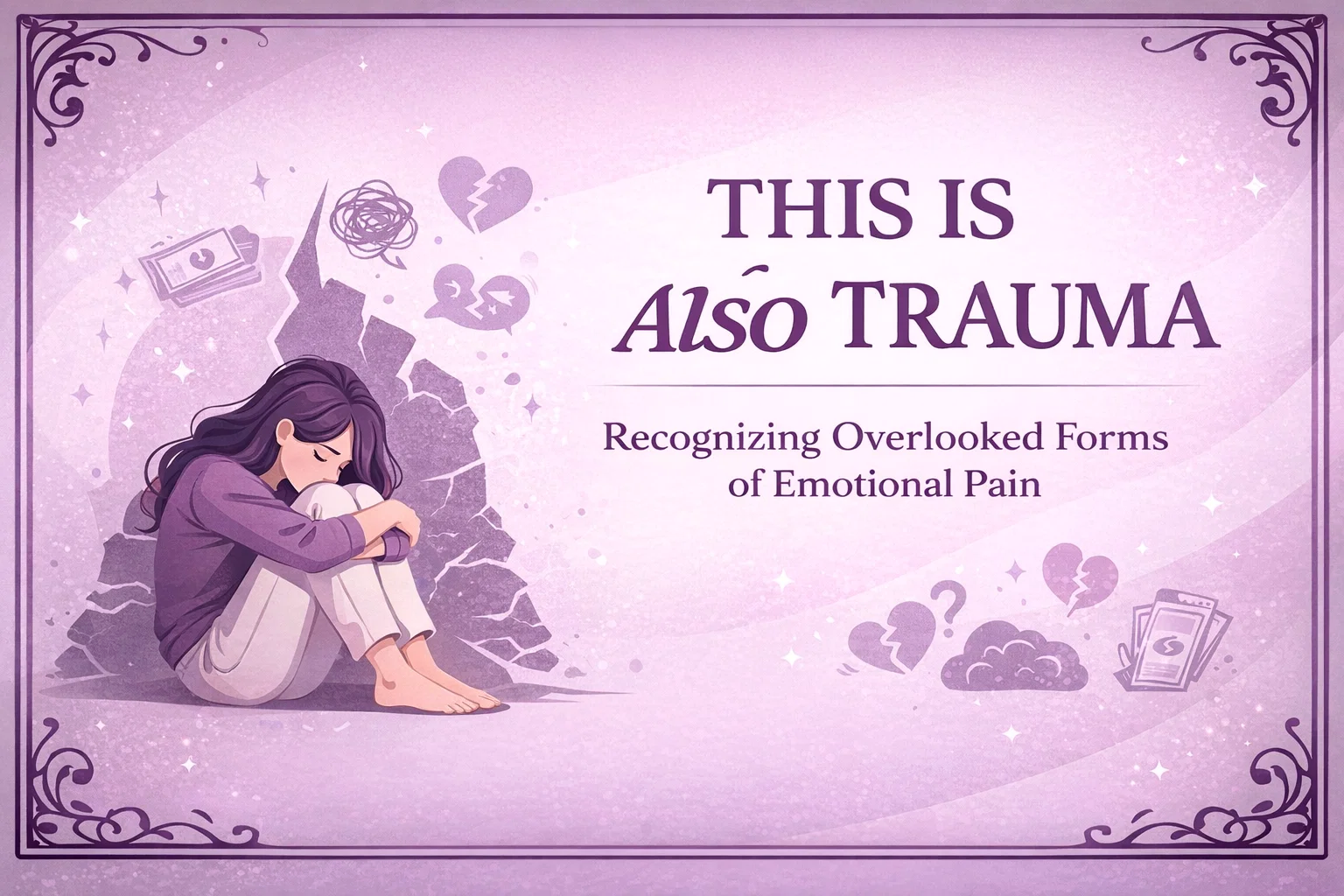
In the modern psychological landscape, we are beginning to differentiate between different types of traumatic experiences. While acute trauma involves a single distressing event, chronic or complex trauma often results from prolonged exposure to stressful situations, particularly during formative years. The image we are discussing highlights various scenarios that many people might dismiss as just part of growing up or a difficult phase of life. However, these experiences can leave lasting imprints on the nervous system, influencing how we interact with others and how we view our own value in the world.
One of the most profound realizations a person can have is that trauma is not just about what happened to you, but rather what happened inside of you as a response to those events. It shapes the heart, the mind, and even the physical body. When a child grows up in an environment where their voice is silenced or their boundaries are consistently violated, they develop coping mechanisms to survive. While these mechanisms are helpful in childhood, they often become obstacles in adulthood, leading to anxiety, people-pleasing, or a persistent feeling of being not enough.
The Impact of Financial Instability on the Developing Mind
Growing up in a household where financial stability is a constant question mark creates a unique type of long term stress. It is not just about the lack of material goods; it is about the lack of predictability. When a child never knows if the lights will stay on or if there will be enough food next week, their brain remains in a state of high alert. This chronic activation of the stress response can lead to a lifetime of financial anxiety, even after the person has achieved success and security as an adult. They may struggle with a scarcity mindset, finding it difficult to enjoy their resources because they are always waiting for the other shoe to drop.
The Exhaustion of Constantly Proving Your Worth
Many high achievers are driven by a hidden wound: the feeling that they must constantly prove themselves to be worthy of love or attention. This often stems from an environment where praise was conditional or where they felt invisible unless they were performing at an elite level. This creates a cycle of burnout and perfectionism. Because the internal sense of self-worth is fragile, every mistake feels like a total failure of character. Healing involves learning that your value is inherent and does not depend on your latest accomplishment or the approval of others.
The Silent Wounds of Gaslighting and Manipulation
Gaslighting is a form of psychological manipulation where a person is led to doubt their own perceptions, memories, or sanity. When this happens within a family or a close relationship, the damage is profound. It erodes the victim’s trust in their own intuition. If you were told that your feelings were wrong or that events you witnessed never happened, you might grow up feeling disconnected from your own reality. Reclaiming your voice and trusting your gut again is a monumental part of the recovery process.
Manipulation often goes hand in hand with the violation of boundaries. Boundaries are the invisible lines that define where we end and others begin. In healthy environments, these lines are respected. In traumatic ones, they are ignored. Whether it is physical, emotional, or mental, having your boundaries stepped over teaches you that your needs do not matter. As an adult, this can manifest as a total inability to say no, leading to deep resentment and emotional exhaustion.
Living with Parental Mental Health Issues
When a parent struggles with untreated mental health issues, the child often ends up in a role reversal, sometimes called parentification. The child becomes the caregiver, the mediator, or the emotional stabilizer for the household. This robs the child of their own childhood and teaches them that their primary job in life is to manage the emotions of others. While this can make someone very empathetic, it also leaves them with a deep sense of responsibility for things they cannot control. Learning to let go of this burden is essential for finding personal peace.
How Trauma Shapes the Body and Nervous System
It is a common misconception that trauma is strictly a mental or emotional issue. Science shows us that the body keeps a record of everything we go through. When we experience chronic stress or instability, our nervous system can become stuck in a state of fight, flight, or freeze. This can lead to physical symptoms such as chronic fatigue, digestive issues, or muscle tension. Understanding the mind body connection is vital. It is why practices like yoga, deep breathing, and somatic experiencing are so effective in helping people process what they have been through.
Struggling with Identity and Self Worth
If you were never given the space to develop a solid sense of self because you were too busy surviving, you might reach adulthood feeling like you do not know who you really are. You might find yourself morphing into whatever version of a person someone else wants you to be. This struggle with identity is a hallmark of complex trauma. Rebuilding that identity involves going back and listening to the voice that was silenced for so long. It means discovering your own likes, dislikes, and values outside of the influence of those who sought to control or diminish you.
Practical Steps Toward Healing and Growth
The journey of healing is not a destination but a continuous process of self discovery and care. While the wounds may go deep, the human spirit is incredibly resilient. Here are some foundational steps to consider if you identify with the points mentioned above:
- Seek Professional Support: Working with a therapist who specializes in trauma can provide a safe space to process memories and learn new coping strategies.
- Practice Grounding Techniques: When you feel overwhelmed by the past, use your five senses to bring yourself back to the present moment.
- Audit Your Relationships: Surround yourself with people who respect your boundaries and validate your experiences rather than those who minimize them.
- Develop a Self Care Ritual: Whether it is gardening, writing, or cooking, find activities that make you feel safe and grounded in your body.
- Educate Yourself: Understanding the mechanics of trauma through books and resources can help demystify your reactions and reduce feelings of shame.
The Importance of Validation
Validation is one of the most powerful tools in healing. For many, the simple act of someone saying I believe you or what you went through was actually really hard can break years of isolation. If you are reading this and recognizing your own story, please know that your feelings are valid. You are not oversensitive, and you are not making things up. The impact of these experiences is real, and acknowledging that reality is the bravest thing you can do.
Conclusion: Moving From Survival to Thriving
Trauma has a way of making the world feel small and dangerous, but it does not have to be the end of your story. By recognizing the various forms that trauma can take, we open the door to a more compassionate understanding of ourselves and others. Healing takes time, patience, and a lot of grace. It involves unlearning the survival strategies that no longer serve us and replacing them with a sense of safety and self worth that comes from within. As you move forward, remember that you are more than what has happened to you. You are a resilient individual with the capacity for immense joy, creativity, and connection. The wounds may be deep, but the heart has an incredible ability to mend and grow stronger in the broken places.