Unprocessed Emotions Somatic Healing Guide Poster Canvas Wall Art
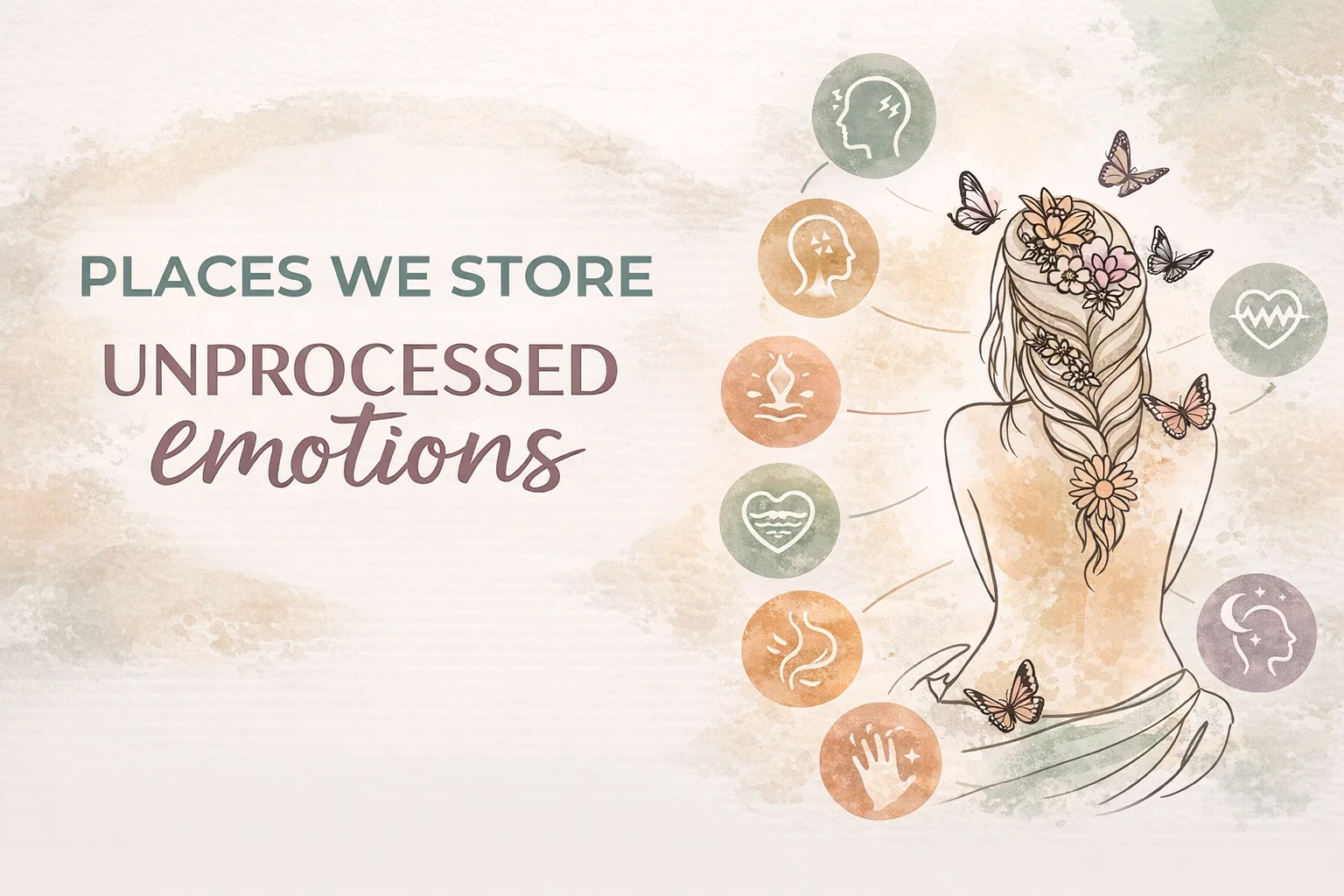
Have you ever noticed how a stressful day at the office often translates into a pounding headache by five o’clock? Or perhaps you have felt a literal weight on your shoulders during seasons of high responsibility. These physical sensations are rarely coincidental. Our bodies serve as intricate maps of our internal landscapes, often acting as the primary storage facility for emotions we haven’t yet found the words to express. This profound connection between our mental state and our physical form is known as somatic awareness, and understanding it can be the key to unlocking a new level of holistic healing.
The Language of the Body
The concept that our bodies “keep the score” is gaining significant traction in both psychological and physiological circles. When we experience a powerful emotion like fear, anger, or grief, our nervous system triggers a cascade of chemical responses. If these emotions are processed and released, the body returns to a state of homeostasis. However, when an emotion is suppressed or ignored, that energy has to go somewhere. It often settles into our muscle tissue, organs, and even our skeletal structure, manifesting as chronic tension or recurring discomfort.
By viewing our physical symptoms not just as problems to be fixed, but as messengers with a story to tell, we can begin to address the root causes of our distress. Instead of simply reaching for a pain reliever, we can ask ourselves what our body is trying to communicate. This shift in perspective transforms our relationship with ourselves from one of frustration to one of deep, compassionate listening.
Headaches and the Burden of Control
Headaches and migraines are among the most common physical complaints linked to emotional state. Frequently, these pains are tied to a perceived loss of control. When we feel that life is spiraling or that we cannot influence the outcomes of our efforts, the tension often migrates to the head. This might manifest as a tight band around the forehead or a sharp, localized pain. It is the body’s way of reacting to the mental strain of trying to manage the unmanageable.
To find relief in these moments, it is helpful to practice surrender. Recognizing that we cannot control every variable in our lives allows the nervous system to downregulate. Incorporating mindfulness practices that focus on the present moment can help shift the focus from future anxieties to current reality, often easing the pressure that builds up behind the eyes and in the temples.
The Voice and Throat: The Weight of Silence
The throat is the center of our communication and self-expression. When we feel oppressed or unable to speak our truth, we may experience a physical sensation of a lump in the throat or frequent clearing of the voice. This area is highly sensitive to the feeling of being silenced, whether by external circumstances or our own internal fears of judgment. Keeping our needs and boundaries bottled up creates a literal constriction in the vocal apparatus.
Opening the Channels of Expression
Healing the throat area involves finding safe outlets for expression. This does not always mean a direct confrontation. It can look like journaling, singing, or even vocalizing in private to feel the vibration of your own voice. When we begin to speak our needs clearly and authentically, the physical tension in the neck and throat often begins to dissipate, replaced by a sense of lightness and freedom.
Neck and Shoulders: Carrying the World
If you carry your stress in your shoulders, you are certainly not alone. The trapezius muscles are notorious for tightening when we feel burdened by excessive responsibilities. This is the physical embodiment of “carrying the weight of the world.” When our professional or personal to-do lists become overwhelming, our shoulders instinctively hunch toward our ears in a protective posture. Over time, this becomes a chronic state of tension that can lead to long-term discomfort.
Addressing this requires a two-pronged approach. Physically, regular stretching and movement can help remind the muscles how to relax. Emotionally, it involves evaluating our boundaries. Learning to say no and delegating tasks are not just productivity hacks; they are essential practices for physical health. By shedding unnecessary mental burdens, we give our shoulders permission to drop and our necks the space to move freely.
Heart and Chest: The Center of Hurt
The chest area is deeply connected to our emotions of love, grief, and hurt. When we experience emotional pain, we often feel a literal ache in the heart. This sensation can feel like a tightness or a hollow pressure. Because the heart is so central to our survival, our bodies naturally want to protect it, leading us to round our shoulders forward and collapse the chest when we are feeling vulnerable or wounded.
Cultivating heart-centered healing involves acknowledging the pain without letting it define us. Deep breathing exercises that expand the ribcage can help physically open this space. Gently stretching the chest through yoga poses like Cobra or Bridge can counter the protective hunch and signal to the brain that it is safe to be open again. Compassion, both for oneself and others, acts as a powerful balm for a heavy heart.
Stomach and Intestines: The Seat of Fear
The gut is often referred to as the “second brain” due to its vast network of neurons. It is no surprise then that our digestive system is incredibly sensitive to our emotional state. Fear and anxiety are famous for causing “butterflies” or, in more severe cases, chronic digestive issues. When we are in a state of high alert, the body diverts energy away from digestion and toward the limbs for a fight or flight response. If fear becomes a constant companion, the digestive system never quite gets the energy it needs to function optimally.
Nurturing the Gut-Brain Connection
To soothe a fearful gut, we must focus on signals of safety. Warmth, gentle pressure, and slow, rhythmic breathing can calm the enteric nervous system. Diet also plays a role, as supporting our gut microbiome can actually improve our resilience to stress. When we address the underlying fears that keep our stomach in knots, we often find that our digestive health improves alongside our mental clarity.
Lower Back Pain and Unresolved Anger
The lower back is a primary support structure for the body, and it is also a common hiding place for repressed anger and frustration. Anger is a high-energy emotion that demands action. When we suppress that energy instead of channeling it into productive change or healthy release, it can settle into the lumbar region. This often manifests as a stiff, rigid back or sudden spasms that seem to come out of nowhere.
Finding a healthy outlet for anger is crucial for lower back health. This might involve physical exercise, assertive communication, or creative endeavors. By allowing the energy of anger to move through the body rather than stagnating in the spine, we maintain the flexibility and strength needed to navigate life’s challenges. Moving the hips and lower spine through dance or targeted stretching can also help release these stored frustrations.
Insomnia and the Loss of Self
Insomnia is more than just a struggle to fall asleep; it is often a symptom of a deeper disconnection. When we lose our sense of self or feel unaligned with our true purpose, the mind tends to race at night. The quiet of the evening brings the internal static to the forefront, making it impossible to rest. This loss of self can stem from burnout, people-pleasing, or ignoring our own creative impulses.
Restoring sleep often requires restoring the connection to the self. Setting aside time for hobbies that bring joy, practicing meditation, and creating a sacred evening ritual can help ground the energy. When we feel at home in our own skin and clear about our path, the mind naturally finds it easier to quiet down and transition into a restful state.
Fatigue and the Poison of Resentment
Chronic fatigue that persists despite adequate rest is frequently linked to resentment. Resentment is an incredibly “heavy” emotion that drains our vital energy. It is the result of feeling wronged but being unable or unwilling to address the situation. Carrying around old grudges and “should-haves” is like running an intensive background program on a computer; it consumes all the processing power, leaving very little for the tasks at hand.
The antidote to this specific type of fatigue is forgiveness and release. This does not mean condoning harmful behavior, but rather choosing to stop carrying the emotional weight of it. As we let go of resentments, we often experience a dramatic surge in physical energy. It is as if a literal weight has been lifted, allowing us to move through our days with newfound vitality and enthusiasm.
Numbness and the Echoes of Trauma
In some cases, the body doesn’t respond with pain, but with numbness. This is often a survival mechanism in response to trauma. If an experience is too overwhelming to process in the moment, the nervous system may “shut down” certain areas to protect the individual from further distress. This physical dissociation can make it difficult to feel present in one’s own body.
Healing from this state requires a very gentle, patient approach. Somatic experiencing and trauma-informed therapies focus on slowly re-establishing a sense of safety within the body. By moving at a pace the nervous system can handle, individuals can gradually reclaim their physical sensations and integrate their experiences, moving from a state of numbness to one of vibrant, felt presence.
Embracing the Journey of Somatic Healing
Understanding the places where we store unprocessed emotions is not about self-diagnosis or finding a quick fix. It is about embarking on a lifelong journey of self-discovery and holistic wellness. Our bodies are remarkably resilient and possess an innate wisdom that is always working toward balance. By paying attention to the signals they send, we can become active participants in our own healing process.
Start small. The next time you feel a familiar ache or tension, take a moment to breathe into that space. Ask yourself what that part of your body might be feeling emotionally. You might be surprised by the answers that arise when you truly listen. As you clear the emotional clutter from your physical form, you make room for more joy, more energy, and a deeper connection to the world around you.
Remember that this process takes time. We didn’t store these emotions overnight, and they won’t all be released in a single session. Be patient and kind to yourself as you navigate these internal maps. The reward for this work is a body that feels like a sanctuary rather than a prison, and a mind that is clear, calm, and ready to embrace all the beauty that life has to offer. Your body has been speaking to you for a long time; now is the perfect moment to start listening.