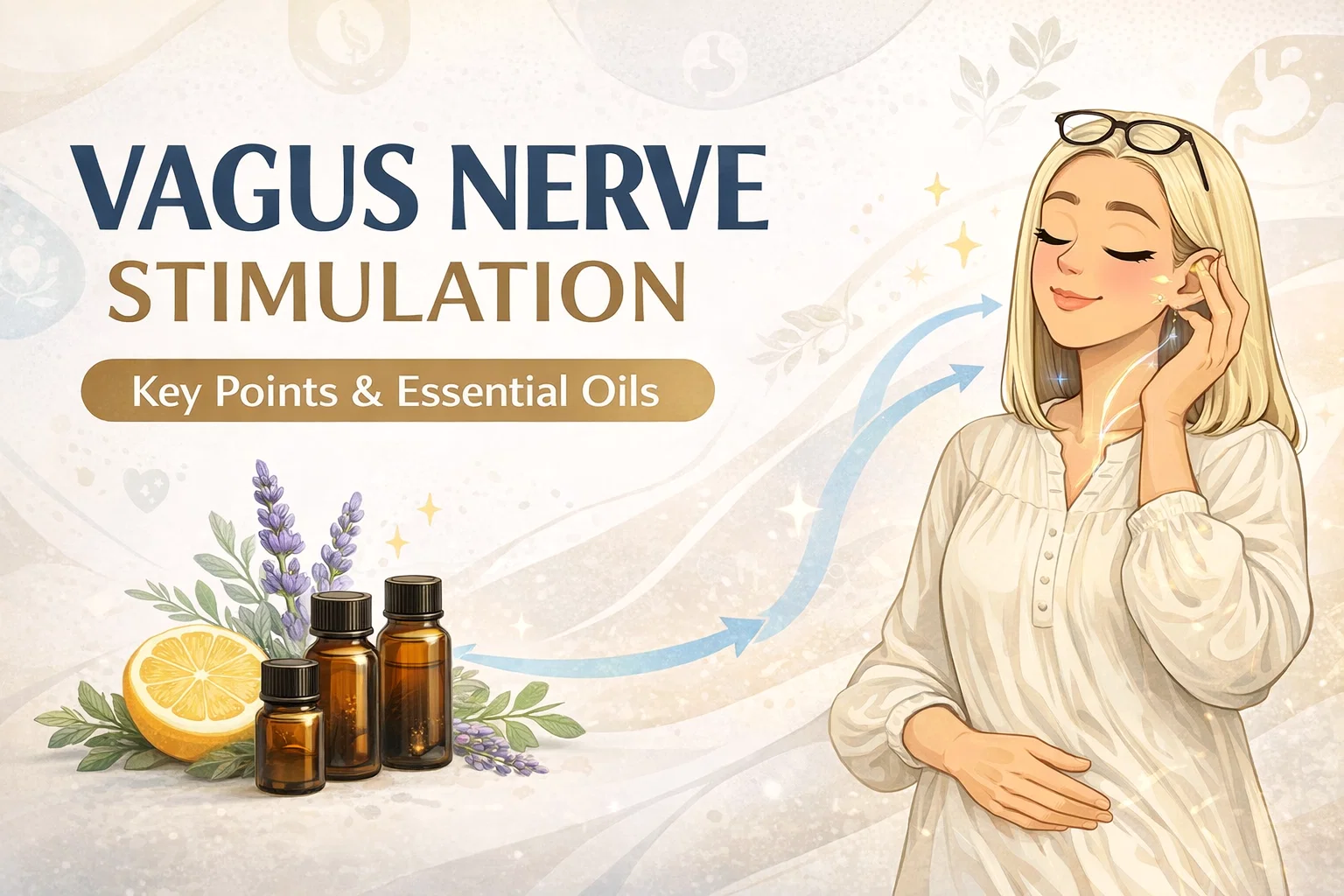
Vagus Nerve Stimulation Techniques Essential Oils and Self-Care Practices for Calming
Have you ever felt like your body is constantly running in high gear, stuck in a state of stress that you just cannot shake? It is a common struggle in our fast paced world, but the secret to finding calm might be simpler than you think. It all comes down to the vagus nerve, a powerful part of your nervous system that acts as the bridge between your brain and your body. By understanding how to activate this nerve, you can shift from a state of fight or flight into rest and digest, helping you feel grounded and peaceful again.
Shutterstock
Understanding the Vagus Nerve and Your Stress Response
The vagus nerve is the longest cranial nerve in your body. It wanders from your brain stem all the way down to your abdomen, connecting to your heart, lungs, and digestive tract along the way. Think of it as the master switch for your parasympathetic nervous system, which is responsible for your body’s ability to relax and recover.
When this nerve is not functioning optimally, you might experience persistent anxiety, digestive issues, or difficulty catching your breath. However, when you intentionally stimulate the vagus nerve, you send a signal to your brain that it is safe to relax. This is where simple techniques involving gentle touch and essential oils can be incredibly transformative.
Key Areas for Vagus Nerve Stimulation
You do not need fancy equipment or a professional massage therapist to soothe your nervous system. Several key points on your body can be targeted to encourage a calming response. Here is how you can use intentional touch and aromatherapy to reclaim your calm.
The Ear and Tragus
The ear is a fantastic gateway to the vagus nerve. By gently massaging the tragus area, you can stimulate nerve endings that directly influence your heart rate and emotional state. Start by applying a diluted, soothing essential oil like frankincense or lavender to your fingertips. Use slow, downward strokes and focus on making your exhale longer than your inhale to maximize the calming effect.
The Side of the Neck
The side of the neck houses a major vagal pathway. Because this area is so closely connected to the brain and body communication loop, light touch here can be very effective. As you stroke downward along the side of the neck, concentrate on taking slow, rhythmic breaths. This practice is particularly helpful when you feel a sense of panic or tension rising in your chest.
The Chest and Emotional Regulation
When we are stressed, our chest often feels tight and restricted. Placing your hand over your heart or chest with a calming essential oil like rose or a gentle floral blend can act as a reset button. Close your eyes and focus on breathing until you feel your shoulders drop and the tension leave your upper body.
Mindful Practices Beyond Touch
While oils and touch are wonderful, they work best when combined with mindful physical actions. The body is interconnected, and how you use your muscles and breath can heavily influence your internal state.
The Power of Your Voice
Sound is a direct way to soothe the system. Hum, sigh, or sing to yourself. The vibration created in your chest and throat helps to settle the nervous system quickly. Focus on feeling the sound in your body, and always pair it with a slow, long exhale.
Jaw and Eye Movements
We often carry a massive amount of physical stress in our jaw. By consciously relaxing this hinge and even adding a small yawn, you can signal safety to your brain. Similarly, your eyes are linked to your nervous system. By keeping your head still and slowly looking from left to right, you can engage your parasympathetic response. Notice your surroundings, breathe deeply, and prioritize that extended exhale.
Shutterstock
The Role of Aromatherapy in Calming
Essential oils do more than just smell good. They interact with your limbic system, the part of the brain that controls emotions. Using oils like balance, lavender, or ginger during your vagus nerve exercises can enhance the therapeutic experience.
- Lavender: Known for its classic ability to promote relaxation and sleep.
- Frankincense: Frequently used for grounding and deep, meditative breathing.
- Ginger or Digestive Blends: Excellent for applying to the belly to help the body feel safe and settled during digestion.
Integrating These Practices Into Your Day
Consistency is more important than duration. You do not need an hour of free time to see benefits. Even two minutes of conscious breathing, a quick neck massage, or humming while you work can make a significant difference in your daily stress levels. Create a routine that fits your lifestyle. Keep a small bottle of your favorite calming oil near your desk or on your nightstand to remind yourself to take a moment for your nervous system.
Conclusion
Your journey to a calmer, more regulated life is entirely within your reach. By understanding the role of your vagus nerve and implementing these simple, natural tools, you take control of how you respond to the stresses of everyday life. Whether you are using the soothing power of scent, the grounding sensation of touch, or the restorative vibration of your own voice, every small action adds up. Start with one technique that resonates with you and notice how your body responds. You have the power to create your own sanctuary of peace, one breath at a time.
Would you like me to create a printable guide or a checklist based on these techniques for your readers?