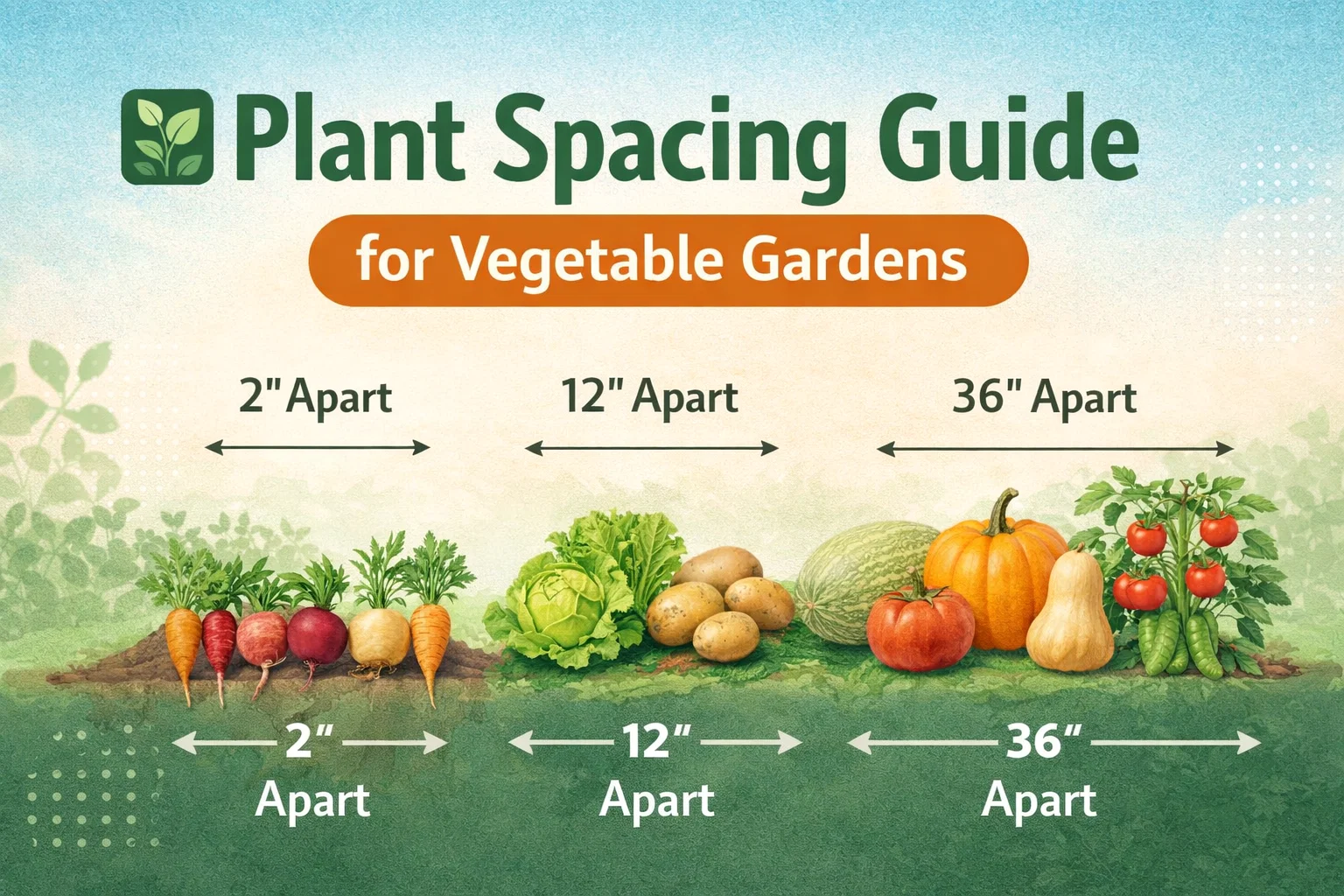
Vegetable Garden Spacing Guide How Far Apart to Plant Your Veggies Infographic
Starting a vegetable garden is one of the most rewarding journeys you can embark on, but it often comes with a steep learning curve. One of the most common mistakes beginner gardeners make is crowding their plants. We all want to fit as many delicious vegetables as possible into our garden beds, but packing them in too tightly can lead to stunted growth, poor air circulation, and a disappointing harvest. Understanding the specific spacing requirements for different crops is the secret to a thriving, high yielding backyard plot. By giving each plant the room it needs to breathe and expand, you ensure that it has access to the nutrients, sunlight, and water required to reach its full potential.
Why Proper Plant Spacing Matters for Your Garden
Before we dive into the specific measurements for your favorite vegetables, it is important to understand the science behind why spacing is so critical. Plants are living organisms that compete for resources. When they are placed too close together, their root systems tangle and fight over the same pocket of soil nutrients and moisture. This competition often results in smaller vegetables and weaker plants that are more susceptible to environmental stress.
Furthermore, air circulation is a major factor in plant health. In a crowded garden, humidity can get trapped between the leaves, creating a breeding ground for fungal diseases like powdery mildew or blight. By following a proven spacing guide, you allow the wind to move through the foliage, keeping the leaves dry and the ecosystem balanced. Finally, proper spacing makes your life as a gardener much easier. It provides clear paths for weeding, mulching, and harvesting without accidentally stepping on or damaging your hard earned produce.
The Heavy Hitters: Crops That Need 36 Inches of Space
Some plants are naturally more aggressive or expansive than others. These heavy hitters require a significant amount of territory to flourish. Usually, these are vining plants or those that grow into large, bushy structures. Providing 36 inches, or 3 feet, of space ensures these giants do not overtake their neighbors.
Melons and Pumpkins
Watermelons, cantaloupes, and pumpkins are notorious for their long, wandering vines. These plants can easily spread ten feet or more from the main root. While the root system stays in one place, the foliage needs room to sprawl so the large leaves can soak up the sun. If you crowd these, you will find it nearly impossible to walk through your garden without crushing the vines.
Tomatoes and Winter Squash
Indeterminate tomatoes can grow quite tall and wide. Even with cages or stakes, they need about 3 feet of space to prevent the branches from interlocking with other plants. Similarly, winter squash varieties like butternut or acorn squash need this wide berth to develop their thick skins and reach full size before the first frost hits.
The Mid Range Growers: 24 Inches Apart
The next category includes some of the most popular kitchen staples. These plants do not necessarily crawl across the ground like a pumpkin, but they do grow into substantial bushes or large heads. Giving them 2 feet of space is the sweet spot for maximum production.
Zucchini and Peppers
Zucchini is a prolific producer, but a single plant can take up a huge amount of horizontal space. Its large, prickly leaves shade out anything too close. Peppers, while more upright, benefit from 24 inches of spacing to ensure the heavy fruit gets enough light to ripen from green to red or yellow. This gap also makes it easier to spot pests like aphids or hornworms before they cause a major problem.
Cabbage and Cauliflower
Brassicas like cabbage and cauliflower are deceptive. They start as small starts, but as they mature, their outer leaves fan out significantly. To get a tight, heavy head of cabbage or a pristine white head of cauliflower, you must ensure the plant is not competing for nitrogen in the soil. Two feet of spacing allows these heavy feeders to get exactly what they need from the earth.
The One Foot Rule: 12 Inches of Spacing
Many of our leafy greens and versatile root crops fall into the 12 inch category. This is often the standard spacing for many raised bed gardening techniques because it balances intensive planting with enough room for healthy growth.
Lettuce and Celery
While you can grow baby lettuce greens quite close together, if you want full heads of Romaine or Butterhead lettuce, 12 inches is the gold standard. This allows the head to fill out without the bottom leaves rotting from excess moisture. Celery is another crop that likes a bit of breathing room. Since it is a water intensive plant, spacing it at one foot ensures that each stalk can pull enough hydration from the soil to stay crisp and sweet.
Potatoes and Fennel
Potatoes grow underground, but their top foliage can become quite lush. Spacing them 12 inches apart gives you enough room to hill the soil around the base of the plant, which is essential for protecting the developing tubers from sunlight. Fennel, with its feathery fronds, also thrives at this distance, allowing its bulbous base to expand without being squeezed by nearby plants.
Compact and Efficient: 6 to 8 Inches Apart
As we get into smaller vegetables, we can start to plant more intensively. These crops are perfect for filling in gaps in your garden layout or for planting in smaller containers and window boxes.
- Spinach: This leafy green is happy with just 6 to 8 inches. It grows relatively quickly and can be harvested leaf by leaf.
- Bush Beans: Unlike pole beans that climb, bush beans stay low to the ground. They are efficient producers and do well when clustered slightly.
- Peas: While they love to climb a trellis, the base of the plants can be spaced closely together.
- Green Onions: These take up very little horizontal space, making them the perfect filler crop for the edges of your garden beds.
The High Density Crops: 2 to 4 Inches Apart
Finally, we have the root vegetables and small bulbs. These are the most space efficient crops in the garden. Because most of their growth happens vertically underground, you can fit a surprising amount of food into a very small square footage.
Carrots and radishes are the stars of this category. You can sow these seeds quite thickly and then thin them out to about 2 or 3 inches as they grow. Beets and onions need a little more room, closer to 4 inches, so the bulbs have space to swell. Parsnips, which stay in the ground for a long time, also appreciate that extra inch or two to ensure they grow long and straight without hitting a neighbor’s root.
Tips for Maximizing Your Small Garden Space
If you have a limited amount of space, do not feel discouraged by these requirements. There are several ways to work with these spacing rules while still getting a huge harvest. One popular method is vertical gardening. By using trellises for your cucumbers, peas, and even some smaller squash, you can turn a 36 inch requirement into a 6 inch footprint at the base of the trellis.
Another technique is intercropping. This involves planting a fast growing crop, like radishes, in the space between slow growing crops, like tomatoes. By the time the tomato plant needs that full 36 inches of space, the radishes will have already been harvested and eaten. This allows you to use every square inch of your soil throughout the growing season.
The Importance of Thinning Your Seedlings
Regardless of the spacing guide you use, you will likely end up with plants that are too close together if you sow seeds directly into the garden. Thinning is the process of removing the extra seedlings to leave only the strongest ones at the recommended intervals. It can be hard to pull up perfectly healthy little plants, but it is a necessary step. If you leave them crowded, none of the plants will produce well. Think of it as choosing the champions that will feed your family.
Building a Sustainable Garden Layout
When you sit down to plan your garden, use a map to visualize these distances. Use a ruler to draw out your beds and place dots where each plant will go based on the inches required. This prevents the common “nursery impulse” where you buy twenty beautiful starts but only have room for five. A well planned garden is a sustainable garden. When plants have the right spacing, they are stronger, which means you will spend less time fighting diseases and more time enjoying the fruits of your labor.
Remember that these numbers are guidelines. Factors like your soil quality, the specific variety of the vegetable, and your local climate can play a role. However, sticking to these standard measurements will give you the best possible start. Gardening is a lifelong learning process, and every season gives you a chance to refine your technique and see what works best in your unique backyard environment.
Conclusion: Success Starts with the Right Foundation
Achieving a bountiful harvest is not just about seeds and water; it is about respect for the natural growth habits of each plant. By following a simple spacing guide, you are providing the foundation for a healthy garden ecosystem. From the sprawling vines of a pumpkin to the tiny, upright stalks of a carrot, every vegetable has its own needs. When you meet those needs, the plants reward you with vibrant colors, incredible flavors, and a sense of accomplishment that only a gardener can understand. So, grab your measuring tape, head out to the dirt, and start planting with confidence. Your future self, standing in a garden full of ripe, healthy vegetables, will thank you for the extra room you provided today.