Vitamin A Guide Benefits, Sources Absorption Tips
Understanding the building blocks of our health often feels like piecing together a complex puzzle, but some pieces are more foundational than others. Vitamin A stands as a powerhouse among essential nutrients, acting as a silent guardian for everything from the clarity of your vision to the strength of your immune system. While we often hear about the importance of a balanced diet, truly grasping how specific vitamins function can be the turning point in your wellness journey. This guide dives deep into the world of Vitamin A, exploring its dual forms, its remarkable biological roles, and how you can optimize your intake through simple, natural food choices.
The Vital Roles of Vitamin A in the Human Body
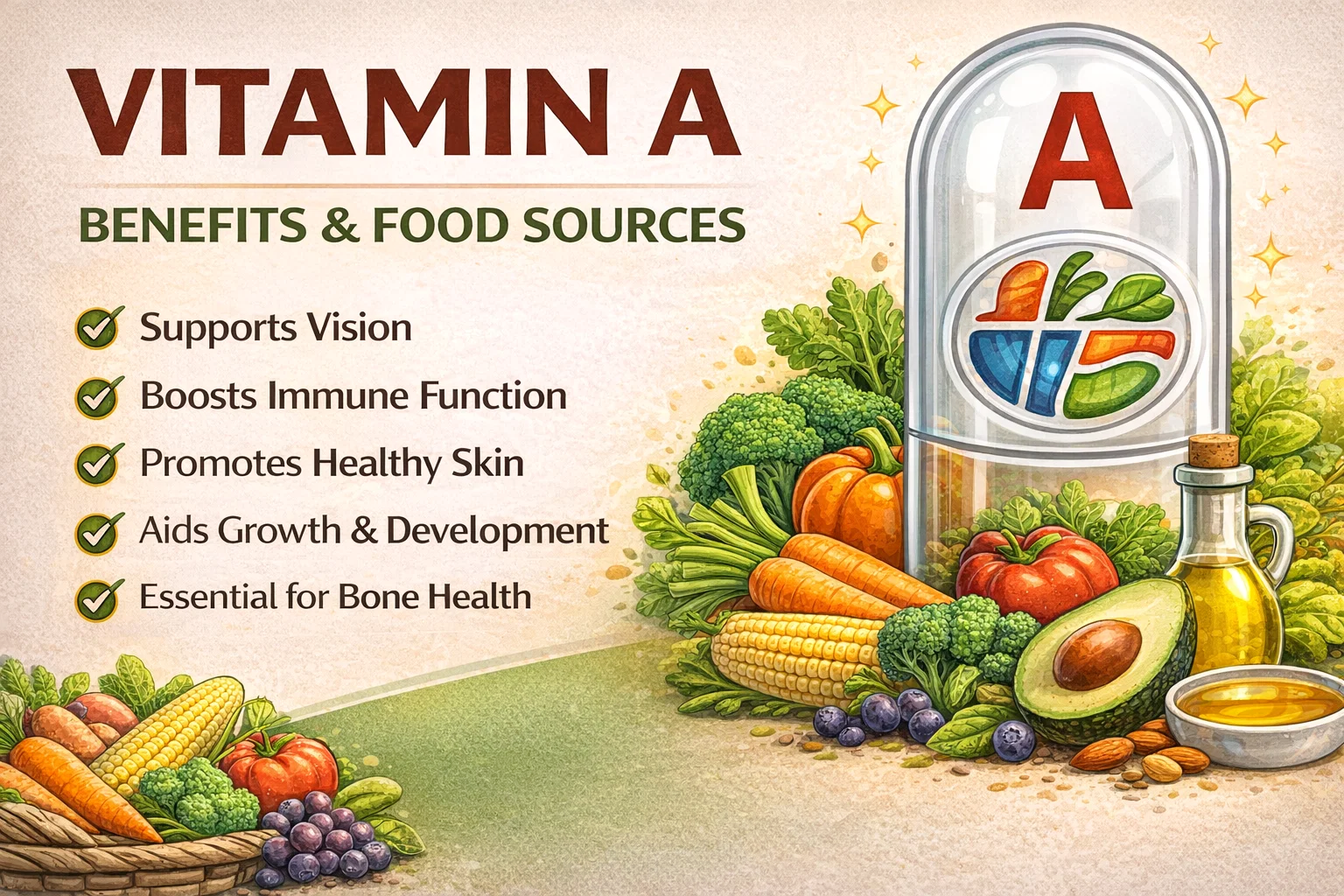
Vitamin A is far more than just a nutrient for your eyes. It is a fat-soluble compound that the body requires for a vast array of physiological processes. One of its most well-known functions is supporting normal vision. It is a critical component of rhodopsin, a protein in your eyes that allows you to see in low-light conditions. This is why a deficiency is often first signaled by difficulty seeing at night. Beyond sight, Vitamin A is a major player in cell growth and differentiation, ensuring that your skin remains a healthy, functional barrier against the environment.
Your immune system also relies heavily on this nutrient. It helps maintain the structural integrity of mucosal barriers in the lungs, gut, and mouth, which serve as the first line of defense against pathogens. Furthermore, Vitamin A is essential for the production and function of white blood cells, which capture and clear bacteria and other organisms from your bloodstream. From supporting bone health to ensuring proper tooth development in children, the reach of this vitamin is truly comprehensive.
The Two Faces of Vitamin A: Retinol vs. Beta-Carotene
Not all Vitamin A is created equal. When you look at the labels on your supplements or the nutritional profile of your food, you will likely see two distinct categories: Preformed Vitamin A and Provitamin A. Understanding the difference is key to managing your intake safely and effectively.
Preformed Vitamin A (Retinol)
Preformed Vitamin A, or retinol, is the active form of the vitamin. It is found primarily in animal-based foods such as dairy products, fish, and meat (especially liver). Because it is already in its active state, the body can use it directly without any chemical conversion. While this makes it highly efficient, it also means the body can store it in the liver, leading to potential toxicity if consumed in excessive amounts through concentrated supplements.
Provitamin A (Beta-Carotene)
Provitamin A carotenoids, with beta-carotene being the most famous, are found in colorful plant foods like carrots, sweet potatoes, and spinach. Unlike retinol, these are precursors. The body must convert them into active Vitamin A as needed. This conversion process is naturally regulated; if your body has enough Vitamin A, it slows down the conversion of beta-carotene. This makes plant-based sources an incredibly safe way to get your daily dose without the risk of toxicity associated with animal-derived retinol.
Natural Food Sources: Filling Your Plate with Color
The best way to meet your nutritional needs is through a diverse and colorful diet. Mother Nature has conveniently color-coded many of our best Vitamin A sources. Typically, bright orange, yellow, and deep green vegetables are your best bet for Provitamin A, while high-quality animal products provide the Preformed version.
- Carrots and Sweet Potatoes: These are the gold standard for beta-carotene. Just one medium sweet potato can provide well over the daily recommended value.
- Leafy Greens: Spinach, kale, and collard greens are packed with carotenoids that your body loves to transform into usable energy.
- Animal Sources: Grass-fed butter, egg yolks, and oily fish like salmon provide retinol in a form that is easily absorbed.
- Colorful Fruits: Cantaloupe, mangoes, and apricots add a sweet way to boost your intake.
Daily Requirements and Recommended Intake
How much Vitamin A do you actually need? The requirements vary based on age, sex, and life stage. Nutritionists measure these amounts in Retinol Activity Equivalents (RAE) to account for the different absorption rates of various forms. Generally, the guidelines are as follows:
- Men: Approximately 900 mcg RAE per day.
- Women: Approximately 700 mcg RAE per day (with increased needs during lactation).
- Children: Ranging from 400 to 600 mcg RAE depending on their specific age group.
While these numbers might seem technical, achieving them is relatively simple with a diet rich in whole foods. A single serving of carrots or a side of sautéed spinach often covers a significant portion of these daily goals.
The Science of Absorption: The Role of Healthy Fats
You could eat a mountain of carrots and still find yourself lacking Vitamin A if you are not careful about how you prepare them. Vitamin A is fat-soluble, meaning it requires the presence of dietary fat to be absorbed by the digestive tract. If you eat a plain raw carrot, your body may only absorb a small fraction of the available beta-carotene.
To maximize the benefits, always pair your Vitamin A-rich vegetables with a source of healthy fat. This could be as simple as drizzling olive oil over your roasted sweet potatoes, adding a few slices of avocado to your salad, or tossing your kale with a handful of walnuts. These fats trigger the release of bile, which helps break down the vitamins and carry them across the intestinal wall into your system.
Understanding Vitamin A Deficiency
In many developed nations, a severe Vitamin A deficiency is relatively rare because of food fortification and diverse diets. However, it remains a significant public health concern in many parts of the world where food access is limited. When deficiency does occur, the consequences can be quite serious. It is the leading cause of preventable blindness in children worldwide and can significantly weaken the immune system, making common infections much more dangerous.
Symptoms of a mild deficiency might include dry skin, dry eyes, or a noticeable decrease in the ability to see clearly at night. If you suspect your levels are low, it is always best to consult with a healthcare professional before jumping into high-dose supplementation, as the balance of this vitamin is delicate.
Safety First: The Risks of Excess Intake
While we often focus on getting enough nutrients, with Vitamin A, it is possible to have too much of a good thing. This specifically applies to Preformed Vitamin A (retinol). Because retinol is stored in the body’s fat tissues and liver, it can build up over time to toxic levels, a condition known as hypervitaminosis A. This is most commonly caused by over-supplementation rather than food intake.
Excessive retinol intake is particularly concerning during pregnancy, as it has been linked to birth defects. It is also important for individuals who consume a lot of liver (the most concentrated food source of retinol) to be mindful of their frequency. On the flip side, beta-carotene from plant sources does not carry this toxicity risk. If you consume a massive amount of beta-carotene, the most common side effect is a harmless, temporary orange tint to the skin called carotenemia, which disappears once you reduce your intake.
Key Safety Tips
- Avoid high-dose retinol supplements unless specifically directed by a doctor.
- Focus on plant-based Provitamin A for a safer, self-regulating source.
- Be cautious with liver consumption, limiting it to once or twice a week at most.
- Always check the Vitamin A content in your daily multivitamin to ensure it is within the safe upper limits.
The Impact of Vitamin A on Skin Health and Aging
The beauty industry has a long-standing love affair with Vitamin A, and for good reason. Retinoids, which are derivatives of Vitamin A, are some of the most researched and proven ingredients for skin health. When applied topically or consumed in the diet, Vitamin A helps promote cell turnover, which can lead to a smoother complexion and a reduction in the appearance of fine lines.
While the graphic notes that Vitamin A does not “prevent” aging in a literal sense, it certainly supports the biological processes that keep our tissues resilient. By encouraging the production of collagen and protecting the skin from oxidative stress, Vitamin A helps maintain that healthy glow. It is also frequently used in the treatment of acne because it helps prevent dead skin cells from clogging pores.
Conclusion: Empowering Your Wellness Journey
Navigating the world of nutrition doesn’t have to be overwhelming. By understanding the essentials of Vitamin A, you are taking a proactive step toward better long-term health. Whether you are adding a splash of olive oil to your spinach or choosing a vibrant sweet potato for dinner, these small choices accumulate into a powerful foundation for your body. Remember to focus on variety, prioritize whole food sources, and always be mindful of the balance between animal-derived retinol and plant-based beta-carotene. Your eyes, your skin, and your immune system will thank you for the extra care. Here is to a brighter, healthier, and more vibrant you!
Would you like me to help you create a meal plan that maximizes Vitamin A absorption or perhaps generate a list of easy recipes featuring these key ingredients?