Vitamin Deficiency Guide Roles, Symptoms Best Food Sources for Essential Nutrients
Have you ever stopped to think about the complex chemical laboratory operating inside your body every single second? Most of us go through our day without considering the tiny molecular workers that keep our hearts beating, our eyes focusing, and our brains processing information. These workers are vitamins, and as the old saying goes, every single one of them has a very specific job to do. When one of these workers goes on strike due to a deficiency, the consequences can ripple through your entire system, affecting everything from your mood to your bone density. Understanding this delicate balance is not just for scientists; it is the ultimate manual for your own longevity and vitality.
The Fundamental Architecture of Human Health
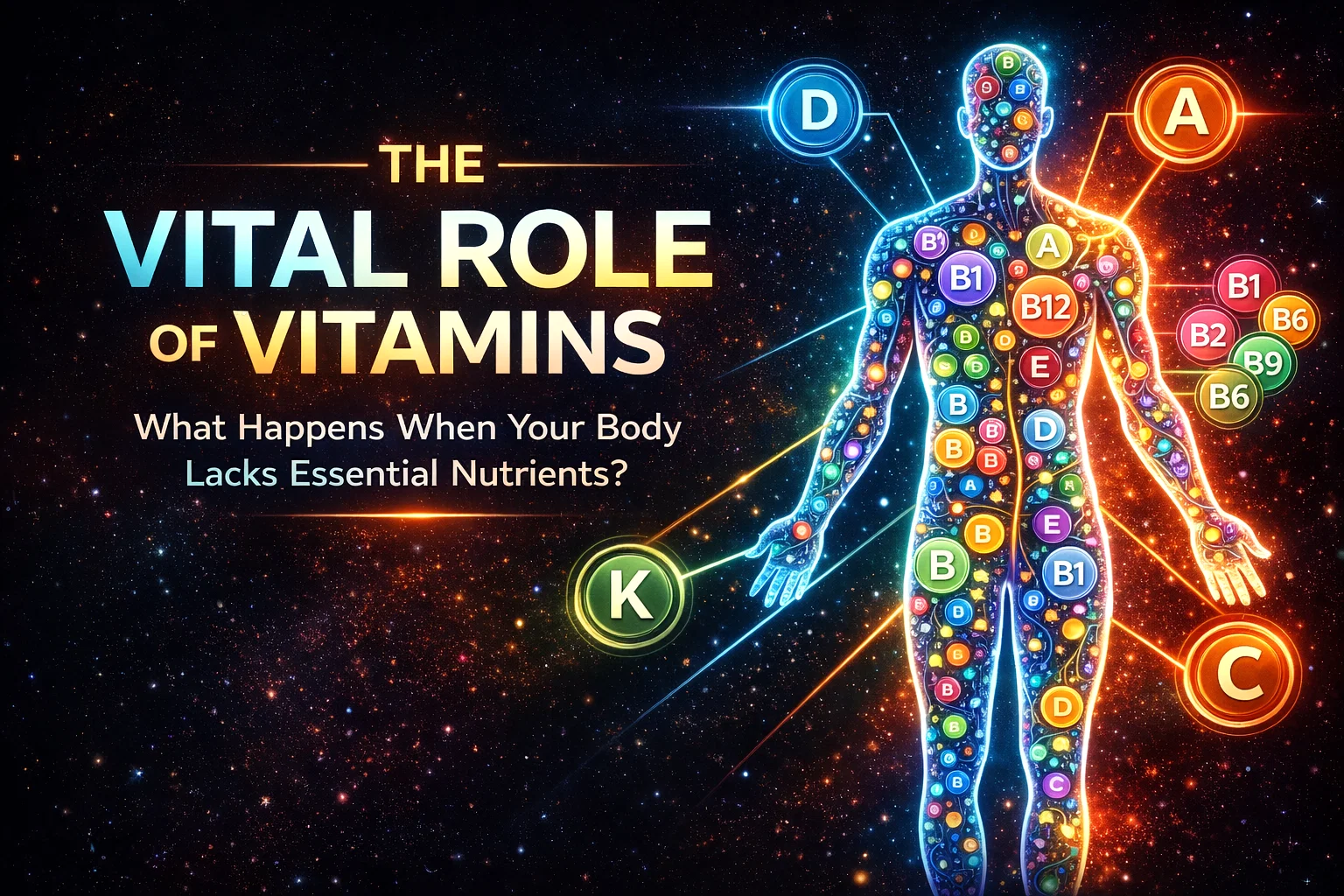
Vitamins are organic compounds that our bodies generally cannot produce in sufficient quantities on their own. This means we are entirely dependent on our diet and environment to supply these essential tools. In the modern world, where processed foods are abundant and soil depletion is a growing concern, getting the right balance of nutrients has become more of a challenge than ever before. The image of the human body glowing with various nutrient markers reminds us that we are essentially a walking map of biochemical reactions. Each letter, from A to K, represents a specific key that unlocks a biological door. If the key is missing, the door stays locked, and the biological process behind it grinds to a halt.
Biochemically speaking, vitamins often act as coenzymes. This means they assist enzymes in sparking the chemical reactions necessary for life. Imagine an enzyme as a car and a vitamin as the ignition key. Without that key, the car is just a hunk of metal sitting in the driveway. Whether it is converting the food you eat into usable cellular energy or repairing DNA damaged by environmental toxins, vitamins are the silent heroes of the human experience.
Vitamin D: The Sunshine Prohormone
Vitamin D is often referred to as the sunshine vitamin, but it is actually more of a hormone than a traditional vitamin. Its primary role is to maintain bone strength by regulating calcium and phosphorus levels in the blood. However, its influence extends far beyond the skeletal system. Recent research has highlighted its critical role in hormone balance and immune system modulation. When you have sufficient Vitamin D, your body is better equipped to fight off pathogens and maintain a stable, positive mood.
Recognizing Vitamin D Deficiency
Because so many of us spend our days indoors, Vitamin D deficiency has reached epidemic proportions. The signs are often subtle at first but can become debilitating over time. Common indicators include:
- Chronic Fatigue: Feeling tired even after a full night of sleep.
- Low Mood: A direct link has been found between low Vitamin D levels and seasonal affective disorder.
- Hormone Imbalance: Struggles with reproductive health or metabolic rate.
- Weakened Immunity: Catching every cold or flu that goes around the office.
Optimizing Your Absorption
It is not just about taking a supplement; it is about how you take it. Vitamin D is fat soluble, meaning it requires dietary fat to be absorbed into your bloodstream. Pairing your Vitamin D source with healthy fats like salmon, avocado, or eggs is essential. Additionally, Vitamin K2 and magnesium act as coworkers for Vitamin D, ensuring that the calcium it absorbs ends up in your bones rather than your arteries.
Vitamin A: The Guardian of Vision and Immunity
Vitamin A is famous for its role in eye health, specifically your ability to see in low light. It is essential for the health of the retina and the maintenance of clear vision. But Vitamin A is also a powerhouse for the immune system and skin health. It helps maintain the mucosal barriers in your nose, throat, and gut, which serve as the first line of defense against infection. Furthermore, it promotes cellular turnover, which is why it is a darling of the skincare industry in the form of retinoids.
A deficiency in Vitamin A often manifests as night blindness, where it becomes difficult for the eyes to adjust to the dark. You might also notice dry, itchy eyes or skin that feels perpetually flaky and irritated. To keep your levels topped up, look toward colorful sources like carrots, sweet potatoes, and leafy greens, as well as animal sources like liver and eggs, which provide the most bioavailable form of the nutrient.
The B Team: Your Internal Power Plant
The B-vitamin complex is a massive group of water soluble nutrients that work in tandem to manage your energy levels, brain function, and cellular metabolism. While each B vitamin has a unique role, they are often found together in the same foods and work better as a team than they do in isolation. They are the primary drivers behind the production of ATP, the currency of energy in the human body.
Focus on Vitamin B12
Vitamin B12 is perhaps the most famous member of the B team. It is crucial for building DNA, protecting nerve cells, and supporting the production of red blood cells. Because B12 is primarily found in animal products like meat, fish, and dairy, those on plant based diets must be particularly vigilant about supplementation. A deficiency in B12 can lead to anemia, a persistent tingling sensation in the hands and feet, memory fog, and significant mood swings. For many people, using the methylated form of B12 is superior because it is already in a state the body can use immediately without further conversion.
The Roles of B1 through B9
The rest of the B team, including Thiamine (B1), Riboflavin (B2), Niacin (B3), Pantothenic Acid (B5), Pyridoxine (B6), Biotin (B7), and Folate (B9), are the backbone of your neurological health. They help synthesize neurotransmitters like serotonin and dopamine, which regulate your happiness and motivation. If you find yourself struggling with low focus, numbness, or constant fatigue, your B team might be understaffed. Whole grains, nuts, beans, and leafy greens are excellent ways to recruit these workers back into your system.
Vitamin C: The Master Antioxidant
When most people think of Vitamin C, they think of orange juice and the common cold. While it is a major supporter of immunity, its roles are much more diverse. Vitamin C is a powerful antioxidant that protects your cells from oxidative stress and free radical damage. It is also the primary building block for collagen, the protein that keeps your skin elastic, your joints moving smoothly, and your blood vessels strong.
Signs of a deficiency include weak immunity and surprisingly slow wound healing. If a small cut takes weeks to disappear, your body might be crying out for more Vitamin C. Since the human body cannot store Vitamin C, you need a fresh supply every single day. Citrus fruits are the classic choice, but strawberries and bell peppers are actually even more concentrated sources of this vital nutrient.
Vitamin K: The Director of Traffic
Vitamin K is often the most overlooked vitamin, yet it performs a life saving function: blood clotting. Without Vitamin K, the body cannot stop bleeding after an injury. Beyond clotting, Vitamin K acts as a traffic director for calcium. While Vitamin D helps you absorb calcium, Vitamin K ensures that the calcium goes into your bones and teeth instead of depositing in your soft tissues and arteries where it can cause heart issues.
A deficiency can lead to easy bruising or more serious internal bleeding issues. To ensure you have enough Vitamin K, you should look toward fermented foods like sauerkraut or kimchi, as well as dark leafy greens like broccoli and kale. Like Vitamin D, Vitamin K is fat soluble, so don’t skip the olive oil on your salad if you want to reap the full benefits.
The Synergy of Nutrients: Better Together
One of the most important takeaways from analyzing how vitamins work is the concept of synergy. No vitamin works in a vacuum. The interaction between Vitamin D, Vitamin K2, and Calcium is a perfect example of a biological relay race. If one runner drops the baton, the whole process fails. This is why a varied, whole food diet is almost always superior to isolated supplements. Nature packages these nutrients together in ways that maximize their effectiveness.
When you eat a piece of wild caught fish, you aren’t just getting Vitamin D; you are getting the healthy fats needed to absorb it, along with B vitamins for energy and minerals that support the whole system. The goal is to create an internal environment where these biochemical functions can occur effortlessly, allowing you to focus on living your life rather than managing symptoms.
Conclusion: Taking Charge of Your Biochemical Health
The journey to optimal health is paved with small, consistent choices. By understanding that every vitamin has a specific job and every deficiency has a real consequence, you move from a passive observer of your health to an active participant. Your body is constantly communicating with you through your energy levels, the clarity of your skin, and the stability of your mood. These aren’t just random occurrences; they are feedback signals regarding your nutritional status.
Start by incorporating more whole, nutrient dense foods into your daily routine. Pay attention to how you pair your foods to maximize absorption, and don’t be afraid to consult with a professional to check your levels through blood work. When you give your body the tools it needs, it has an incredible capacity to heal, thrive, and perform. Remember, you are a complex, beautiful system of biochemical reactions. Feed that system well, and it will reward you with a lifetime of vitality and strength.