Walipini Greenhouse Ideas Year-Round Underground Gardening DIY Sunken Cold Frames
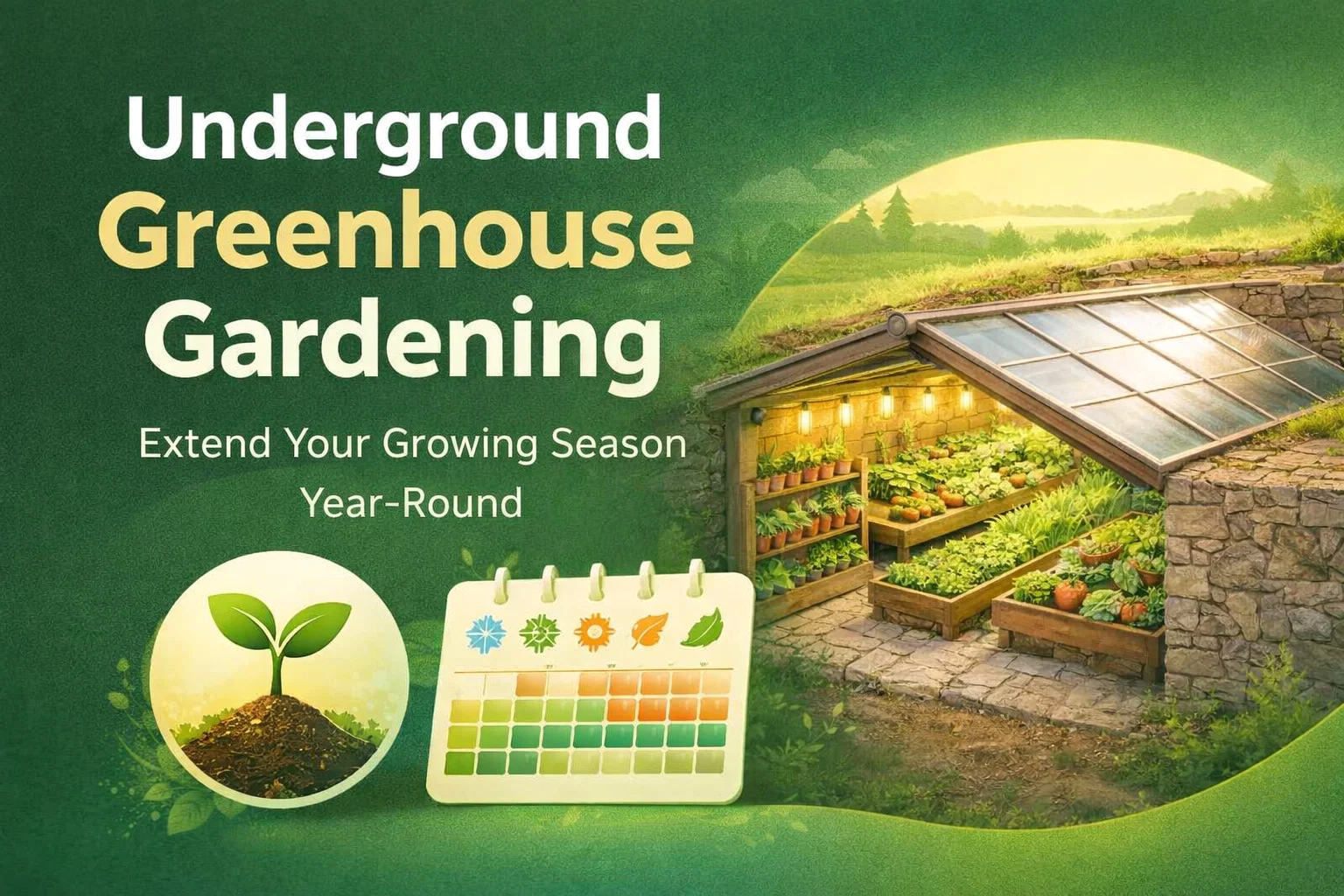
Imagine stepping into your garden on a crisp, frosty morning and harvesting vibrant green lettuce, sun-ripened tomatoes, and fragrant herbs. While most gardeners are busy winterizing their beds and putting their tools away for the season, a small group of innovative growers is enjoying a perpetual spring. The secret lies beneath the surface of the earth. The image of this stunning sunken greenhouse, often referred to as a Walipini, represents the pinnacle of sustainable, year-round cultivation. By harnessing the natural insulation of the ground and the raw power of the sun, you can create a microclimate that defies the external elements. This approach to gardening is not just about extending the season; it is about working in harmony with thermodynamics to create a self-sustaining food source.
The Magic of Thermal Mass in Underground Gardening
The primary reason a sunken greenhouse works so effectively is the concept of thermal mass. Unlike a traditional glass or plastic greenhouse that sits entirely above ground and loses heat rapidly through its walls, a Walipini uses the earth as a massive battery. During the day, the sun penetrates the angled glass roof, warming the interior air and the surrounding soil and stone walls. Because the earth maintains a relatively constant temperature once you get a few feet below the surface, it absorbs this heat and slowly releases it back into the greenhouse during the cold night hours.
This natural temperature regulation means that even when the outside air drops well below freezing, the internal environment of your underground garden stays remarkably stable. In the featured image, you can see the heavy stone masonry lining the back wall. This is not just for aesthetics. These stones act as heat sinks, capturing every bit of solar energy to ensure the plants remain in their comfort zone. It is a primitive yet sophisticated form of climate control that requires zero electricity and very little maintenance once the structure is established.
Designing for Maximum Sunlight Capture
One of the most critical aspects of a successful sunken greenhouse is the angle and orientation of the glazing. To maximize efficiency, the clear roof must be angled to catch the sun at its lowest point in the sky during the winter months. Typically, this means facing the glass toward the south in the northern hemisphere. The steepness of the slope is calculated based on your specific latitude to ensure that the rays hit the glass perpendicularly, minimizing reflection and maximizing penetration.
In the visual example provided, the sleek glass roof is set at a precise incline that allows light to reach every corner of the growing area. Even the lower tiers and the back shelves receive enough ambient light to support growth. By combining this solar gain with the insulating properties of the surrounding earth, you create a pocket of life that thrives while the rest of the landscape lies dormant under snow or frost.
Building Your Own Sunken Sanctuary
Starting a project like this requires more planning than a standard raised bed, but the rewards are significantly higher. The first step is excavation. Depending on your water table and soil type, you will want to dig down between three to five feet. It is essential to ensure that your site has excellent drainage; the last thing you want is for your underground oasis to become a swimming pool during heavy rains. Incorporating a perimeter drain or a gravel base under your walking paths can help manage moisture effectively.
Choosing the Right Materials for Longevity
When building the retaining walls of your greenhouse, durability is key. As seen in the inspiration image, natural stone is an excellent choice because it provides incredible structural support and superior thermal mass. However, you can also use earthbags, rammed earth, or even recycled concrete blocks if you are on a budget. The goal is to create a barrier that can withstand the pressure of the surrounding soil while providing a clean, organized space for your crops.
Wooden elements, like the beautiful raised planters and shelving units shown, add a touch of warmth and organization to the space. Using rot-resistant wood like cedar or black locust ensures that your interior structures will last for years in the humid environment. Notice how the multi-level shelving allows for vertical gardening, which is a fantastic way to maximize a smaller footprint. You can grow heavy feeders like squash on the floor level and light-loving greens on the upper tiers.
Crop Selection for Year-Round Harvesting
What can you actually grow in a Walipini? The possibilities are surprisingly broad. Because the environment is shielded from the wind and extreme temperature swings, you are no longer limited by your local hardiness zone. You can effectively “cheat” the climate by two or three zones, meaning someone in a cold northern climate could potentially grow citrus, figs, or Mediterranean herbs that would normally perish outdoors.
- Leafy Greens: Spinach, kale, arugula, and various lettuces will grow exceptionally well and stay tender without the stress of harsh winds.
- Root Vegetables: Carrots, radishes, and beets benefit from the consistent soil temperature, often growing larger and sweeter than their outdoor counterparts.
- Warm-Season Staples: With proper insulation, you can start your tomatoes, peppers, and cucumbers much earlier in the spring and keep them producing well into the autumn.
- Culinary Herbs: Fresh basil, cilantro, and parsley can be available at your fingertips every day of the year.
Managing Humidity and Ventilation
While keeping heat in is the goal during winter, managing airflow is crucial for plant health. Greenhouses can become very humid, which may lead to fungal issues if not addressed. Incorporating vents at both the high and low points of the structure allows for natural convection. Hot air rises and exits through the top vents, drawing in fresh air from the bottom. This keeps the air moving and ensures your plants have a steady supply of carbon dioxide for photosynthesis.
In the evening or during peak winter, these vents can be sealed tight to trap every bit of warmth. Some gardeners even use insulating blankets or shutters over the glass at night to add an extra layer of protection against the cold. The flexibility of this system is what makes it so appealing to the modern homesteader.
The Lifestyle Benefits of a Sunken Greenhouse
Beyond the practical aspect of food production, there is a profound psychological benefit to having a green space in the middle of winter. The “winter blues” or seasonal affective disorder can be mitigated by spending time in a sun-drenched, plant-filled environment when the world outside is grey. It becomes a sanctuary for the gardener as much as for the plants. The soft glow of the hanging lights in the image suggests that this space is functional even after sunset, making it a peaceful retreat for evening chores or simply relaxing among the greenery.
This approach also promotes a deeper connection to the cycles of nature. You become more in tune with the angle of the sun and the rhythm of the seasons. It encourages a lifestyle of self-reliance and sustainability, reducing your carbon footprint by minimizing the need for store-bought produce that has been shipped thousands of miles.
Practical Tips for Success
If you are ready to break ground on your own version of this underground marvel, keep these tips in mind to ensure your project is a success from day one:
1. Test Your Soil First: Before you dig, understand your soil composition. Heavy clay may require more intense drainage solutions, while sandy soil might need more structural reinforcement to prevent the walls from caving in.
2. Consider the Water Table: If you live in an area with a very high water table, a fully sunken greenhouse might not be feasible. In these cases, a “semi-sunken” design or a bermed greenhouse (where earth is piled against the walls) can offer similar benefits without the risk of flooding.
3. Use High-Quality Glazing: While old windows are a popular DIY choice, investing in double-pane glass or high-quality polycarbonate can significantly improve the R-value of your roof, keeping the interior much warmer on those sub-zero nights.
4. Automate Where Possible: Simple solar-powered fans or automatic vent openers can take the guesswork out of temperature management, ensuring your plants don’t overheat on an unexpectedly sunny day while you are away from home.
A Sustainable Future for Home Gardening
The sunken greenhouse is more than just a trend; it is a return to sensible, low-impact architecture that has been used for centuries in various forms. By integrating our growing spaces into the landscape rather than placing them on top of it, we create more resilient systems that can withstand the challenges of a changing climate. Whether you are an experienced farmer or a backyard enthusiast, the idea of an underground garden offers a path toward food security and a more beautiful, productive yard.
Looking at the lush, organized beds and the sturdy stone walls of this Walipini, it is easy to see why so many people are falling in love with this method. It represents a commitment to quality, a passion for fresh food, and a respect for the natural world. As we look for ways to live more sustainably, the answers are often found right beneath our feet.
Final Thoughts on Your Growing Journey
Building a sunken greenhouse is a significant undertaking, but it is one that pays dividends for a lifetime. You are creating a legacy of health and self-sufficiency that will provide for you and your family for years to come. Start small, do your research, and don’t be afraid to get your hands dirty. The feeling of picking a fresh tomato in the dead of January is a reward that is truly hard to beat. Your journey toward year-round gardening starts with a single shovel full of earth, and the results will be as beautiful and bountiful as the oasis you see here. Happy gardening!