Walking Benefits Transform Your Body and Mind with a Daily Walk Routine
Finding the motivation to stay active can sometimes feel like a daunting task, especially when we are told that only intense, high impact workouts count toward our fitness goals. However, one of the most powerful tools for transformation is already at your disposal and requires nothing more than a pair of comfortable shoes. Walking is often underestimated, yet it serves as a foundational pillar for holistic health and mental clarity. By understanding how your body responds to every minute spent on the move, you can turn a simple stroll into a deliberate journey toward total well-being. This guide explores the biological and psychological shifts that occur from the very first minute you step outside to the profound changes that happen after a full hour of movement.
The Immediate Impact: What Happens in the First Five Minutes
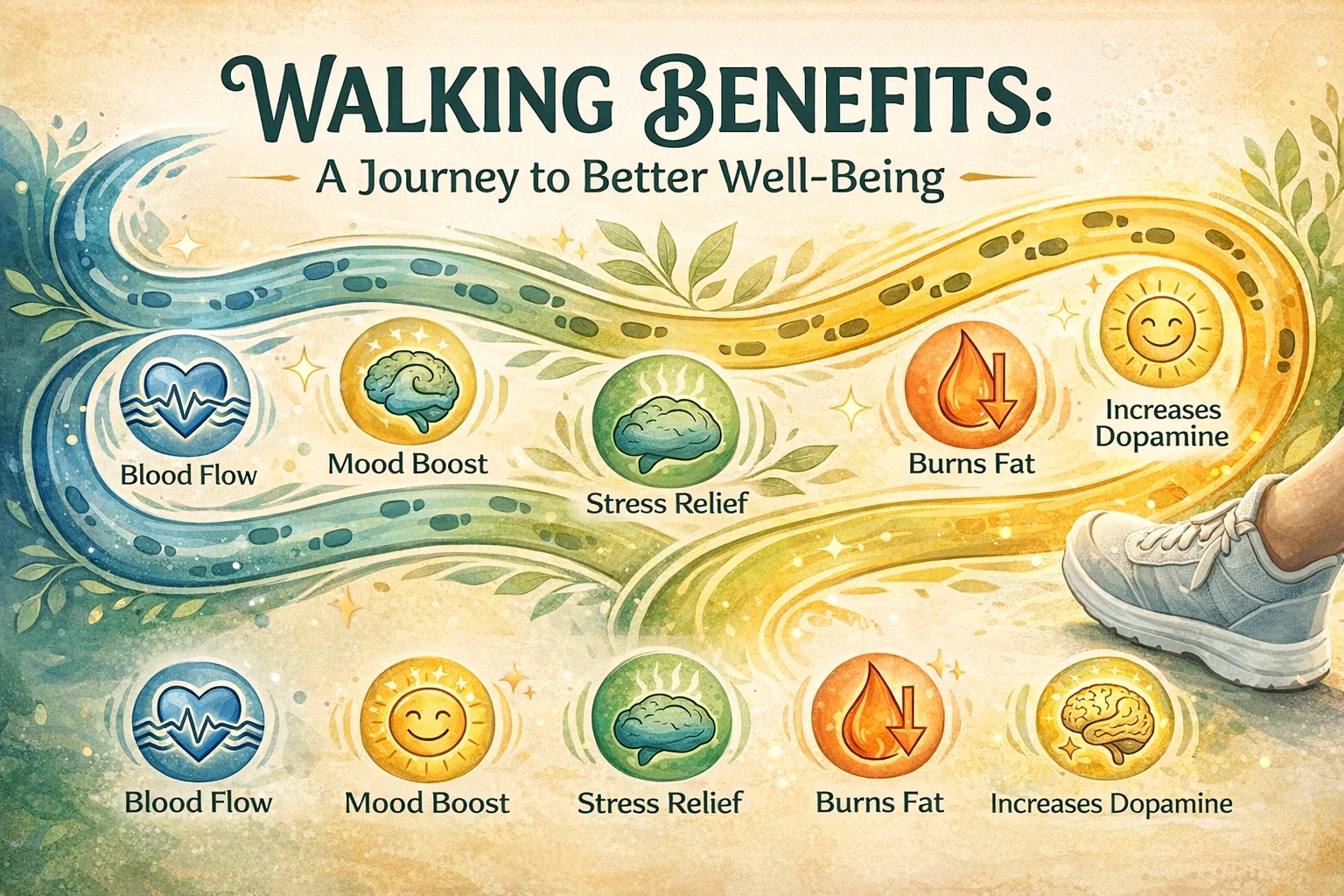
The moment you start walking, your body begins a sophisticated internal recalibration. Within just sixty seconds, your heart rate increases slightly, and blood flow elevates throughout your system. This initial surge is vital because it delivers fresh oxygen and nutrients to your muscles and organs, waking up your metabolism and preparing your limbs for further activity. You might feel a slight warmth spreading through your body as your circulation improves, signaling that your internal engines are starting to hum.
By the time you reach the five minute mark, the benefits shift from the physical to the emotional. A brief walk acts as a natural mood elevator. As your heart pumps more efficiently, your brain begins to release endorphins, the chemicals responsible for that feel-good sensation. This quick transition is often enough to break a cycle of morning grogginess or an afternoon slump. It is the perfect remedy for a stressful workday, providing a near-instant sense of relief and a brighter outlook on the tasks ahead.
The Science of the Five Minute Mood Boost
Studies show that even a very short duration of movement in a natural environment can significantly improve self-esteem and emotional state. This is often referred to as green exercise when done outdoors, but the physiological benefits of increased circulation apply even if you are walking through a hallway or on a treadmill. The key is the shift from a sedentary state to an active one, which tells your nervous system that it is time to be alert and positive.
Ten to Fifteen Minutes: Managing Stress and Blood Sugar
As you continue your journey and hit the ten minute milestone, your body enters a deeper state of regulation. One of the most significant changes at this stage is the reduction of cortisol. Cortisol is often known as the stress hormone, and while it is necessary for certain functions, chronic high levels can lead to anxiety, weight gain, and sleep disturbances. Walking for ten minutes sends a signal to your adrenal glands to slow down the production of cortisol, helping you feel more centered and calm.
Pushing forward to fifteen minutes introduces a critical metabolic benefit: the reduction of blood sugar. When you move your muscles, they require energy in the form of glucose. By walking shortly after a meal, you help your body process that glucose more effectively, preventing sharp spikes in insulin. This makes a fifteen minute walk an incredible tool for long-term metabolic health and weight management. It is a simple habit that can have a profound impact on how your body handles fuel throughout the day.
The Thirty Minute Threshold: Igniting Fat Burning
Many health experts recommend thirty minutes as the sweet spot for daily exercise, and there is a very good reason for this. Around the thirty minute mark, your body undergoes a transition in its fuel source. While the initial stages of exercise rely heavily on readily available carbohydrates, your system now begins to tap into stored fat for energy. This is where the fat burning process truly begins to ignite.
Consistency is the secret ingredient here. By maintaining a steady pace for half an hour, you are training your body to become more efficient at utilizing its energy reserves. This leads to improved cardiovascular endurance and a leaner physique over time. Beyond the physical changes, thirty minutes of walking provides enough time for the mind to wander and settle, acting as a form of moving meditation that strengthens both the heart and the spirit.
Tips for Maximizing Your Thirty Minute Walk
- Maintain a Brisk Pace: Aim for a speed where you can still talk but would find it difficult to sing.
- Focus on Posture: Keep your head up, shoulders relaxed, and swing your arms naturally to engage more muscle groups.
- Vary the Terrain: If possible, include a few small inclines to challenge your cardiovascular system and engage different leg muscles.
Forty Five Minutes to One Hour: Cognitive Clarity and Joy
If you have the time to extend your walk to forty five minutes, you will start to notice a significant shift in your cognitive function. This duration is particularly effective for reducing overthinking. Many of us struggle with a constant loop of worries or repetitive thoughts. The rhythmic nature of walking, combined with the sustained physical exertion, helps to quiet the noise in the brain. It provides a sense of perspective that is hard to find when sitting still at a desk. By forty five minutes, the prefrontal cortex, which is responsible for complex planning and social behavior, gets a much-needed break, allowing your creative mind to take over.
Reaching the sixty minute mark brings the journey to a peak with a powerful increase in dopamine. Dopamine is the neurotransmitter associated with reward, motivation, and pleasure. After an hour of walking, the accumulation of physical effort and mental relaxation results in a natural high. You leave the walk feeling more motivated and focused than when you started. This hour-long commitment doesn’t just benefit your muscles and heart; it rewires your brain for success and happiness.
Designing a Sustainable Walking Routine
Knowing the benefits is one thing, but integrating them into a busy life is another. The beauty of walking is its flexibility. You do not need to start with sixty minutes every day to see results. Begin where you are and build up gradually. If you only have ten minutes during your lunch break, take those ten minutes to lower your cortisol. If you have a free Saturday morning, dedicate that hour to boosting your dopamine and clearing your mind of the week’s stressors.
Creating the Perfect Environment
While walking anywhere is beneficial, the environment can enhance the experience. Choosing a park, a trail, or a tree-lined street can amplify the stress-reducing effects. Listening to an inspiring podcast or a favorite playlist can also make the time fly by. However, occasionally walking in silence allows you to fully engage with your surroundings and practice mindfulness, which further helps in reducing overthinking.
Building Physical Resilience Over Time
As you make walking a permanent part of your lifestyle, you will notice that your physical resilience increases. What once felt like a long walk will become your new baseline. Your lung capacity improves, your legs become stronger, and your resting heart rate may even begin to lower. These are markers of a body that is becoming more efficient and more capable of handling the demands of daily life. Walking is a low impact activity, meaning it is gentle on the joints, making it a sustainable choice for people of all ages and fitness levels.
Incorporating Variety into Your Routine
To keep things interesting and continue challenging your body, consider these variations:
- Interval Walking: Alternate between a very fast pace for two minutes and a moderate pace for three minutes.
- Social Walking: Invite a friend or family member to join you. It turns a workout into a meaningful social connection.
- Mindful Walking: Focus entirely on the sensation of your feet hitting the ground and the rhythm of your breath.
The Long Term Rewards of a Walking Habit
The cumulative effects of a daily walking habit are nothing short of transformative. Beyond the immediate spikes in mood and the short term metabolic benefits, consistent walking is linked to a lower risk of chronic diseases such as heart disease, type 2 diabetes, and certain types of cancer. It strengthens the immune system, making you less susceptible to seasonal illnesses. Furthermore, the mental health benefits are lasting. People who walk regularly often report better sleep quality, higher levels of creativity, and a more resilient mindset when facing life’s challenges.
A Path Forward to Better Health
Every step you take is an investment in your future self. The journey to well-being does not require a gym membership or expensive equipment; it simply requires the willingness to move. Whether you are seeking a quick five minute mood lift or a deep sixty minute cognitive reset, walking provides a versatile and effective solution. By paying attention to the way your body and mind change during your walk, you can develop a deeper appreciation for the simple act of movement. Start today, even if it is just for a few minutes, and watch as those small steps lead to a lifetime of health and happiness. Your journey to well-being is waiting just outside your front door.