Wellness Habits to Avoid Holistic Health Tips for Gut Health, Insomnia and Energy Reset
Building a life of vitality starts with understanding the subtle connection between our daily habits and our long term physical health. Often, we focus so much on what we should be doing that we forget to look at the small, repetitive actions that might be working against our goals. The journey to wellness is not just about adding superfoods to your diet; it is about identifying the specific behaviors that create friction in your internal systems. From the way we time our meals to the environments we inhabit, every choice sends a signal to our body. When we align these signals with our biological needs, we unlock a level of energy and clarity that transforms our entire outlook on life.
The Hidden Impact of Meal Timing and Digestion
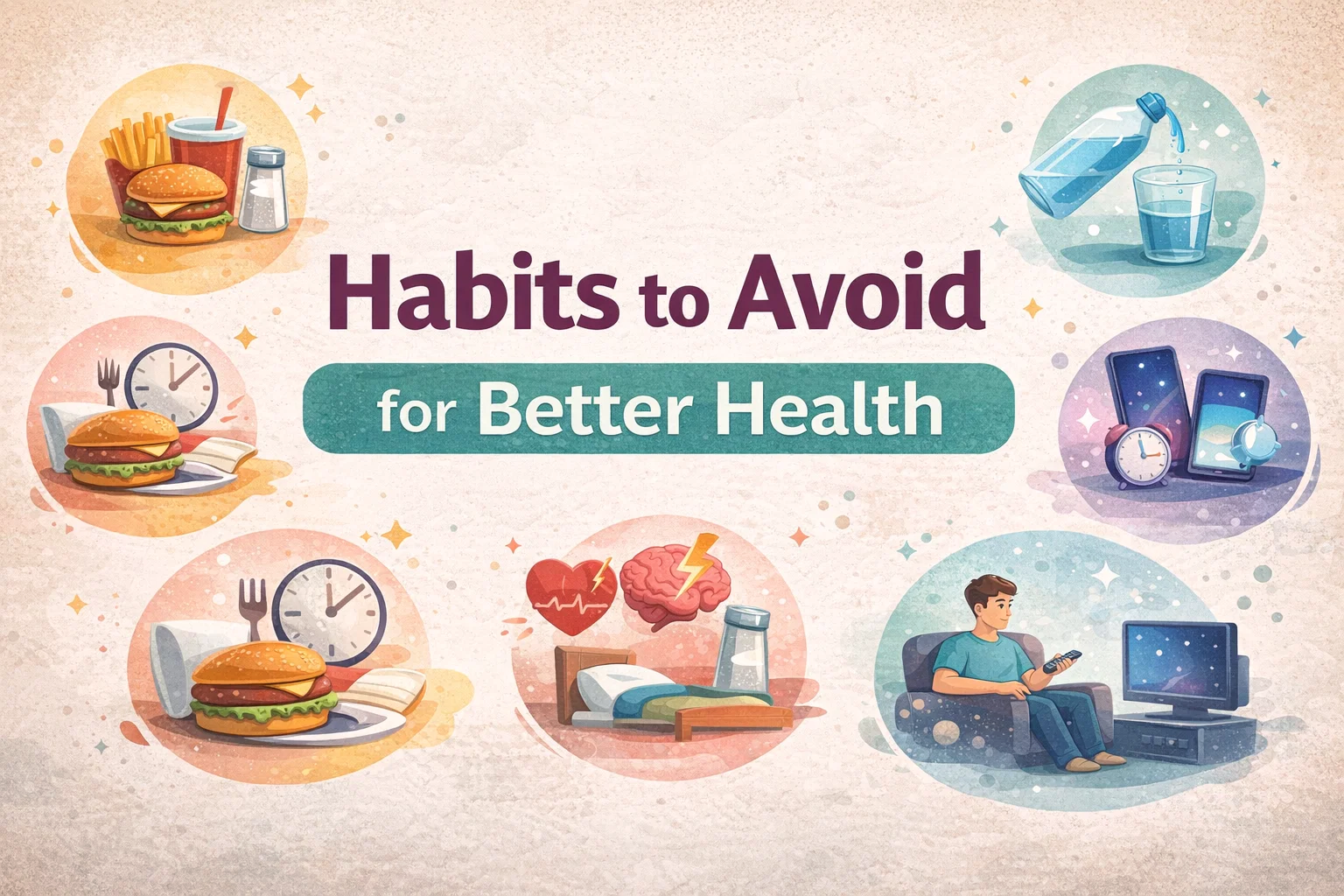
One of the most overlooked aspects of wellness is not just what we eat, but how and when we consume it. Our digestive system operates on a complex internal clock that requires consistency to function at its peak. For instance, many people struggle with nighttime restlessness or blood sugar fluctuations without realizing that eating late at night is a primary culprit. When you consume a heavy meal close to bedtime, your body focuses on digestion instead of deep repair, which can lead to metabolic stress and long term issues like diabetes management challenges.
Mastering the Art of Mindful Consumption
In our fast paced world, eating has become an afterthought, often squeezed between meetings or while scrolling through digital devices. However, eating too fast is a direct contributor to gastritis and general digestive discomfort. When you rush through a meal, you bypass the cephalic phase of digestion, where your brain signals your stomach to produce the necessary enzymes. This leads to poorly broken down food, bloating, and a strained gut lining. Taking the time to chew thoroughly and breathe between bites is a simple, free way to revolutionize your gut health.
Managing Acid Reflux Through Posture
Many individuals suffer from the burning sensation of acid reflux without realizing that their post meal habits are the trigger. Lying down immediately after eating allows stomach acid to travel back into the esophagus, causing irritation and long term damage. By staying upright for at least two to three hours after your last meal, you use gravity to keep your digestive juices where they belong. This small adjustment can significantly reduce the need for over the counter antacids and improve your overall comfort.
Hydration and the Foundation of Gut Health
The gut is often referred to as the second brain, and it is the epicenter of our immune system. Maintaining a healthy microbiome requires more than just probiotics; it requires a consistent flush of clean water. Not drinking enough water is one of the most common habits that leads to chronic gut issues and constipation. Water acts as a lubricant for the digestive tract, ensuring that fiber can do its job and that waste is moved efficiently out of the system. Without proper hydration, your body becomes sluggish, your skin loses its glow, and your energy levels plummet.
The Surprising Link Between Tea and Anemia
While herbal teas are a staple of a holistic lifestyle, the timing of your tea consumption matters immensely. Many varieties of tea contain tannins, which are wonderful antioxidants but can interfere with the absorption of non-heme iron from your food. If you are prone to anemia or low energy, drinking tea with your meals might be sabotaging your nutritional intake. To get the most out of your iron rich leafy greens and legumes, try to enjoy your favorite brew at least an hour before or after your meals instead.
Modern Lifestyles and Chronic Conditions
As we spend more time in climate controlled offices and in front of digital displays, our bodies are facing challenges that our ancestors never had to manage. Chronic inactivity is perhaps the greatest threat to heart health in the modern era. Our hearts are muscles that require the challenge of movement to stay strong and resilient. Physical inactivity leads to poor circulation and a higher risk of heart disease, yet many people find it difficult to start a routine. The key is to see movement not as a chore, but as a necessary nutrient for your cardiovascular system.
The Silent Strain of Screen Time
Insomnia has become a global epidemic, and the primary suspect is often sitting right in the palm of our hands. Using screens late at night exposes your eyes to blue light, which suppresses the production of melatonin, the hormone responsible for sleep. Beyond just the light, the mental stimulation of social media or news prevents the brain from entering a restful state. Replacing your phone with a physical book or a meditation practice in the hour before bed can drastically improve your sleep quality and daytime cognitive function.
Kidney Health and Sedentary Behavior
It might seem strange to link watching television for hours to kidney stones, but the connection lies in the lifestyle that usually accompanies long periods of sitting. Prolonged sedentary behavior is often linked to dehydration and poor dietary choices, both of which increase the concentration of minerals in the urine. Furthermore, physical activity helps regulate the way our bodies process calcium. Making it a point to stand up, stretch, and walk around every hour can help protect your kidneys and keep your metabolic health in check.
Addressing Environmental and Nutritional Deficiencies
Wellness is as much about our surroundings as it is about our internal chemistry. For those living with respiratory sensitivities, being in dusty environments can trigger or worsen asthma symptoms. Clean air is a fundamental human need, yet we often neglect the air quality in our own homes. Regular cleaning, using air purifiers, and ensuring proper ventilation can significantly reduce the inflammatory load on your lungs and improve your respiratory capacity.
The Sunshine Vitamin and Indoor Living
Vitamin D deficiency is a widespread concern, largely because we have become an indoor species. While supplements can help, there is no true substitute for the natural synthesis of Vitamin D that occurs when our skin is exposed to sunlight. Staying indoors for the majority of the day can lead to weakened immunity, bone density issues, and low mood. Even fifteen minutes of morning sunlight can help reset your circadian rhythm and provide your body with the “sunshine vitamin” it craves for hormone balance and bone health.
Protecting the Liver from Processed Foods
The liver is the body’s primary detoxification organ, working tirelessly to filter out toxins and process nutrients. However, the modern diet is loaded with processed foods, artificial additives, and high fructose corn syrup, all of which put an immense strain on the liver. Over time, eating processed foods can lead to fatty liver disease and decreased metabolic efficiency. Shifting toward a whole food, plant forward diet gives your liver the break it needs to regenerate and function optimally. Think of every whole vegetable you eat as a gift to your liver’s longevity.
Managing Migraines and Tension
For those who suffer from chronic migraines, the cause is often a combination of triggers, but skipping meals is a frequent and avoidable one. When you skip a meal, your blood sugar levels drop, which can trigger a cascade of hormonal responses that lead to vascular changes in the brain. Maintaining a steady intake of nutrient dense food throughout the day keeps your glucose levels stable and reduces the likelihood of a tension headache or a full blown migraine. Consistency is the friend of a calm nervous system.
The Sodium Connection to Hypertension
Hypertension, or high blood pressure, is often called the silent killer because it rarely shows symptoms until damage is done. One of the most effective ways to manage this is by being mindful of salt intake. Using too much salt causes the body to retain water, which puts extra pressure on the blood vessels and the heart. By flavoring your food with fresh herbs, lemon juice, and spices like turmeric or garlic instead of reaching for the salt shaker, you can support healthy blood pressure levels and enjoy a more vibrant palette of flavors.
Creating Your Personal Wellness Roadmap
Now that we have identified these common habits to avoid, the goal is not to change everything overnight. True, sustainable wellness comes from a series of small, intentional shifts. Start by picking one habit that resonates with your current health goals. Perhaps this week you focus on staying hydrated, or you commit to putting your phone away at 9 PM. Once that habit becomes second nature, move on to the next. This incremental approach prevents overwhelm and allows your body to adjust to its new, healthier baseline.
Integrating Holistic Practices into Daily Life
Think of your body as a garden. You cannot just plant seeds and expect them to grow without the right soil, water, and light. Similarly, you cannot expect your body to thrive if you are constantly introducing “pests” in the form of poor habits. Holistic health is about looking at the big picture. It is about understanding that your gut health affects your mood, and your sleep quality affects your heart health. When you start making choices that respect these interconnections, you will find that wellness feels less like a struggle and more like a natural state of being.
Conclusion: The Path to a Vibrant Life
Avoiding the habits that drain our vitality is the first step toward a life of true wellness. By being mindful of our digestion, prioritizing movement, protecting our sleep, and choosing whole foods, we give our bodies the foundation they need to thrive. Remember that health is a journey, not a destination. There will be days when you eat a late meal or spend too much time on your phone, and that is okay. What matters most is the consistency of your intentions and your willingness to return to the habits that make you feel your best. Embrace the process, listen to your body, and enjoy the incredible energy that comes with a balanced and nutritious lifestyle.