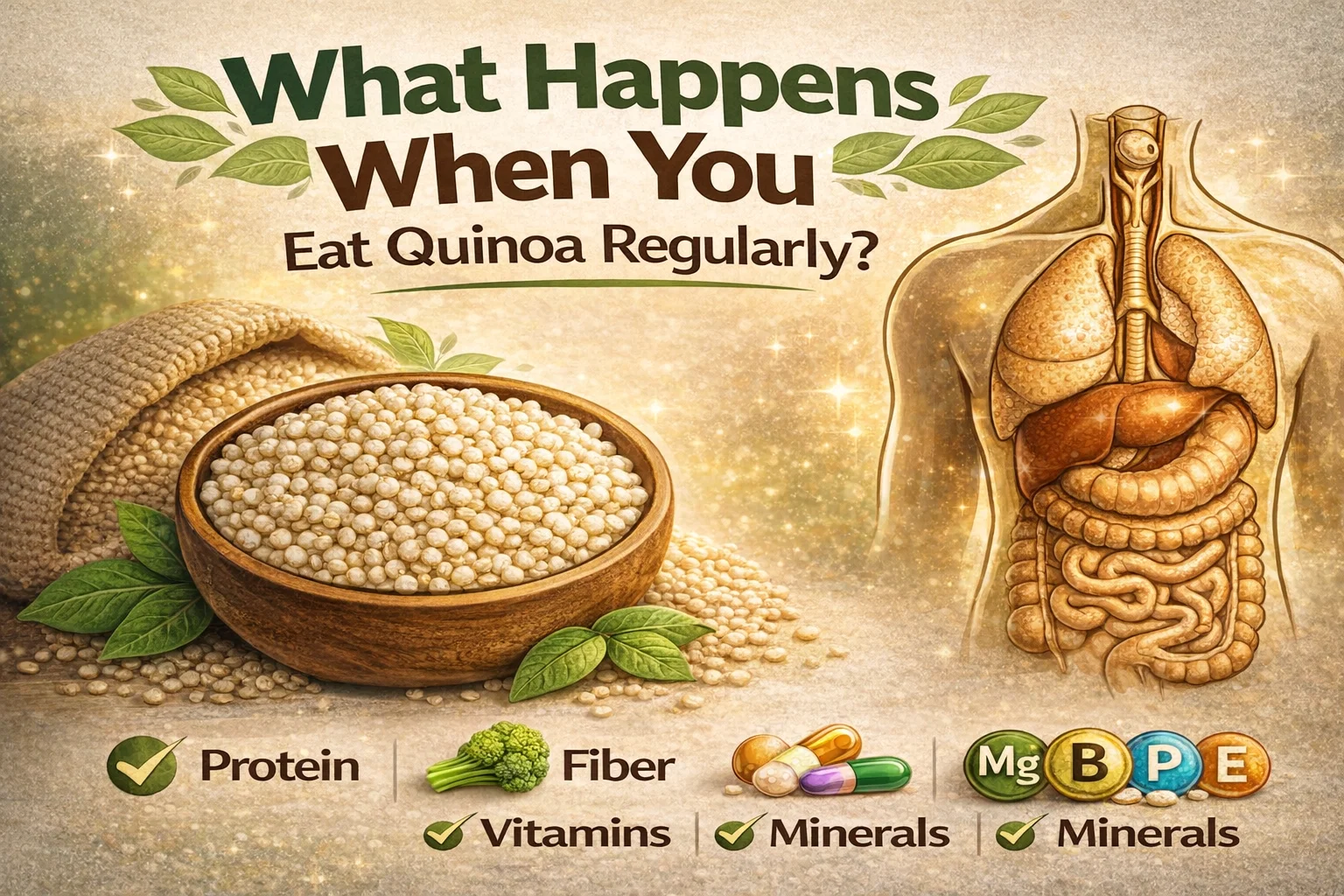
What Happens When You Eat Quinoa Every Day Benefits of This Nutrient-Dense Superfood
When we talk about nutritional powerhouses, few foods command as much respect as quinoa. Often referred to as the mother grain by ancient civilizations, this tiny seed has staged a massive comeback in modern kitchens across the globe. But what exactly happens to your body when you make quinoa a regular part of your diet? From the way your muscles recover after a workout to the efficiency of your digestive system, the impact of this versatile ingredient is profound and multifaceted. If you have been looking for a simple way to upgrade your daily nutrition without overhauling your entire lifestyle, understanding the science behind quinoa is the perfect place to start.
The Complete Protein Advantage
One of the most remarkable features of quinoa is its status as a complete protein. Most plant based foods are missing one or more of the nine essential amino acids that the human body cannot produce on its own. Quinoa is a rare exception. It contains every single one of them in the correct proportions. This makes it an invaluable asset for vegetarians, vegans, and anyone looking to reduce their meat consumption without sacrificing muscle maintenance or cellular repair.
When you consume complete proteins regularly, your body has a steady supply of the building blocks it needs for healthy skin, strong hair, and robust muscle tissue. Unlike refined grains that provide empty calories, quinoa provides the structural support your biology craves. This is especially important as we age, as maintaining muscle mass becomes a critical factor in overall longevity and metabolic health.
A Gluten Free Safe Haven
For individuals with celiac disease or non celiac gluten sensitivity, finding satisfying grain alternatives can be a challenge. Quinoa is naturally gluten free, meaning it provides the comforting texture and heartiness of a grain without the inflammatory response triggered by wheat, barley, or rye. By incorporating quinoa into your meals, you can enjoy pasta like salads, breakfast porridges, and savory side dishes without worrying about digestive distress or systemic inflammation.
Beyond just being a safe alternative, quinoa actually improves the nutrient profile of a gluten free diet. Many processed gluten free products are low in fiber and vitamins. Quinoa fills that gap by providing a dense concentration of micronutrients that are often lacking in highly refined gluten free substitutes. It is not just a replacement; it is an upgrade.
Digestive Health and the Power of Fiber
A healthy gut is the foundation of a healthy life, and quinoa is an incredible ally for your digestive tract. It is significantly higher in fiber than many other popular grains. This fiber acts as a broom for your intestines, helping to keep things moving and preventing the sluggishness often associated with heavy, carb rich meals. But the benefits go deeper than just regularity.
The fiber in quinoa also acts as a prebiotic. This means it feeds the beneficial bacteria in your microbiome. A flourishing gut microbiome is linked to everything from a stronger immune system to better mental clarity. When you eat quinoa regularly, you are essentially fertilizing your internal ecosystem, allowing the good bacteria to thrive and keep your body in balance.
Regulating Blood Sugar Levels
Because of its high fiber and protein content, quinoa has a relatively low glycemic index. This means it does not cause the rapid spikes and subsequent crashes in blood sugar that you might experience after eating white rice or bread. Stable blood sugar is the key to consistent energy levels throughout the day. Instead of feeling that mid afternoon slump, the slow release of energy from quinoa keeps you fueled and focused. This also makes it a fantastic option for those managing diabetes or anyone trying to maintain a healthy weight by curbing sugar cravings.
Mineral Wealth: Magnesium, Iron, and Potassium
If you look at the nutritional label of quinoa, the mineral content is staggering. It is particularly rich in magnesium, a mineral that over 50 percent of the population is deficient in. Magnesium is involved in over 300 enzymatic reactions in the body, including nerve function, blood pressure regulation, and the relaxation of muscles. If you suffer from frequent headaches or muscle cramps, the magnesium in quinoa might be exactly what your body is asking for.
Additionally, quinoa provides a significant amount of iron and potassium. Iron is crucial for the formation of hemoglobin, which carries oxygen to your cells. Without enough iron, you feel fatigued and weak. Potassium, on the other hand, helps counteract the effects of sodium in the diet, supporting healthy blood pressure and heart function. By eating quinoa, you are essentially taking a natural multi mineral supplement in the form of a delicious meal.
The Role of Phosphorus and Calcium
Bone health is often associated exclusively with dairy, but quinoa plays a supporting role here as well. It contains phosphorus and calcium, two minerals that work in tandem to build and maintain strong bones and teeth. For those who do not consume dairy, finding plant based sources of these minerals is vital. Quinoa provides a bioavailable way to support your skeletal structure every time you sit down to eat.
A Surge of Antioxidants
Antioxidants are the body’s defense against oxidative stress and free radicals, which can damage cells and lead to chronic disease. Quinoa is loaded with flavonoids, specifically quercetin and kaempferol. These molecules have been shown to have anti inflammatory, anti viral, and even anti cancer properties in various studies. While most people think of berries or kale as the primary sources of antioxidants, quinoa actually contains higher levels of these specific flavonoids than some high antioxidant vegetables.
Regularly consuming these antioxidants helps protect your heart and can even slow down the visible signs of aging by protecting your skin from environmental damage. It is an internal shield that works silently every time you enjoy a quinoa salad or a warm quinoa bowl.
Metabolic Benefits and Weight Management
Weight management is rarely about eating less; it is about eating better. Quinoa is incredibly satiating. Thanks to the combination of protein and fiber, it triggers the hormones that tell your brain you are full. This helps prevent overeating and snacking between meals. Furthermore, some studies suggest that the nutrients in quinoa can actually improve metabolic health by improving insulin sensitivity and lipid profiles.
When your metabolism is functioning efficiently, your body becomes better at burning fat and utilizing energy. Quinoa supports this process by providing the manganese needed for metabolic enzymes to function. It is a functional food that works with your biology to help you reach your physical goals naturally.
Vitamin E and B Vitamins
Quinoa is a great source of B vitamins, including thiamin, riboflavin, B6, and folate. These vitamins act as the spark plugs for your energy production. They help convert the food you eat into fuel that your cells can use. Additionally, the vitamin E found in quinoa acts as a fat soluble antioxidant that protects cell membranes. Together, these vitamins support brain health, mood stability, and overall vitality.
Simple Ways to Incorporate Quinoa Daily
The beauty of quinoa lies in its culinary flexibility. It has a mild, slightly nutty flavor that adapts to whatever ingredients you pair it with. You can use it as a base for a savory stir fry, mix it into a fresh Mediterranean salad with tomatoes and cucumbers, or even cook it with almond milk and cinnamon for a high protein breakfast porridge. It can be added to soups to provide thickness and texture or used as a stuffing for bell peppers and squash.
- As a Rice Substitute: Swap white rice for quinoa in any dish to instantly double your fiber and protein intake.
- In Salads: Add chilled quinoa to greens for a more substantial and filling meal.
- Baking: Use quinoa flour or cooked quinoa in muffins and breads for an extra nutritional punch.
- Breakfast Bowls: Top warm quinoa with fruit, nuts, and a drizzle of honey for a long lasting energy boost.
Conclusion
Quinoa is far more than just a trendy health food; it is a nutritional powerhouse that offers a comprehensive suite of benefits for the human body. By providing complete proteins, essential minerals, and a wealth of antioxidants, it supports every system from your heart to your gut. Whether you are an athlete looking for better recovery, a busy professional needing sustained energy, or someone simply looking to improve their overall well being, the evidence is clear. Making quinoa a regular part of your diet is one of the smartest and easiest investments you can make in your long term health. Start small, get creative in the kitchen, and let this ancient superfood transform the way you feel from the inside out.