What Your Nails Say About Your Health 12 Warning Signs You Should Not Ignore
Have you ever taken a moment to really look at your fingernails? Most of us view them as nothing more than a canvas for polish or a tool for opening soda cans, but your nails are actually sophisticated biological messengers. They are constantly growing and reacting to the internal environment of your body. In many ways, your nails act like a natural dashboard, flashing warning lights when something under the hood isn’t running quite right. From subtle ridges to sudden color changes, these tiny structures can provide a wealth of information about your nutritional status, organ health, and even your stress levels.
Understanding the language of your nails is a powerful form of self care. It is not about self diagnosing or causing unnecessary panic, but rather about becoming more intuitive and observant of the signals your body sends you every day. When you know what a healthy nail looks like, you are much better equipped to notice when something shifts. Let’s dive deep into the fascinating world of nail health and decode exactly what those spots, lines, and shapes are trying to tell you about your overall well being.
The Anatomy of a Healthy Nail
Before we can identify the warning signs, we need to understand the baseline. A healthy fingernail should be smooth, consistent in color, and free of spots or deep grooves. While everyone’s nails are slightly different, they generally should have a pinkish hue due to the rich blood supply underneath the nail plate. The texture should be firm but flexible, and the surrounding cuticle area should be intact without excessive peeling or inflammation.
The Role of Keratin
Nails are primarily made of a tough protective protein called keratin, which is the same substance found in your hair and the outer layer of your skin. Because keratin production relies heavily on the nutrients you consume, any significant deficiency in vitamins or minerals will often show up in the quality of your nails long before it manifests in other physical symptoms. This makes the nail plate one of the most honest indicators of your current nutritional state.
Common Discolorations and Their Meanings
One of the first things people notice when something is off is a change in color. These changes can range from small white flecks to a complete yellowing of the entire nail plate. Each variation carries its own specific set of clues.
White Spots and Streaks
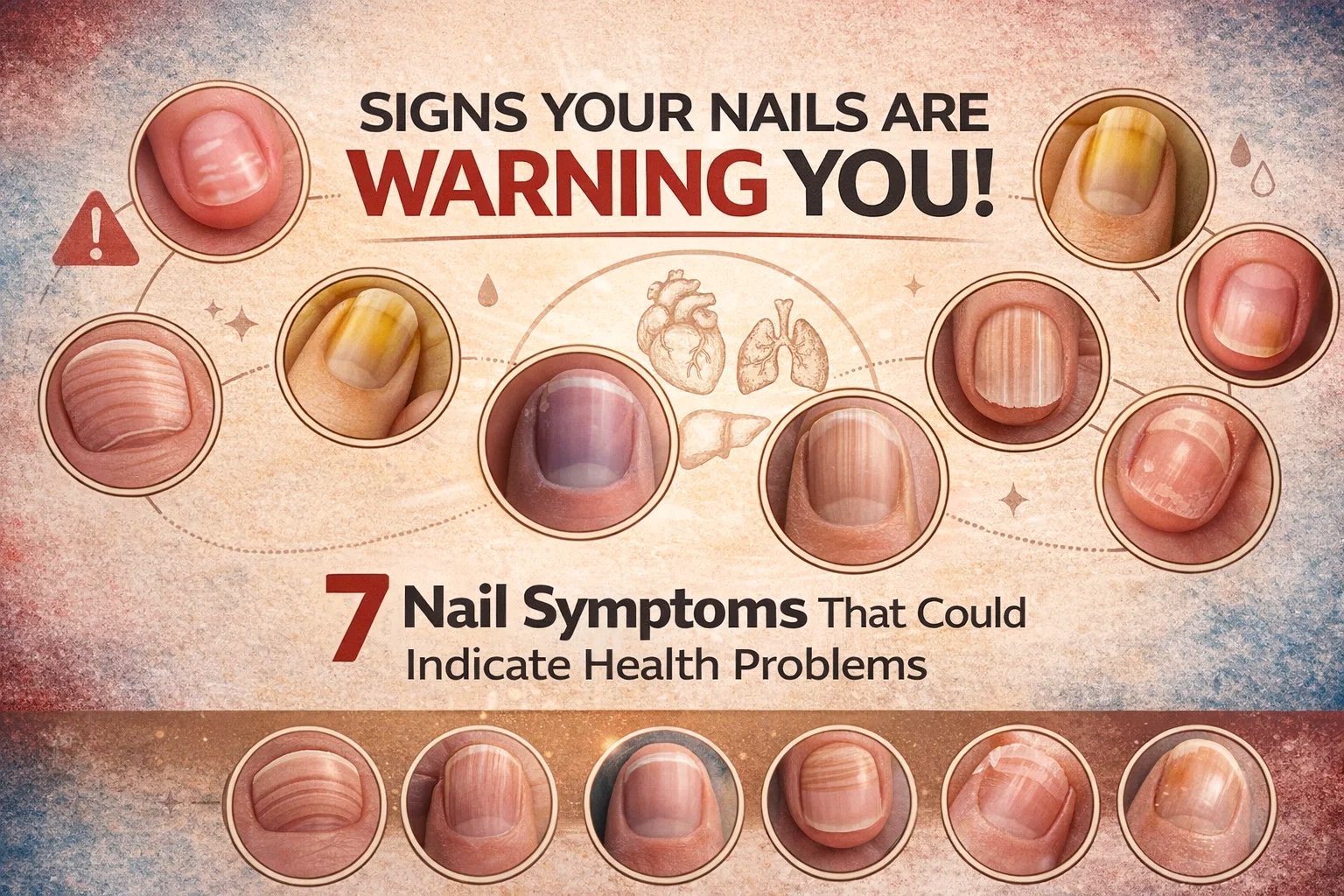
Many people grew up hearing that white spots on the nails were a sign of calcium deficiency. In reality, these small marks, known as punctate leukonychia, are most commonly caused by minor trauma. If you accidentally bang your finger against a desk or catch it in a door, the resulting bruise on the nail matrix shows up as a white spot as the nail grows out. However, if these spots are persistent and widespread, they may point toward a deficiency in zinc. Zinc is a crucial mineral for cell division and protein synthesis, and without enough of it, the nail plate can develop these characteristic white blemishes.
Yellow Nails and Fungal Concerns
A yellow tint is one of the most common complaints in nail health. Often, this is a simple external issue caused by wearing dark nail polish for too long without a base coat, which stains the keratin. However, if the yellowing is accompanied by thickening and crumbling, it is likely a fungal infection. In rarer cases, persistent yellow nails that do not clear up can be a sign of more systemic issues, such as chronic bronchitis or problems with the lymphatic system. It can also be a secondary symptom of thyroid disease, highlighting just how interconnected our body systems truly are.
Texture Changes: Ridges and Pitting
If you run your finger across the surface of your nail and feel bumps or valleys, you are noticing textural changes that deserve attention. The direction and depth of these ridges are key to understanding their cause.
Vertical Ridges: A Sign of Time
Vertical ridges, which run from the cuticle to the tip of the finger, are very common as we get older. Think of them like the wrinkles of the nail. As the body ages, the natural oils and moisture levels in our skin and nails decrease, leading to these raised lines. While they are usually just a sign of normal aging, very prominent vertical ridges can sometimes indicate a lack of Vitamin B12 or magnesium. Ensuring you are well hydrated and getting enough minerals can often smooth out the appearance of these lines.
Horizontal Lines and Severe Stress
Horizontal ridges, also known as Beau’s lines, are a different story. These deep grooves running across the nail usually indicate that nail growth was temporarily interrupted by a significant event. This could be a high fever, a severe illness, or even an intense period of emotional stress. When the body is under extreme pressure, it redirects its energy away from non essential functions like nail growth to focus on vital organ recovery. Once the stressor passes, the nail starts growing again, leaving a physical “dent” that marks the timing of the illness.
Changes in Nail Shape: Spooning and Clubbing
The actual curvature of your nails can provide some of the most serious health insights. If your nails start to change their fundamental shape, it is often a sign of a long term internal shift.
Spoon Nails (Koilonychia)
If your nails become thin and concave, looking as though they could hold a drop of liquid like a spoon, this is a condition called koilonychia. This is a classic hallmark of severe iron deficiency anemia. Without enough iron, the blood cannot carry sufficient oxygen to the extremities, causing the nail plate to soften and flatten out. This is a clear signal that it is time to check your iron levels and look into your dietary intake of leafy greens and proteins.
Clubbing and Oxygen Levels
Nail clubbing occurs when the fingertips enlarge and the nails curve steeply over the ends, often looking like the back of a spoon. This change usually happens over several years and is frequently associated with low oxygen levels in the blood. Because of this link, clubbing is often a warning sign for chronic lung diseases, heart conditions, or liver problems. While it can sometimes be a harmless hereditary trait, a sudden shift toward clubbing should always be discussed with a medical professional.
The Significance of Dark Lines
Perhaps the most important warning sign to watch for is a dark, pigmented line running vertically down the nail. While some people of color may have natural pigment bands in their nails, a new or changing dark streak can be a sign of subungual melanoma, a form of skin cancer that occurs under the nail. This is one of those instances where the nail is providing an early warning that could quite literally save your life. If you notice a black or brown line that is widening or has blurred borders, seeking a professional evaluation is essential.
Peeling and Brittle Nails
Do your nails peel away in layers at the tips? This is often a sign of dehydration or a lack of specific B vitamins. Biotin, in particular, is famous for its role in strengthening the keratin infrastructure. If your nails are constantly peeling, it might be your body’s way of asking for more moisture and better nutritional support. External factors also play a role here, such as frequent hand washing or exposure to harsh cleaning chemicals, so protecting your hands with gloves can make a world of difference.
How to Support Your Nail Health Naturally
Now that we know what to look for, how can we ensure our nails stay healthy and strong? The secret lies in a combination of internal nutrition and external care.
- Focus on Protein: Since nails are made of protein, ensuring you get enough lean protein in your diet is the foundation of nail strength.
- Hydrate from Within: Drinking plenty of water keeps the nail bed hydrated, preventing brittleness and cracking.
- Key Supplements: Biotin, Zinc, and Magnesium are the “big three” for nail health. Always consult with a doctor before starting new supplements, but these are often the missing pieces of the puzzle.
- Moisturize the Cuticles: Using a simple jojoba or almond oil on your cuticles every night can prevent peeling and support healthy growth from the matrix.
- Be Gentle: Avoid using your nails as tools and opt for acetone free polish removers to prevent stripping the natural oils from the nail plate.
The Importance of Professional Advice
While observing your nails is a great way to stay in tune with your body, it is important to remember that these signs are clues, not definitive diagnoses. Many nail changes are completely benign or related to simple environmental factors. However, because the nails are so closely linked to our internal health, they can often provide the first hint that a deeper checkup is needed. If you notice sudden, drastic, or painful changes in your nails, reaching out to a dermatologist or a general practitioner is the best course of action.
Listening to Your Body’s Silent Language
Your nails are far more than just a cosmetic feature. They are a living, growing record of your health journey. By paying attention to the spots, ridges, and colors that appear, you are practicing a form of mindfulness that connects you more deeply to your physical well being. The next time you sit down to trim your nails or apply a coat of polish, take a second to look closely. Those tiny warnings or signs of strength are your body’s way of talking to you. When you learn to listen, you can take proactive steps toward a healthier, more vibrant version of yourself. Your nails are warning you, guiding you, and encouraging you to take the best possible care of the only body you have.