What Your Sleeping Position Says About Your Mental Health 12 Secret Meanings
Have you ever woken up in the middle of the night and realized you were curled into a tight ball, or perhaps sprawled out diagonally across the entire mattress? We often think of sleep as a time when the brain completely shuts off, but your body is actually communicating volumes while you drift through various sleep cycles. The way you position yourself during those seven to nine hours of rest is rarely accidental. Instead, it is a fascinating physical manifestation of your subconscious mind, your current stress levels, and even your personality traits. Understanding the connection between your sleeping posture and your mental well-being can be the first step toward a more mindful approach to your overall health.
The Fascinating Link Between Sleep and Psychology
Sleep experts and psychologists have long studied the correlation between how we move in our sleep and what we are experiencing in our waking lives. Because our conscious guard is down during rest, the body often defaults to positions that provide the most emotional or psychological comfort. If you find yourself side sleeping and overthinking every detail of your day, or if you feel the need to tuck your hands under your pillow to carry the weight of your burdens, you are participating in a silent dialogue with your inner self. This guide explores the diverse range of sleeping positions and the hidden meanings they hold.
Side Sleeping and the Overactive Mind
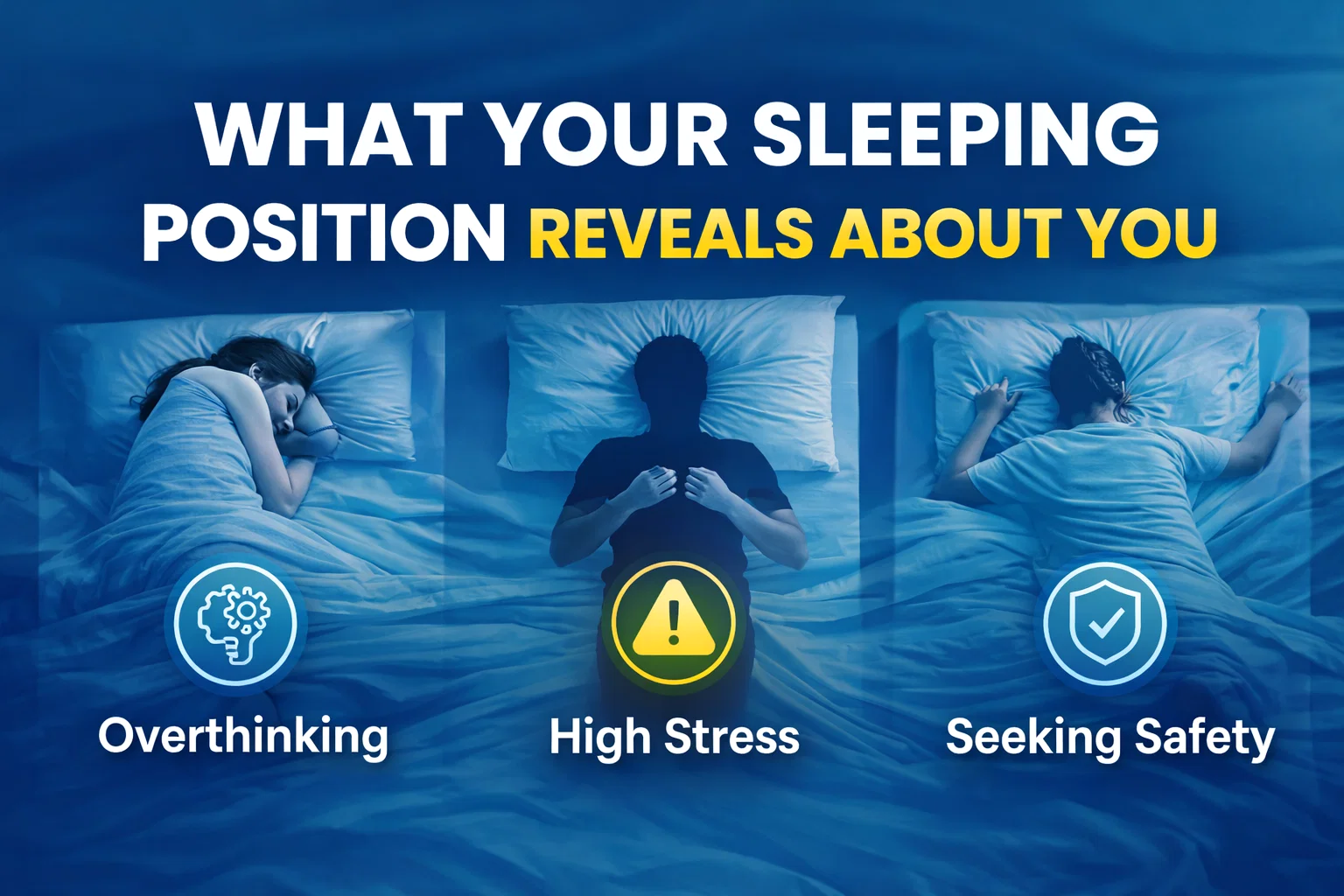
Sleeping on your side is one of the most common positions, but it often indicates a person who is constantly processing information. If you find yourself gravitating toward your side, it might be a sign that you tend to overthink situations. This position suggests a analytical nature, where the brain is working overtime to solve problems even as the body tries to rest. It is a protective yet accessible posture that balances the need for comfort with a mind that refuses to quiet down.
The Flat Back and Emotional Numbness
Lying perfectly flat on your back, often referred to as the soldier position, can sometimes be associated with feeling numb or emotionally detached. When you lie flat, you are exposed but also rigid. In a psychological context, this can mean you are holding yourself to incredibly high standards or that you are currently in a state where you are suppressing your reactions to the world around you. It is a position of discipline, but it can also reflect a temporary period of emotional exhaustion where you feel a bit disconnected from your surroundings.
Movement and the Racing Mind
Do you wake up with the covers in a heap on the floor? Moving a lot during the night is a clear indicator of a racing mind. When your thoughts are jumping from one topic to another during the day, that kinetic energy often translates into physical restlessness at night. Your subconscious is essentially trying to “run away” from or “chase down” solutions to your problems, leading to a night spent tossing and turning without ever finding a true sense of stillness.
Seeking Safety in the Fetal Position
Curling up into a ball is one of the most instinctive human behaviors. Known as the fetal position, this posture is all about seeking safety and protection. If this is your go-to way to sleep, you might be going through a particularly stressful time or feeling vulnerable. By protecting your vital organs and minimizing your physical presence, you are creating a personal cocoon that helps you feel shielded from the demands of the outside world. It is a natural way for the body to self-soothe during times of anxiety.
The Need for Control in Spreading Out
On the opposite end of the spectrum is the person who spreads out, taking up as much space as possible. This is often a sign of a person who wants control. Whether you are starfish-ing across a king-sized bed or just stretching your limbs to their limits, this posture indicates a personality that is confident, assertive, and perhaps a bit protective of their territory. It shows a desire to dominate your environment and a comfort with being seen and taking up space.
How Your Hands Reveal Your Hidden Burdens
Where you place your hands while you sleep can be just as telling as the orientation of your torso. Our hands are the tools we use to interact with the world, and their placement during rest often reflects how we are handling our responsibilities and emotions.
Hands Under the Pillow
If you sleep with your hands tucked firmly under your pillow, you might be carrying heavy burdens. This position creates a sense of stability and support for the head, suggesting that you feel the weight of the world on your shoulders. It is a way of literally propping yourself up while you sleep, indicating a person who is reliable and hardworking but perhaps taking on too much for their own good.
Hands on the Chest
Sleeping with your hands resting on your chest is often a sign of guarded emotions. This posture acts as a physical barrier over the heart, suggesting that you might be feeling protective of your feelings or hesitant to open up to others. It is a defensive stance that provides a sense of internal security, allowing you to keep your emotions close where they cannot be easily disturbed.
Avoidance and the Craving for Escape
Sometimes, the way we sleep is a direct attempt to hide from reality. Our beds become a sanctuary where we can temporarily disappear from the pressures of work, relationships, and social expectations.
Face in the Pillow
Sleeping face down with your head buried in the pillow is a classic sign of avoiding reality. This position shuts out light and sound more effectively than others, creating a dark, private space. Psychologically, this might mean you are feeling overwhelmed by a situation in your life and simply want to hide. It is a way of turning your back on the world to find a moment of peace, even if it is only subconscious.
The Blanket Over the Head
Similar to the face-in-pillow position, pulling the blanket over your head indicates a deep craving for comfort and escape. This creates a literal barrier between you and the environment. It is often associated with a desire for total privacy and a need to feel completely cocooned from any external stressors or threats. It is the ultimate “do not disturb” sign from your subconscious mind.
Recognizing High Stress and Suppressed Tension
Physical signs of stress often manifest in the jaw and the overall movement of the body. If you wake up feeling like you have been in a physical struggle, your body is likely reacting to high levels of cortisol and adrenaline left over from the day.
- Tossing and Turning: This is a primary indicator of high stress levels. When the body cannot settle, it is because the nervous system is still in a state of high alert.
- Tight Lips and Clenched Jaw: If you wake up with tight lips or a sore jaw, you are likely dealing with suppressed tension. This physical clenching is a sign that you are “biting your tongue” or holding back your true thoughts and frustrations during your waking hours.
- Half On and Half Off the Bed: Finding yourself hanging off the edge of the mattress can indicate that you are feeling overwhelmed. It is as if you have so much on your plate that you cannot even fit comfortably within the boundaries of your own bed.
Ways to Improve Your Sleep and Mental State
Once you recognize what your sleeping position is saying about you, you can take proactive steps to address the underlying causes. While you cannot always control what your body does while you are unconscious, you can influence your pre-sleep environment to encourage a more peaceful rest.
Creating a Calming Pre-Sleep Ritual
If you are a side sleeper who overthinks or a tosser and turner with high stress, a bedtime routine is essential. Try incorporating activities that signal to your brain that the day is over. This could include reading a physical book, practicing gentle stretching, or writing in a journal to “dump” your thoughts onto paper so your mind doesn’t have to carry them into sleep.
Optimizing Your Physical Comfort
Sometimes, changing your physical environment can help shift your psychological state. For those seeking safety, a weighted blanket can provide the sensory input needed to feel secure without needing to curl into a tight ball. For those carrying burdens, using a contoured pillow can provide the support your body is looking for, potentially reducing the need to tuck your hands underneath.
The Path to Better Body Awareness
Your sleeping position is not a permanent label, but rather a snapshot of your current emotional and mental landscape. By paying attention to how you wake up and how you feel throughout the night, you can gain valuable insights into your own well-being. Whether you are guarding your emotions or craving an escape, acknowledging these feelings is the first step toward resolving them.
The next time you settle into bed, take a moment to notice where your body naturally goes. Are you seeking control? Are you hiding? Or are you finally ready to let go and rest? By bridging the gap between your conscious mind and your subconscious movements, you can create a more harmonious relationship with yourself, leading to deeper sleep and a more balanced life. Remember that your body is always talking to you; all you have to do is listen to what it says in the silence of the night.
Conclusion
In the end, the psychology of sleep positions offers a unique window into the soul. While it might seem like a simple habit, the way you rest is deeply intertwined with your mental health and emotional processing. From the overthinker on their side to the control-seeker spreading out, every posture tells a story of resilience, vulnerability, or stress. By understanding these cues, you can better support your mental health and work toward a more restful, restorative night of sleep. Sleep well, listen to your body, and embrace the insights that come when the world goes quiet.