Which Organ Hates What Worst Foods To Avoid
We all know that eating a well-balanced diet is the cornerstone of a healthy lifestyle. We often think about food in terms of calories, macronutrients, or how it affects our waistline. However, we rarely stop to consider how the specific foods and drinks we consume impact our individual organs on a daily basis. Your body is a beautifully complex machine made up of highly specialized parts. Each organ has its own unique job to do, and consequently, its own specific nutritional preferences. Just as certain vitamins and minerals can help an organ thrive, there are everyday snacks and beverages that can cause significant hidden stress. If your organs could talk, they would have a very clear list of complaints. Today, we are going to break down exactly which foods your organs secretly despise and why making a few simple swaps can drastically improve your holistic health.
The Cardiovascular and Nervous Systems
Your Heart Cringes at Potato Chips
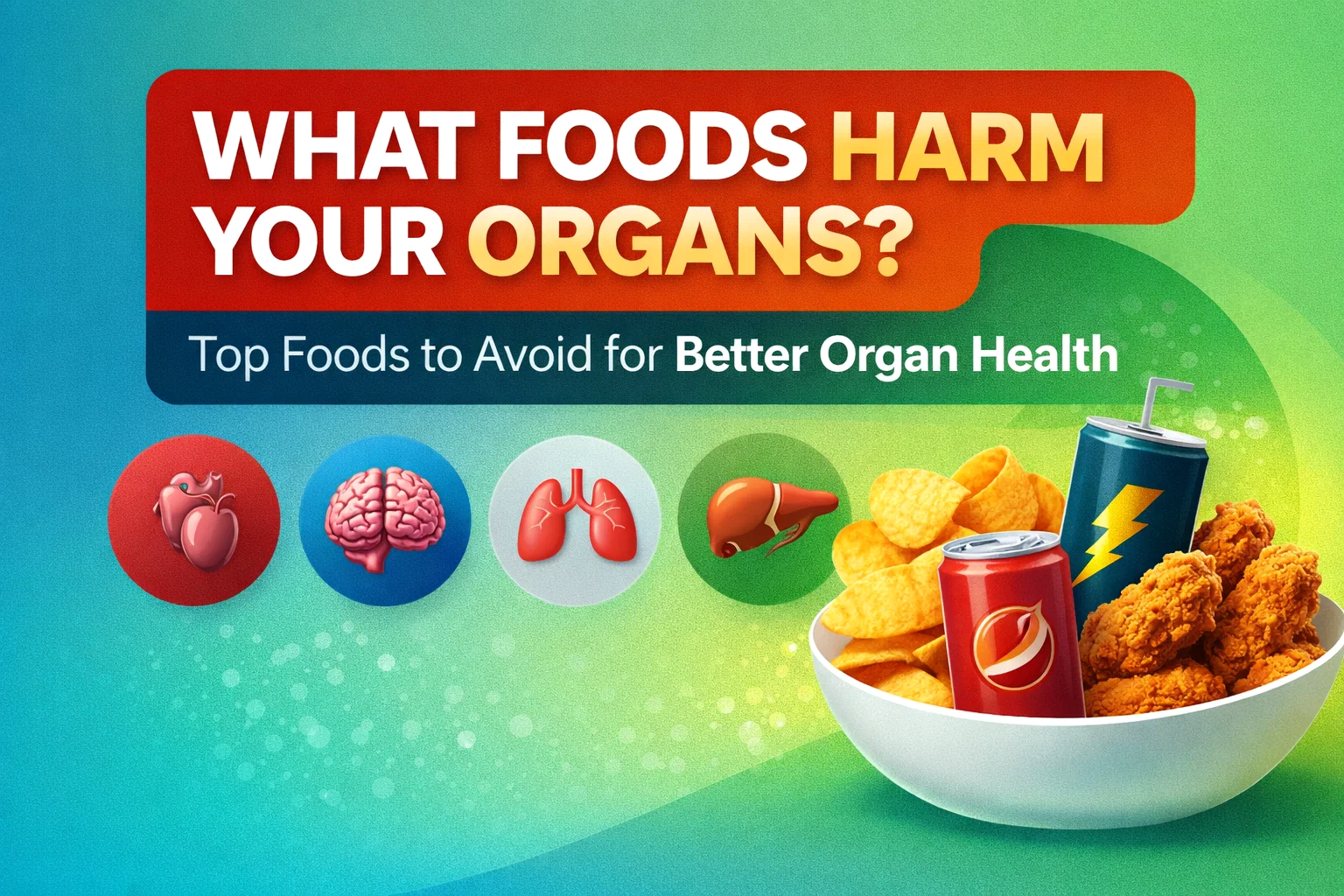
When you reach for a crinkly bag of potato chips, your taste buds might be thrilled, but your cardiovascular system is begging you to stop. Potato chips are notorious for being heavily processed and loaded with excess sodium. Consuming too much salt causes your body to hold onto extra water. This extra water increases the total volume of blood pushing against your blood vessels, which directly raises your blood pressure. Elevated blood pressure forces your heart muscle to work significantly harder just to pump blood throughout your body. Over time, this constant mechanical strain can lead to severe cardiovascular complications. Moreover, many commercial chips are deep-fried in unhealthy trans fats and saturated fats that contribute to dangerous arterial plaque buildup. Swapping these salty, greasy snacks for air-popped popcorn or a handful of unsalted almonds can give your heart the vital rest it needs.
Your Brain Dreads Energy Drinks
In our fast-paced world, grabbing an energy drink feels like a quick fix for a midday slump. Unfortunately, your brain pays a heavy price for that artificial surge of alertness. Energy drinks are packed with astronomical amounts of refined sugar and synthetic caffeine. This combination forces an unnatural spike in your neurotransmitters, sending your nervous system into overdrive. While you might feel temporarily focused, the inevitable crash leaves you feeling irritable, anxious, and more exhausted than before. Chronic consumption of these beverages can disrupt your natural brain chemistry, interfere with your mood regulation, and impair cognitive function over the long term. Hydrating with plain water, green tea, or natural sparkling water is a much safer way to support sharp, sustained mental clarity.
The Filtration and Detoxification Powerhouses
Your Liver Despises Sugary Soda
Your liver is the ultimate multitasker, responsible for filtering toxins, aiding in digestion, and regulating your metabolism. However, drinking sugary sodas is one of the fastest ways to overload this incredibly important organ. Most commercial sodas are sweetened with high-fructose corn syrup. Unlike glucose, which can be used by virtually every cell in your body, fructose is processed almost exclusively by your liver. When you flood your system with liquid sugar, your liver simply cannot keep up. It is forced to convert that excess fructose directly into fat. Over time, this process leads to non-alcoholic fatty liver disease, a serious condition that impairs liver function and increases systemic inflammation. Quenching your thirst with infused water or unsweetened herbal tea is the best gift you can give your liver.
Your Kidneys Hate Instant Noodles
Instant noodles are the ultimate convenience food, beloved by busy professionals and college students alike. Sadly, they are an absolute nightmare for your kidneys. Your kidneys work around the clock to filter waste products and excess fluids from your bloodstream. The seasoning packets included with instant noodles contain dangerously high levels of sodium and artificial preservatives. Processing this massive influx of salt puts an immense burden on your delicate kidney tissues. A high-sodium diet not only contributes to kidney stones but also increases the risk of chronic kidney disease by elevating blood pressure within the renal system. Opting for whole-grain pasta or a fresh bowl of homemade vegetable soup provides the comfort of noodles without the toxic sodium overload.
The Respiratory and Skeletal Framework
Your Lungs Suffer from Deep-Fried Foods
You might not immediately connect your diet with your ability to breathe, but your lungs are highly sensitive to what you eat. Deep-fried foods, such as french fries and fried chicken, are major culprits when it comes to respiratory distress. These foods are typically cooked in unhealthy, heavily refined oils at very high temperatures, a process that creates inflammatory compounds. When you consume these foods, it triggers a systemic inflammatory response throughout your body, including within your delicate lung tissues. Furthermore, a diet heavy in fried, high-calorie foods often leads to excess weight gain, which can physically press against your diaphragm and make expanding your lungs more difficult. Nourishing your body with fresh fruits and vegetables provides the antioxidants necessary to protect your lung health and keep your airways clear.
Your Bones Weaken with Cola
Strong bones are the foundation of a healthy, active life. Unfortunately, that refreshing glass of dark cola is actively working against your skeletal system. Colas contain high levels of phosphoric acid, an ingredient used to add a tangy flavor and extend shelf life. When you consume excessive amounts of phosphoric acid, it creates an acidic environment in your bloodstream. To neutralize this acidity, your body is forced to pull calcium directly from your bones. Over time, this constant leaching of calcium decreases your bone mineral density, leaving you highly susceptible to osteoporosis and unexpected fractures. Protecting your skeleton means swapping acidic colas for calcium-rich milk, fortified plant-based alternatives, or simple mineral water.
Digestion and Gut Health
Your Stomach Rejects Spicy Fast Food
While a little bit of spice can boost your metabolism, combining heavy spices with the low-quality ingredients found in fast food is a recipe for stomach disaster. Spicy fast foods are usually heavily processed and greasy. This combination relaxes the sphincter muscle at the top of your stomach, allowing harsh stomach acids to travel back up your esophagus, resulting in painful acid reflux and heartburn. Additionally, these highly irritating foods can inflame the sensitive mucous lining of your stomach, potentially leading to gastritis or exacerbating existing ulcers. If you love bold flavors, try preparing meals at home using fresh spices like turmeric and ginger, which actually soothe the digestive tract rather than attacking it.
Your Pancreas Struggles with White Bread
Your pancreas is a small but mighty organ responsible for producing insulin, the hormone that regulates your blood sugar. Eating refined carbohydrates like white bread forces your pancreas into a state of panic. During the refining process, wheat is stripped of its natural fiber and nutrients, leaving behind simple starches that your body breaks down into glucose almost instantly. Eating white bread causes a massive, rapid spike in your blood sugar levels. Your pancreas must then work frantically to pump out enough insulin to manage this surge. Continuously riding this blood sugar roller coaster can eventually wear out your insulin-producing cells, paving the way for insulin resistance and type 2 diabetes. Choosing whole-grain or sprouted bread ensures a slow, steady release of energy that keeps your pancreas happy.
Your Gut Microbiome Hates Artificial Sweeteners
In an effort to cut calories, many people turn to zero-calorie artificial sweeteners. However, your gut views these synthetic chemicals as foreign invaders. Your digestive tract is home to trillions of beneficial bacteria that play a critical role in your immunity, digestion, and even your mental health. Studies show that consuming artificial sweeteners can actively alter the composition of your gut microbiome, killing off good bacteria and allowing harmful strains to thrive. This imbalance can lead to bloating, gas, and severe metabolic disruptions. If you need a touch of sweetness, natural options like a small amount of raw honey or pure maple syrup are far gentler on your digestive ecosystem.
Your Digestion is Disrupted by Packaged Fruit Juice
Many people believe they are making a healthy choice by drinking packaged fruit juices, but your digestive system strongly disagrees. While whole fruits are packed with essential dietary fiber that aids in smooth digestion, commercial fruit juices have all of that beneficial fiber completely removed. What remains is a concentrated source of liquid sugar. Without fiber to slow down the absorption process, this heavy load of fructose hits your digestive tract rapidly, often causing cramping, bloating, and urgent bowel movements. To keep your digestive system running smoothly, it is always better to eat the whole fruit rather than drinking its processed juice.
External Vitality and Immune Defense
Your Skin Breaks Out from Excess Chocolate
Your skin is your largest organ, and it often acts as a visible mirror reflecting your internal health. If you are struggling with unexpected breakouts or dull skin, excess chocolate might be to blame. While dark chocolate in moderation has antioxidant benefits, the typical commercial milk chocolate bar is loaded with dairy and refined sugars. Both sugar and dairy are known pro-inflammatory triggers that can stimulate your sebaceous glands to produce excess oil. This sticky oil mixes with dead skin cells to clog your pores, leading to acne flare-ups and overall skin congestion. Feeding your skin with hydrating foods like cucumbers, berries, and omega-rich walnuts will give you a natural, healthy glow from the inside out.
Your Eyes Are Damaged by Too Many Sweets
We rely on our vision every single second of our waking lives, yet we rarely consider how our sweet tooth impacts our eyes. Consuming a diet high in sugary treats leads to chronic high blood sugar levels. Over time, these elevated sugar levels can actually damage the tiny, delicate blood vessels located within your retinas. This continuous vascular damage increases your risk of developing serious conditions like diabetic retinopathy or age-related macular degeneration. Protecting your long-term vision requires keeping your blood sugar stable by focusing on complex carbohydrates and leafy green vegetables rich in lutein.
Your Teeth Are Destroyed by Sticky Caramel
Your dentist has probably warned you about this, and your teeth certainly agree. Sticky candies like caramel are absolute nightmares for your dental health. Unlike chocolate, which melts and washes away relatively quickly, caramel clings stubbornly to the deep grooves and crevices of your teeth. This sticky coating provides a prolonged, all-you-can-eat buffet for the harmful bacteria naturally present in your mouth. As these bacteria feed on the trapped sugars, they produce harsh acids that aggressively eat away at your protective tooth enamel, inevitably leading to painful cavities and tooth decay. If you crave a sweet snack, crisp fruits like apples are a much better choice, as they actually help scrub your teeth clean while you chew.
Your Immune System Fights Processed Meats
Your immune system is your personal bodyguard, constantly defending you against illness and infection. However, a diet heavy in processed meats like hot dogs, bacon, and deli meats actively weakens your defenses. These foods are packed with synthetic nitrates, nitrites, and advanced glycation end products. When you consume these compounds, your body recognizes them as mild toxins and mounts a low-grade inflammatory response. If your immune system is constantly distracted by fighting off the inflammatory effects of your diet, it has fewer resources available to protect you from real threats like viruses and bacteria. Opting for lean, unprocessed proteins like baked chicken, fish, or plant-based legumes keeps your immune system strong and ready for action.
Restoration and Recovery
Your Sleep Cycle is Shattered by Late-Night Coffee
Sleep is the critical period when all of your organs repair and regenerate. Consuming coffee late in the afternoon or evening completely sabotages this essential restorative process. Caffeine works by blocking adenosine receptors in your brain, artificially preventing you from feeling tired. Because caffeine has a half-life of several hours, that after-dinner espresso is still actively stimulating your nervous system when you try to go to bed. This prevents you from entering the deep, restorative phases of REM sleep. Without proper rest, every single organ in your body operates at a deficit the following day. Switching to naturally caffeine-free herbal teas like chamomile or peppermint in the evening will signal to your body that it is time to wind down and heal.
Conclusion
Understanding the intricate relationship between the food on your plate and the organs in your body is a powerful tool for taking control of your health. It is not about perfection or restricting yourself entirely. Instead, it is about making mindful, informed choices and recognizing that everything you consume has a biological consequence. By swapping out the highly processed, sugary, and sodium-laden foods that your body hates for whole, nutrient-dense alternatives, you can drastically reduce internal inflammation and give your vital systems the support they need. Start small by changing just one or two habits a week. Whether it is trading your afternoon energy drink for green tea or skipping the potato chips in favor of nuts, your organs will absolutely thank you for the effort. Commit to eating with intention today, and you will undoubtedly feel the vibrant, energetic results from the inside out.