Why Procrastination Is Actually Fear How to Stop Playing Small and Start Succeeding
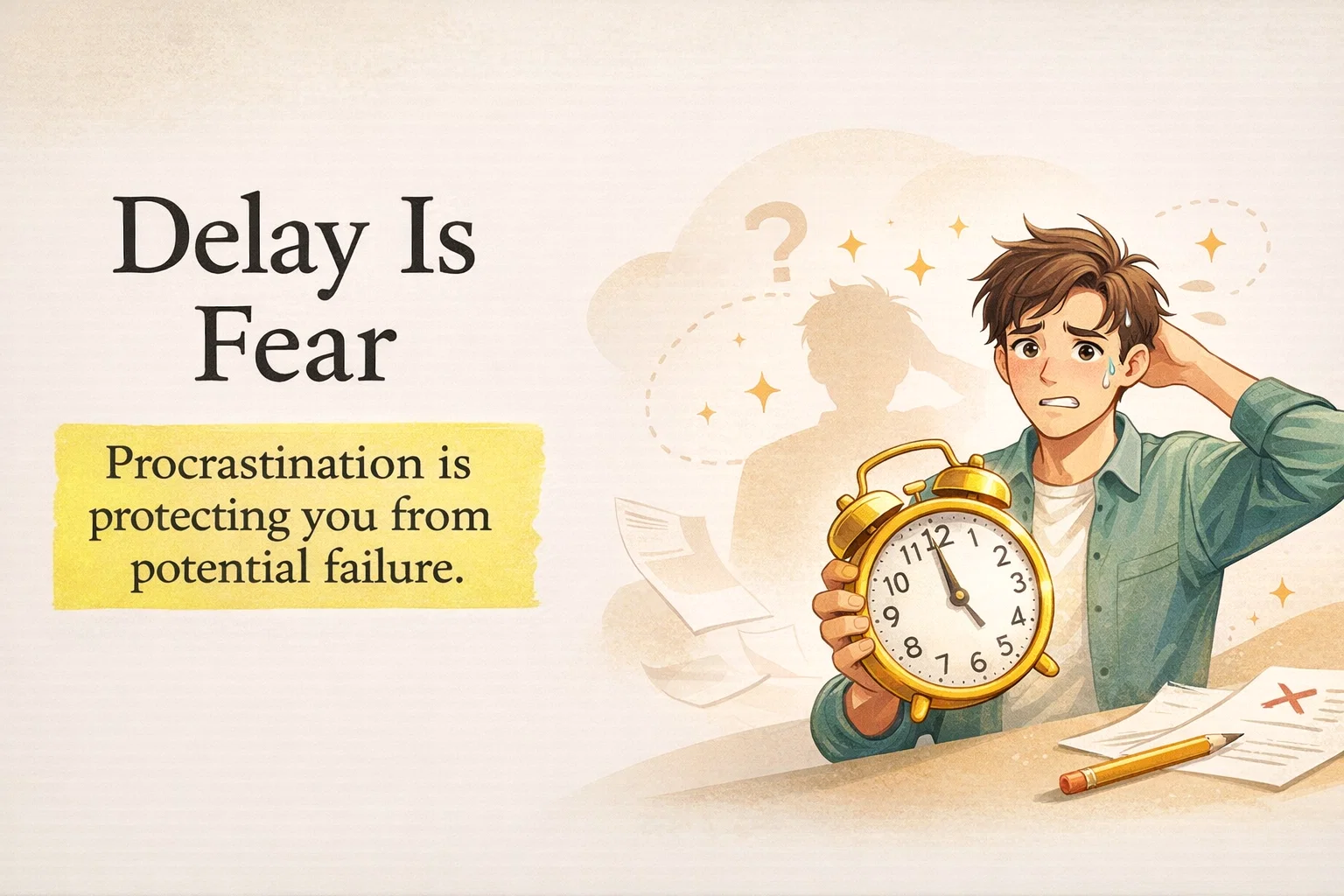
Ever found yourself staring at a growing to do list and thinking I will just tackle that tomorrow or the day after? This common feeling is not just about time management; it is often linked to our internal feelings about success and failure, as the quote by Codie Sanchez brilliantly points out: Delay Is Fear. If you have ever put off a big project or hesitated to start a new venture, you are probably procrastinating to protect yourself from the thought that you might not be good enough. This powerful message suggests that delay is essentially a shield against the scary possibility of failing, but the real kicker is that not trying is the ultimate failure.
In this post, we will explore why we procrastinate, how understanding the connection between fear and procrastination can help you get moving, and why embracing imperfect action is the real key to personal and professional growth.
The Hidden Reality Behind Delaying
Many of us label procrastination as laziness or a lack of motivation, but a deeper look reveals it is often a defense mechanism against our deepest anxieties. While it might look like you are avoiding work, you are actually protecting yourself from the emotional pain associated with potentially failing. This can stem from the pressure to be perfect or the fear that your best efforts might not be sufficient. Let’s look at the psychology behind this common struggle.
Procrastination as a Protective Mechanism
The highlighted portion of the image resonates so strongly because it gets to the core of why we hesitate. It protects the part of you that is scared you are not actually good enough. When we are worried about the quality of our work or how others will judge it, we put it off. It feels safer to delay because as long as the project is not finished, there is no risk of criticism or disappointment. You are not just avoiding work; you are protecting your self esteem from a perceived threat.
The Problem with Perfectionism
Perfectionism is a major contributor to procrastination. This is not about having high standards, which can be positive. It is about setting unrealistically high expectations and then avoiding tasks when you cannot meet them immediately. If you believe you must do something perfectly or not at all, you will almost always choose “not at all.” Recognizing the difference between striving for excellence and demanding perfection is crucial in breaking the cycle of delay.
Why Not Trying Is the Real Failure
The final part of the quote gives us a stark truth: not trying is the real failure. When we delay, we think we are avoiding failure, but we are actually just delaying success and guaranteeing we will not achieve our goals. Let’s break down why this is true and why the perceived safety of delay is an illusion.
The Regret of Inaction
The sting of a missed opportunity is often far worse than the discomfort of an imperfect attempt. When you do not start, you can wonder what if. Years later, you are more likely to regret the chances you did not take than the mistakes you made while trying. Real failure is not getting an answer you did not want, or having a project fall short of expectations, it is the quiet, lingering regret of knowing you did not even try.
Missing Out on Learning and Growth
Every failure is a learning experience, but you do not learn anything when you stay on the sidelines. Progress is built on a foundation of trial and error. By putting things off, you miss out on the valuable feedback that only action can provide. If you wait until you feel ready and perfect, you might never begin, and you will never grow.
Strategies for Overcoming the Fear of Not Being Good Enough
Now that we understand the psychological roots of procrastination, how can we fight it? The goal is not to eliminate fear, but to learn to act despite it. By adopting small, actionable steps, you can start building momentum and chip away at the self doubt that holds you back.
Break Tasks Down into Tiny, Manageable Steps
A huge project can feel overwhelming, feeding your fear and causing procrastination. Instead of focusing on the entire mountain you have to climb, focus on the first step. By breaking tasks into incredibly small parts, you make them feel less intimidating and reduce the pressure of perfection.
- Identify the single smallest action you can take. For example, if you want to write a blog post, your first step might be just to open a blank document.
- Set a timer for only five minutes and commit to working for that short amount of time. You will often find you can continue after the time is up.
- Focus purely on completion, not perfection, for the first few steps.
Focus on Progress, Not Perfection
Shift your goal from being perfect to simply making progress. Understand that every step forward is a victory, and mistakes are a natural part of any journey. Celebrate small wins along the way to build positive reinforcement.
- Track your small accomplishments daily, not just the massive milestones.
- Remind yourself that even a less than perfect attempt is better than inaction and will lead to growth.
- Think about the first version of your favorite software, a successful book, or any other great work. Chances are, it was not perfect, but it was started.
Embracing the Journey: Taking Action Despite Fear
Breaking the cycle of procrastination is a powerful step in taking control of your life and achieving your goals. The most important lesson is to understand that everyone feels fear and uncertainty. The difference between those who achieve their dreams and those who do not is not the absence of fear, but the ability to act despite it.
The Strength in Being Imperfect
When you start taking imperfect action, you build confidence and resilience. You show yourself that you are capable of facing challenges and that your value is not tied solely to the outcome of one single effort. Start believing that you are good enough, and the worst failure is simply to not have tried.
Conclusion: The Time to Act Is Now
So, what is the one thing you have been putting off? Is it a conversation you need to have, a project you want to start, or a goal you want to pursue? The next time you find yourself delaying, ask yourself: What is the underlying fear? Acknowledge it, understand it is just trying to protect you, and then take the smallest possible step towards action.
Remember, delay is fear. You are procrastination not because you are lazy, but because you are afraid. By understanding this, you can reclaim your power and move forward. Stop letting the fear of not being good enough hold you back. Real failure is not trying. The time to begin is right now.