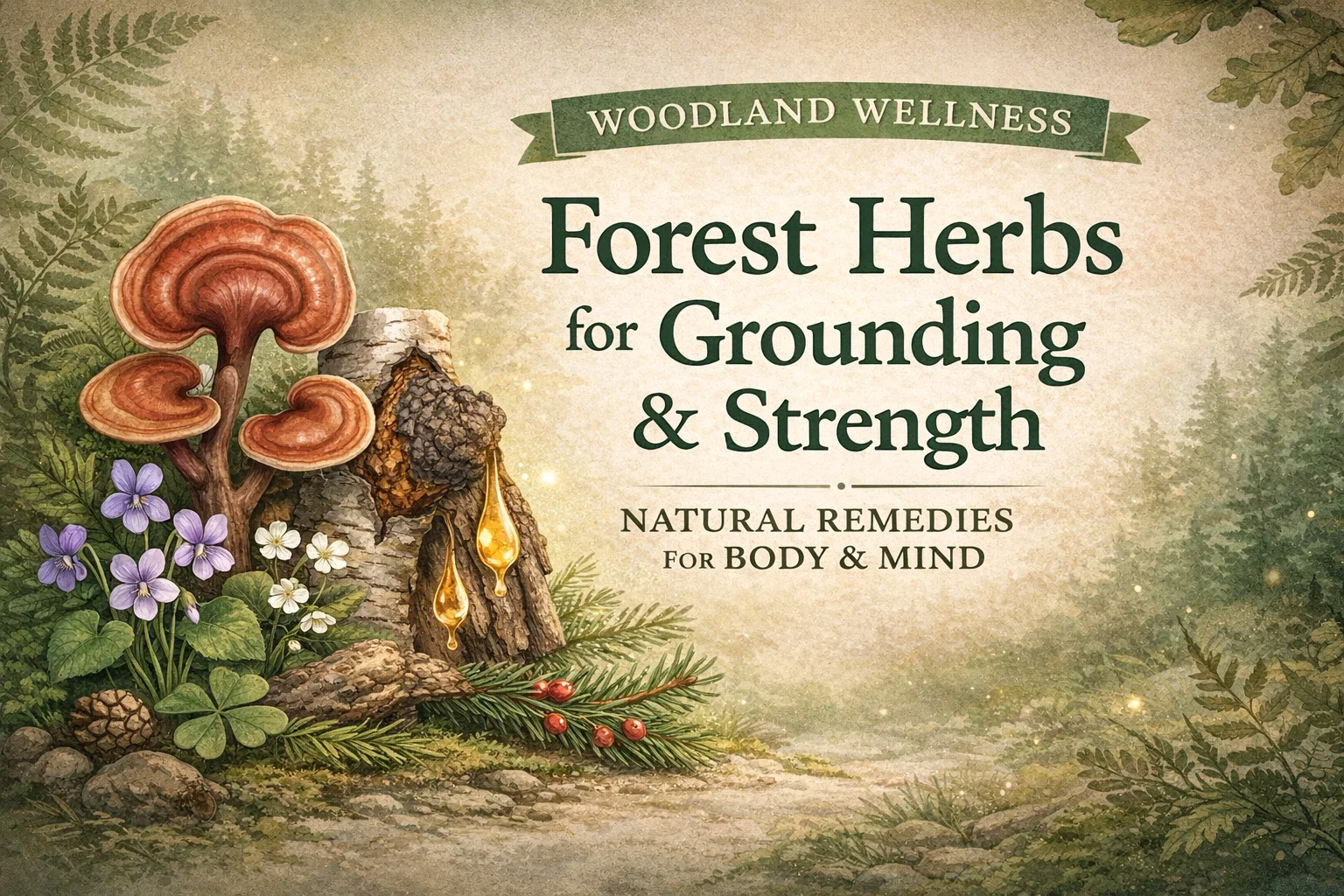
Woodland Wellness Forest Herbs for Grounding Strength Natural Herbal Remedies Guide
Welcome to a journey deep into the heart of the forest, where ancient wisdom and natural remedies await. In our increasingly fast paced and digital world, many of us feel a profound yearning to reconnect with the earth, to find moments of stillness, and to build resilience. While modern medicine has its place, there is an undeniably potent and grounding energy that comes from working with the gentle power of plants. The image we are exploring today is more than just a beautiful botanical illustration; it is a gateway to a practice of “Woodland Wellness,” offering a roadmap of forest herbs that have been revered for generations for their ability to provide both grounding and strength.
This beautifully crafted guide highlights nine distinct remedies sourced directly from the earth. Each one tells a story of survival, synergy, and deep connection to the ecosystem. From the silent power of ancient fungi to the delicate resilience of spring flowers, the forest holds a medicine cabinet unlike any other. Let us explore these gifts of the woods, understanding not just their uses and forms, but the profound sense of stability and vitality they can bring into our modern lives.
The Foundations of Grounding and Strength: Reishi and Birch
To cultivate true resilience, we must first focus on our foundations. In the world of woodland wellness, few elements are as potent and revered for this purpose as Reishi Mushroom and Birch Leaf. They represent two different yet complementary aspects of forest medicine: the enduring power of deep roots and the purifying clarity of renewal.
Reishi Mushroom: The Silent Guardian of Immunity and Calm
Often called the “mushroom of immortality,” Reishi has been a cornerstone of traditional medicine for thousands of years. In the image, we see its distinct, lacquer-like, kidney-shaped caps in varying shades of reddish-brown. This visual representation alone hints at its unique and powerful nature.
Uses: Immune Support and Stress Balance. Reishi is perhaps most famous as an adaptogen, a substance that helps the body adapt to and resist various stressors. In our context of grounding and strength, this means helping to soothe a frayed nervous system, bringing a sense of calm and perspective that is essential for feeling grounded. Furthermore, its profound immune-supporting properties build physical strength from the inside out, helping the body defend against illness.
Forms: Powder, Tea, Tincture. Accessing Reishi’s benefits can be done in several ways. The powder can be easily added to morning smoothies or elixirs. A long simmered tea or a professionally made tincture allows for a more traditional and potentially more potent extraction of its beneficial compounds.
Birch Leaf: Gentle Detox and Luminous Skin
Representing a lighter, more refreshing energy, the Birch Leaf is depicted in the illustration with its classic serrated edges and vibrant green hue. Birch trees are often some of the first to colonize new land, symbolizing vitality and new beginnings.
Uses: Gentle Detox and Skin Support. True strength often requires shedding what no longer serves us. Birch leaves act as a gentle diuretic, helping the body naturally flush out toxins and support kidney function. This inner purification is often reflected externally, making it a wonderful ally for skin health and promoting a clear, radiant complexion.
Forms: Tea, Dried Leaf. The simplest way to enjoy Birch is by steeping the dried leaves into a refreshing and mildly sweet tea. For those seeking targeted skin support, the cooled infusion can be used topically as a facial toner.
Cultivating Vitality and Resiliance: Chaga, Pine, and Yew
As we move deeper into the forest, we encounter remedies that build direct vitality and resilience. These elements embody the intense energy of the wild, providing both protective barriers and powerful inner strength.
Chaga: The Potent Force of Forest Antioxidants
Chaga looks less like a typical mushroom and more like a black, craggy burst of charcoal growing from the side of a birch tree. The illustration accurately captures this unique appearance, which is actually a sterile conk, not a fruiting body. This rugged exterior belies the incredible concentration of life-supporting compounds within.
Uses: Antioxidant Support and Vitality. Chaga is a nutritional powerhouse, packed with some of the highest levels of antioxidants found in nature. These compounds are crucial for fighting free radicals, supporting healthy aging, and providing a deep, sustained level of vitality. Consuming Chaga feels less like a quick energy boost and more like stoking a slow-burning fire of endurance.
Forms: Tea, Powder. Chaga must be extracted using heat to become bioavailable. The most common form is a long-simmered tea, often enjoyed on its own with a slightly earthy, vanilla like flavor, or the powder can be used in formulations.
Pine Resin: Nature’s Protective and Soothing Balm
Represented in the image by golden droplets of resin seeping from rough pine bark, Pine Resin symbolizes the forest’s ability to heal and protect itself. When a tree is wounded, this resin flows to seal the break, preventing infection and encouraging healing.
Uses: Wound Care and Respiratory Comfort. This ancient wisdom translates directly to human use. Pine resin has powerful antimicrobial and anti-inflammatory properties, making it an excellent base for salves used on minor cuts and scrapes. Historically, its steam has also been used to provide respiratory comfort, helping to soothe coughs and clear congestion.
Forms: Salve, Resin, Balm. While it can be found and harvested directly, pine resin is most commonly used as a key ingredient in homemade or professionally crafted salves and balms, which make its applications easy and mess-free.
Yew Tip: Honoring Tradition and Symbolism (With a Vital Note)
The image accurately includes the Yew Tip, noted as “illustrative only,” and shown with its distinct dark green needles and bright red, berry-like arils. This inclusion is powerful as it speaks to the historical and folkloric importance of forest plants.
Uses: Traditional Folklore Plant and Symbolic of Renewal. The Yew tree, known for its extreme longevity and ability to regenerate from its own decaying center, is a profound symbol of life, death, and renewal in many cultures. The Yew is a reminder that wellness involves not just the physical body, but also our connection to deep time, tradition, and symbolic meaning.
Forms: Decorative / Educational. It is essential to respect the note that this is illustrative only. Yew is highly toxic and should not be ingested. Its presence on the chart is a beautiful way to honor the spiritual and folkloric side of woodland connection without encouraging unsafe use.
Gentle Strength and Daily Support: Wild Violet, Sweet Fern, Wood Sorrel, and Forest Thyme
Our final category focuses on plants that offer gentle, daily support, making the practice of woodland wellness accessible and woven into the fabric of everyday life.
Wild Violet: Soothing the System from Within and Without
Depicted with its characteristic heart-shaped leaves and delicate purple flowers, the Wild Violet is a beloved symbol of spring and humility. Its medicine is as gentle as its appearance.
Uses: Soothing Skin and Lymph Support. Violets contain mucilage, which provides a wonderfully soothing effect, both when used topically on irritated skin and internally for the respiratory or digestive tract. Furthermore, they are respected for their ability to support the lymphatic system, a crucial part of the body’s detoxification and immune functions.
Forms: Tea, Syrup. Steeped violet leaf and flower tea is mild and comforting. A popular alternative is violet syrup, a traditional remedy often used to make soothing drinks for children and adults alike.
Shutterstock
Sweet Fern: Grounding Nerves and Calming Digestion
With its long, deeply indented leaves, the Sweet Fern might not look like a typical fern, but its fragrance when crushed is unmistakably sweet, resinous, and deeply comforting.
Uses: Calming Digestion and Grounding Nerves. This aromatic quality is key to its benefits. Sweet Fern has a gently carminative effect, helping to ease digestive discomfort. Perhaps even more powerfully, its scent alone has a profound grounding effect, making it a beautiful ally for calming frazzled nerves and easing anxiety.
Forms: Tea, Dried Leaf. A simple infusion of dried Sweet Fern leaves is a wonderful way to access both its digestive and nerve-calming properties.
Wood Sorrel: The Tangy, Refreshing Tonic
Easily mistaken for clover, Wood Sorrel is beautifully illustrated with its clusters of heart-shaped leaflets and small white, five petaled flowers. A single bite of its fresh leaves reveals its unique character.
Uses: Refreshing Tonic and Digestion Aid. Wood Sorrel is rich in Vitamin C and has a delightfully tangy, lemony taste. This brightness makes it a wonderful refreshing tonic, while its specific acidic compounds can help stimulate digestion, making it a great addition to salads or enjoyed as a fresh trail snack.
Forms: Fresh Leaf, Tea. Enjoying the fresh leaves in salads or as a garnish is the most common way to experience Wood Sorrel, but they can also be steeped into a bright and tangy tea.
Forest Thyme: Robust Immune and Respiratory Support
The image shows the delicate, clustered purple flowers and tiny leaves of Forest Thyme, a robust and aromatic little plant that thrives in dry, sunny woodland clearings.
Uses: Immune Care and Respiratory Support. Much like its cultivated cousin, Forest Thyme is packed with aromatic oils that have powerful antimicrobial properties. It is a fantastic ally for supporting immune health, particularly during cold and flu season. Its strength is also particularly suited to providing respiratory support, helping to ease congestion and fight off infections.
Forms: Tea, Dried Herb, Oil. A warming tea is the most common and accessible form. The dried herb can be used in cooking, and the essential oil can be powerful for topical applications or as part of a steam inhalation.
Conclusion: Weaving Woodland Wisdom into Modern Living
The journey through the forest herbs shown in this guide reveals a beautiful truth: that true wellness is not about complex, synthetic solutions, but about a deep and reciprocal relationship with the natural world. Each of these plants, fungi, and resins offers a unique blend of grounding and strength, helping us to navigate the challenges of modern life with greater resilience and a deeper sense of connection.
By learning about and incorporating these earth grown remedies, we are doing more than just taking a supplement; we are honoring ancient traditions, supporting sustainable practices, and embracing a more holistic way of living. We invite you to explore, with respect and mindfulness, the incredible gifts that the forest provides. May your path be grounded in the earth’s wisdom and your spirit strengthened by its enduring power. Start your own journey into Woodland Wellness today.