Wormwood Benefits Natural Remedy for Parasites, Digestion Gut Health
Have you ever stumbled across an herb that seems to do it all, yet somehow flies under the radar for most people? We often hear about turmeric or ginger, but there is an unsung hero in the world of herbal medicine that deserves a massive spotlight. That herb is Wormwood. If the name sounds familiar, you might associate it with the famous (or infamous) spirit Absinthe. But look beyond the folklore of the Green Fairy, and you will find one of the most potent, bitter tonics known to traditional and modern herbalism. It is a powerhouse for the digestive system, a fierce defender against parasites, and a general support for immune health.
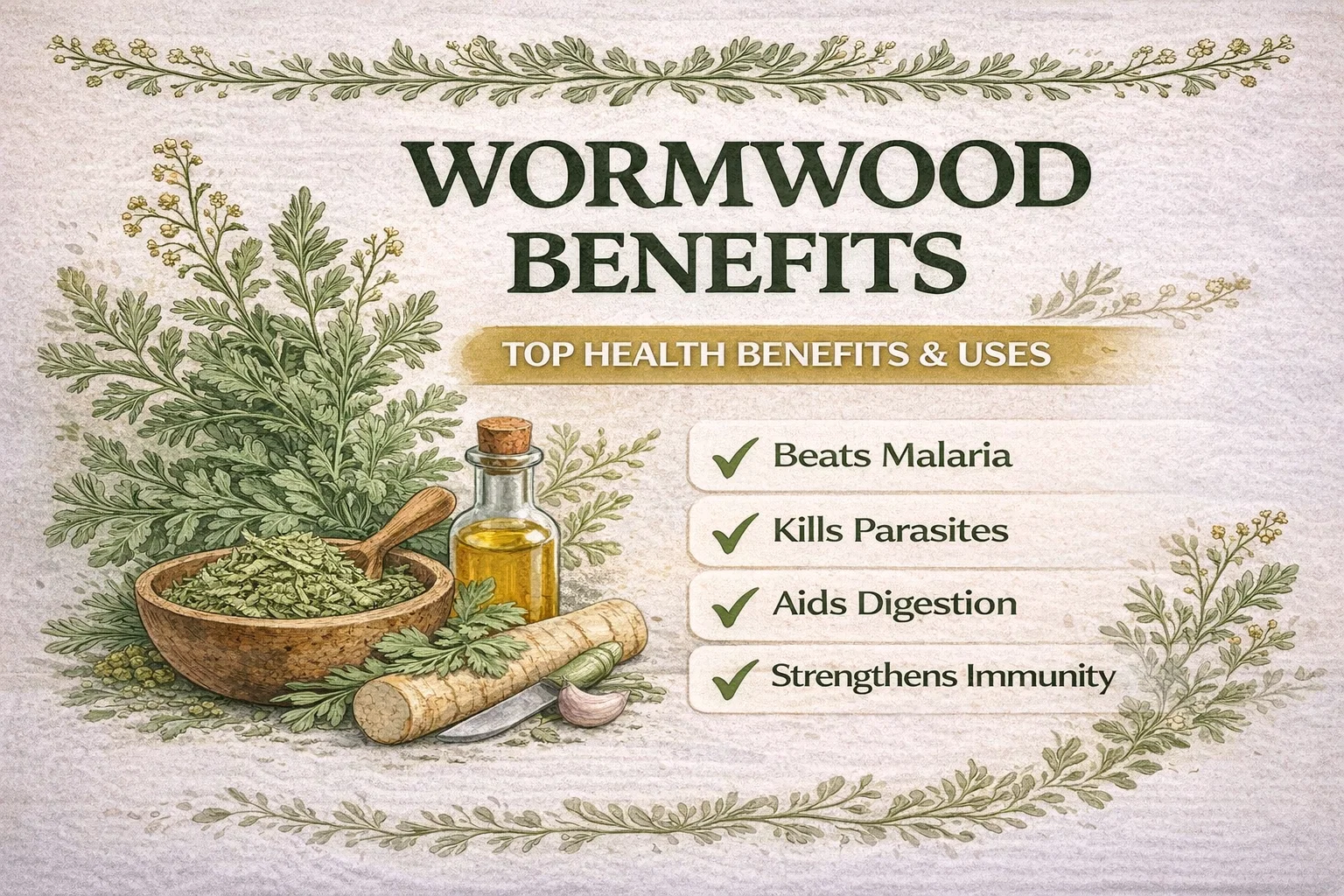
The image above perfectly captures the diverse range of benefits packed into this silver-green plant. From battling microscopic invaders like parasites to soothing chronic digestive issues like Crohn’s disease, Wormwood is not a subtle herb. It acts strongly and effectively. Whether you are looking to detoxify your body, improve your digestion after a heavy meal, or explore natural ways to manage inflammation, understanding Artemisia absinthium (its scientific name) is a game changer. Let’s dive deep into why this bitter herb should perhaps have a permanent place in your natural medicine cabinet.
The Ultimate Digestive Aid
If there is one thing Wormwood is famous for, it is its ability to interact with the digestive tract. In herbalism, we often say that “bitter is better” when it comes to digestion, and Wormwood is one of the bitterest substances on the planet. This isn’t a bad thing. That intense bitterness is exactly what triggers your body to wake up and get moving.
Supercharging Digestion and Metabolism
As noted in the chart, Wormwood significantly speeds up digestion. But how does it do that? When the bitter compounds in the herb hit your tongue, they send a signal via the vagus nerve to your digestive organs. This signal tells your stomach to produce acid, your pancreas to secrete enzymes, and your liver to produce bile. This process helps your body break down food more efficiently, preventing that sluggish, heavy feeling after eating. It essentially primes your metabolic engine, ensuring that fats are metabolized correctly and nutrients are absorbed rather than just passing through.
Liver and Gallbladder Support
Your liver and gallbladder are the unsung heroes of detoxification, and Wormwood is their greatest ally. By stimulating bile production and flow, this herb helps to flush out toxins and decongest the liver. Stagnant bile can lead to a host of issues, including gallstones and poor fat digestion. Regular use of bitter herbs like this can keep those fluids moving freely. The infographic highlights its ability to improve liver function, which is crucial in our modern world where we are constantly exposed to environmental toxins and processed foods. Think of it as a spring cleaning for your internal filter.
Tackling SIBO and Crohn’s Disease
One of the more specific and impressive benefits listed is its efficacy against SIBO (Small Intestinal Bacterial Overgrowth) and Crohn’s disease. SIBO is a notoriously difficult condition to treat, often involving an overgrowth of bacteria in the small intestine where they shouldn’t be. Wormwood’s powerful antimicrobial properties act as a natural antibiotic, helping to prune back this overgrowth without the devastating side effects often associated with pharmaceutical antibiotics. Similarly, for sufferers of Crohn’s disease, studies and traditional use suggest that it can aid in suppressing tumor necrosis factor (TNF), a cell signaling protein involved in systemic inflammation. By lowering these inflammatory markers, it can reduce the severity of symptoms and potentially lessen the need for steroids in some patients.
A Heavy Hitter: Anti-Parasitic and Anti-Microbial Properties
You cannot talk about this herb without mentioning its legendary status as a parasite cleanser. The name “Wormwood” itself is a dead giveaway. For centuries, it has been the go-to remedy for expelling intestinal worms and parasites.
The active compound responsible for much of this activity is artemisinin. This compound is so effective that it has been used as a base for potent anti-malarial drugs. As the image states, it “Beats Malaria,” which is a massive claim backed by Nobel Prize-winning research regarding artemisinin. While we hopefully aren’t battling malaria in our daily lives, the anti-parasitic nature extends to common intestinal nuisances that can cause fatigue, bloating, and nutrient deficiencies.
Beyond parasites, the plant is a broad-spectrum antimicrobial, antifungal, and antiviral agent. It creates an environment in the body where pathogens simply cannot thrive. Whether it is fighting off a fungal infection like Candida or keeping bacterial loads in check, adding this herb to your regimen acts as a formidable shield. It supports blood purification, helping to clear the bloodstream of foreign entities and toxins that could otherwise burden the immune system.
Healing Beyond the Gut: Skin, Sleep, and Pain
While the gut is its primary domain, the benefits of this silver-leafed plant extend to the nervous system and the skin. It is a versatile healer that addresses multiple systems simultaneously.
Relieving Pain and Fever
Historically, before we had cabinets full of synthetic painkillers, bitter herbs were used to manage pain and reduce fevers. The antipyretic (fever-reducing) properties mentioned in the graphic make it a useful ally during the flu season. Additionally, it has been used to relieve headaches. This is likely linked to its ability to improve circulation and reduce liver tension, as in Traditional Chinese Medicine, headaches are often associated with liver stagnation. By clearing the liver, you clear the head.
Wound Healing and Skin Health
Applied topically (usually as a diluted oil or poultice), the antimicrobial nature of the plant helps heal skin wounds and prevent infection. It speeds up the recovery process for cuts, grazes, and insect bites. Its anti-inflammatory action also helps reduce redness and swelling, making it a soothing application for irritated skin.
Insomnia and The Nervous System
It might seem contradictory that an herb known for stimulating digestion is also good for insomnia, but it makes perfect sense when you look at the body holistically. Often, restless sleep is caused by digestive distress or an overburdened liver that is working overtime at night. By settling the stomach and calming the liver, Wormwood creates the physical conditions necessary for deep, restorative sleep. Furthermore, historically, mild doses were said to calm the nerves and regulate the nervous system, helping to ease the tension that keeps us awake at night.
The Cancer Connection
The image mentions that it “Kills Cancer Cells.” This is a profound statement that requires a nuanced understanding. Research into artemisinin has shown incredibly promising results in laboratory settings, where the compound appears to target cancer cells specifically due to their high iron content. When artemisinin comes into contact with high iron concentrations, it creates free radicals that damage and kill the cell. While it is not a standalone “cure” and should always be discussed with an oncologist, its potential as a complementary therapy is a huge area of interest in modern integrative oncology. It highlights just how powerful the chemical constituents of this plant truly are.
Incorporating It Into Your Routine
Now that we understand the “why,” the question becomes the “how.” Because of its intense flavor, you aren’t likely to sprinkle fresh wormwood leaves on your salad like parsley.
- Tea: The most traditional method is an infusion. Be warned, it is incredibly bitter. A small cup before meals can work wonders for digestion. You can mix it with mint or anise to make it more palatable.
- Tinctures: Alcohol extracts are very common and easier to take than tea. A few drops on the tongue or in a small glass of water is usually sufficient to trigger the digestive benefits.
- Essential Oil: This should be used with great caution and usually only externally. It can be diluted in a carrier oil for massaging into the stomach or on sore muscles.
A Note of Caution: Because this is a powerful medicinal herb, it contains thujone, a compound that can be toxic in large amounts over long periods. It is generally recommended to use it in short cycles (e.g., two weeks on, two weeks off) rather than as a daily supplement forever. It is also typically avoided during pregnancy due to its stimulating effects on the uterus.
Embracing the Bitter Path to Health
In a world obsessed with sweet and salty flavors, we have largely lost touch with the bitter taste that our ancestors valued so highly. Wormwood invites us to bring that balance back. It reminds us that sometimes, the things that challenge our palate are the very things that heal our bodies. From its impressive ability to reboot a sluggish digestive system to its microscopic warfare against parasites and bacteria, it is truly a medicine cabinet in a single plant.
If you are struggling with unexplained digestive issues, low energy, or just want to ensure your body is free of unwanted guests, this ancient herb might be the modern solution you have been looking for. It is time to stop fearing the bitterness and start embracing the benefits. After all, a healthy gut is the foundation of a healthy life, and few plants guard that foundation as fiercely as Wormwood.