How to Create a Sustainable Backyard Ultimate Guide to Self-Reliance and Off-Grid Living
Transforming a standard backyard into a flourishing, self-reliant ecosystem is one of the most rewarding projects a homeowner can undertake. Whether you are motivated by a desire for food security, a smaller environmental footprint, or the simple joy of working with your hands, the journey toward sustainability starts exactly where you are. Self-sufficiency is not an all-or-nothing lifestyle that requires a hundred-acre farm; rather, it is a collection of systems that work together to provide for your needs right outside your back door. By integrating water management, energy production, and intensive gardening, you can create a sanctuary that feeds your family and restores the land.
The Foundation of Water Management and Irrigation
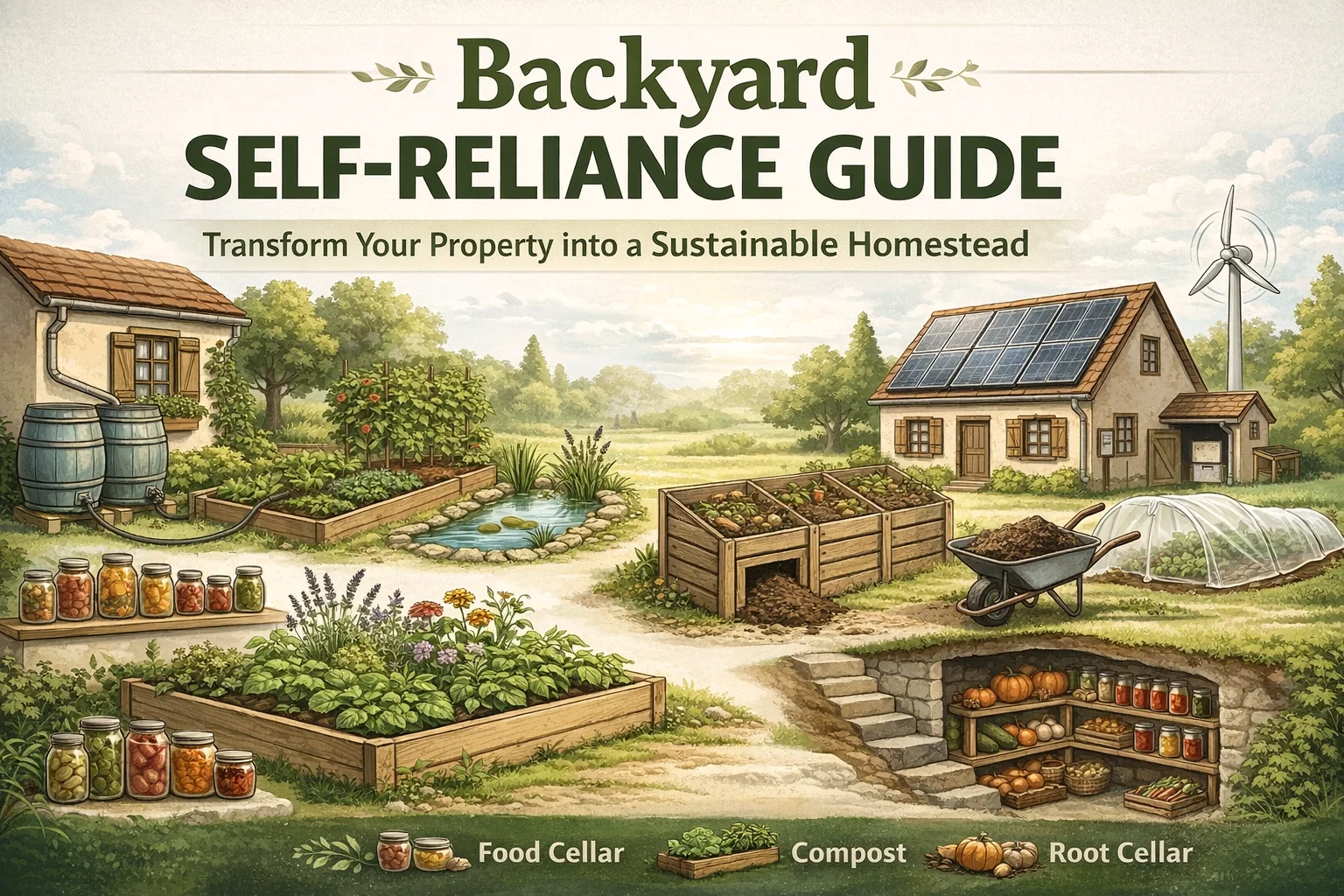
Every sustainable paradise begins with water. Without a reliable and efficient way to manage this precious resource, a productive garden remains vulnerable to the whims of the weather. Implementing a rainwater harvesting system is the first step toward independence from municipal lines or depleting wells. By collecting runoff from the roof of your house or shed, you can store hundreds of gallons of soft, chlorine-free water that plants absolutely love. Large barrels or specialized tanks positioned at downspouts provide a gravity-fed supply that is perfect for maintaining your crops during dry spells.
To make the most of your stored water, look toward drip irrigation systems. Unlike overhead sprinklers that lose a significant amount of moisture to evaporation, drip lines deliver water directly to the base of the plants. This targeted approach keeps the foliage dry, which significantly reduces the risk of fungal diseases, while ensuring the roots receive deep, consistent hydration. When you combine rainwater collection with efficient delivery, you create a closed-loop system that minimizes waste and maximizes growth.
Building a Backyard Ecosystem with Ponds
Beyond simple irrigation, adding a small pond to your property can dramatically increase biodiversity. A water feature acts as a cooling element for the microclimate and provides a habitat for beneficial insects, frogs, and birds that naturally manage garden pests. This ecological balance is a hallmark of a truly self-reliant backyard, where nature does the heavy lifting so you do not have to rely on chemical interventions.
Harnessing Off-Grid Power for the Modern Homestead
Energy independence is a core pillar of the sustainable home. Integrating renewable energy sources allows you to power essential outdoor tools, lighting, and even automated irrigation pumps without adding to your monthly utility bill. Solar panels are more accessible than ever and can be mounted on the roof of a shed, greenhouse, or main residence to capture the sun’s abundant energy. Even a small-scale solar array can generate enough electricity to keep your greenhouse fans running or provide light for your evening chores.
In areas with consistent airflow, small wind turbines can complement solar power, especially during the winter months when daylight hours are shorter but wind speeds are often higher. By diversifying your energy sources, you ensure that your backyard systems remain operational year-round. These off-grid solutions not only provide a safety net during power outages but also align your daily life with the natural rhythms of the environment.
The Art of the Medicinal Garden
True self-reliance extends beyond the dinner plate and into the medicine cabinet. A dedicated medicinal garden is a space where you can grow healing herbs used for teas, salves, and natural remedies. Plants like lavender, calendula, peppermint, and echinacea are not only beautiful and fragrant but also possess potent properties that support wellness. Growing your own apothecary ensures that you have access to high-quality, organic ingredients for everything from soothing a sore throat to treating a minor skin irritation.
Designing Your Healing Space
When planning a medicinal garden, consider using raised beds to control soil quality and drainage. Grouping plants by their sunlight and water requirements makes maintenance much easier. Many medicinal herbs also double as excellent companion plants for your vegetables, attracting pollinators and warding off harmful insects. This dual-purpose approach is the essence of smart backyard design, where every plant serves multiple roles in the overall health of the ecosystem.
Intensive Food Production and Vertical Gardening
For many, the biggest challenge to self-sufficiency is a lack of space. However, vertical gardening techniques allow you to grow a massive amount of food in a tiny footprint. By training plants to grow upward on trellises, fences, and towers, you can produce cucumbers, squash, beans, and even small melons in areas that would otherwise be wasted. Vertical gardening also improves airflow around the plants and makes harvesting much easier on your back.
Stacked planters and tiered garden beds are another excellent way to maximize production. These structures allow you to grow leafy greens, strawberries, and herbs in a compact area. When you combine vertical methods with traditional garden beds, your backyard becomes a multi-layered food forest that provides a diverse diet throughout the growing season. The key is to think in three dimensions and utilize every square inch of available sunlight.
Closing the Loop with Composting
A sustainable paradise should produce no waste. Composting is the magical process that turns kitchen scraps and garden debris into “black gold” for your soil. By setting up a multi-bin composting system, you can manage the decomposition process efficiently. Brown materials like dried leaves and cardboard provide carbon, while green materials like vegetable peels and grass clippings provide nitrogen. Together, they break down into a rich soil amendment that replenishes the nutrients your plants have extracted.
Regularly adding compost to your garden beds improves soil structure, increases water retention, and introduces beneficial microbes. This reduces the need for store-bought fertilizers and keeps your garden thriving year after year. It is the ultimate form of recycling, ensuring that the energy from your harvest eventually returns to the earth to feed the next generation of crops.
Mastering Food Preservation and Storage
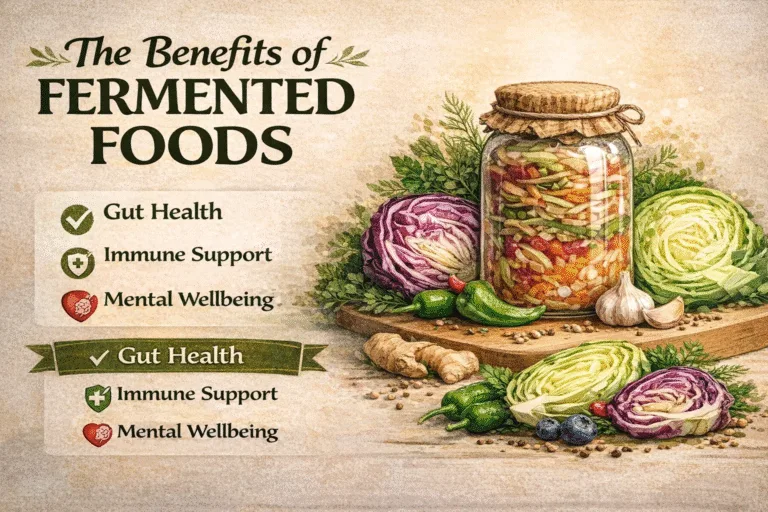
Growing a massive harvest is only half the battle; the other half is making sure that food lasts through the winter. A self-reliant home must have a plan for food preservation. Techniques like canning, dehydrating, and fermenting allow you to lock in the peak flavor and nutrition of your summer produce. A well-stocked pantry filled with jars of tomato sauce, dried herbs, and fermented sauerkraut is a source of immense pride and security.
The Traditional Root Cellar
For long-term storage of hardy vegetables, nothing beats a root cellar. This underground or semi-underground space uses the earth’s natural insulation to maintain cool, dark, and humid conditions. Potatoes, carrots, onions, and winter squash can stay fresh for months in a properly designed cellar. By utilizing the stable temperature of the ground, you can store hundreds of pounds of food without using a single watt of electricity. It is a time-tested method that remains one of the most effective tools for the modern homesteader.
Extending the Seasons for Year-Round Harvests
To achieve true food independence, you need to find ways to grow food even when the weather turns cold. Season-extending structures like greenhouses, cold frames, and row covers act as a shield against frost and wind. A simple greenhouse can trap solar heat and provide a protected environment for starting seeds early in the spring or keeping hardy greens growing deep into the winter.
Cold frames are essentially miniature greenhouses that sit low to the ground, perfect for protecting spinach, kale, and leeks during a freeze. Row covers made of lightweight fabric can be draped over garden beds to provide a few extra degrees of warmth during chilly nights. These tools allow you to push the boundaries of your local climate, effectively adding weeks or even months to your productive growing window.
Conclusion: Every Step Toward Self-Sufficiency Counts
Building a self-reliant backyard is a journey of a thousand small steps. It is not about achieving perfection overnight, but about consistently improving your relationship with the land and the resources available to you. Start by picking one system that resonates with you, perhaps a small herb garden or a compost bin, and master it before moving on to the next. As you layer these systems together, you will find that your property begins to take on a life of its own, becoming more resilient and productive with each passing season.
The transition to a sustainable paradise offers more than just fresh food and lower bills; it provides a profound sense of connection to the natural world and a deep satisfaction in knowing that you can provide for yourself. Whether you have a sprawling suburban lot or a small urban yard, the principles of self-reliance remain the same. By managing your water, harnessing the sun, and nurturing the soil, you are creating a legacy of sustainability that will benefit you and your community for years to come. Now is the perfect time to get outside and start building your own backyard sanctuary.