10 Foods That Harm Your Liver to Avoid for Better Liver Health
Your liver plays a vital role in keeping your body balanced by processing nutrients, filtering substances, and supporting overall wellness. Every day, the choices you make at the table can influence how well this important organ functions. While the liver is naturally designed to handle many challenges, a diet high in certain foods may increase stress on the body over time.
This guide explores common foods that may negatively affect liver health when consumed frequently, including sugary drinks, highly processed foods, unhealthy fats, and excessive amounts of refined carbohydrates. Understanding which foods to limit and what healthier alternatives to choose can help you build better eating habits and support long-term wellness.
Key Takeaways
- Some foods can increase liver stress when eaten regularly and in large amounts.
- Sugary beverages and processed foods are common dietary concerns for liver wellness.
- A balanced diet with whole foods can support healthier liver function.
- Reducing unhealthy fats, excess sugar, and highly refined foods may improve overall nutrition.
- Small daily food choices can create meaningful long-term health habits.
Understanding How Food Affects Liver Health
The liver is one of the body’s hardest-working organs. It helps process nutrients from food, supports digestion, and assists with removing unwanted substances from the bloodstream. Because of its many responsibilities, the liver is strongly connected to daily lifestyle choices, especially eating patterns.
A diet that regularly includes large amounts of added sugar, unhealthy fats, processed ingredients, and excessive calories may contribute to fat accumulation and inflammation in the body. Over time, these patterns can place additional pressure on the liver and may affect overall health.
Important: Supporting liver health is not about avoiding one single food forever. It is about creating a balanced eating pattern with more nourishing foods, reasonable portions, and consistent healthy habits.
10 Foods That May Harm Your Liver When Overconsumed
1. Alcohol
Alcohol is one of the most commonly recognized substances that can affect liver health. The liver breaks down alcohol, but frequent or excessive intake can place significant stress on liver cells.
Reducing alcohol consumption or avoiding it completely can be an important step for people who want to support their liver wellness. Balanced choices and moderation are key parts of a healthy lifestyle.
2. Fried and Fast Foods
Fried foods often contain high levels of unhealthy fats and calories. Regularly eating foods such as deep-fried snacks, fast-food meals, and heavily fried dishes may contribute to unwanted fat buildup in the body.
Choosing grilled, baked, or air-fried options can help reduce the amount of unhealthy fat in your meals while still allowing you to enjoy flavorful foods.
3. Sugary Drinks
Sodas, sweetened beverages, and energy drinks can contain large amounts of added sugar. Drinking these frequently can make it easier to consume more sugar than your body needs.
Water, unsweetened tea, and naturally flavored drinks are simple alternatives that can support healthier hydration habits.
4. Processed Meats
Processed meats often contain added sodium, preservatives, and other ingredients used to improve flavor and shelf life. Examples include certain types of sausages, deli meats, and packaged meat products.
Replacing some processed meats with fresh sources of protein such as fish, eggs, beans, or lean meats can create a more balanced diet.
5. Refined Carbohydrates
Refined carbohydrates, including some white breads, pastries, and highly processed grain products, can quickly affect blood sugar levels. Eating too many refined foods may make it harder to maintain balanced nutrition.
Whole grains, vegetables, and fiber-rich foods provide more nutrients and can help create more satisfying meals.
6. High-Fructose Foods
Foods and drinks high in added fructose may contribute to excessive sugar intake. Many sweetened snacks, desserts, and packaged products contain added sugars that can quickly increase calorie consumption.
Reading food labels and choosing naturally sweet options such as whole fruits can help reduce unnecessary added sugars.
7. Excess Salt
Too much sodium can affect overall wellness and may contribute to fluid balance issues in the body. Many processed foods contain more salt than people realize.
Cooking more meals at home and using herbs and spices instead of relying heavily on salt can improve your overall diet quality.
8. Artificially Sweetened Products
Artificial sweeteners are found in many low-calorie products. While they can help some people reduce sugar intake, relying heavily on processed sweetened foods may not support a balanced eating pattern.
Focusing on whole, minimally processed foods is often a helpful approach for overall nutrition.
9. Trans Fats and Hydrogenated Oils
Some processed foods contain unhealthy fats that may negatively affect overall health. Checking ingredient labels for hydrogenated oils can help you make more informed choices.
Healthy fats from sources like nuts, seeds, and certain plant oils can be better alternatives when included as part of a balanced diet.
10. Excess Red Meat
Red meat can provide important nutrients, but consuming large portions frequently may not fit into a balanced eating plan for everyone. Portion control and variety are important when choosing protein sources.
Adding more plant-based proteins, seafood, and lean protein options can create more variety in your meals.
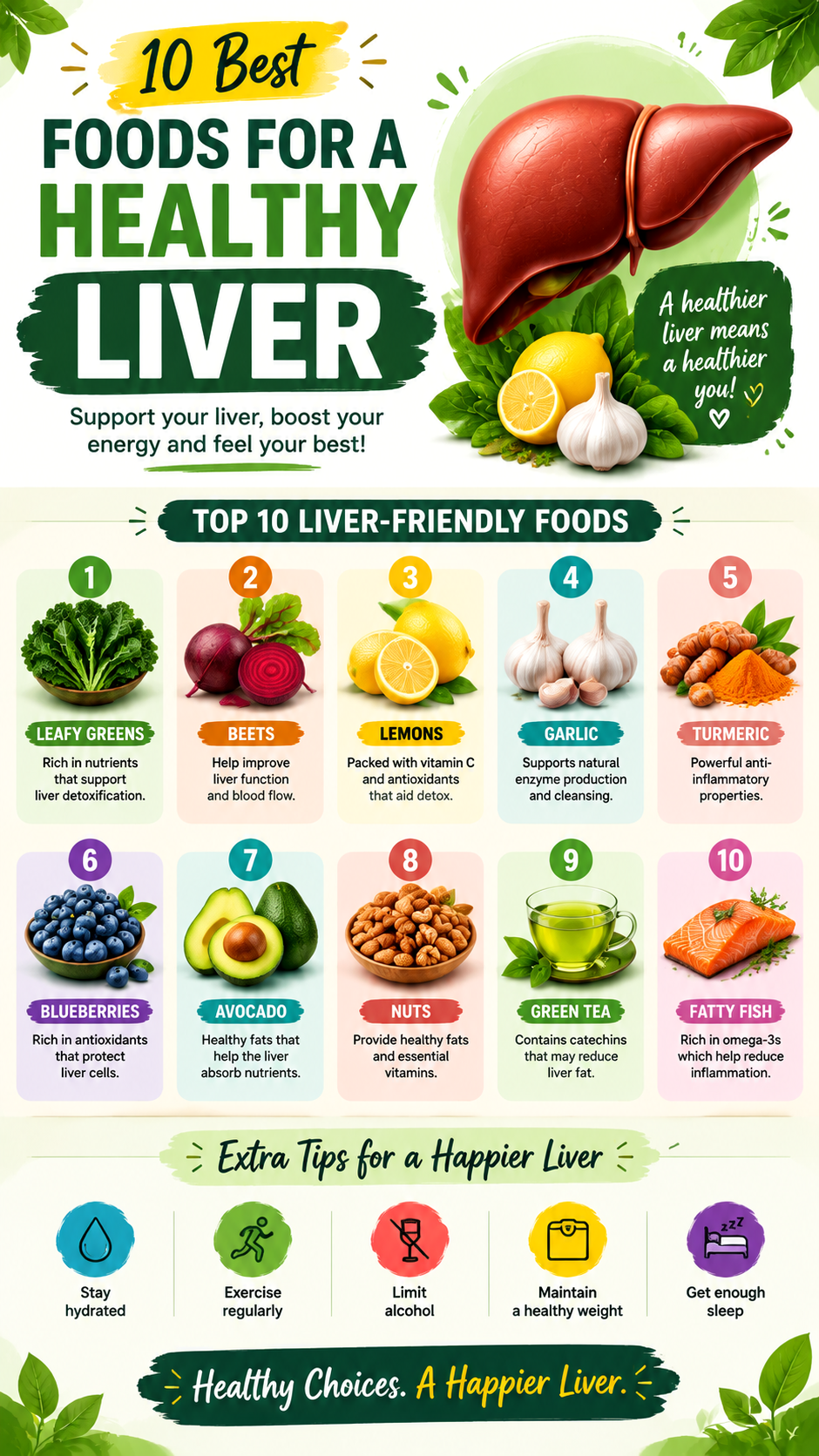
Foods That Support a Healthier Liver
While some foods may contribute to liver stress when eaten too often, many nutritious foods can support a balanced lifestyle. A liver-friendly diet usually focuses on whole foods that provide vitamins, minerals, fiber, and beneficial nutrients.
- Vegetables: Leafy greens, broccoli, and colorful vegetables provide important nutrients.
- Fruits: Whole fruits offer natural sweetness along with fiber.
- Whole grains: Foods like oats and whole grain options provide lasting energy.
- Healthy fats: Nuts, seeds, and plant-based oils can add valuable nutrients.
- Lean proteins: Fish, poultry, beans, and legumes support balanced meals.
Simple Daily Habits to Protect Your Liver
Liver health is influenced by more than food alone. Daily habits such as staying active, drinking enough water, getting quality sleep, and maintaining regular health checkups all contribute to overall wellness.
Expert Insight
- Focus on consistency rather than perfection.
- Small food swaps can create healthier routines over time.
- A balanced lifestyle supports your body’s natural functions.
At a Glance
- Limit highly processed foods and added sugars.
- Choose more whole foods and balanced meals.
- Stay active and maintain healthy routines.
- Make gradual changes that are easier to maintain.
Conclusion: Make Everyday Choices That Support Liver Wellness
Your liver works continuously to support your body’s health, and the foods you choose can play an important role in your overall wellness routine. Reducing highly processed foods, limiting excess sugar, and choosing more nutrient-rich options are practical steps that can help create a healthier lifestyle.
Remember that healthy eating is about balance, not restriction. By making small improvements one meal at a time, you can build habits that support your liver and your long-term well-being.
Tags
Liver Health
Healthy Eating
Liver Care
Nutrition Tips
Healthy Lifestyle
Clean Eating
Wellness Tips