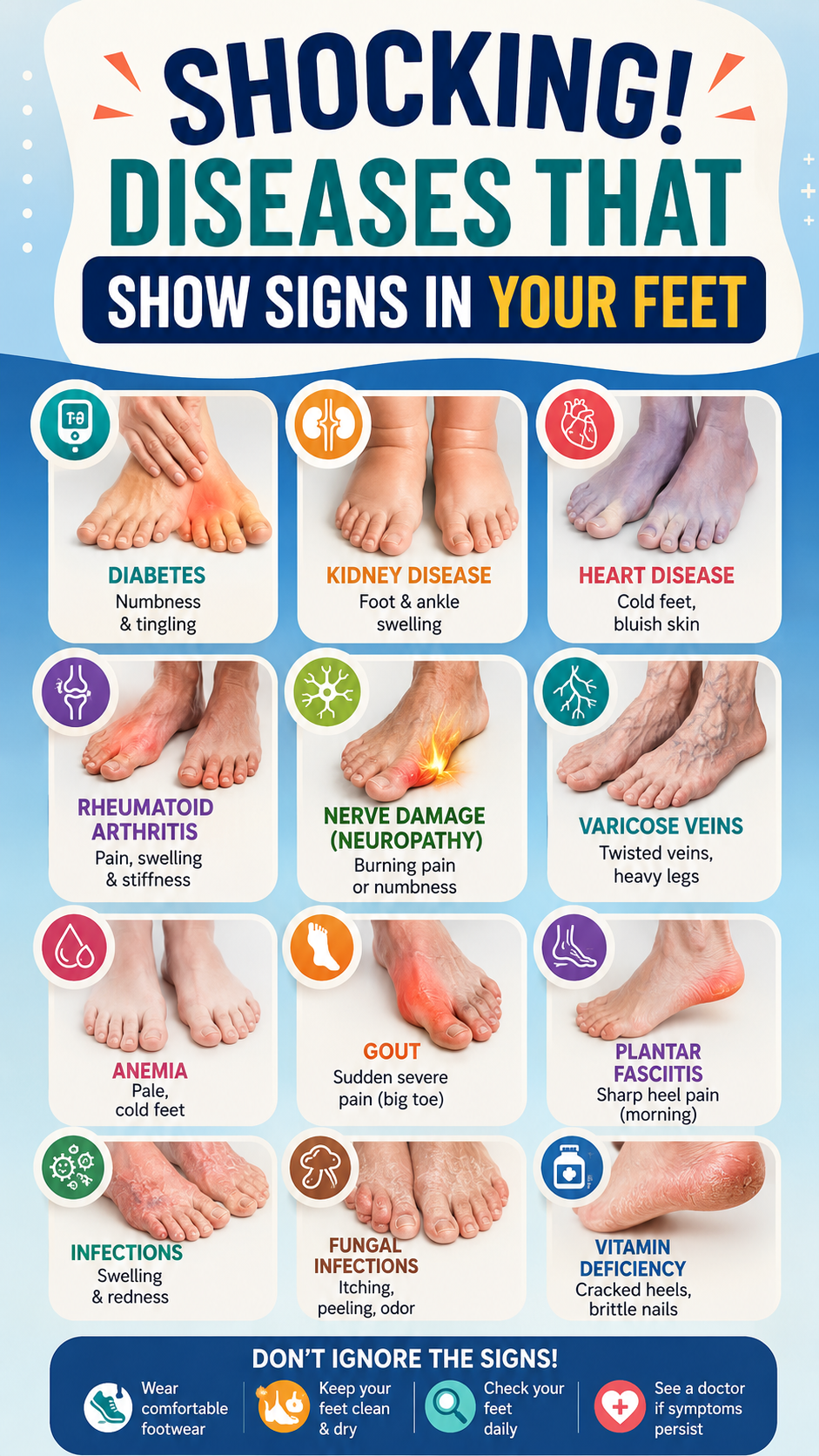
12 Foot Warning Signs That May Reveal Hidden Health Problems You Shouldnt Ignore
Your feet do far more than support your body throughout the day. They can also provide valuable clues about your overall health. Changes in skin color, temperature, swelling, sensation, or pain may sometimes point to underlying medical conditions that deserve attention. While many foot problems are caused by everyday issues such as improper footwear or overuse, others may be early warning signs of more serious health concerns.
Recognizing these symptoms does not mean jumping to conclusions or diagnosing yourself. Instead, it encourages paying closer attention to your body and seeking professional medical advice when unusual changes appear. Understanding what your feet might be telling you can help you identify potential health problems earlier, leading to more effective treatment and better long-term outcomes.
Key Takeaways
- Your feet can sometimes reveal early signs of systemic health conditions.
- Persistent numbness, swelling, pain, or color changes should never be ignored.
- Many common foot symptoms have multiple possible causes and require proper medical evaluation.
- Good daily foot care supports comfort, mobility, and overall wellness.
- Early treatment often helps prevent more serious complications.
Why Your Feet Can Reflect Your Overall Health
Your feet contain thousands of nerve endings, numerous blood vessels, muscles, joints, and bones that work together every time you stand or walk. Because circulation and nerve function play such important roles in foot health, medical conditions affecting these systems often show symptoms in the feet before they become obvious elsewhere.
Important: Foot symptoms alone cannot confirm a disease. However, persistent changes that do not improve or suddenly appear deserve evaluation by a qualified healthcare professional.
Common Health Conditions That May Affect Your Feet
Diabetes and Numbness
Diabetes can affect both blood circulation and nerve function. Many people experience numbness, tingling, burning sensations, or reduced feeling in their feet due to diabetic neuropathy.
Reduced sensation increases the risk of unnoticed cuts, blisters, or infections. Daily foot inspections and proper blood sugar management are essential parts of diabetes care.
- Tingling sensations
- Loss of feeling
- Slow-healing wounds
- Burning discomfort
Kidney Disease and Swollen Feet
The kidneys help regulate fluid balance throughout the body. When kidney function declines, excess fluid may accumulate, causing swelling around the ankles and feet.
Swelling can also result from many other conditions, including prolonged standing, medications, pregnancy, or circulation problems. Persistent swelling should always be evaluated to determine the underlying cause.
Heart Disease and Circulation Changes
Poor circulation may cause feet to feel unusually cold or appear bluish or pale. When blood flow becomes reduced, tissues receive less oxygen, sometimes leading to noticeable skin color changes.
Heart-related circulation issues often occur alongside symptoms such as shortness of breath, chest discomfort, fatigue, or leg swelling. Prompt medical evaluation is important whenever these symptoms appear together.
Rheumatoid Arthritis
Rheumatoid arthritis is an autoimmune condition that frequently affects the small joints of the feet. Morning stiffness, swelling, tenderness, and difficulty walking may gradually develop.
Early diagnosis and treatment help reduce joint damage while improving mobility and quality of life.
Peripheral Neuropathy
Peripheral neuropathy refers to nerve damage caused by many different conditions, including diabetes, vitamin deficiencies, certain medications, alcohol misuse, infections, and autoimmune diseases.
Common symptoms include:
- Burning pain
- Numbness
- Sharp or shooting sensations
- Balance problems
- Increased sensitivity
Expert Insight
Many foot symptoms overlap between different medical conditions. Rather than assuming one specific diagnosis, focus on recognizing persistent changes and discussing them with your healthcare provider.
Varicose Veins
Varicose veins develop when vein valves weaken, allowing blood to pool inside enlarged veins. This often causes aching legs, visible twisted veins, heaviness, and swelling.
Regular movement, maintaining a healthy weight, and following medical advice can help improve comfort and circulation.
Anemia
Anemia reduces the blood’s oxygen-carrying capacity, which may contribute to cold feet, pale skin, fatigue, weakness, and dizziness.
Several different forms of anemia exist, each requiring appropriate diagnosis and treatment based on the underlying cause.
Gout
Gout is a form of inflammatory arthritis that commonly affects the big toe. The pain often appears suddenly and may become extremely intense within hours.
Typical symptoms include:
- Sudden severe joint pain
- Redness
- Swelling
- Warmth around the affected joint
Pro Tip: Sudden, severe pain in the big toe should never be ignored. Early treatment often shortens flare duration and helps prevent future attacks.
Plantar Fasciitis
One of the most common causes of heel pain, plantar fasciitis develops when the thick band of tissue supporting the arch becomes irritated.
People often notice sharp pain with their first few steps in the morning that gradually improves with movement before sometimes returning later in the day.
Helpful management strategies may include:
- Stretching exercises
- Supportive footwear
- Activity modification
- Medical evaluation if symptoms persist
Foot Infections
Redness, warmth, swelling, tenderness, or drainage may indicate an infection. Small injuries, cuts, or blisters can sometimes become infected, particularly in people with diabetes or weakened immune systems.
Prompt treatment helps reduce the risk of complications.
Fungal Infections
Fungal infections commonly affect the skin between the toes or the toenails. Symptoms may include itching, peeling, cracking, odor, discoloration, or thickened nails.
Keeping feet clean and dry while wearing breathable footwear helps reduce the risk of recurring infections.
Vitamin Deficiencies
Certain vitamin and mineral deficiencies may contribute to brittle nails, dry skin, cracked heels, muscle weakness, or nerve symptoms. A balanced diet supports healthy skin, nerves, and connective tissues.
Supplements should only be taken after discussing your nutritional needs with a healthcare provider.
When Should You Seek Medical Care?
Although many foot problems are harmless, some symptoms require prompt medical attention.
- Sudden loss of feeling
- Persistent swelling
- Severe unexplained pain
- Open wounds that do not heal
- Signs of infection
- Rapid skin color changes
- Difficulty walking
Important: Individuals with diabetes should examine their feet every day. Even small cuts or blisters can become serious if left untreated.
Daily Habits That Help Keep Your Feet Healthy
Practice Good Foot Hygiene
- Wash feet daily
- Dry carefully between the toes
- Moisturize dry skin while avoiding excess moisture between toes
Choose Proper Footwear
Comfortable, supportive shoes reduce unnecessary stress on the feet and help prevent injuries. Replace worn footwear when cushioning and support begin to decline.
Stay Physically Active
Regular exercise promotes healthy circulation, strengthens muscles, and supports overall cardiovascular health.
Maintain Regular Health Checkups
Routine medical visits allow healthcare providers to detect problems before they become more serious, especially if you have diabetes, heart disease, kidney disease, or circulation disorders.
At a Glance
- Check your feet regularly for changes.
- Persistent numbness, swelling, or pain deserves medical evaluation.
- Supportive footwear protects foot health.
- Good circulation and healthy lifestyle habits benefit your entire body.
- Early attention often prevents complications.
Conclusion
Your feet often provide valuable insight into your overall health. While many symptoms have simple explanations, ongoing numbness, swelling, discoloration, persistent pain, or recurring infections should never be dismissed. Paying attention to these changes allows you to seek medical care earlier and potentially prevent more serious complications.
Healthy feet support an active lifestyle, better mobility, and improved quality of life. Combine daily foot care with healthy habits, regular medical checkups, and prompt evaluation of unusual symptoms to keep both your feet and your overall health in the best possible condition.
Tags
Foot Health Diabetes Symptoms Neuropathy Healthy Feet Circulation Wellness Preventive Health Medical Awareness