12 Hidden Habits of Depression Most People Miss Recognize the Warning Signs
Depression is often described through visible sadness, but the reality is far more complex. Many people experience emotional pain while continuing to work, study, socialize, or carry out daily responsibilities. Because of this, depression can remain unnoticed for weeks, months, or even years. Learning to recognize subtle behavioral changes can help create more compassionate conversations and encourage people to seek the support they deserve.
Understanding these less obvious habits does not mean diagnosing yourself or others. Instead, it encourages awareness, empathy, and a better understanding of mental health. Small changes in routines, motivation, sleep, or social behavior can sometimes reflect deeper emotional struggles. Paying attention to these patterns may help someone feel seen and supported before their challenges become overwhelming.
Key Takeaways
- Depression does not always appear as visible sadness.
- Behavioral changes can be important early warning signs.
- Compassion and understanding are more helpful than judgment.
- Healthy conversations encourage people to seek support.
- Professional guidance remains the best resource for diagnosis and treatment.
Why Depression Looks Different for Everyone
Every person experiences depression differently. While one individual may cry frequently or openly express emotional pain, another may become unusually quiet, withdrawn, or exhausted without showing obvious sadness. Some continue performing well at work while privately struggling with overwhelming thoughts.
Important: Depression is a medical condition, not a personal weakness. Recognizing behavioral changes with empathy instead of criticism can make a meaningful difference for someone who is silently struggling.
Life experiences, personality, stress levels, physical health, and support systems all influence how symptoms appear. This is why increasing public awareness helps reduce stigma and encourages earlier intervention.
Common Habits That May Reflect Hidden Depression
1. Withdrawing From Friends and Family
People experiencing depression often begin avoiding social activities they once enjoyed. Invitations may feel exhausting instead of exciting. They may decline calls, ignore messages, or spend increasing amounts of time alone.
Isolation is not always a desire to disconnect. Sometimes it reflects emotional exhaustion or the feeling that interacting with others requires more energy than they have available.
2. Sleeping Too Much or Too Little
Sleep changes are among the most common signs of depression. Some individuals struggle with insomnia and lie awake for hours, while others sleep excessively but still wake feeling tired.
- Difficulty falling asleep
- Frequent nighttime waking
- Sleeping significantly longer than usual
- Persistent daytime fatigue
3. Neglecting Personal Care
Simple daily routines like showering, brushing hair, changing clothes, or cleaning living spaces may suddenly feel overwhelming. This is not necessarily due to laziness. Depression often reduces motivation and mental energy needed for everyday tasks.
4. Losing Interest in Favorite Activities
One of the hallmark symptoms of depression is losing enjoyment in hobbies that once brought happiness. Reading, sports, music, gardening, cooking, or creative projects may no longer provide the same satisfaction.
The absence of pleasure can leave individuals feeling confused because activities they previously loved no longer spark excitement.
Why This Matters
- Behavioral changes often appear gradually rather than suddenly.
- Recognizing multiple signs together provides more useful context than focusing on a single behavior.
- Kindness and patience encourage honest conversations.
5. Constant Procrastination
Tasks that once seemed simple may suddenly feel impossible to begin. Even small responsibilities like answering emails, folding laundry, or paying bills can become mentally draining.
Procrastination related to depression usually stems from low motivation, mental fatigue, and difficulty concentrating rather than poor character or lack of responsibility.
6. Noticeable Changes in Eating Habits
Appetite often changes during depression. Some people eat significantly less because food loses its appeal, while others seek comfort through frequent snacking or emotional eating.
Both patterns deserve attention when they persist over time and occur alongside other emotional or behavioral changes.
7. Excessive Screen Time
Scrolling through social media or watching videos for extended periods may become a temporary escape from difficult emotions. While technology itself is not harmful, using it constantly to avoid emotional discomfort can contribute to further isolation.
Pro Tip: Healthy digital habits such as scheduled screen breaks, outdoor walks, and face-to-face conversations can help restore emotional balance alongside professional support.
8. Harsh Self Criticism
Negative self-talk can become persistent. Someone may frequently describe themselves as a failure, believe they are never good enough, or dismiss their accomplishments.
These thoughts often feel convincing even when they do not reflect reality. Supportive conversations can gently challenge these beliefs and encourage healthier perspectives.
9. Avoiding Responsibilities
School assignments, work projects, household chores, and financial tasks may pile up because everything feels mentally overwhelming. This cycle often increases guilt and stress, making it even harder to regain momentum.
10. Emotional Isolation
Some individuals continue interacting socially while hiding their emotional struggles completely. They may smile in public yet privately believe nobody would understand their feelings.
This emotional masking can delay support because friends and family assume everything is fine.
11. Persistent Low Energy
Depression often affects both the mind and body. Everyday activities such as grocery shopping, preparing meals, or responding to messages may feel physically exhausting.
Persistent fatigue deserves medical attention, especially when accompanied by mood changes or difficulty functioning.
12. Overthinking Everyday Situations
Many people experiencing depression replay conversations, worry excessively about mistakes, or imagine worst-case scenarios repeatedly. Constant mental rumination increases stress and makes it difficult to focus on the present moment.
Important: A single behavior rarely confirms depression. Patterns that persist for weeks and interfere with daily life deserve compassionate attention and evaluation by a qualified healthcare professional.
How to Support Someone Showing These Signs
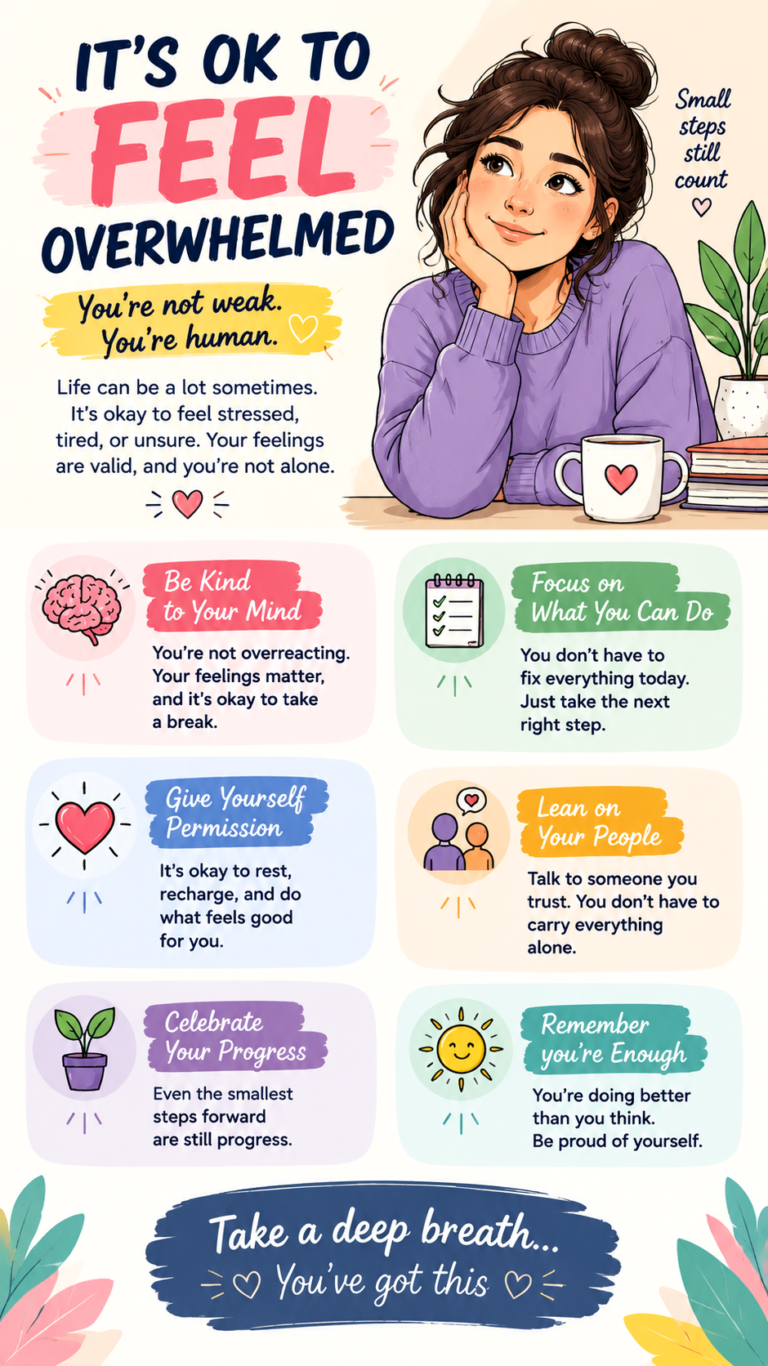
You do not need perfect words to make someone feel supported. Often, genuine presence matters more than offering solutions.
- Listen without interrupting.
- Avoid minimizing their feelings.
- Check in regularly with kindness.
- Encourage professional help without pressure.
- Respect their pace while remaining supportive.
Simple statements such as “I’m here for you,” or “You don’t have to go through this alone,” can provide reassurance during difficult moments.
Healthy Habits That May Support Emotional Wellbeing
While healthy routines cannot replace professional treatment, they often complement recovery.
Prioritize Quality Sleep
Maintaining consistent sleep schedules supports both emotional and physical health.
Stay Physically Active
Even gentle movement such as walking or stretching may improve mood and reduce stress.
Maintain Social Connections
Regular conversations with trusted friends or family members help reduce feelings of isolation.
Practice Self Compassion
Recovery is rarely linear. Allowing yourself patience during difficult days is an important part of emotional wellness.
Quick Points
- Depression can appear through subtle daily habits.
- Behavioral patterns matter more than isolated events.
- Compassion encourages honest conversations.
- Professional support remains essential for diagnosis and treatment.
Conclusion
Hidden signs of depression deserve greater awareness because many people struggle quietly without obvious symptoms. Changes in sleep, motivation, social behavior, personal care, or emotional outlook may all represent opportunities to offer kindness rather than judgment. By recognizing these patterns with empathy, we create safer spaces where people feel comfortable asking for help.
Whether these habits describe you or someone you care about, remember that support is available and recovery is possible. Seeking professional guidance is a sign of strength, and every compassionate conversation has the potential to make a meaningful difference.
Tags
Depression Awareness Mental Health Hidden Signs of Depression Emotional Wellness Mental Wellbeing Self Care Emotional Support Healthy Habits