12 Hoarding Habits Youre Not Aware Of for a Clutter-Free Home
Clutter can quietly build up over time, turning our homes into spaces that feel crowded, stressful, and difficult to manage. Many people struggle with keeping too many belongings, not because they want unnecessary mess, but because certain habits make it harder to let go. Recognizing these hidden hoarding habits is the first step toward creating a more organized, comfortable, and peaceful living environment.
From keeping duplicate items and saving empty containers to holding onto broken belongings and avoiding decluttering decisions, small patterns can gradually create overwhelming clutter. The good news is that awareness makes change possible. By understanding why these habits happen and learning practical solutions, anyone can develop healthier organizing routines.
Key Takeaways
- Hidden clutter habits often develop slowly and can go unnoticed.
- Keeping unused items creates physical and mental stress.
- Decluttering becomes easier when decisions are made with clear priorities.
- Organized spaces come from intentional choices, not perfection.
- Small daily habits can prevent clutter from returning.
Understanding Hidden Hoarding Habits
Hoarding habits are not always obvious. Many people imagine extreme piles of belongings, but clutter often begins with everyday choices that seem harmless. A few extra purchases, sentimental objects, or items saved “just in case” can slowly fill closets, drawers, shelves, and storage areas.
The difference between collecting useful belongings and developing clutter problems often comes down to how frequently items are used and whether they add value to daily life. A home should support your lifestyle, not become a storage space for things you rarely need.
Important: Decluttering is not about throwing everything away. It is about creating a thoughtful relationship with your belongings and keeping items that genuinely serve a purpose or bring meaningful value.
Common Clutter Habits That Create Overcrowded Spaces
1. Keeping Duplicate Items
Having backups can be practical, but keeping too many versions of the same item can quickly create unnecessary clutter. Multiple umbrellas, kitchen tools, chargers, containers, or household supplies may take up valuable space when only a few are regularly used.
A helpful approach is to keep your favorites and donate or recycle extras that no longer serve a purpose. Creating simple limits for certain categories makes future organizing much easier.
2. Holding Onto Clothes That No Longer Fit
Clothing is one of the most common areas where clutter develops. Many people keep old clothes because they remember a past version of themselves or hope they may wear them again someday.
Instead of filling your closet with items that no longer match your current lifestyle, focus on clothing that fits well, feels comfortable, and makes you feel confident.
3. Collecting Free Items You Do Not Need
Free products can feel like a great opportunity, but accepting items simply because they cost nothing can create unnecessary storage problems. Promotional gifts, samples, and giveaway items often end up forgotten in drawers or cabinets.
Before accepting something free, ask yourself whether you would buy it if you had to spend your own money. This simple question can prevent future clutter.
4. Keeping Expired Products
Bathrooms, kitchens, and storage areas often hide expired medications, beauty products, toiletries, and household supplies. These items take up space and may no longer be safe or useful.
Creating a regular check-in routine helps you remove expired products before they become a bigger problem.
5. Saving Empty Containers
Empty jars, boxes, and containers can seem useful for future projects, organization, or storage. However, saving too many without a specific purpose can create another category of clutter.
Keep only containers that you already know how you will use. Otherwise, they may simply become another item that needs organizing.
Why We Struggle to Let Go of Things
Decluttering is often an emotional process, not just a physical one. People may hold onto belongings because they represent memories, past experiences, or future possibilities. Understanding these emotional connections can make organizing feel less overwhelming.
Emotional Attachment to Belongings
Some objects carry sentimental meaning, making them difficult to remove. Childhood items, gifts, photographs, and personal keepsakes can feel connected to important moments.
The goal is not to remove every sentimental item. Instead, choose meaningful pieces that truly represent your memories and avoid keeping everything simply because it has a story.
The “Just in Case” Mindset
Many clutter problems come from saving items for possible future situations. Broken electronics, old tools, unused supplies, and outdated documents often stay because people believe they may need them someday.
Pro Tip: When deciding whether to keep something, ask: “Have I used this in the last year?” and “Would replacing it be easier than storing it?” These questions help create clearer decisions.
Expert Insight
A clutter-free home is created through consistent choices. Removing unnecessary belongings is only part of the process. Building better buying, storing, and organizing habits prevents clutter from returning.
Simple Decluttering Strategies That Work
Start With Small Areas
Trying to organize an entire home at once can feel exhausting. Begin with one drawer, one shelf, or one small corner. Small wins create motivation and make larger projects easier.
Use the Four-Category Method
When sorting belongings, create four simple groups:
- Keep: Items you use and value.
- Donate: Items that could help someone else.
- Recycle: Items that no longer have a purpose.
- Decide Later: Items you need more time to consider.
Create Better Shopping Habits
Preventing clutter starts before items enter your home. Avoid impulse purchases, create shopping lists, and consider whether new items replace something you already own.
Building a More Organized Lifestyle
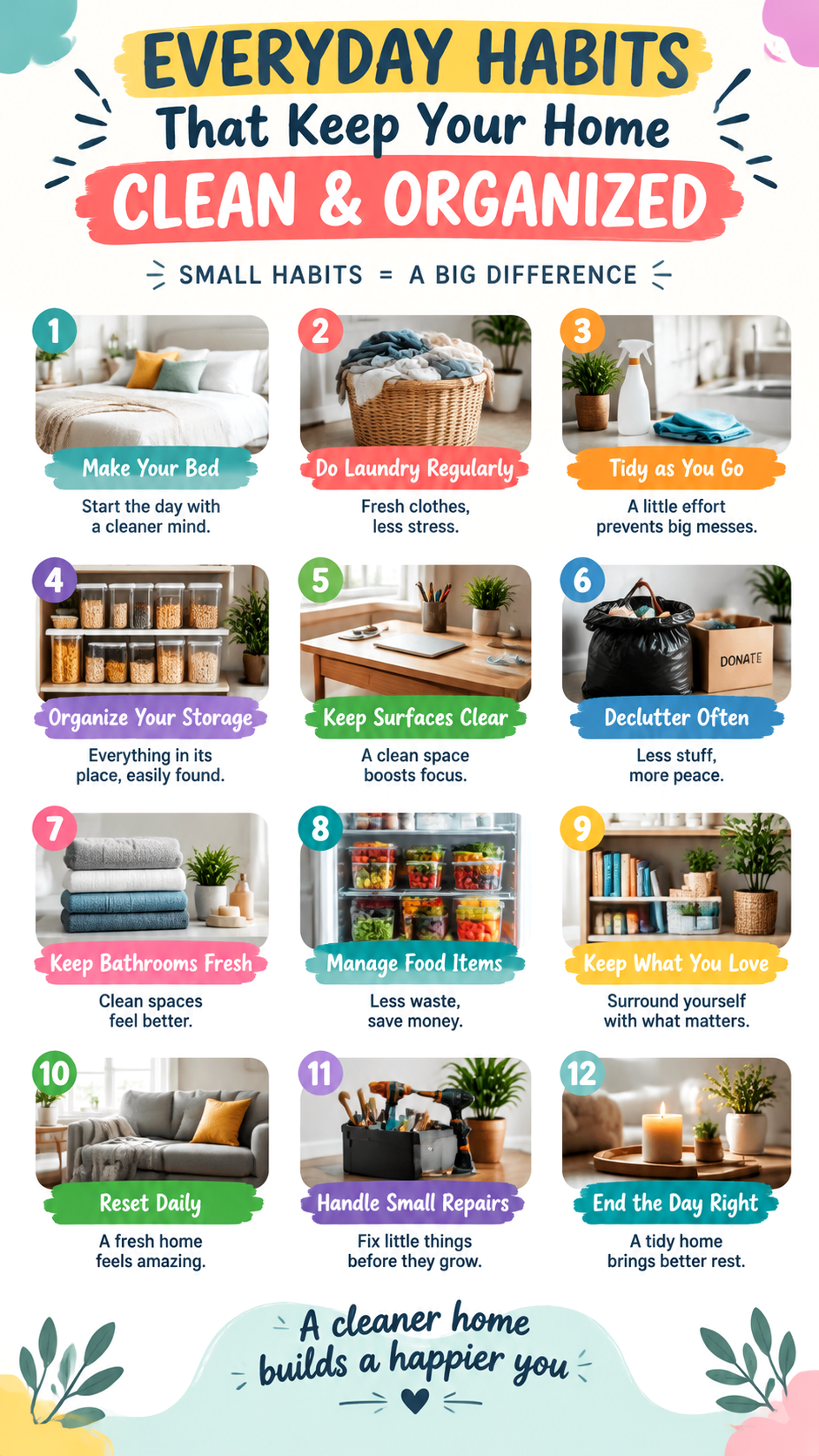
A clutter-free home does not require constant cleaning. It requires systems that make organization easier. Assigning homes for belongings, reviewing storage areas regularly, and practicing mindful consumption can make a major difference.
When every item has a purpose and a place, daily routines become smoother. You spend less time searching, cleaning, and managing things that no longer support your lifestyle.
At a Glance
- Recognize clutter habits before they grow.
- Keep belongings that support your current life.
- Make decluttering decisions one step at a time.
- Create routines that maintain an organized home.
Conclusion: Create Space for What Matters
Recognizing hidden hoarding habits is an important step toward a calmer and more functional home. Clutter often develops through small decisions repeated over time, but positive changes can also happen through small daily actions.
By letting go of unused items, making intentional purchases, and creating thoughtful organizing routines, you can transform your space into an environment that feels comfortable and welcoming.
A truly organized home is not about having fewer possessions. It is about surrounding yourself with things that add value, support your goals, and make everyday life easier.
Tags
Decluttering Tips
Hoarding Habits
Home Organization
Minimalist Living
Clutter Free Home
Organizing Ideas