20 Types of Marketing Strategies Every Business Owner Should Know
Marketing is the foundation that helps businesses connect with the right audience, build trust, and create long-term growth. In today’s competitive world, understanding different types of marketing strategies allows business owners to choose the right methods for promoting their products, services, and brand.
From digital marketing and social media campaigns to search engine optimization, content creation, and relationship building, each marketing approach serves a unique purpose. Learning how these strategies work can help entrepreneurs make smarter decisions, improve customer engagement, and create a stronger online presence.
Key Takeaways
- Discover 20 essential marketing strategies businesses use to reach customers.
- Understand the difference between digital, traditional, and relationship-based marketing.
- Learn how SEO, content, and social media improve brand visibility.
- Explore marketing methods that support customer growth and retention.
- Choose strategies that match your business goals and target audience.
Why Understanding Different Types of Marketing Matters
Every successful business needs a way to communicate with potential customers. Marketing is not just about advertising a product. It is about creating meaningful connections, understanding customer needs, and delivering value through the right channels.
Business owners often face the challenge of deciding where to invest their time and resources. With so many available options, knowing the purpose of each marketing method makes it easier to create a balanced strategy.
Important: The best marketing strategy is rarely based on one method alone. Combining multiple approaches, such as SEO, social media, email, and content marketing, can create a stronger and more consistent brand presence.
20 Types of Marketing Every Business Owner Should Know
1. Digital Marketing
Digital marketing uses online channels to promote products and services. It includes websites, search engines, social media platforms, mobile apps, and online advertising. This approach allows businesses to reach customers where they spend much of their time.
2. Social Media Marketing
Social media marketing focuses on building relationships with audiences through platforms where people interact, share content, and discover brands. Businesses can use posts, videos, stories, and community engagement to increase awareness and loyalty.
3. Email Marketing
Email marketing helps businesses communicate directly with customers through newsletters, promotions, updates, and personalized messages. It is an effective way to nurture leads and maintain relationships over time.
4. Search Engine Marketing
Search engine marketing involves paid advertising on search platforms. Businesses can display ads to people actively searching for related products or services, helping increase website traffic and visibility.
5. Search Engine Optimization (SEO)
SEO improves website content and structure to help pages appear higher in organic search results. A strong SEO strategy can attract consistent traffic by helping customers find a business naturally.
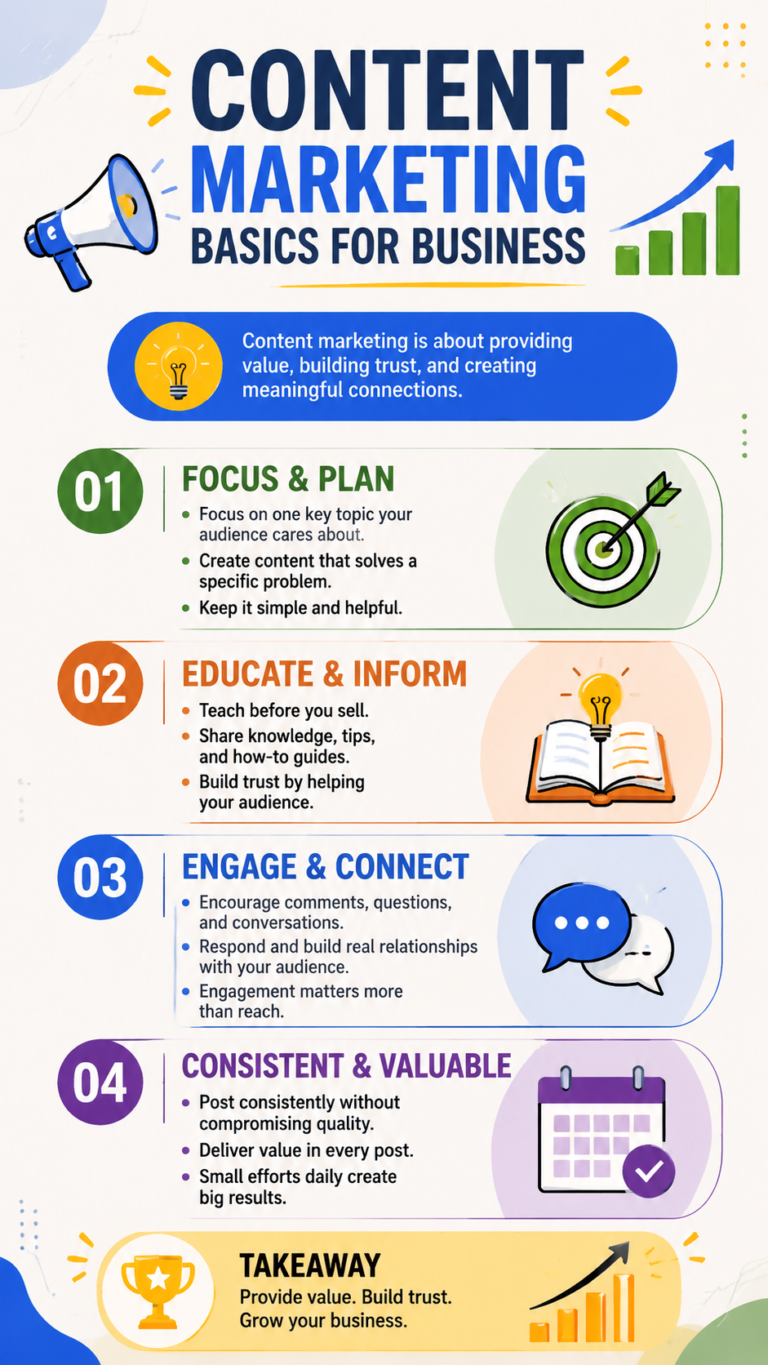
6. Content Marketing
Content marketing focuses on creating valuable information that educates, inspires, or helps customers. Blog posts, guides, videos, and infographics can build trust and position a brand as a useful resource.
7. Influencer Marketing
Influencer marketing involves collaborating with creators who have an established audience. These partnerships can help businesses reach new customers through trusted recommendations.
8. Video Marketing
Video marketing uses visual content to educate, entertain, and promote products. Tutorials, demonstrations, testimonials, and short-form videos are popular ways to capture attention.
9. Mobile Marketing
Mobile marketing reaches customers through smartphones using text messages, apps, notifications, and mobile-friendly campaigns. Since many users browse on mobile devices, this strategy helps businesses stay connected.
10. Affiliate Marketing
Affiliate marketing allows businesses to partner with individuals or organizations that promote products in exchange for commissions. It can expand reach while creating performance-based growth opportunities.
11. E-Commerce Marketing
E-commerce marketing promotes online stores and products through digital channels. It includes product optimization, online promotions, customer reviews, and strategies designed to increase online sales.
12. Local Marketing
Local marketing helps businesses attract customers in specific locations. Techniques include local SEO, business listings, community engagement, and location-based advertising.
13. Event Marketing
Event marketing promotes businesses through events, workshops, webinars, trade shows, and community activities. These experiences help brands create direct connections with audiences.
14. Relationship Marketing
Relationship marketing focuses on building long-term customer loyalty. Instead of only focusing on sales, businesses prioritize trust, communication, and customer satisfaction.
15. Word-of-Mouth Marketing
Word-of-mouth marketing happens when satisfied customers naturally recommend a brand to others. Positive experiences and excellent service can turn customers into brand advocates.
16. Experiential Marketing
Experiential marketing creates memorable experiences that allow customers to interact with a brand in meaningful ways. These experiences can strengthen emotional connections.
17. Podcast Marketing
Podcast marketing uses audio content to share knowledge, discuss industry topics, and connect with niche audiences. It is a valuable format for building authority and trust.
18. Print Marketing
Print marketing includes traditional materials such as brochures, flyers, magazines, and business cards. While digital channels are popular, print can still support local and professional branding efforts.
19. Outdoor Marketing
Outdoor marketing promotes businesses through public displays such as signs, posters, and billboards. It can increase brand recognition among local audiences.
20. Viral Marketing
Viral marketing focuses on creating highly shareable content that spreads quickly. Creative ideas, emotional storytelling, and engaging formats can help brands reach larger audiences.
How to Choose the Right Marketing Strategy
Selecting the right marketing approach depends on several factors, including your audience, industry, budget, and goals. A small local business may benefit from local SEO and social media, while an online brand may focus more on content marketing, email campaigns, and search visibility.
Testing different strategies and measuring results is essential. Marketing is an ongoing process that improves through learning, adjusting, and understanding customer behavior.
At a Glance
Quick Points
- Use digital channels to reach modern audiences.
- Create valuable content to build trust.
- Combine different marketing methods for better results.
- Focus on customer relationships, not only sales.
Conclusion
Understanding the different types of marketing gives business owners the knowledge needed to promote their brands effectively. Whether you are improving your online presence, attracting local customers, or building stronger relationships, every marketing method can play an important role in growth.
The most successful businesses create strategies that match their audience and provide real value. By exploring these marketing approaches and choosing the right combination, you can build awareness, increase engagement, and create lasting connections with customers.
Tags
Digital Marketing
SEO Strategy
Social Media Marketing
Content Marketing
Business Growth
Marketing Strategy