30 Day Weight Loss Challenge for Beginners Easy Home Workout Fitness Plan
Starting a fitness journey does not require expensive equipment, complicated workout routines, or hours at the gym. Sometimes, the most effective way to create lasting change is by committing to simple daily habits that gradually improve strength, endurance, and confidence. A structured 30 day weight loss challenge offers an approachable path for beginners who want to become more active while building consistency. By focusing on a handful of bodyweight exercises and following a realistic schedule, anyone can develop healthier routines that fit into everyday life.
This type of challenge emphasizes progress over perfection. Instead of overwhelming your body with intense workouts from day one, it gradually increases the number of repetitions while including scheduled recovery days. This balanced approach helps reduce the risk of injury, supports muscle recovery, and keeps motivation high throughout the month.
Key Takeaways
- Perfect for beginners with no gym membership required.
- Uses four effective bodyweight exercises.
- Gradually increases workout intensity over 30 days.
- Includes regular rest days for recovery.
- Helps build consistency and long-term healthy habits.
- Can easily fit into a busy daily schedule.
Why a 30 Day Fitness Challenge Works
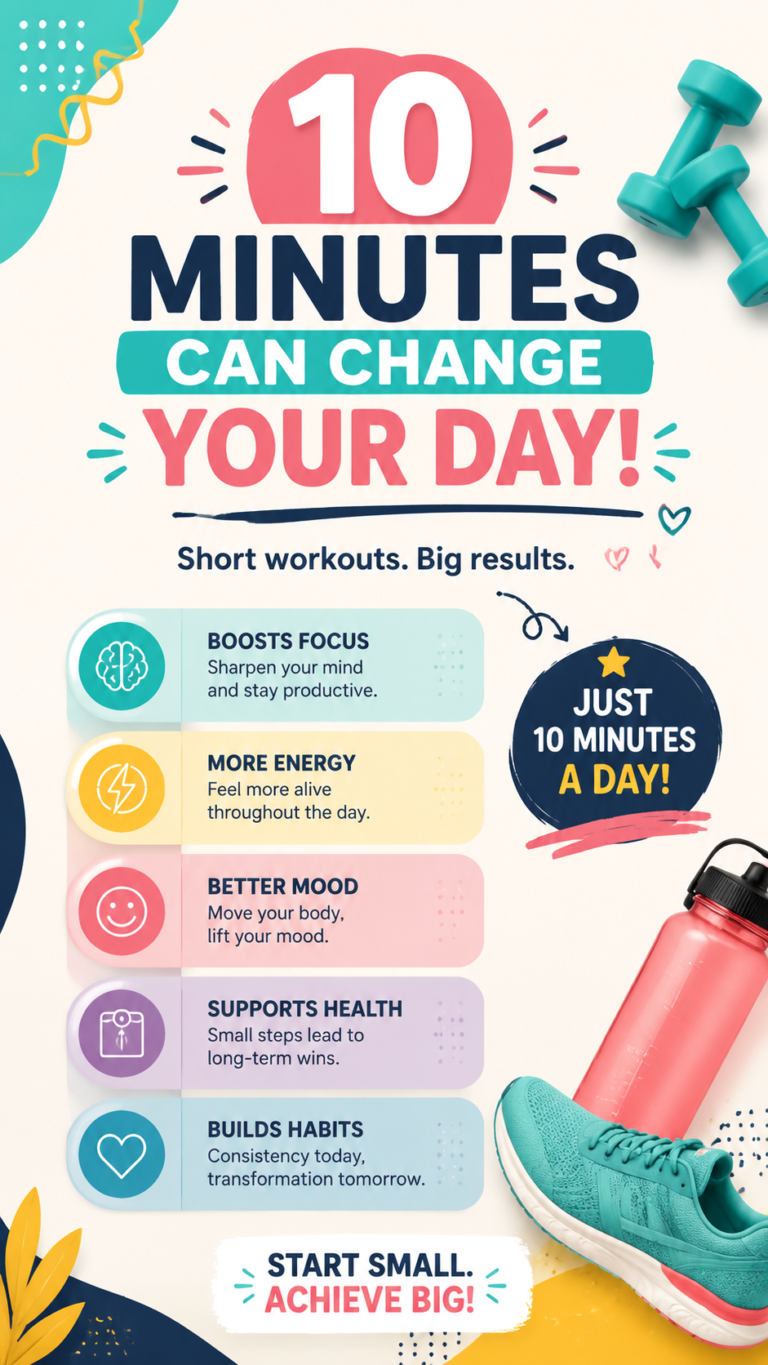
Many people struggle with fitness because they try to change everything at once. A 30 day challenge simplifies the process by giving you one clear goal every day. Instead of wondering what workout to perform, you simply follow the daily plan and focus on completing the exercises.
Important: Consistency is often more valuable than intensity. Completing a manageable workout every day builds momentum that can lead to lasting lifestyle changes.
Small daily victories also create confidence. Every completed workout reinforces the belief that healthy habits are achievable. Over time, this mindset becomes just as valuable as the physical improvements.
The Four Core Exercises
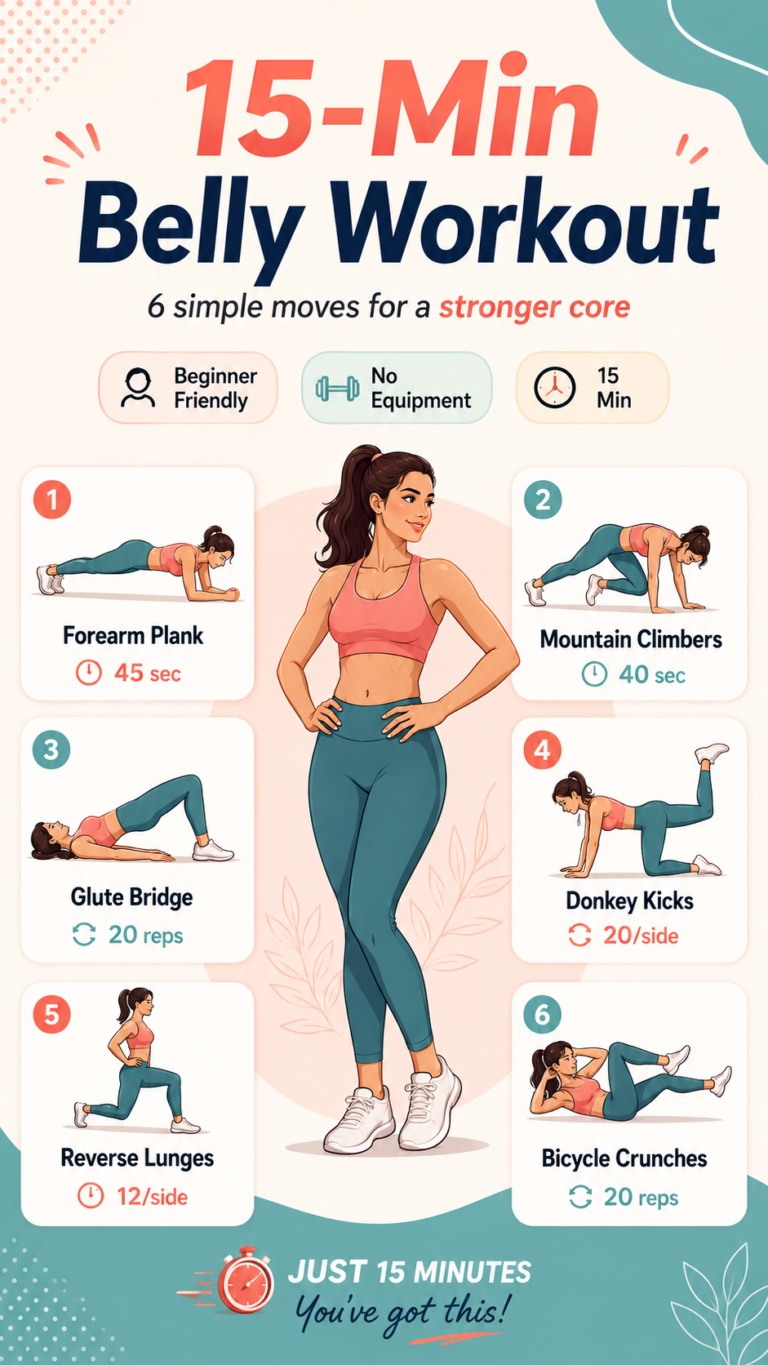
The workout plan revolves around four classic bodyweight movements that target multiple muscle groups while improving cardiovascular fitness.
Jumping Jacks
Jumping jacks are an excellent full-body warm-up exercise. They elevate your heart rate, improve coordination, and prepare your muscles for movement. Because they involve both the upper and lower body, they also help increase calorie expenditure.
Squats
Squats strengthen the legs, hips, and glutes while also engaging the core. Proper squat form promotes better balance and supports everyday activities such as walking, climbing stairs, and lifting objects.
High Knees
High knees combine cardio with lower-body strength. They increase heart rate quickly while improving coordination, agility, and endurance. Beginners can perform them at a comfortable pace and gradually increase speed as fitness improves.
Mountain Climbers
Mountain climbers challenge multiple muscle groups simultaneously, including the shoulders, chest, core, and legs. They are an efficient exercise for improving both muscular endurance and cardiovascular health.
Expert Insight
Combining cardiovascular exercises with bodyweight strength training creates a balanced workout that supports calorie burning while preserving lean muscle. This combination makes beginner fitness routines more sustainable and effective.
Why Progressive Overload Matters
The challenge gradually increases repetitions over time instead of keeping every workout identical. This concept, known as progressive overload, encourages the body to continuously adapt.
Each week introduces a slightly greater challenge. Rather than making dramatic jumps in difficulty, the steady increase helps improve endurance while keeping workouts manageable.
Pro Tip: Focus on maintaining excellent form before increasing speed. Proper movement patterns reduce injury risk and produce better long-term results.
The Importance of Rest Days
One of the smartest features of a beginner workout challenge is the inclusion of scheduled recovery days. Rest is not a sign of weakness. It is an essential part of improving fitness.
During recovery, muscles repair themselves and become stronger. Your nervous system also recovers, helping you perform better during future workouts. Ignoring recovery often leads to burnout, excessive soreness, and reduced motivation.
- Muscles repair and rebuild.
- Energy stores are replenished.
- Mental fatigue decreases.
- The body prepares for future progress.
Supporting Your Workouts with Healthy Nutrition
Exercise is only one part of successful weight management. A balanced eating pattern provides the fuel needed for energy, recovery, and long-term health.
Prioritize Whole Foods
Choose meals that include vegetables, fruits, lean protein, whole grains, healthy fats, and fiber whenever possible. These foods provide nutrients that support recovery and help keep you satisfied.
Stay Hydrated
Drinking enough water supports exercise performance and recovery. Hydration also helps regulate body temperature and supports normal metabolic processes.
Avoid Extreme Diets
Very restrictive eating plans may produce temporary weight changes but are often difficult to maintain. Sustainable habits generally produce better long-term success.
Tips for Staying Consistent
Consistency is often the biggest challenge for beginners. Fortunately, a few simple strategies can make daily workouts much easier to maintain.
- Schedule workouts at the same time each day.
- Wear comfortable workout clothes in advance.
- Track your completed days on a calendar.
- Celebrate small milestones.
- Focus on progress instead of perfection.
- Never let one missed workout become a missed week.
Important: Missing a single workout does not erase your progress. Resume your routine the next day and continue building healthy habits without dwelling on setbacks.
Common Beginner Mistakes
- Trying to exercise too intensely during the first week.
- Skipping warm-ups and cool-downs.
- Using poor exercise form.
- Neglecting hydration.
- Ignoring recovery days.
- Comparing personal progress to others.
Tracking Your Progress
Weight is only one way to measure success. Improvements in energy, mood, endurance, strength, sleep quality, and confidence are equally valuable indicators of progress.
Consider keeping a fitness journal where you record daily workouts, water intake, mood, and personal achievements. Looking back after 30 days often reveals significant improvements that the scale alone cannot capture.
Why This Matters
- Building habits creates lasting results.
- Small improvements accumulate over time.
- Consistency usually beats short bursts of motivation.
What to Do After the First 30 Days
Completing your first month is an achievement worth celebrating. Once you’ve built confidence, you can continue progressing by adding new bodyweight movements, increasing repetitions gradually, extending workout duration, or incorporating light resistance training.
The most important lesson is that fitness is not a temporary challenge. It is a collection of healthy habits that continue well beyond the first month.
Quick Points
- Simple bodyweight exercises are highly effective for beginners.
- Progress gradually instead of rushing results.
- Rest and recovery are essential for improvement.
- Healthy nutrition supports workout performance.
- Consistency creates sustainable success.
Conclusion
A 30 day weight loss challenge provides a practical starting point for anyone looking to improve fitness through simple daily movement. With progressive bodyweight exercises, planned recovery days, and an emphasis on consistency, beginners can build strength, increase endurance, and develop healthy routines that last beyond the initial month. Focus on steady improvement, stay patient, and celebrate every milestone along the way. Small daily actions often produce the biggest long-term transformations.
Tags
30 Day Challenge Weight Loss Beginner Workout Home Workout Bodyweight Exercises Fitness Motivation Healthy Lifestyle No Equipment Workout