5 Signs Escapism Is Affecting Your Mind and How to Reclaim Your Focus Naturally
In a world filled with endless notifications, short-form videos, streaming platforms, and constant digital stimulation, it has become increasingly difficult to stay fully present. Many people turn to entertainment, social media, or endless scrolling to escape stress, boredom, or uncomfortable emotions. While occasional distraction is perfectly normal, relying on it too often can quietly affect your focus, emotional health, and overall well-being.
The good news is that recognizing these habits is the first step toward creating a healthier relationship with technology and your own mind. If you’ve ever wondered why silence feels uncomfortable or why concentrating has become harder than it used to be, you are not alone. Understanding the signs of escapism can help you regain clarity, improve mindfulness, and develop habits that support long-term mental wellness.
Key Takeaways
- Escapism becomes a concern when it consistently replaces real-life engagement.
- Constant digital stimulation can weaken focus and attention span.
- Emotional awareness plays an important role in mental well-being.
- Small daily habits can gradually restore balance and mindfulness.
- Creating intentional breaks from screens supports healthier thinking.
What Is Escapism?
Escapism is the tendency to avoid difficult emotions, responsibilities, or uncomfortable situations by immersing yourself in distractions. These distractions may include social media, television, gaming, excessive internet browsing, or even constantly keeping yourself busy without addressing underlying feelings.
Escapism itself is not always harmful. Reading a novel, watching a favorite movie, or enjoying a hobby can provide healthy relaxation. Problems begin when distraction becomes the default response to every challenge, making it harder to process emotions or stay connected with daily life.
Important: Healthy breaks help your brain recover, but constant avoidance often prevents personal growth. The goal is not to eliminate entertainment but to create balance between relaxation and engagement with real life.
1. You Check Your Phone Constantly
One of the clearest signs of digital escapism is reaching for your phone almost automatically. You might unlock it dozens or even hundreds of times each day without any specific purpose.
Why It Happens
Every notification, message, or piece of new content provides a small burst of novelty. Over time, your brain begins expecting frequent stimulation, making quiet moments feel unfamiliar.
- Checking notifications every few minutes.
- Scrolling during meals.
- Looking at your phone while watching television.
- Feeling uncomfortable when your phone is out of reach.
While these behaviors may seem harmless individually, together they reduce presence, interrupt conversations, and make sustained attention increasingly difficult.
2. Silence Feels Stressful
Many people instinctively turn on music, podcasts, videos, or television whenever they are alone. Background noise becomes a constant companion because silence feels uncomfortable.
Learning to spend short periods without external stimulation allows your mind to slow down naturally. It also creates space for creativity, reflection, and emotional processing.
Why This Matters
- Quiet moments help your brain organize thoughts.
- Reducing constant stimulation improves emotional awareness.
- Regular silence supports creativity and problem-solving.
3. Your Focus Has Become Weaker
Another common sign is struggling to concentrate on one task for an extended period. Reading becomes difficult, deep work feels exhausting, and even enjoyable activities compete with the urge to check another screen.
How Constant Switching Affects Attention
Every interruption forces your brain to shift attention. Frequent task switching increases mental fatigue and makes returning to focused work more challenging.
Instead of multitasking, try dedicating uninterrupted blocks of time to a single activity. Even twenty focused minutes can strengthen concentration over time.
Pro Tip: Turn off nonessential notifications while working. Fewer interruptions allow your brain to stay engaged for longer periods and improve productivity naturally.
4. Emotional Numbness Starts to Appear
Escapism often delays emotional processing rather than eliminating emotions altogether. Stress, sadness, frustration, and anxiety may remain beneath the surface even if distractions temporarily reduce discomfort.
Over time, this avoidance can create emotional numbness. Instead of feeling better, you may simply feel disconnected from your own experiences.
Healthy Emotional Awareness
Developing emotional awareness does not require dramatic changes. Journaling, mindful breathing, talking with trusted friends, or simply acknowledging your feelings can help build resilience.
5. You Feel Restless Without Stimulation
If waiting in line, sitting quietly, or relaxing without entertainment feels nearly impossible, your brain may have become accustomed to constant input.
Restlessness is often mistaken for boredom, but it may actually signal that your mind has adapted to continuous stimulation.
Practicing short periods of intentional quiet each day can gradually rebuild comfort with slower, calmer experiences.
Important: Rest is not wasted time. Giving your brain opportunities to slow down supports creativity, memory, emotional regulation, and healthier decision-making.
Simple Ways to Reclaim Your Focus
Improving your relationship with technology does not require abandoning digital devices. Instead, focus on creating healthier routines that encourage intentional use.
Schedule Screen-Free Breaks
Choose specific periods each day when your phone stays out of reach. Even fifteen to thirty minutes can help reset your attention.
Curate Your Digital Environment
Unfollow accounts that create unnecessary stress or encourage endless scrolling. Fill your feeds with educational, uplifting, or inspiring content instead.
Practice Mindfulness
Mindfulness encourages paying attention to the present moment without judgment. Simple breathing exercises, meditation, or mindful walking can strengthen awareness.
Develop Offline Hobbies
Reading, gardening, painting, cooking, photography, journaling, and exercise all provide meaningful alternatives to endless digital consumption.
Reduce Notification Overload
Disable alerts that are not truly necessary. Fewer interruptions create more opportunities for focused thinking and genuine presence.
Building Sustainable Habits
Long-term change happens through consistency rather than perfection. Start with one manageable adjustment instead of trying to overhaul every habit overnight.
- Create a morning routine without checking your phone immediately.
- Set specific times for social media.
- Keep devices away during meals.
- Read for twenty minutes before bed.
- Spend a few minutes each day sitting quietly without distractions.
These small practices gradually strengthen attention, improve emotional resilience, and encourage healthier relationships with technology.
The Benefits of Living More Intentionally
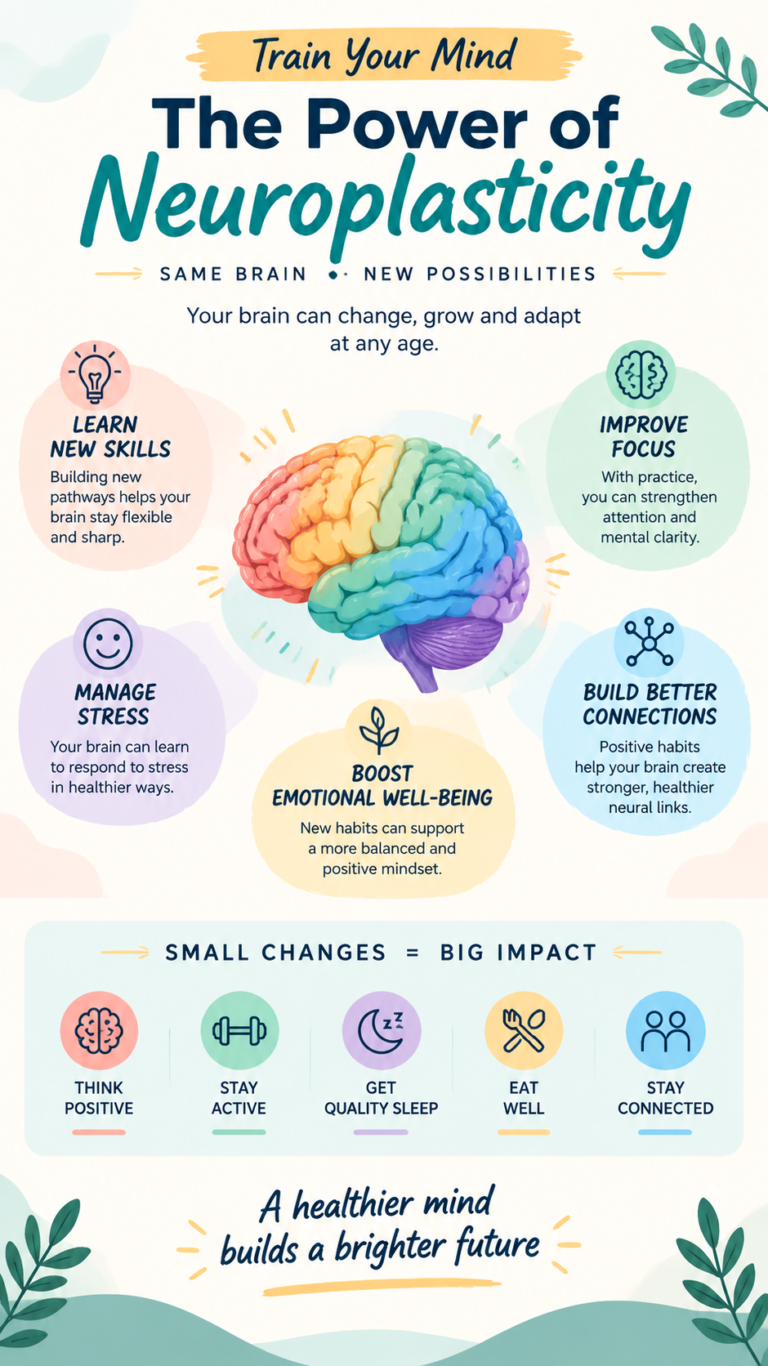
Reducing unhealthy escapism creates room for experiences that often become overlooked in busy digital lives. Many people notice improvements in concentration, creativity, sleep quality, relationships, and emotional balance after making small changes.
Living intentionally does not mean avoiding entertainment. It simply means choosing when and why you engage with it instead of letting habits make those decisions automatically.
Quick Points
- Notice when distraction becomes your default response.
- Create daily moments of intentional silence.
- Reduce unnecessary notifications.
- Prioritize meaningful offline activities.
- Practice mindfulness consistently rather than perfectly.
Conclusion
Modern technology offers incredible convenience and entertainment, but constant stimulation can quietly reduce focus, emotional awareness, and presence if left unchecked. Recognizing the signs of escapism is not about feeling guilty for enjoying digital content. Instead, it is about building awareness and making intentional choices that support your mental well-being.
By limiting unnecessary distractions, embracing moments of quiet, and developing healthier daily habits, you can reclaim your attention and create more space for meaningful experiences. Small changes made consistently often produce the greatest long-term improvements, helping you enjoy both the digital world and real life with greater balance.
Tags
Escapism Mental Wellness Mindfulness Digital Detox Focus Improvement Self Care Healthy Habits Personal Growth