9-Exercise Core, Arms Glutes Workout Routine for Strength Toning
Building a strong, balanced body does not always require complicated equipment or long hours at the gym. A simple and consistent workout routine that targets multiple muscle groups can help improve strength, stability, and confidence. A core, arms, and glutes workout routine combines essential movements that focus on your abdominal muscles, upper body strength, and lower body power, making it an effective choice for a home fitness plan.
This workout structure features a combination of beginner-friendly and challenging exercises designed to activate important muscle groups. With movements like bicycle crunches, mountain climbers, bicep curls, tricep dips, glute bridges, donkey kicks, and squats, this routine supports full-body conditioning while keeping the focus on areas many people want to strengthen and tone.
Key Takeaways
- A balanced routine can target your core, arms, and glutes in one workout session.
- Simple bodyweight exercises can support strength and muscle activation at home.
- Consistency and proper form are essential for long-term fitness progress.
- Rest periods help your muscles recover and maintain workout quality.
- Warm-ups and cool-downs improve mobility and workout comfort.
Why a Core, Arms & Glutes Workout Is Effective
A well-designed workout routine should focus on more than just appearance. Your core, arms, and glutes work together during everyday activities such as lifting, walking, climbing stairs, and maintaining posture. Strengthening these areas can help create a more stable foundation for movement and exercise.
The core muscles provide support for your spine and help control body movements. The arms contribute to upper-body strength, while the glutes are some of the most powerful muscles involved in lower-body movement. Training these areas together creates a balanced approach that encourages functional fitness.
Important: Effective workouts are not only about completing many repetitions. Paying attention to controlled movements, proper technique, and steady progression often creates better results than rushing through exercises.
Understanding the 9 Exercises in This Workout Routine
1. Bicycle Crunches for Core Activation
Bicycle crunches are a popular abdominal exercise that engages the upper abs, lower abs, and oblique muscles. The twisting motion encourages your core to work through rotation while your legs remain active.
To perform this exercise, lie on your back, place your hands behind your head, and bring opposite elbows toward opposite knees in a controlled cycling motion. Avoid pulling on your neck and focus on using your abdominal muscles to create the movement.
2. Mountain Climbers for Strength and Cardio
Mountain climbers combine core stability with a cardiovascular challenge. This movement trains your abdominal muscles while also involving your shoulders, hips, and legs.
Start in a high plank position and drive your knees toward your chest one at a time. Keep your hips controlled and maintain a strong posture throughout the exercise.
3. Alternating Side Crunches
Side crunches focus on the oblique muscles located along the sides of your waist. Strengthening these muscles supports better core control and stability.
Move slowly and concentrate on lifting through your side muscles rather than using momentum. Quality repetitions are more valuable than speed.
4. Reverse Crunches for Lower Abs
Reverse crunches emphasize the lower portion of the abdominal area. Instead of lifting your upper body, this exercise involves curling your hips upward while keeping control.
This movement can be modified by reducing the range of motion, making it suitable for different fitness levels.
5. Bicep Curls for Arm Strength
Bicep curls are a classic upper-body exercise that targets the front muscles of the arms. They can be performed with dumbbells or other forms of resistance.
Keep your elbows close to your body and avoid swinging the weights. Slow, controlled repetitions help maintain proper muscle engagement.
6. Tricep Dips for the Back of the Arms
Tricep dips focus on the muscles located at the back of your upper arms. This exercise can be performed using a sturdy chair or bench.
Lower your body with control and keep your shoulders relaxed. Adjust the depth of the movement based on your comfort and strength level.
7. Glute Bridges for Lower Body Strength
Glute bridges are excellent for activating the glute muscles while also involving the hips and core. They are a beginner-friendly movement that can be done almost anywhere.
Lie on your back with your knees bent, lift your hips upward, and squeeze your glutes at the top of the movement before lowering slowly.
8. Donkey Kicks for Glute Activation
Donkey kicks are designed to target the glutes while encouraging hip stability. They are commonly included in lower-body workouts because they isolate the glute muscles effectively.
Keep your back stable and avoid rotating your hips as you lift one leg at a time.
9. Squats for Full Lower Body Engagement
Squats are one of the most useful strength exercises because they involve the glutes, thighs, and core. They help build lower-body strength and improve movement patterns.
Focus on sitting your hips back, keeping your chest lifted, and maintaining control throughout each repetition.
How to Structure Your Workout Session
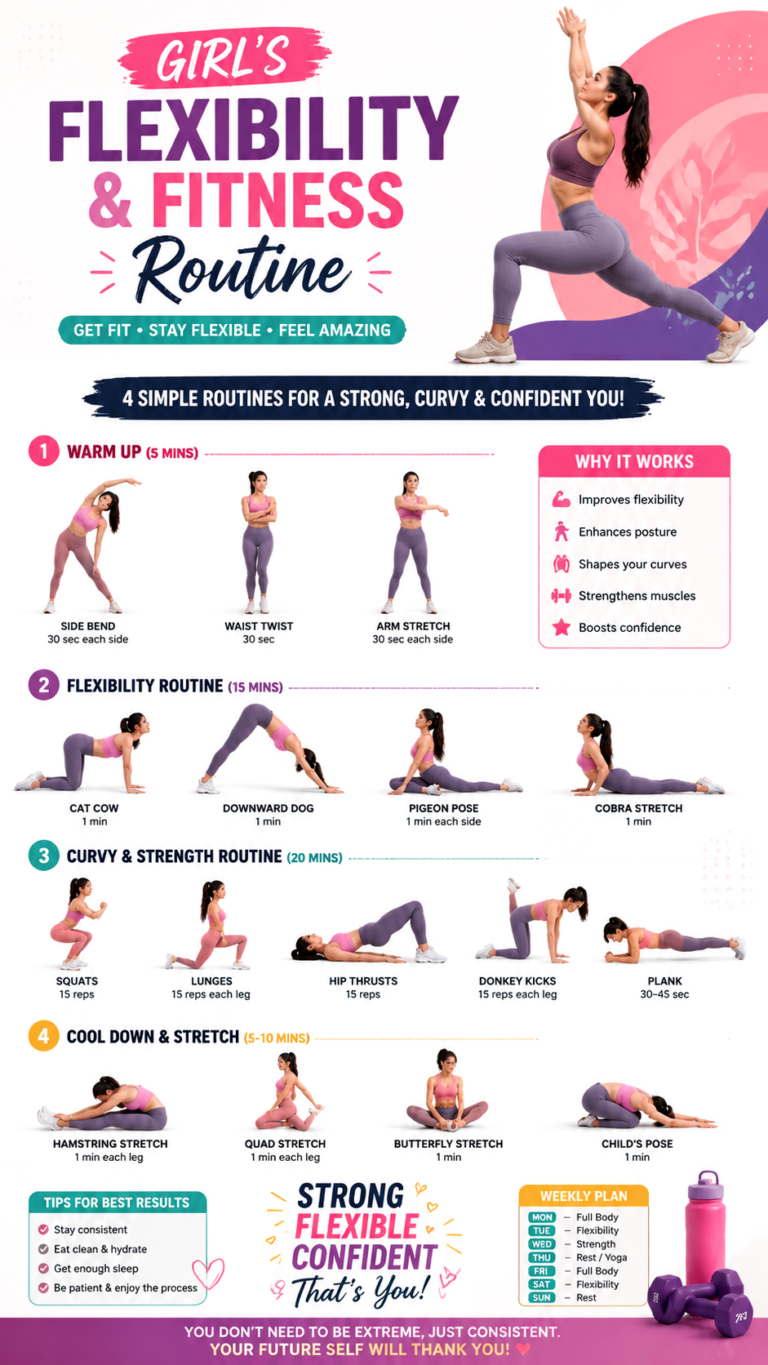
The routine can be organized into two sets with short rest periods between exercises. This format keeps your muscles active while allowing enough recovery to maintain good form.
- Begin with a 5 to 7 minute warm-up using light cardio, mobility movements, or dynamic stretches.
- Complete each exercise with controlled repetitions.
- Rest for around 30 to 60 seconds between movements.
- Repeat the full routine for the second set.
- Finish with stretching and deep breathing during a cool-down period.
A workout does not need to be extremely long to be valuable. A focused routine performed consistently can support strength development and healthier movement habits.
Tips for Getting Better Results From Home Workouts
Home workouts are convenient because they remove many common barriers to exercise. However, creating a successful routine requires commitment and a supportive environment.
- Choose a consistent time of day for your workouts.
- Keep your workout space comfortable and free from distractions.
- Track your progress by noting repetitions, energy levels, and improvements.
- Prioritize rest, hydration, and balanced nutrition.
Expert Insight: Strength training works best when it becomes part of your lifestyle. Small improvements repeated over time can create meaningful changes in your fitness journey.
Why Consistency Matters More Than Perfection
Many people start fitness routines with high motivation but struggle when workouts become difficult to maintain. The key is creating a routine that fits your lifestyle and feels achievable.
Completing a short workout regularly is often more beneficial than occasionally attempting an intense session. Your body adapts through repeated practice, gradual challenges, and proper recovery.
Quick Points
- Targets core, arms, and glutes together.
- Uses simple exercises suitable for home training.
- Focuses on strength, stability, and muscle activation.
- Requires consistency and proper technique.
Conclusion: Build Strength One Workout at a Time
A core, arms, and glutes workout routine is a practical way to strengthen important muscle groups without needing a complicated setup. The combination of abdominal exercises, arm movements, and lower-body training creates a balanced fitness approach that can support overall strength and confidence.
Whether you are beginning your fitness journey or adding variety to your current routine, these exercises provide a simple foundation for staying active. Focus on consistency, enjoy the process, and remember that every workout is a step toward becoming stronger.
Tags
Core Workout
Glute Workout
Arm Exercises
Home Fitness
Strength Training
Workout Routine