12 Foods for Bigger Glutes Muscle Growth High Protein Foods
Building stronger glutes is not only about exercise. Nutrition plays a major role in helping your muscles recover, grow, and perform better during training. The right combination of protein, healthy fats, and quality carbohydrates can support your fitness goals while keeping your body energized and nourished.
The foods you choose every day can make a meaningful difference in your muscle-building journey. From creamy avocados and protein-packed eggs to energy-supporting oats and sweet potatoes, a balanced plate can help fuel workouts and encourage healthy muscle development.
Key Takeaways
- Protein-rich foods help support muscle repair and growth.
- Healthy fats provide calories and nutrients needed for balanced nutrition.
- Complex carbohydrates fuel strength training and recovery.
- Consistent workouts combined with proper meals create better results.
- A nutrient-dense diet supports stronger glutes and overall fitness.
How Nutrition Supports Glute Growth and Muscle Building
When your goal is to build stronger glutes, your muscles need more than just challenging workouts. Resistance training creates the stimulus, but nutrition provides the building blocks your body uses to repair and strengthen muscle tissue.
Glute muscles require adequate protein to support recovery, carbohydrates to provide workout energy, and healthy fats to maintain overall nutritional balance. Eating enough nutrient-rich foods can help your body handle demanding training sessions while supporting long-term progress.
Important: Building muscle requires consistency. A balanced diet paired with progressive strength training is more effective than focusing on one specific food or quick fixes.
12 Foods That Support Stronger Glutes and Muscle Growth
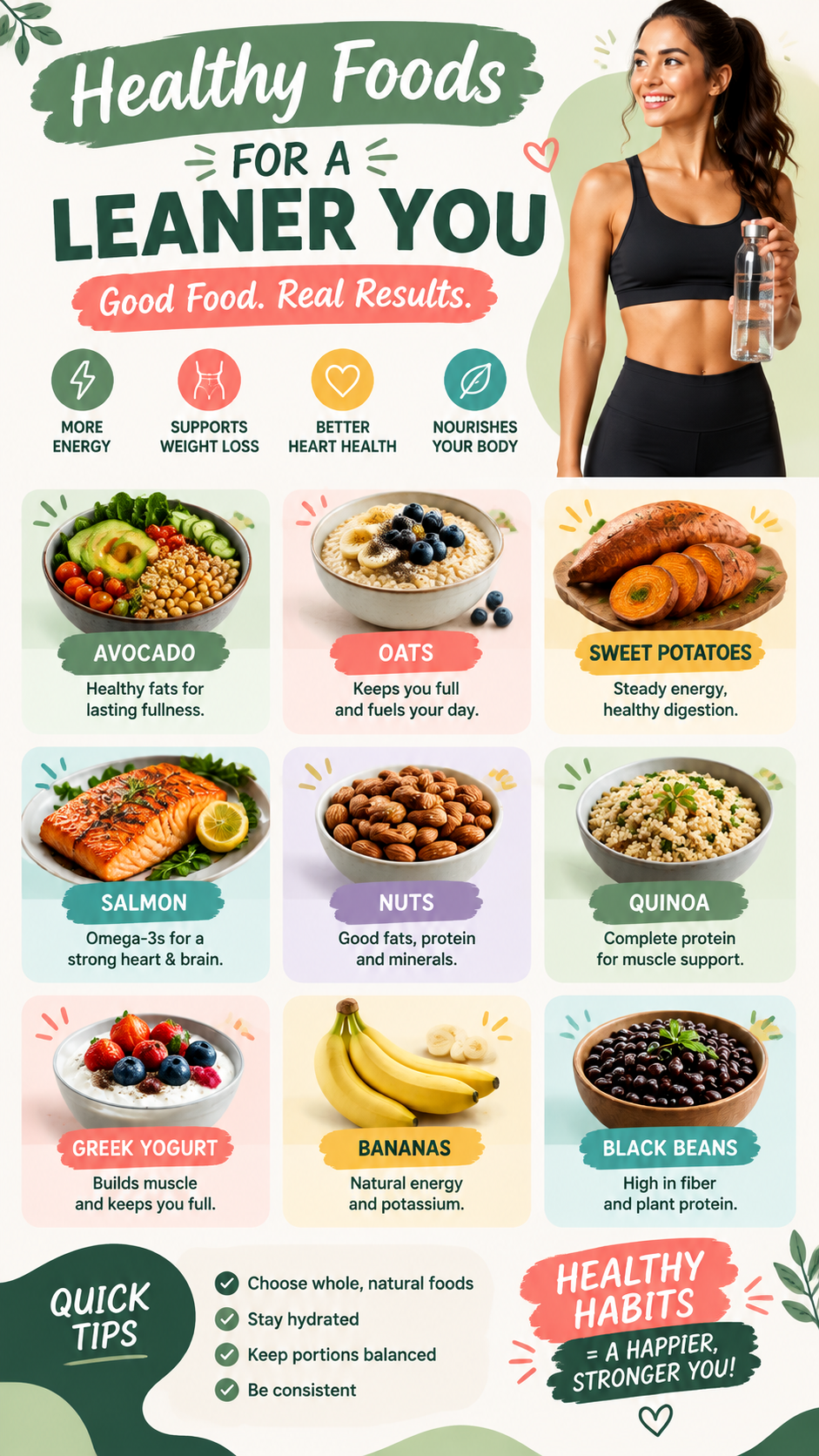
1. Avocados: Healthy Fats for Balanced Nutrition
Avocados are a popular choice for fitness-focused meals because they contain healthy fats and important nutrients. Adding avocado to meals can help increase calorie intake in a nutrient-dense way, which can be helpful for people working toward muscle growth.
The creamy texture makes avocado easy to include in smoothies, salads, sandwiches, or balanced post-workout meals.
2. Oats: Long-Lasting Workout Fuel
Oats provide complex carbohydrates that can help support energy levels before training. They are a versatile breakfast option and pair well with protein sources such as Greek yogurt, nut butter, or protein-rich toppings.
Because they are filling and easy to prepare, oats are a practical choice for anyone creating a muscle-building meal plan.
3. Sweet Potatoes: Carbohydrates for Training Performance
Sweet potatoes are rich in carbohydrates and can be a valuable addition to meals around workouts. They provide energy for strength exercises and work well alongside protein sources like eggs, chicken, fish, or beans.
This colorful root vegetable can be baked, mashed, or added to meal-prep recipes for a satisfying fitness-friendly option.
4. Eggs: A Convenient Protein Source
Eggs are widely recognized as a convenient high-protein food. They contain essential nutrients and can easily fit into breakfast, lunch, or dinner meals.
Adding eggs to a balanced diet can help support daily protein intake, especially for those focused on muscle recovery.
5. Almonds: Nutrient-Dense Muscle Support
Almonds provide healthy fats, protein, and other nutrients that make them a useful snack option. A small serving can add extra nutrition between meals or after a workout.
6. Peanut Butter: A Calorie-Rich Addition
Peanut butter is a simple way to add flavor and extra calories to meals. It pairs well with oats, bananas, smoothies, and whole-grain snacks.
For those aiming to increase calorie intake for muscle growth, nutrient-rich additions like peanut butter can make meals more satisfying.
7. Salmon: Protein and Healthy Fats
Salmon combines quality protein with beneficial fats, making it a popular choice among people focused on fitness nutrition. It can support balanced meals while providing variety beyond traditional protein sources.
8. Quinoa: Plant-Based Complete Protein
Quinoa is a flexible grain alternative that provides protein and carbohydrates. It works well in bowls, salads, and meal-prep recipes for those who want a balanced plant-based option.
9. Greek Yogurt: Protein for Recovery
Greek yogurt is a convenient protein-rich food that can be enjoyed with fruit, oats, or nuts. It makes an easy snack option when you need something simple after training.
10. Bananas: Energy Before and After Workouts
Bananas provide carbohydrates and are easy to digest, making them a popular choice for workout fuel. They can be eaten alone or added to smoothies and protein-based meals.
11. Black Beans: Fiber and Plant Protein
Black beans offer a combination of protein, fiber, and carbohydrates. They are an affordable and versatile ingredient for creating filling meals that support active lifestyles.
12. Brown Rice: Reliable Workout Carbohydrates
Brown rice is a classic fitness meal staple because it provides complex carbohydrates that pair well with protein sources. It can be used as a foundation for balanced meal-prep dishes.
How to Build a Glute-Friendly Meal Plan
A successful muscle-building meal plan does not need to be complicated. The goal is to create balanced meals that provide enough nutrients to support your training routine.
Prioritize Protein at Each Meal
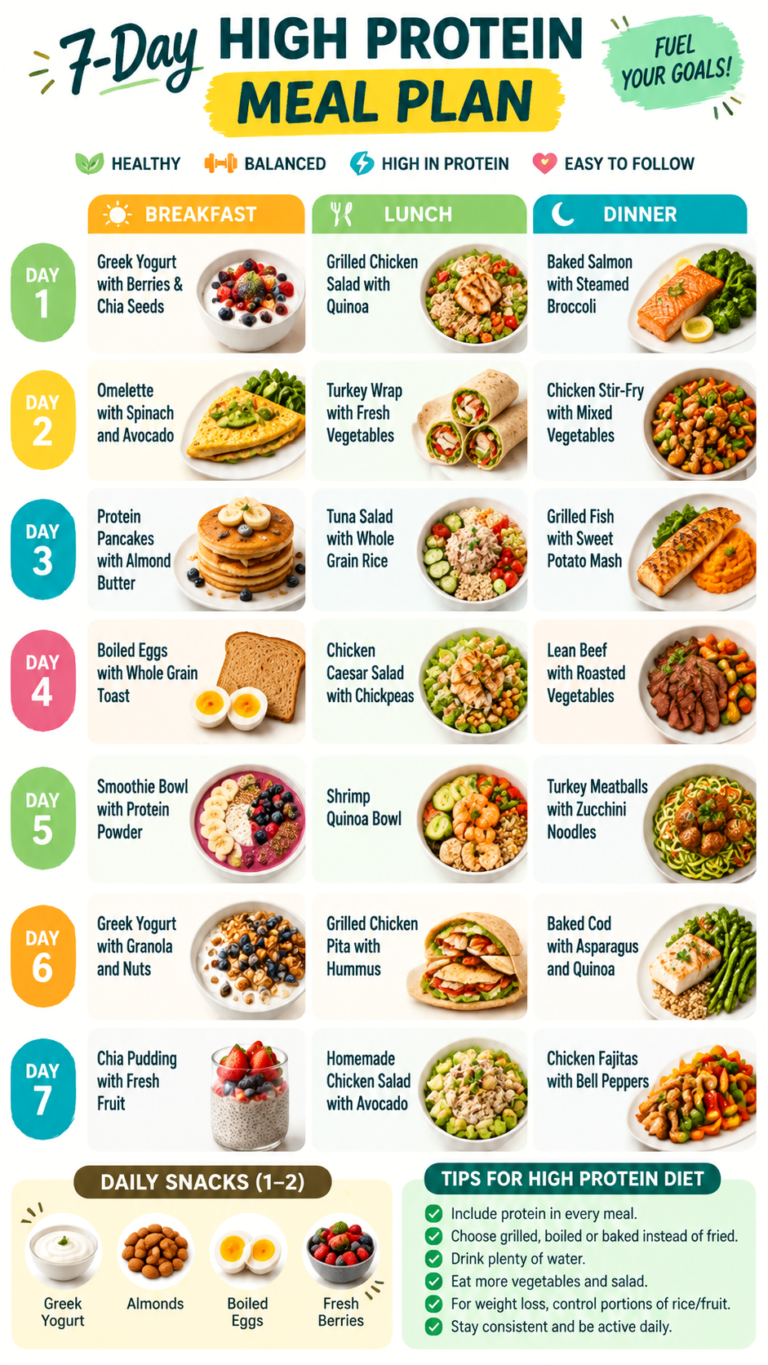
Including a protein source throughout the day helps ensure your body has access to the nutrients needed for muscle repair. Options like eggs, salmon, Greek yogurt, beans, and quinoa can make it easier to reach your goals.
Combine Nutrition With Strength Training
Food supports your progress, but resistance exercises are what challenge your muscles. Glute-focused movements such as squats, hip thrusts, lunges, and other strength exercises can complement a balanced nutrition plan.
Important: Progress comes from repeating healthy habits over time. Consistent training, enough recovery, and nourishing meals work together to support stronger muscles.
Quick Points: Glute Growth Nutrition at a Glance
At a Glance
- Choose protein-rich foods for muscle support.
- Add quality carbs for training energy.
- Include healthy fats for balanced nutrition.
- Stay consistent with meals and workouts.
Conclusion: Fuel Your Stronger Glute Journey
Creating stronger glutes starts with a combination of smart training and supportive nutrition. Foods like avocados, oats, sweet potatoes, eggs, salmon, quinoa, and other nutrient-dense options can help you build balanced meals that support your fitness goals.
The most effective approach is not a short-term diet, but a consistent lifestyle built around nourishing your body. Choose foods you enjoy, train regularly, and give your muscles the fuel they need to grow stronger.
Tags
Glute Growth
Muscle Building Foods
High Protein Meals
Fitness Nutrition
Healthy Eating
Strong Glutes