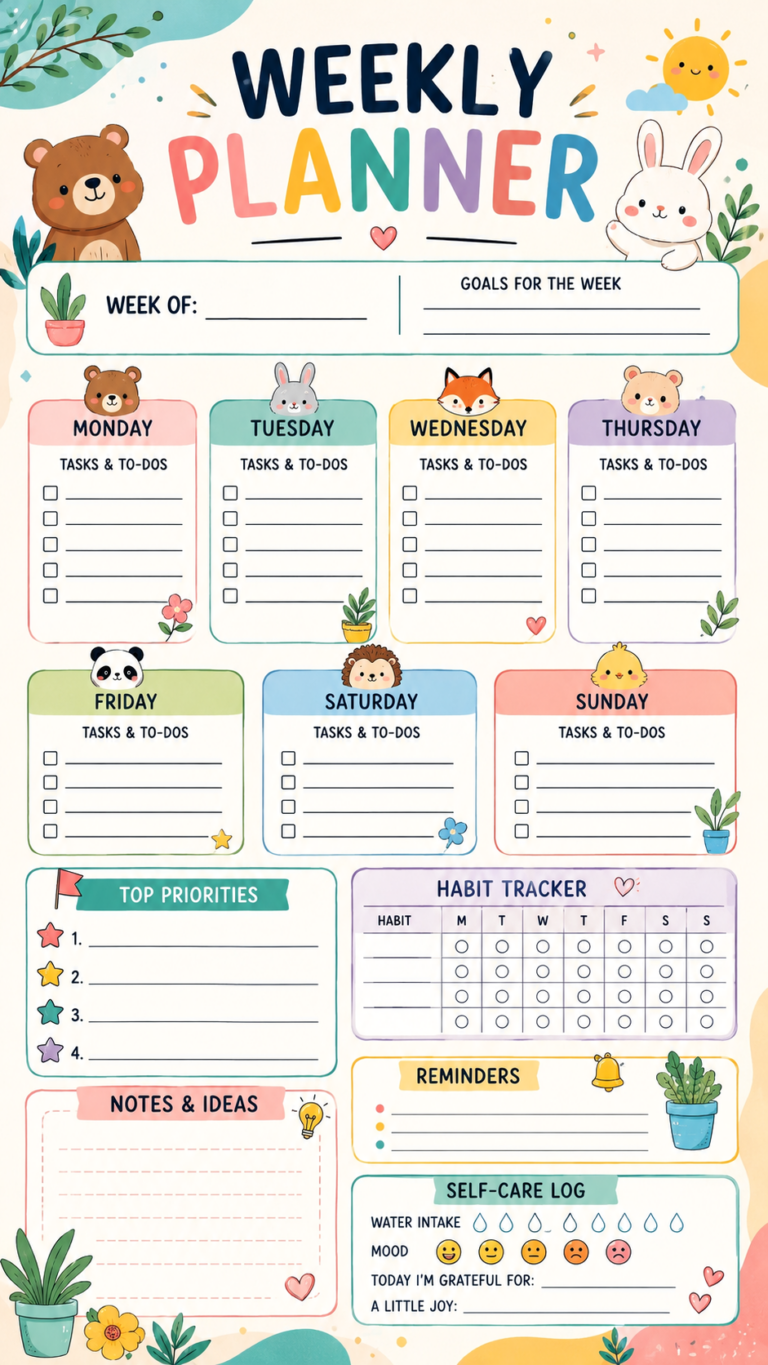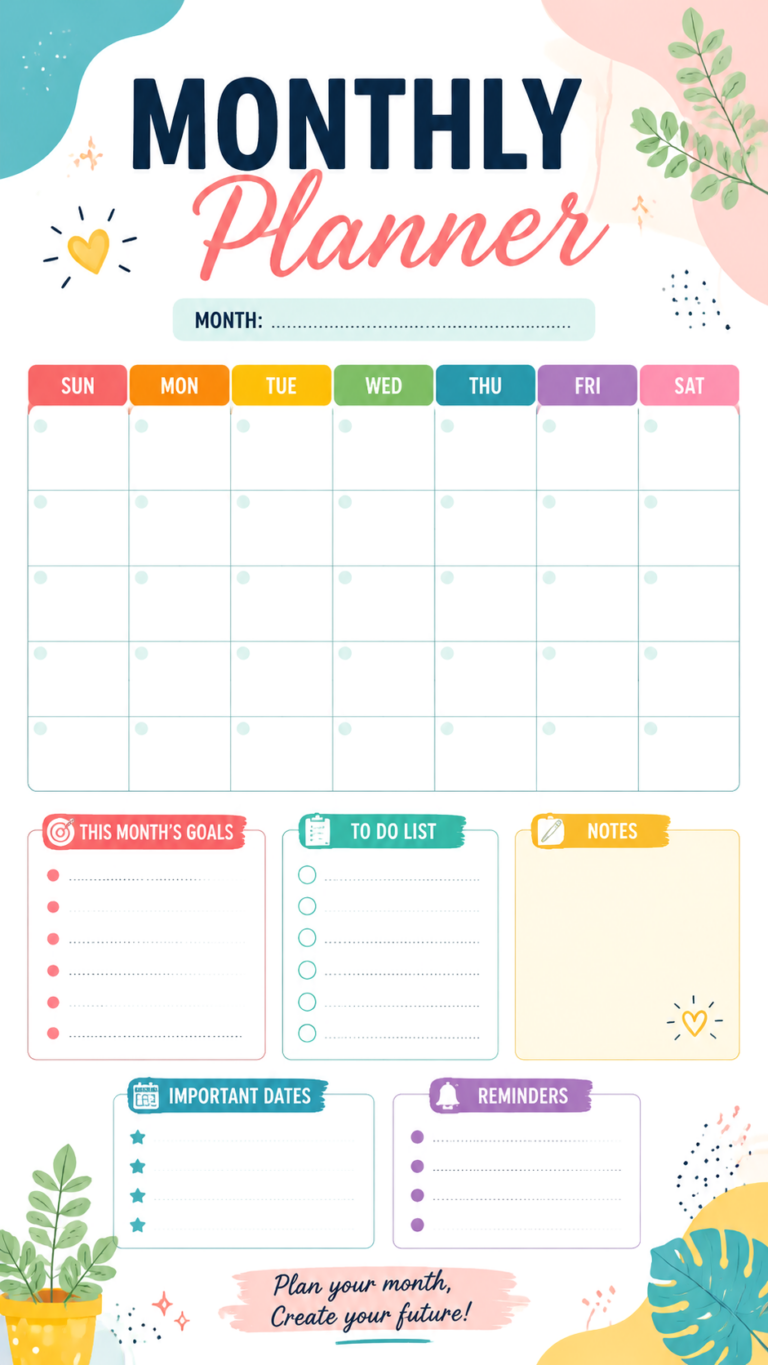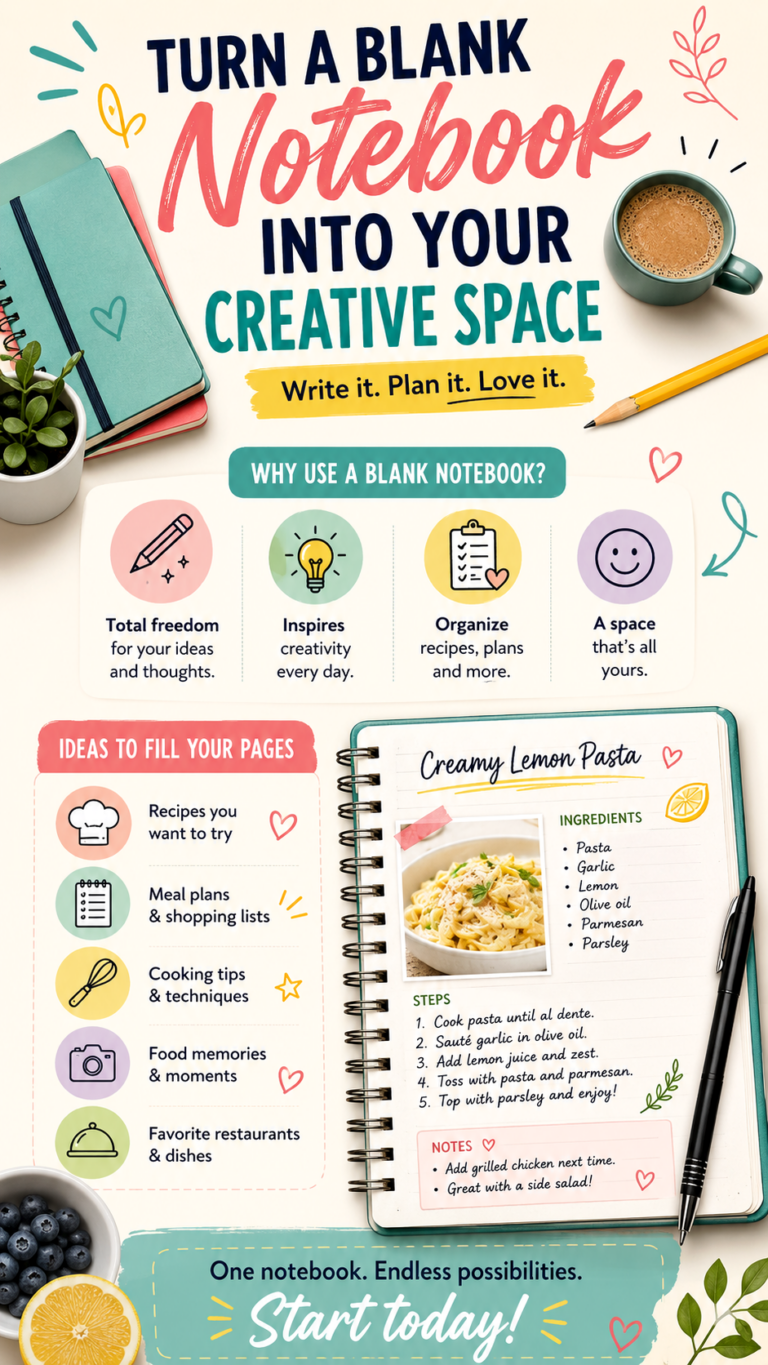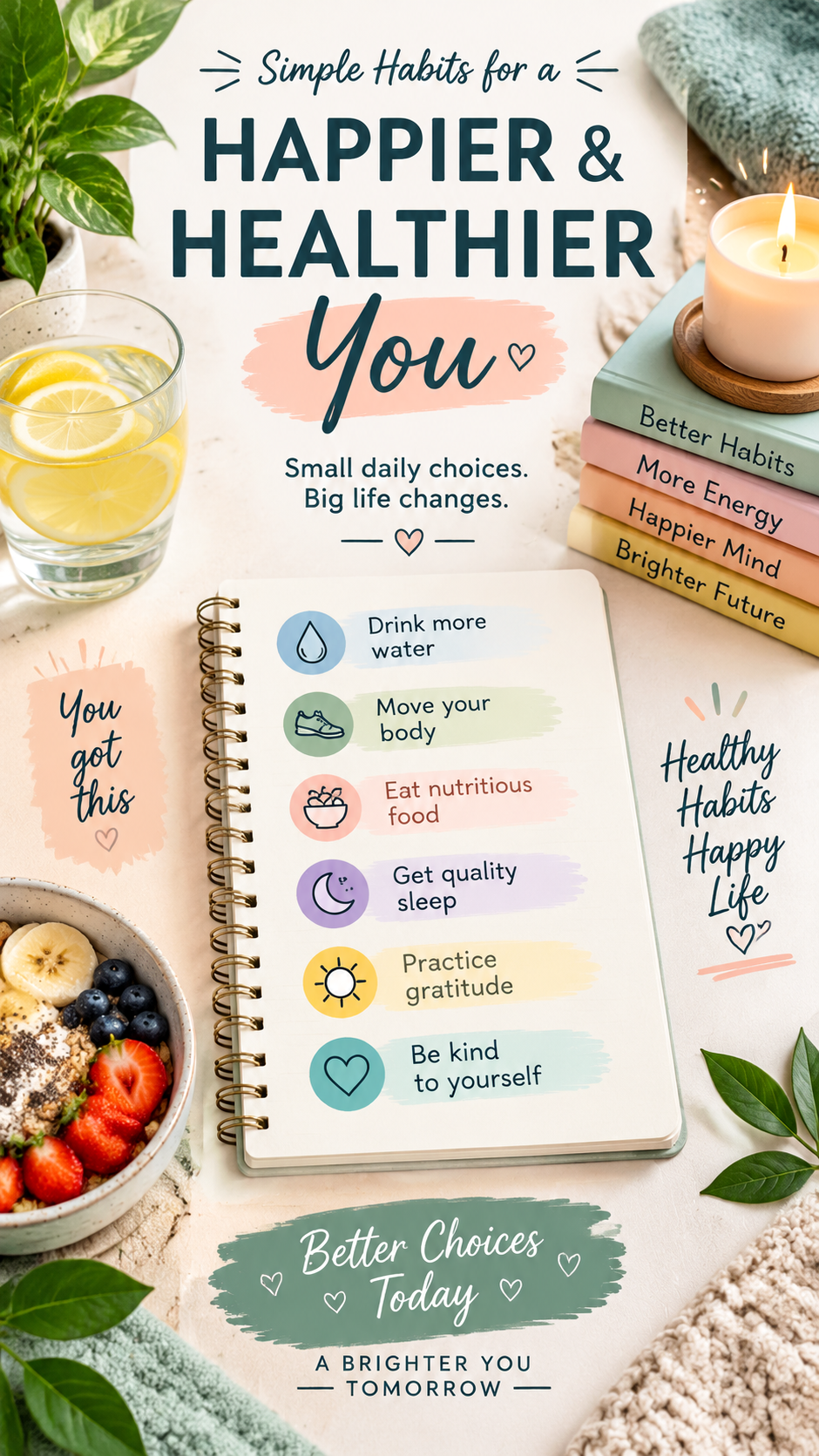
Self-Care Planner Ideas for Wellness, Mindfulness Happiness
Taking time for yourself is one of the most meaningful habits you can build, and a well-designed self-care planner can make that journey feel simple, organized, and inspiring. A thoughtful wellness routine is not about perfection or adding more pressure to your day. It is about creating small moments that support your mental health, physical well-being, emotional balance, and overall happiness.
The idea behind a self-care planner is to transform everyday wellness goals into realistic actions. From drinking enough water and practicing gratitude to journaling, moving your body, resting properly, and enjoying creative activities, small habits can create powerful changes over time.
Key Takeaways
- A self-care planner helps organize healthy daily habits and wellness goals.
- Small routines like hydration, mindfulness, and journaling can improve balance.
- Self-care includes mental, physical, emotional, spiritual, and creative wellness.
- Tracking simple habits can encourage consistency and personal growth.
- A personalized wellness plan makes self-care easier to maintain long term.
What Is a Self-Care Planner?
A self-care planner is a personal tool designed to help you intentionally care for your mind, body, and emotions. Instead of waiting until stress builds up, a planner encourages you to create daily and weekly routines that support your well-being.
Many people associate planning with work, productivity, and responsibilities. However, planning can also be used to protect your energy and prioritize activities that help you feel refreshed. A self-care planner creates space for activities such as meditation, relaxation, healthy meals, exercise, hobbies, and meaningful connections.
Important: Self-care is not a luxury or something reserved for special occasions. It is a regular practice that helps you maintain emotional resilience, reduce stress, and create a healthier relationship with yourself.
Why Self-Care Planning Matters for Daily Wellness
Modern life often moves quickly, making it easy to ignore personal needs. Between work, family commitments, social responsibilities, and digital distractions, many people forget to check in with themselves.
A self-care routine provides a gentle reminder to slow down and focus on what truly supports your well-being. Writing down your goals and habits makes them easier to remember and more likely to become part of your lifestyle.
Creating Awareness Through Planning
One of the biggest benefits of using a wellness planner is increased self-awareness. When you track your emotions, habits, and activities, you begin to understand what helps you feel your best.
- Notice patterns in your mood and energy levels.
- Identify habits that improve your daily routine.
- Create intentional time for rest and relaxation.
- Celebrate progress instead of focusing only on goals.
Essential Areas to Include in Your Self-Care Planner
A balanced self-care plan focuses on different areas of wellness. The most effective routines support more than just physical health. They create harmony between your thoughts, feelings, habits, and personal goals.
Mental Health and Mindfulness
Mental wellness is an important part of any self-care planner. Activities like journaling, breathing exercises, meditation, and gratitude practices can help create a calmer mindset.
Adding a few minutes of mindfulness to your day can encourage you to stay present and become more aware of your thoughts without judgment.
Simple Mental Wellness Ideas
- Write down three things you appreciate each day.
- Practice deep breathing when feeling overwhelmed.
- Keep a journal to express thoughts and emotions.
- Take quiet moments away from screens.
Physical Care and Healthy Habits
Taking care of your body is another important part of a successful self-care routine. Simple actions such as drinking enough water, moving regularly, eating nourishing foods, and getting quality sleep can have a positive impact on your energy.
A planner can help you track these habits without turning wellness into a stressful checklist. The goal is progress, not perfection.
Rest and Recharge
Rest is a necessary part of personal wellness. Many people focus on productivity while forgetting that recovery allows the mind and body to function better.
Include relaxing activities in your planner, such as reading, enjoying nature, listening to music, taking a warm bath, or simply creating quiet time for yourself.
How to Build Your Own Self-Care Planner Routine
Creating a personal wellness planner does not require complicated systems. The best planner is one that feels enjoyable and easy to use.
Step 1: Identify Your Wellness Priorities
Start by thinking about the areas where you need more support. Maybe you want better sleep, more relaxation, improved confidence, or more time for creativity. Your planner should reflect your personal needs.
Step 2: Add Small Daily Habits
Choose simple actions that can easily fit into your schedule. Examples include drinking water after waking up, writing in a gratitude journal, stretching for a few minutes, or taking a peaceful evening break.
Step 3: Track Your Progress With Kindness
Your planner should be a source of encouragement, not pressure. Celebrate completed habits and allow flexibility when life becomes busy.
Expert Insight
A meaningful self-care planner works best when it reflects your real life. Wellness is personal, and the most effective routines are the ones you can enjoy and maintain.
Self-Care Ideas to Add to Your Planner
Adding variety keeps your self-care routine interesting and enjoyable. Consider including activities from different wellness categories.
- Morning gratitude journaling.
- Daily hydration reminders.
- Gentle exercise or yoga sessions.
- Creative hobbies like drawing, crafting, or music.
- Nature walks and peaceful outdoor time.
- Digital breaks to reduce screen fatigue.
- Weekly reflection and personal goal setting.
The Connection Between Self-Care and Happiness
Self-care creates a stronger foundation for happiness because it encourages you to pay attention to your needs. When you regularly care for yourself, you build habits that support confidence, calmness, and emotional balance.
Happiness does not always come from major life changes. Often, it grows from small daily moments that make you feel connected, peaceful, and supported.
Remember: Small self-care habits can create meaningful improvements over time. A few intentional choices each day can help you build a healthier and more balanced lifestyle.
At a Glance
- Plan simple habits that support wellness.
- Focus on mental, physical, and emotional care.
- Create routines that feel realistic and enjoyable.
- Use tracking as motivation, not pressure.
Conclusion: Make Self-Care a Daily Priority
A self-care planner is more than a simple checklist. It is a reminder to slow down, reconnect with yourself, and create habits that support a healthier lifestyle. Whether you focus on mindfulness, physical care, creativity, rest, or emotional wellness, every small step matters.
Building a balanced routine takes time, but each intentional choice brings you closer to a calmer and more fulfilling life. Start with small habits, personalize your plan, and make self-care a meaningful part of your everyday journey.
Tags
Self-Care Planner
Wellness Routine
Mindfulness
Mental Health
Healthy Habits
Self Improvement