20 Self-Care Ideas for a Happier, Healthier More Relaxing Day
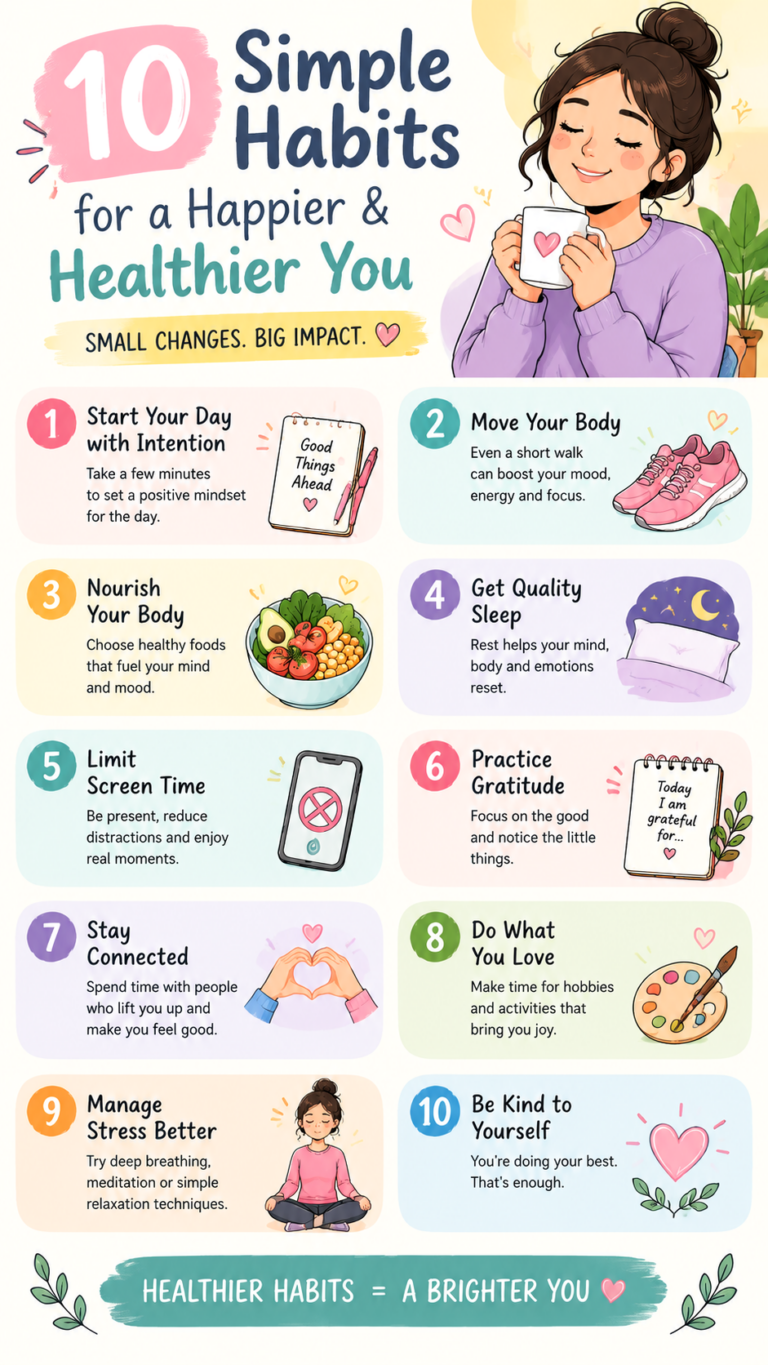
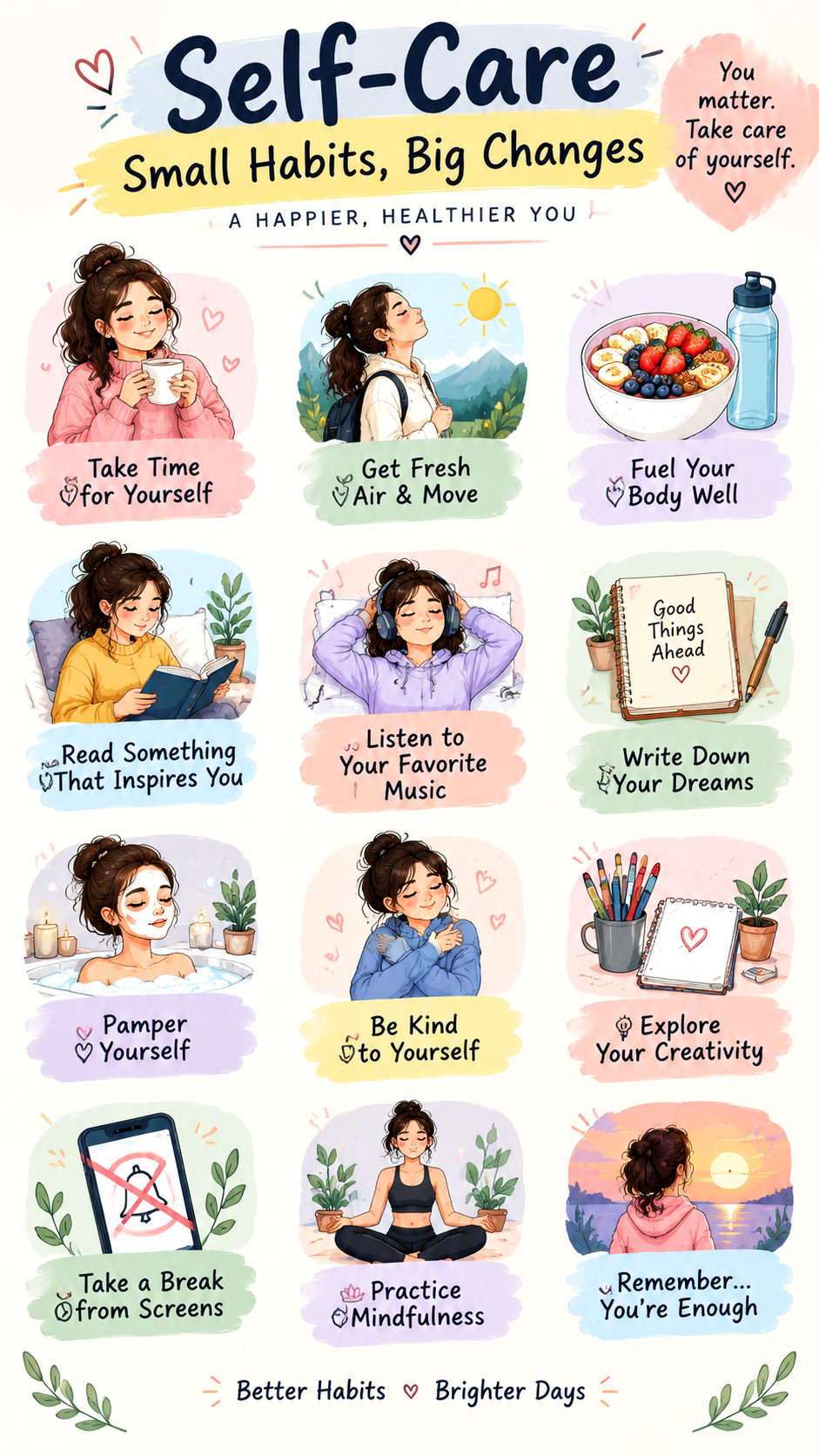
Self-care does not have to mean expensive spa days, elaborate wellness routines, or hours of free time. Sometimes, the smallest habits can make the biggest difference in how you feel throughout the day. Taking a few minutes to enjoy nature, listen to your favorite music, read a good book, or practice deep breathing can help you slow down and reconnect with yourself. These simple self-care ideas are easy to incorporate into everyday life, even when your schedule feels full.
Creating a happier, more relaxing day starts with recognizing that your physical health, emotional well-being, and mental peace deserve attention. Whether you want to reduce everyday stress, develop healthier habits, improve your mood, or simply make more time for yourself, a few thoughtful changes can help you build a routine that feels comforting and sustainable.
Key Takeaways
- Practice small self-care habits consistently instead of waiting for the perfect moment.
- Support your well-being with movement, nutritious meals, rest, and time outdoors.
- Create calming rituals with music, reading, tea, mindfulness, or a warm bath.
- Protect your personal time by setting digital boundaries and making space for creativity.
- Use journaling, affirmations, and daily planning to encourage a more positive mindset.
- Remember that self-care should fit your needs, preferences, energy, and lifestyle.
What Is Self-Care and Why Does It Matter?
Self-care is the practice of taking intentional steps to support your physical, emotional, and mental well-being. It includes the everyday decisions that help you feel rested, nourished, balanced, and connected to what matters most. Although the term often brings to mind skincare routines and relaxing baths, self-care can be much simpler and more personal.
For one person, self-care might mean going for a peaceful morning walk. For another, it could involve turning off phone notifications, preparing a nourishing meal, writing down worries, or spending a quiet evening with a favorite book.
The goal is not to create another demanding checklist. Instead, self-care helps you notice what you need and respond with kindness. Some days, that might mean exercising or organizing your plans. Other days, it might mean taking a break, asking for support, or getting more rest.
Important: Self-care is not selfish, and it does not need to be earned through productivity. Rest, nourishment, personal boundaries, and enjoyable activities are valuable parts of a balanced life, even when your to-do list is unfinished.
20 Simple Self-Care Ideas for a Happier Day
You do not need to try every self-care activity at once. Explore these ideas and choose the ones that match your mood, available time, and personal preferences. Even five intentional minutes can provide a welcome pause in a busy day.
1. Spend Time in Nature
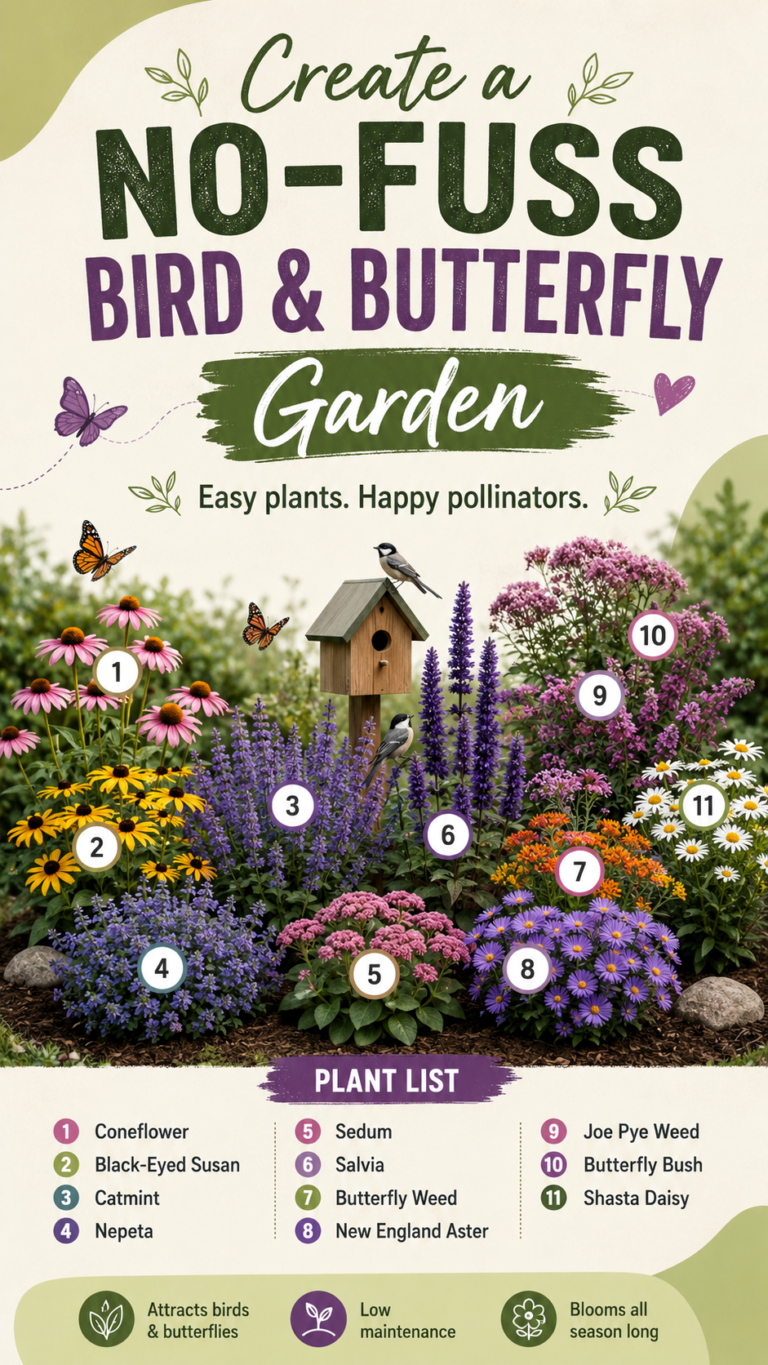
Fresh air and natural surroundings can offer a refreshing break from screens, responsibilities, and indoor routines. Take a short walk through a park, sit in your garden, enjoy the sunshine, or notice the trees and flowers along your street.
You do not need to plan a long hike or travel somewhere special. Even a brief outdoor break can help you shift your attention away from daily demands and reconnect with your surroundings.
- Take a ten-minute walk without checking your phone.
- Sit outside with your morning coffee or afternoon tea.
- Notice three things you can see, hear, or smell around you.
2. Watch a Feel-Good Movie
Sometimes, the best way to unwind is to enjoy a comforting story. Choose a comedy, a favorite family movie, an uplifting film, or something that makes you laugh. Create a cozy atmosphere with a blanket, comfortable clothes, and a favorite snack.
Give yourself permission to enjoy the experience without turning it into another multitasking session. A movie can be a simple way to take a mental break after a demanding day.
3. Listen to Your Favorite Music
Music can influence how a moment feels, making it a useful addition to your self-care routine. Choose gentle instrumental music when you want a peaceful atmosphere, upbeat songs when you need motivation, or familiar favorites when you want a comforting reminder of happy memories.
Create a few playlists for different moods, such as relaxing evenings, energetic mornings, focused work, and quiet reflection. Press play while stretching, preparing dinner, tidying your room, or simply resting.
4. Read a Good Book
Reading offers an opportunity to step away from notifications and immerse yourself in something enjoyable. Pick a novel, an inspiring biography, a collection of essays, poetry, or a practical book that supports a personal interest.
If reading feels difficult to fit into your schedule, begin with five pages before bed or ten minutes during lunch. Keep your book somewhere visible so it becomes easier to reach for it instead of automatically opening social media.
5. Enjoy a Relaxing Bubble Bath
A warm bath can turn an ordinary evening into a calming ritual. Dim the lights, play soft music, use a comfortable towel, and allow yourself a few uninterrupted minutes to relax. If you prefer showers, a warm shower followed by clean pajamas and a simple skincare routine can create a similar sense of comfort.
Keep the experience safe and comfortable by avoiding excessively hot water and leaving scented products out if they irritate your skin. Remember that relaxation is the goal, not creating a picture-perfect bathroom.
6. Move Your Body in a Way You Enjoy
Physical activity can support your overall well-being, improve fitness, and provide a healthy break from sitting for long periods. You do not need an intense workout to make movement part of your day.
Try walking, gentle yoga, dancing in your room, stretching between tasks, cycling, or following a beginner-friendly workout. If you enjoy the gym, plan a manageable session that leaves room for recovery.
- Start with a short walk or a few gentle stretches.
- Choose activities that feel enjoyable rather than punishing.
- Adjust the intensity to your fitness level and energy.
Consistency matters more than perfection. A realistic movement routine is often easier to maintain than an ambitious schedule that leaves you exhausted.
7. Nourish Your Body With Balanced Meals
Eating well is an important part of caring for yourself. Prepare meals that include a variety of vegetables, fruits, whole grains, protein sources, and healthy fats. Simple combinations can be both satisfying and practical, especially when you plan a few ingredients in advance.
For example, make a colorful bowl with leafy greens, roasted vegetables, eggs or beans, and a grain you enjoy. Keep water nearby throughout the day, and choose snacks that help you feel comfortably nourished.
Healthy eating does not require complicated recipes or strict rules. Focus on variety, convenience, and foods that fit your preferences, culture, budget, and nutritional needs.
8. Plan Your Next Day
A little preparation in the evening can make the following morning feel less rushed. Write down your most important tasks, check your calendar, prepare your bag, or choose what you want to wear. Keep the list short enough to feel manageable.
Rather than scheduling every minute, identify one to three priorities and leave room for unexpected changes. Planning should help you feel more prepared, not make you feel trapped by a rigid routine.
9. Practice Deep Breathing
When life feels overwhelming, a few slow, comfortable breaths can create a pause before you respond to the next demand. Find a quiet place, relax your shoulders, and breathe gently through your nose if comfortable. Let your exhale be slow and unforced.
You might practice for one minute before a meeting, after a difficult conversation, or while getting ready for bed. Avoid forcing deep breaths or holding your breath if doing so feels uncomfortable. Return to your normal breathing whenever you need to.
10. Relax With a Cup of Tea
Preparing a warm drink can become a small daily ritual that encourages you to slow down. Choose your favorite tea or another comforting beverage, sit somewhere comfortable, and enjoy the aroma, warmth, and taste without rushing.
Pair your tea break with a few pages of a book, a short journaling session, or a moment looking out the window. If you prefer coffee or a caffeine-free drink, make that part of the ritual instead.
11. Make Time for Mindfulness
Mindfulness means paying attention to the present moment with curiosity rather than immediately judging your thoughts or feelings. You can practice it during meditation, while eating, when walking, or as you complete everyday tasks.
Start by noticing the feeling of your feet on the floor, the sounds around you, or the movement of your breath. When your mind wanders, gently bring your attention back to what is happening now.
Mindfulness does not require an empty mind. It is simply an opportunity to notice your experience without getting caught up in every thought.
12. Get Creative
Creative activities can bring enjoyment and help you express yourself without needing to produce something perfect. Try drawing, painting, knitting, baking, gardening, photography, crafting, or experimenting with a new recipe.
Gather a few supplies and give yourself permission to make something simply because you enjoy the process. You do not need artistic experience or expensive materials to benefit from creative play.
Set aside fifteen minutes for a small project, or keep a notebook nearby for spontaneous ideas. The goal is to enjoy making something, not to measure your talent against anyone else’s work.
13. Take a Digital Detox
Constant notifications and endless scrolling can make it difficult to focus on your own needs. A digital detox gives you an opportunity to create healthier boundaries around your phone, computer, and social media use.
You do not have to disconnect from technology completely. Begin with one phone-free meal, a short break from social media, or thirty minutes without unnecessary notifications before bedtime.
- Silence nonessential alerts during your personal time.
- Keep your phone away while reading, eating, or relaxing.
- Replace some scrolling time with an offline activity you enjoy.
Choose boundaries that fit your responsibilities. If you need to remain reachable for work or family, consider allowing important calls while muting less urgent distractions.
14. Treat Yourself to a Gentle Massage
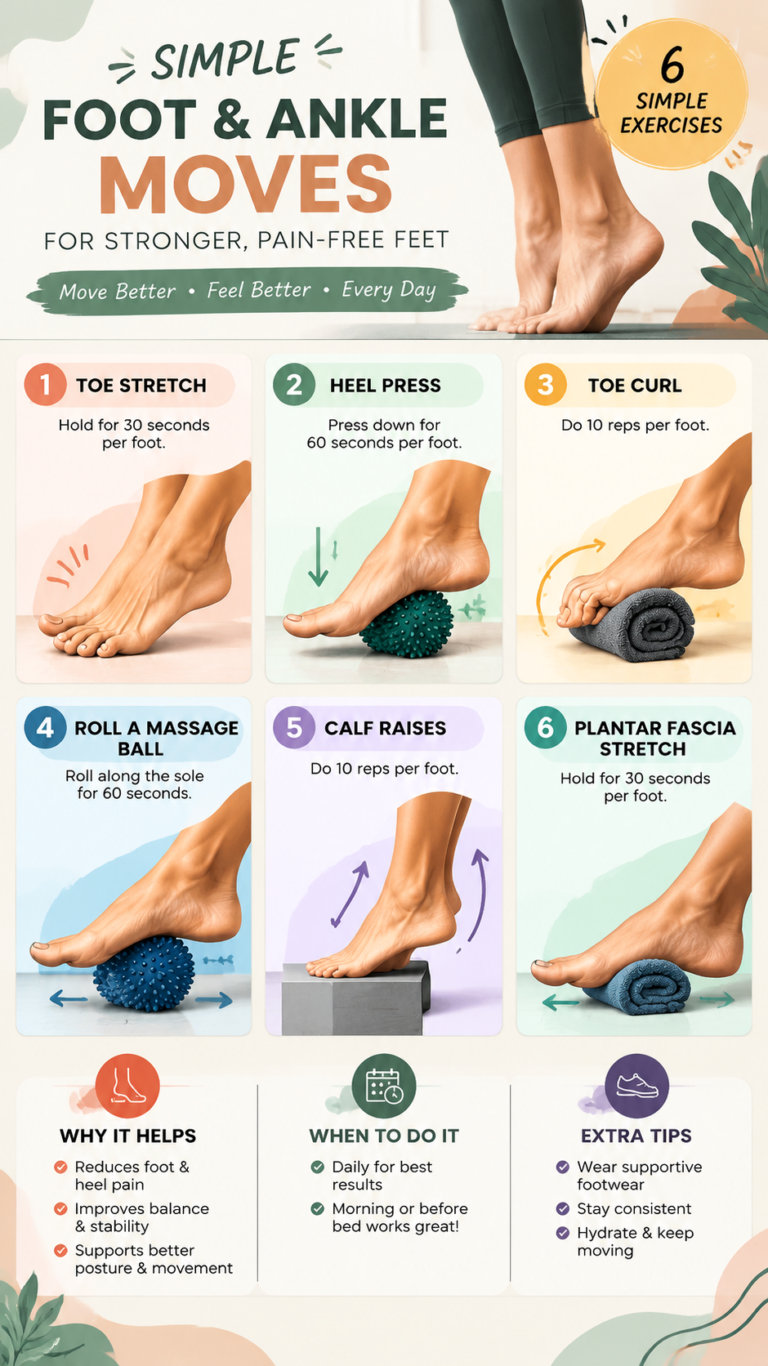
Gentle massage can be a comforting way to relax after a long day. You might massage your hands with lotion, gently rub your temples, or use a soft massage ball on tense muscles when appropriate.
Move slowly and avoid applying pressure that causes pain. If you have an injury, persistent pain, or a health concern that affects massage safety, seek advice from a qualified healthcare professional.
Self-care does not always require booking an appointment. Small moments of physical comfort can be incorporated into your existing routine with very little preparation.
15. Discover Something New
Trying something unfamiliar can add curiosity and variety to your everyday life. Learn a few words in another language, explore a new walking route, experiment with a different cooking technique, or listen to a podcast about a subject that interests you.
Keep the experience light and manageable. You do not need to turn every new interest into a major goal or a productive side project. Sometimes, exploring something simply because it catches your attention is enough.
16. Create a Personal Vision Board
A vision board is a collection of images, words, reminders, and ideas that represent what you would like to welcome into your life. It can reflect personal goals, meaningful experiences, creative ambitions, or the feelings you want to prioritize.
Use a notebook, a corkboard, or a digital collage to gather inspiring images and phrases. Include realistic goals alongside reminders of what already makes your life meaningful.
Keep your vision board flexible. It should encourage reflection and motivation, not create pressure to achieve every goal on a fixed timeline.
17. Practice Positive Affirmations
Affirmations are short statements that help you intentionally focus on values, strengths, or encouraging perspectives. Examples include “I can take things one step at a time,” “My needs matter,” and “I am allowed to rest.”
Choose words that feel believable and supportive. If an overly positive statement feels disconnected from your current experience, try a gentler alternative such as “I am learning to handle difficult moments” or “I can ask for help when I need it.”
Use affirmations while getting dressed, writing in your journal, or preparing for a challenging day. They work best as reminders to support constructive action, rather than as promises that every problem will disappear.
18. Journal Your Thoughts
Journaling gives you a private space to explore your feelings, organize your thoughts, and reflect on everyday experiences. You do not need to be a skilled writer or fill several pages. A few honest sentences can be a useful starting point.
If you are unsure what to write, try one of these prompts:
- What is one thing I appreciate about today?
- What has been taking up most of my mental energy?
- What do I need more of this week?
- What is one small thing I can do to support myself tomorrow?
- What moment made me smile recently?
You can journal in the morning to set an intention or in the evening to reflect on the day. Keep your approach flexible so writing feels like an invitation rather than another obligation.
19. Enjoy the Little Things
Happiness is not limited to major achievements, exciting trips, or special occasions. Ordinary moments can also bring comfort and enjoyment when you give yourself time to notice them.
Enjoy sunlight through your window, a conversation with someone you love, fresh flowers, a favorite meal, clean sheets, or a quiet sunset. These small experiences may seem insignificant when you are rushing, but they can add warmth to everyday life.
Try ending each day by remembering one pleasant moment. It does not need to be extraordinary. The purpose is to notice what felt good, meaningful, or comforting.
20. Make Rest a Priority
Rest is an essential part of self-care, especially when responsibilities leave you feeling stretched too thin. A restful break might involve taking a short nap when appropriate, sitting quietly, enjoying a warm shower, or giving yourself an earlier bedtime.
Protecting rest also means recognizing when you have reached your limits. You might postpone a nonessential task, ask someone to help, or decline an invitation when you genuinely need time to recover.
Healthy rest is not a reward for finishing everything. It is one of the basic needs that helps you continue caring for yourself and meeting everyday responsibilities.
How to Build a Simple Daily Self-Care Routine
Knowing which self-care activities you enjoy is a great start. The next step is finding a realistic way to make them part of your everyday life. A routine does not have to be complicated to be meaningful.
Create a Gentle Morning Routine
Begin your day with a few habits that help you feel grounded. Drink some water, open the curtains, stretch gently, or spend a minute deciding what matters most today. If you enjoy quiet mornings, allow a little time for tea, reading, or journaling before checking your messages.
Choose activities that suit your actual schedule. A five-minute routine you can maintain is more useful than an elaborate plan that makes mornings stressful.
Take Short Breaks During the Day
Self-care can happen between ordinary responsibilities. Step away from your desk, refill your water, stretch your shoulders, take a brief walk, or pause for several comfortable breaths. If your day is busy, connect a small habit to something you already do, such as stretching after lunch or listening to music while preparing a meal.
These short pauses can help you become more aware of your energy and needs throughout the day.
Create a Relaxing Evening Ritual
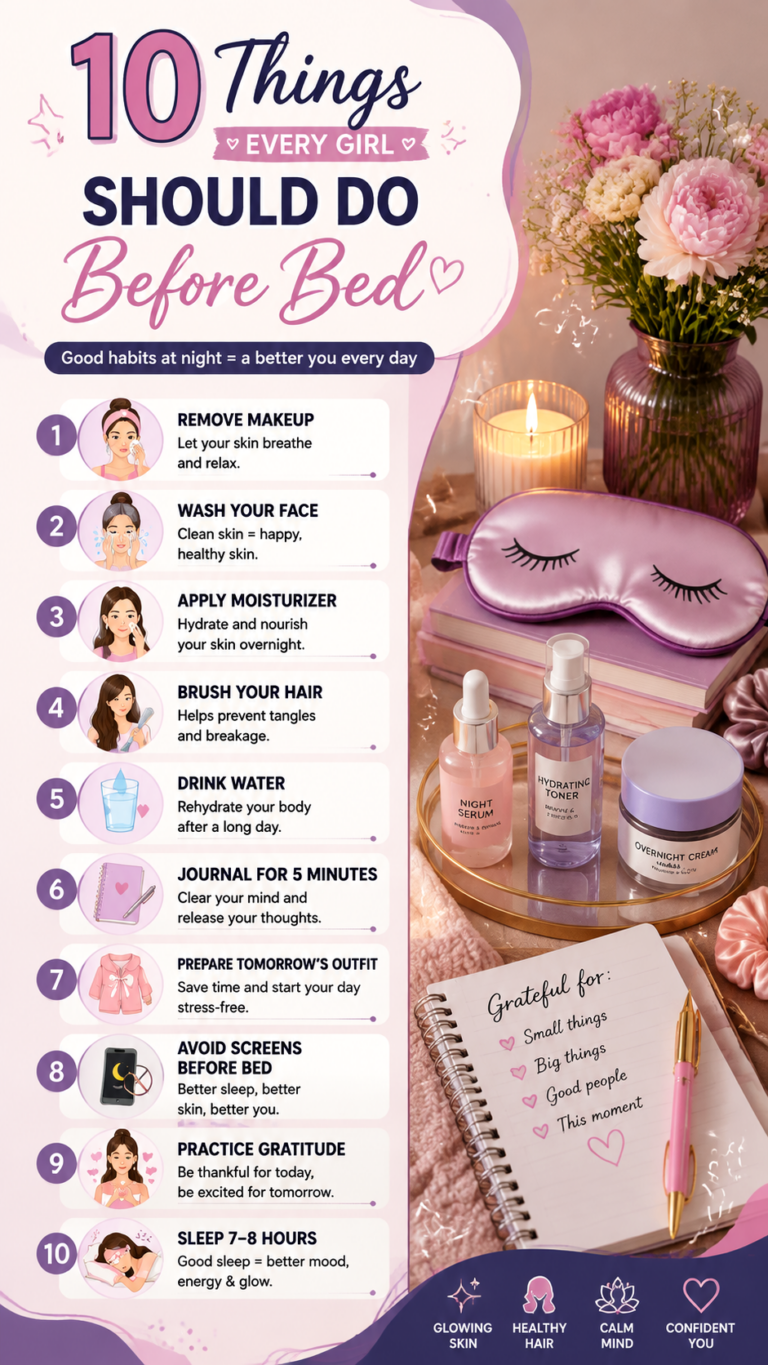
Use the end of the day to transition away from work and other demands. Put away unnecessary screens, prepare for tomorrow, read a few pages, write down your thoughts, or enjoy a warm drink.
A consistent wind-down routine can make evenings feel calmer. Choose relaxing activities that you enjoy, and give yourself permission to adjust the routine when life gets busy.
Expert Insight: Start Smaller Than You Think
One of the easiest ways to make self-care sustainable is to lower the barrier to getting started. Instead of promising yourself an hour of meditation, begin with two quiet minutes. Instead of planning a complete lifestyle makeover, choose one enjoyable habit to repeat this week. Small, realistic actions are easier to adapt to changing schedules and energy levels.
Self-Care Ideas for Different Moods and Needs
Your needs can change from day to day. Rather than following the same routine regardless of how you feel, choose an activity that fits the moment.
When You Feel Stressed or Overwhelmed
- Take a few slow, comfortable breaths.
- Write down your concerns and identify one manageable next step.
- Step outside for fresh air or take a short walk.
- Turn off nonessential notifications for a while.
- Ask for help if your responsibilities feel difficult to manage alone.
When You Feel Tired
- Choose a quiet activity instead of a demanding workout.
- Prepare an easy, nourishing meal or snack.
- Take a break from screens and unnecessary tasks.
- Make your evening routine simpler and allow enough time for sleep.
- Consider whether you need practical support or a lighter schedule.
When You Need Motivation
- Listen to an upbeat playlist.
- Move your body in a way that feels enjoyable.
- Choose one small task and finish it before adding another.
- Read an encouraging passage or write a supportive affirmation.
- Reconnect with a personal goal that feels meaningful to you.
When You Feel Disconnected From Yourself
- Spend time alone in a comfortable, peaceful place.
- Journal about what you have been feeling and needing.
- Try a creative activity without worrying about the result.
- Enjoy nature without rushing to your next destination.
- Reach out to a trusted friend or loved one for connection.
How to Make Self-Care a Lasting Habit
It is easy to feel inspired by a collection of wellness ideas and then struggle to put them into practice. The solution is not necessarily more motivation. It is creating a routine that fits your real life.
Choose Two or Three Favorite Activities
Start by selecting a small number of activities you genuinely enjoy. You might choose a morning stretch, an afternoon walk, and ten minutes of reading before bed. Once these habits feel comfortable, you can experiment with others.
There is no need to copy someone else’s wellness routine. Your ideal self-care plan should reflect your preferences, responsibilities, available resources, and personal goals.
Connect Habits to Existing Routines
Pairing a new habit with an activity you already do can make it easier to remember. For example, practice deep breathing after brushing your teeth, prepare your tea after lunch, or write one line in your journal before switching off the light.
Keep your materials visible when possible. Leave a book on your bedside table, place your journal beside your favorite chair, or prepare comfortable walking shoes near the door.
Let Go of the All-or-Nothing Mindset
Missing a day does not mean you have failed. Some weeks are unpredictable, and your self-care habits may need to change with your circumstances. If you cannot complete your usual routine, choose a smaller alternative or return to it when you are ready.
For example, replace a full workout with a short stretch, a long journaling session with three sentences, or an elaborate evening ritual with five minutes of quiet time. Flexibility helps self-care remain supportive instead of becoming another source of pressure.
Make Room for Boundaries
Self-care sometimes involves doing less, saying no, or asking others to respect your time. You may need to protect your lunch break, reduce unnecessary commitments, or establish a time when you stop answering nonurgent messages.
Boundaries are not about shutting everyone out. They help you manage your energy and create room for the responsibilities, relationships, and activities that matter to you.
Common Self-Care Mistakes to Avoid
Self-care should make everyday life feel more supportive, not more complicated. A few common mistakes can make even enjoyable habits feel like obligations.
Trying to Change Everything at Once
Starting several new habits simultaneously can make your routine difficult to maintain. Choose one or two priorities and build gradually. You can always add more activities when you feel ready.
Comparing Your Routine With Others
Social media often presents polished versions of wellness routines, complete with beautiful spaces, elaborate products, and carefully planned schedules. These images can be inspiring, but they do not define what healthy self-care should look like for you.
Your routine can be simple, inexpensive, and imperfect. A walk around your neighborhood or a quiet cup of tea can be just as personally meaningful as a more elaborate activity.
Using Self-Care to Avoid Important Problems
Relaxing activities can provide a helpful break, but they do not always address the underlying cause of stress. If you are overwhelmed by an unreasonable workload, persistent relationship difficulties, financial concerns, or ongoing emotional distress, you may also need practical changes or support from others.
Self-care can include seeking professional help, having a difficult conversation, asking for assistance, or making a plan to address a problem. You deserve support that goes beyond temporarily distracting yourself from what is difficult.
A Simple Seven-Day Self-Care Challenge
If you want to put these ideas into practice, use this gentle seven-day challenge as a starting point. Each activity is flexible, and you can repeat the ones that make you feel most comfortable.
- Day 1: Enjoy nature. Spend ten minutes outside or take a short walk somewhere peaceful.
- Day 2: Create a calming moment. Listen to your favorite music or enjoy a warm drink without rushing.
- Day 3: Nourish your body. Prepare a balanced meal and take a few comfortable movement breaks.
- Day 4: Disconnect from distractions. Set aside a short phone-free period for reading, resting, or enjoying a hobby.
- Day 5: Express yourself. Journal your thoughts, draw something, or explore another creative activity.
- Day 6: Make time for rest. Simplify your schedule and choose an activity that helps you unwind.
- Day 7: Reflect and reset. Think about which activities you enjoyed and choose two habits to continue next week.
At the end of the challenge, focus on what felt useful rather than how many activities you completed. The best habits are the ones you can realistically return to over time.
Quick Points: Your Self-Care Checklist
At a Glance
- Move your body in a way you enjoy.
- Eat nourishing meals and drink water regularly.
- Make time for rest, reading, music, or another calming activity.
- Set healthy boundaries around screens and commitments.
- Choose small habits that match your needs and energy.
Conclusion: Small Self-Care Habits Can Make a Difference
Building a happier, more relaxing day does not require a perfect routine or a complete lifestyle transformation. It begins with small, thoughtful choices that help you care for your body, understand your feelings, and make space for the things you enjoy.
Spend time outdoors, listen to music, prepare a nourishing meal, read a good book, practice mindfulness, or take a break from your phone. Try journaling when you need clarity, creative activities when you want inspiration, and a peaceful evening ritual when it is time to unwind. Each habit offers a different way to make your everyday life feel more intentional.
The most important part of self-care is making it personal and sustainable. You do not need to follow every suggestion or accomplish something new every day. Start with one small action, notice how it fits into your life, and adjust as your needs change.
Remember that you deserve care on ordinary days, busy days, and difficult days, too. Give yourself permission to slow down, celebrate small wins, and create moments of comfort wherever you can. Over time, these simple practices can become meaningful reminders that your well-being matters.
Choose one self-care idea to try today, then save this list for inspiration whenever you need a gentle reminder to pause, recharge, and reconnect with yourself.
Tags
Self-Care Ideas
Daily Self-Care Routine
Mental Wellness
Mindfulness
Stress Relief
Self-Love
Healthy Habits
Relaxation Ideas