DIY Herbal Glycerite Easy Alcohol-Free Extract Recipe
Welcome to the wonderful world of home herbalism! If you have ever wanted to craft your own plant-based remedies but felt hesitant about using alcohol, you are in the exact right place. Many traditional herbal extracts, commonly known as tinctures, rely heavily on high-proof spirits to draw out the beneficial properties of plants. While this is an incredibly effective and ancient method, alcohol based remedies are simply not suitable for everyone. Enter the herbal glycerite, a sweet, gentle, and completely alcohol-free alternative that is surprisingly easy to make right in your own kitchen.
Whether you are building a home apothecary for your family, looking for kid-friendly options, or you simply prefer a milder tasting remedy, learning how to make a glycerite is a foundational skill you will use time and time again. Today, we are going to walk through the master method for creating a beautiful, potent herbal glycerite that preserves the delicate flavors and soothing properties of your favorite botanicals. Let us dive into the magic of alcohol-free extraction!
What Exactly is a Herbal Glycerite?
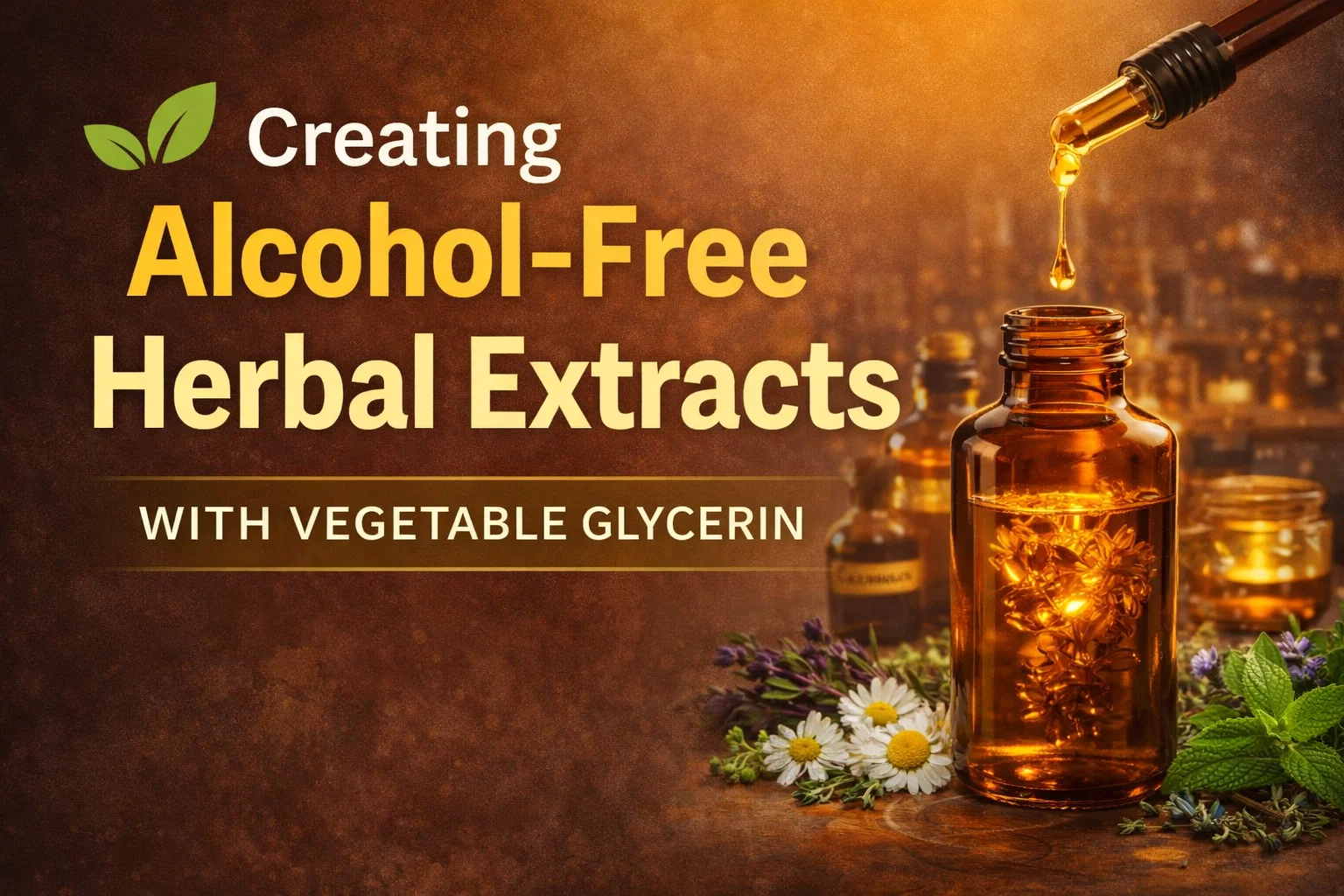
At its core, a herbal glycerite is a liquid botanical extract that utilizes food-grade vegetable glycerin and water as the primary solvent, rather than traditional alcohol. Vegetable glycerin is a clear, thick, and syrupy liquid that is typically derived from plant oils such as coconut, palm, or soy. It possesses a naturally sweet taste, yet it does not cause the rapid blood sugar spikes associated with refined sugars.
When you combine glycerin with distilled water, it creates a highly effective medium for extracting the water-soluble and some alcohol-soluble constituents from raw plant material. While they extract much more gently than strong alcohol tinctures, glycerites are incredibly popular among herbalists because they preserve the true, authentic flavor of the plant. Furthermore, the thick nature of glycerin makes the final product exceptionally soothing to the throat and digestive tract.
Top Benefits of Choosing Glycerites
There are several compelling reasons to add this extraction method to your natural wellness toolkit.
- Completely Alcohol-Free: This makes glycerites the premier choice for children, individuals with specific sensitivities, pregnant women, or anyone choosing to avoid alcohol for personal or health reasons.
- Gentle Flavor Preservation: Glycerin acts as both a natural preservative and a sweetener. It captures the nuanced, aromatic flavors of herbs beautifully. Instead of a harsh bite, the final product often tastes like a concentrated, sweet herbal tea.
- Soothing Properties: Glycerin is a natural humectant, meaning it actively attracts and retains moisture. This unique characteristic gives glycerites a naturally soothing, coating quality that feels wonderful on irritated tissues.
- Easy to Administer: Because they taste so pleasant, you will rarely have to fight with a child or a picky adult to get them to take their daily herbal drops.
The Best Botanicals for Glycerite Extraction
Because glycerin is a much gentler solvent than strong alcohol, it truly excels at extracting aromatic, delicate, and sweet-tasting herbs. Resinous or highly woody plants might require the harshness of alcohol to break them down, but delicate flowers and soft leaves shine perfectly in a glycerite base. Here are some of the absolute best herbs to start with for your first batch:
- Lemon Balm: Uplifting, bright, and slightly citrusy, this herb makes a delicious, calming glycerite that is perfect for stressful days or easing nervous tension.
- Chamomile: A timeless classic choice for relaxation. A chamomile glycerite is wonderfully soothing before bedtime and is a staple for helping kids settle down for the night.
- Lavender: Known worldwide for its aromatic tranquility, lavender infuses beautifully into glycerin, preserving its floral notes without becoming overpowering.
- Rose: Rose petal glycerites are deeply luxurious and heart-opening. They capture the true essence of the flower and are wonderful for emotional support.
- Dried Elderberry: Excellent for seasonal immune support, elderberries create a rich, dark, and fruity syrup-like extract that families absolutely love during the chilly winter months.
Step-by-Step Guide: The Master Method for Herbal Glycerites
Are you ready to make your own? The process is wonderfully straightforward. You do not need any fancy laboratory equipment, just a few high-quality ingredients, clean jars, and a little bit of patience. Here is the step-by-step master method to ensure your home extraction is a complete success.
Step 1: Mix Your Solvent Thoroughly
The core secret to a shelf-stable and effective glycerite is the exact ratio of glycerin to water. Pure vegetable glycerin is far too thick to extract plant properties properly on its own, so it must be diluted. The golden rule for this method is a 3:1 ratio. This means you will mix three parts of food-grade vegetable glycerin with one part of distilled water. Stir them together thoroughly in a measuring cup before pouring the mixture over your herbs. This high concentration of glycerin is vital as it ensures your extract will not spoil or ferment over time.
Step 2: Pack Your Glass Jar
Select a perfectly clean, sterilized glass mason jar. If you are using dried herbs, fill the jar about one-quarter to one-half full. It is crucial to remember that dried herbs will expand significantly as they absorb the liquid, so you must leave plenty of room for them to swell. If you are using fresh, wilted herbs, you can pack the jar a bit fuller. However, dried herbs are generally recommended for beginners as they eliminate the risk of mold caused by the excess water content found in fresh plants.
Step 3: Add the Liquid and Seal Tightly
Carefully pour your prepared glycerin and water mixture over the herbs in your jar. Ensure that all the plant material is completely submerged under the liquid. If herbs are poking out above the liquid line, they are exposed to air and can easily oxidize or spoil. Leave a little bit of headspace at the very top of the jar, then seal it tightly with a secure lid. Give the jar a very vigorous shake to distribute the liquid evenly and to dislodge any trapped air bubbles hiding among the plant material.
Step 4: The Steeping Process
Now comes the hardest part of herbalism: waiting! Place your tightly sealed jar in a cool, dark place, such as a closed kitchen cabinet or a dedicated apothecary pantry. Your herbal glycerite needs to steep undisturbed for 4 to 6 weeks to fully extract all the beneficial properties of the herbs. To help the extraction process along, make it a habit to shake the jar daily. This daily agitation prevents the herbs from clumping together and ensures the solvent is constantly moving and drawing out the plant magic.
Step 5: Strain and Finish
Once your 4 to 6 weeks of steeping are finally up, it is time to strain your creation. Line a fine mesh sieve with a piece of clean muslin cloth, cheesecloth, or a specialized jelly strainer bag, and place it securely over a large, clean glass bowl. Pour the entire contents of your mason jar into the cloth. Gather the edges of the cloth together and squeeze firmly. You want to wring out every last drop of that precious, sweet liquid. The glycerin will be quite thick and sticky, so take your time and squeeze as hard as you can to yield the maximum amount of extract.
Proper Storage and Shelf Life Expectations
Once you have thoroughly strained your extract, use a small metal or silicone funnel to carefully transfer the thick liquid into amber glass dropper bottles. The dark tinted glass is highly recommended because it protects the delicate plant constituents from degrading due to UV light exposure. Be absolutely sure to label your bottles clearly with the name of the herb, the solvent ratio used, and the date it was strained.
When crafted meticulously with the proper 3:1 ratio and stored correctly in a cool, dark place out of direct sunlight, your homemade herbal glycerite will boast an impressive shelf life. You can typically expect these gentle extracts to remain vibrant, potent, and safe to use for 1 to 2 years. If the mixture ever smells rancid or develops visible mold, you must discard it immediately. However, a well-made glycerite kept away from extreme heat is remarkably stable and reliable.
Wrapping Up Your Apothecary Journey
Creating your very own herbal remedies from scratch is an empowering, creative, and deeply rewarding practice. By mastering this simple, traditional herbal glycerite method, you open the door to a whole new world of safe, gentle, and delicious plant medicine tailored specifically to your needs. Whether you are crafting a calming chamomile drop for your little ones before bed, or a sweet, uplifting rose extract for yourself during a stressful workday, you now possess the knowledge to do it confidently and safely.
Do not be intimidated by the process. Gather your favorite dried botanical herbs, pick up a bottle of high-quality organic vegetable glycerin, and start your very first batch today. The sweet, health-supporting rewards of your very own home apothecary are just a few short weeks away. Happy herbal crafting!