ADHD in Women Signs, Symptoms 7-Day Brain Reset Guide
For many women, the experience of ADHD can feel confusing, exhausting, and difficult to explain. The signs are not always obvious, especially when symptoms appear as emotional overwhelm, constant mental noise, procrastination, perfectionism, or the need to hide struggles from others. Understanding ADHD in women is the first step toward creating supportive routines that work with the brain instead of fighting against it.
This guide explores common signs of ADHD in women and shares practical ways to reset your daily habits through simple, neurodivergent-friendly strategies. From reducing mental overload to building realistic systems, these approaches can help create more calm, focus, and self-understanding.
Key Takeaways
- ADHD in women can appear through emotional sensitivity, mental chaos, and hidden struggles.
- Many women develop masking habits that can lead to stress and burnout.
- A simple reset routine can reduce overwhelm and support better focus.
- Small habit changes are often more effective than trying to completely change your life overnight.
- Self-compassion is an important part of managing executive dysfunction.
Understanding ADHD in Women
Attention-deficit/hyperactivity disorder, commonly known as ADHD, is often associated with visible hyperactivity or impulsive behavior. However, ADHD in women can look very different. Many women experience internal symptoms that are easier to hide, making their challenges less noticeable to others.
Women with ADHD may appear organized on the outside while feeling overwhelmed internally. They may work extremely hard to keep up with responsibilities, but the constant effort required can create mental exhaustion over time.
Important: ADHD is not simply about attention. It can affect emotional regulation, planning, time management, motivation, memory, and the ability to manage everyday tasks. Recognizing these patterns can help women find strategies that fit their unique needs.
Why ADHD Often Goes Unrecognized in Women
Many women learn to compensate for ADHD symptoms from an early age. They may develop strong perfectionist habits, over-prepare for tasks, or rely on intense pressure to get things done. While these strategies can create temporary success, they often come with stress and emotional fatigue.
Social expectations can also influence how ADHD appears. Women are frequently expected to manage multiple responsibilities, stay organized, and maintain emotional balance. When these expectations become difficult to meet, many women blame themselves instead of recognizing possible ADHD-related challenges.
Common Signs of ADHD in Women
1. Emotional Sensitivity and Feeling Overwhelmed
One common experience for women with ADHD is intense emotional responses. Everyday situations may feel more overwhelming because the brain has difficulty filtering and organizing information.
This emotional sensitivity may appear as:
- Feeling easily stressed by too many responsibilities
- Strong reactions to criticism or disappointment
- Difficulty recovering after emotional situations
- Feeling mentally exhausted after social interactions
Learning emotional regulation techniques, creating quiet moments, and reducing unnecessary demands can help manage emotional overload.
2. Quiet Internal Chaos
Not all ADHD symptoms are visible. Many women experience a busy internal world filled with racing thoughts, mental distractions, and difficulty slowing down.
This internal chaos can make it challenging to:
- Focus on one task at a time
- Relax without feeling restless
- Organize thoughts clearly
- Complete tasks without becoming distracted
External tools such as written reminders, simple routines, and visual planning systems can reduce the pressure on working memory.
3. Procrastination and Executive Dysfunction
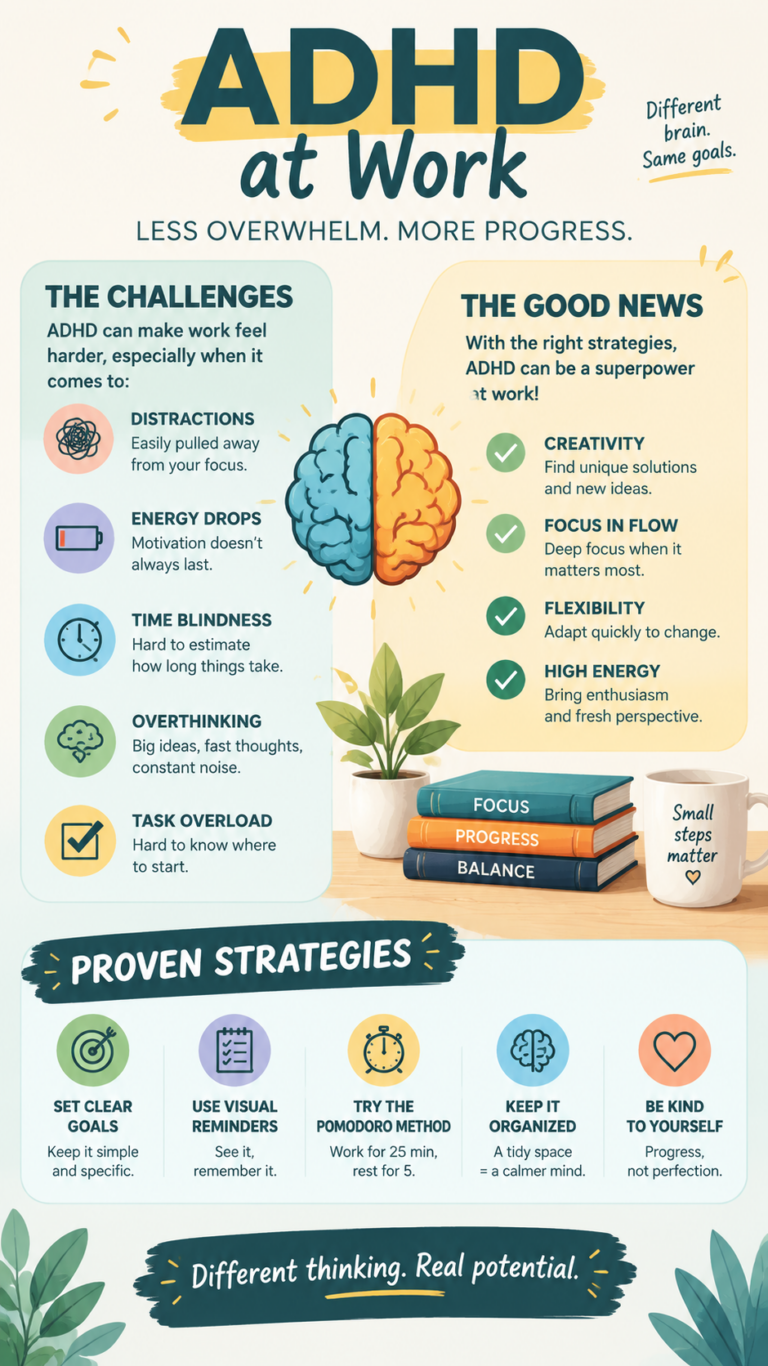
Procrastination is often misunderstood. For women with ADHD, delaying tasks is not always about laziness or a lack of motivation. It can be connected to executive function challenges, including difficulty starting, prioritizing, or organizing tasks.
A large project may feel impossible because the brain struggles to identify the first step. Breaking tasks into smaller actions can make them feel more manageable.
4. Social Masking and Burnout
Social masking happens when someone hides their struggles to appear more organized, calm, or successful. Many women with ADHD become skilled at masking because they want to meet expectations and avoid judgment.
Over time, constant masking can contribute to exhaustion. Creating spaces where you can be authentic and adjusting expectations can support long-term emotional health.
A 7-Day ADHD Brain Reset Guide
A brain reset does not mean changing everything at once. For women with ADHD, small adjustments often create the strongest results. The goal is to reduce mental clutter, create supportive systems, and build habits that feel sustainable.
Day 1: Reduce Mental Load
Start by simplifying your environment and responsibilities. Write down tasks, remove unnecessary commitments, and create a clear list of priorities.
- Choose three important tasks instead of a long overwhelming list.
- Create a simple space for important items.
- Use notes or reminders instead of relying only on memory.
Day 2: Calm Your Nervous System
Stress can make ADHD symptoms feel stronger. Add calming activities that help your mind slow down.
- Practice short breathing exercises.
- Spend a few minutes outside.
- Create moments without constant notifications.
Day 3: Manage Energy Instead of Time
Many women with ADHD find that energy management works better than strict schedules. Notice when your focus is naturally stronger and plan demanding tasks during those periods.
Day 4: Build Simple Habit Loops
Complex routines can become difficult to maintain. Focus on small habits connected to things you already do.
For example, attach a new habit to your morning coffee, evening skincare routine, or daily walk.
Day 5: Unlearn Masking
Give yourself permission to recognize your real needs. You do not have to constantly appear productive or perfectly organized.
Day 6: Use Executive Function Supports
External tools can make daily life easier. Calendars, checklists, timers, and visual reminders are not signs of weakness. They are practical supports.
Day 7: Practice Shame-Free Growth
Replace self-blame with curiosity. Progress comes from understanding your brain and finding strategies that support you.
Expert Insight
- Successful ADHD strategies focus on support, not punishment.
- Small systems can reduce daily decision fatigue.
- Self-awareness helps create routines that feel realistic.
Creating an ADHD-Friendly Lifestyle
The best routines are personalized. What works for one person may not work for another. The goal is to create systems that respect your attention style, energy patterns, and personal needs.
ADHD-friendly living often includes flexibility, visual organization, realistic expectations, and regular breaks. These habits can make everyday responsibilities feel less overwhelming.
At a Glance
- Recognize hidden ADHD symptoms in women.
- Create simple systems to reduce overwhelm.
- Focus on progress instead of perfection.
- Support your brain with practical tools.
Conclusion: Supporting Your ADHD Brain With Compassion
Understanding ADHD in women can change the way you view your challenges. Emotional sensitivity, procrastination, mental clutter, and burnout are not signs of personal failure. They are experiences that deserve understanding and support.
A 7-day reset is not about becoming a different person. It is about creating a kinder relationship with your brain and building routines that help you feel more balanced, focused, and confident.
With the right tools, realistic habits, and self-compassion, women with ADHD can create daily systems that support their strengths while making challenges easier to manage.
Tags
ADHD in Women
Late Diagnosed ADHD
Executive Dysfunction
ADHD Habits
Neurodivergent Lifestyle
Brain Reset Routine
Self Compassion