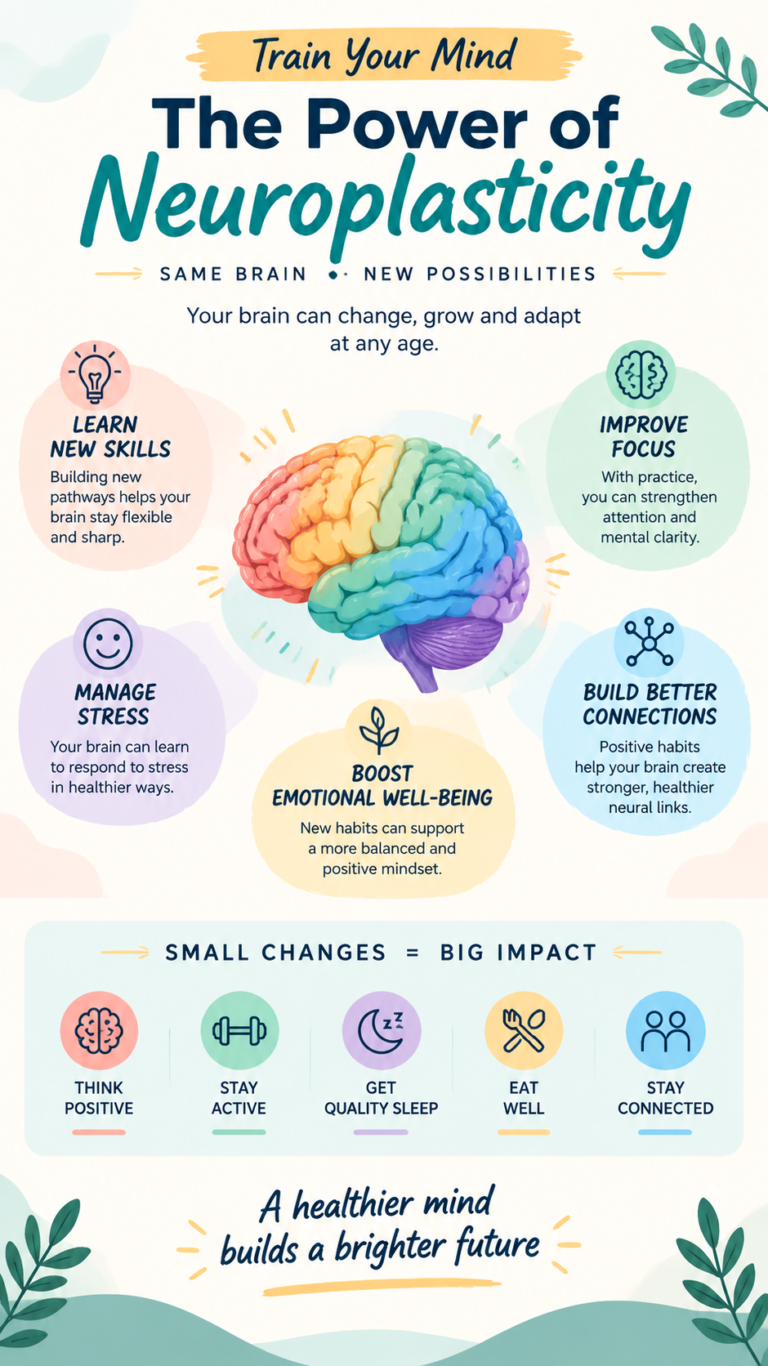
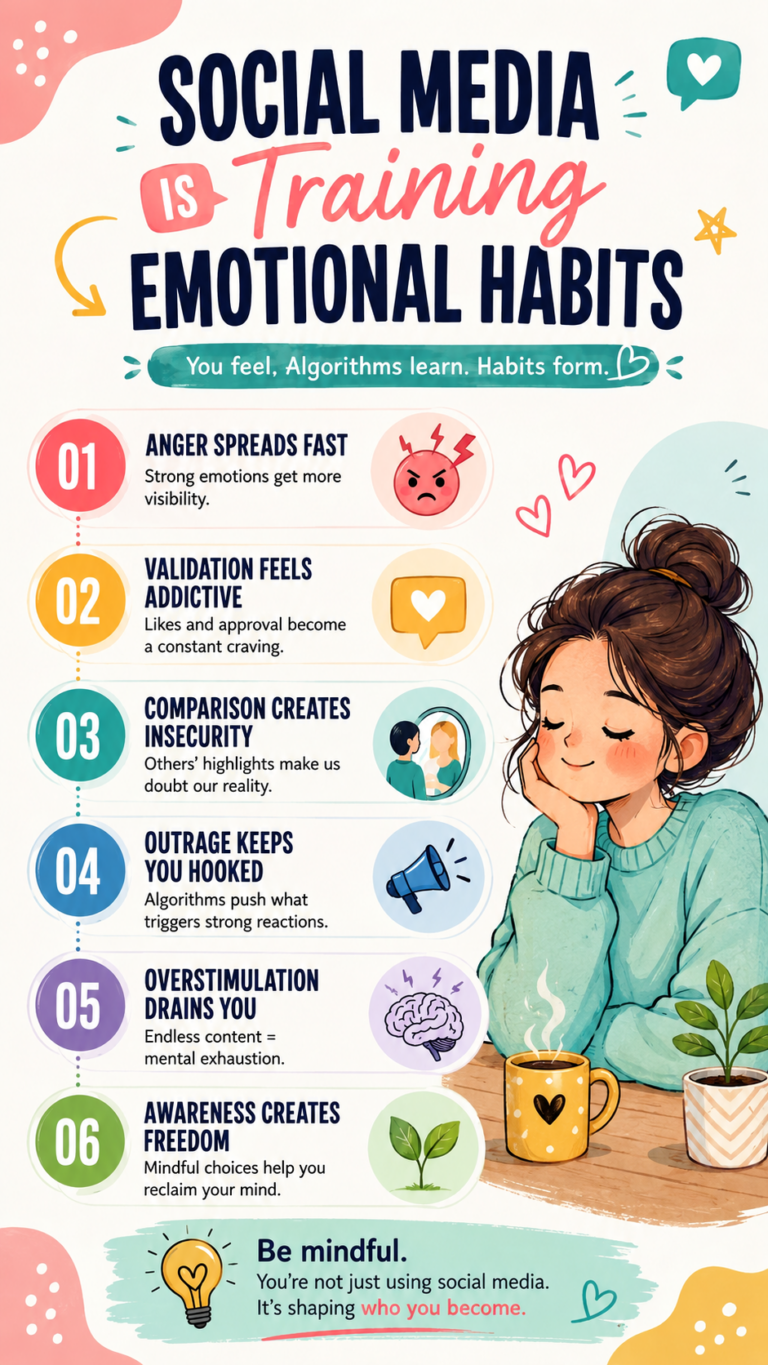
Aesthetic Human Psychology Notes Handwritten Study Guide Mind Map
Understanding the human mind becomes much easier when complex psychological concepts are organized into simple, visually appealing study notes. Aesthetic human psychology notes combine clear explanations, handwritten headings, soft pastel highlights, and easy-to-follow diagrams to make learning about thoughts, emotions, memory, and behavior more engaging. Whether you are a psychology student, a curious learner, or someone interested in personal growth, these minimal handwritten study notes offer a practical starting point for exploring how people think, feel, learn, and interact with the world.
From the basic definition of psychology to its major branches, key concepts, and fascinating facts about the brain, well-organized psychology notes can help you review essential information without feeling overwhelmed. The best part is that you do not need elaborate stationery or complicated layouts to create effective notes. A notebook, a few colored pens, and a clear structure are often enough to turn your study sessions into a more enjoyable learning experience.
Key Takeaways
- Psychology explores the mind, behavior, emotions, and mental processes.
- Major branches include clinical, cognitive, developmental, social, and industrial-organizational psychology.
- Core concepts such as perception, learning, memory, motivation, and personality provide a foundation for understanding human behavior.
- Simple diagrams, handwritten headings, and pastel color coding can make study notes easier to navigate.
- Active recall, spaced repetition, and self-testing can help you remember psychological concepts more effectively.
- Psychology knowledge can support self-awareness, communication, learning, and personal development.
What Is Psychology? Understanding the Human Mind
Psychology is the scientific study of the mind, behavior, and mental processes. It examines how people think, experience emotions, interpret information, make decisions, develop habits, and respond to their surroundings. Rather than relying only on assumptions about human nature, psychology uses observation, research, experiments, and other scientific methods to investigate behavior.
For example, psychology can help researchers explore why people remember certain experiences more vividly than others, how stress affects concentration, why habits are difficult to change, and how social environments influence decisions. These questions connect psychology to everyday life, making it a fascinating subject for students and lifelong learners.
The Main Areas Psychology Explores
Psychology covers several interconnected areas of human experience. Understanding these categories provides a useful foundation for more advanced topics.
- Thoughts: The ideas, judgments, interpretations, and internal conversations that influence how we understand situations.
- Emotions: Responses such as happiness, sadness, anger, fear, and excitement that influence experience and behavior.
- Feelings: The personal, conscious experience of emotional states.
- Perceptions: The ways people organize and interpret information received through their senses.
- Behavior: Observable actions, habits, and responses to internal or external events.
- Mental processes: Activities such as attention, reasoning, remembering, problem-solving, and decision-making.
These categories overlap. A stressful situation, for instance, can influence thoughts, trigger emotions, affect perception, and lead to particular behaviors. Psychology investigates these connections to develop a more complete understanding of people.
Important insight: Thoughts and emotions can influence behavior, but they do not determine every action. Personal experiences, physical conditions, social environments, learned habits, and individual circumstances also play important roles.
The Five Major Branches of Psychology
Psychology is a broad field with different branches dedicated to particular aspects of human behavior and mental functioning. Learning their basic purposes helps you understand how psychological knowledge is used in healthcare, education, research, workplaces, and everyday settings.
1. Clinical Psychology
Clinical psychology focuses on assessing and helping people experiencing psychological difficulties and mental health conditions. Clinical psychologists may provide psychological assessment, psychotherapy, and other evidence-based interventions within their professional scope.
This branch explores topics such as emotional distress, anxiety, depression, coping strategies, and patterns of thinking or behavior that affect daily life. It also contributes to research on mental health prevention and treatment.
2. Cognitive Psychology
Cognitive psychology studies mental processes, including memory, attention, language, perception, reasoning, and problem-solving. It investigates how information enters the mind, how it is processed, and how it influences decisions and actions.
For students, cognitive psychology offers useful insights into learning. Understanding attention, memory, and retrieval can help you choose study techniques that encourage deeper comprehension rather than relying entirely on repeated reading.
3. Developmental Psychology
Developmental psychology examines how people change across their lives, from infancy and childhood through adolescence, adulthood, and older age. Researchers investigate cognitive, emotional, social, and physical development, including the influence of relationships, experiences, and environments.
This branch helps explain why learning needs, social relationships, emotional skills, and ways of thinking may change as people grow. It also reminds us that development continues throughout life rather than ending after childhood.
4. Social Psychology
Social psychology explores how people think about, influence, and relate to others. It investigates group behavior, social norms, attitudes, stereotypes, cooperation, persuasion, and interpersonal relationships.
For example, social psychology can help explain why someone behaves differently around friends than when alone, how group expectations influence decisions, or why people sometimes change their opinions to fit in with others.
5. Industrial-Organizational Psychology
Industrial-organizational psychology applies psychological principles to workplaces. It examines employee motivation, leadership, teamwork, job satisfaction, recruitment, performance, and organizational culture.
This field aims to understand how workplace environments affect both employees and organizations. Its findings can inform better training, healthier communication, fairer selection practices, and approaches to improving productivity and well-being.
Five Essential Psychology Concepts to Know
Some psychological concepts appear repeatedly across different branches of the subject. Learning these fundamentals makes it easier to connect new information and recognize psychological principles in everyday situations.
Perception: How We Interpret Information
Perception is the process through which people organize and interpret sensory information. The brain does not simply create a perfect recording of everything around us. Attention, expectations, context, previous experiences, and other factors can influence what we notice and how we interpret it.
Imagine two students receiving the same feedback from a teacher. One may view it as a useful opportunity to improve, while the other may interpret it as a sign of failure. Their interpretations can influence their emotions and what they do next.
Learning: How Experience Changes Behavior
Learning involves changes in knowledge, skills, associations, or behavior that result from experience and practice. Psychologists study several forms of learning, including classical conditioning, operant conditioning, observational learning, and learning through direct experience.
For example, a student who practices solving problems regularly may become more confident and efficient. A person who repeatedly follows a particular routine may gradually develop a habit that requires less deliberate effort.
Memory: Encoding, Storage, and Retrieval
Memory allows people to encode information, retain it over time, and retrieve it when needed. These processes support learning, recognizing familiar people, remembering experiences, and using previously acquired knowledge to solve problems.
Memory is not a flawless recording system. Recall can be influenced by attention, sleep, emotional state, later information, and the context in which remembering occurs.
Students can support memory by practicing active recall, reviewing material over spaced intervals, explaining ideas in their own words, and connecting new concepts with knowledge they already understand.
Motivation: What Drives Action
Motivation refers to the processes that initiate, direct, and sustain goal-oriented behavior. People may be motivated by interest, enjoyment, personal values, rewards, responsibilities, social connections, or the desire to avoid an unwanted outcome.
Understanding motivation can help you identify why a goal matters, what makes a task difficult to begin, and which changes might make consistent effort easier. Breaking a large goal into manageable steps is one practical way to reduce the barrier to getting started.
Personality: Individual Patterns of Thinking and Behavior
Personality refers to relatively enduring patterns in how people think, feel, and behave. People differ in characteristics such as sociability, emotional responsiveness, curiosity, organization, and willingness to explore new experiences.
Personality psychology examines these differences while recognizing that behavior also depends on the situation. Someone who is usually quiet may speak confidently when discussing a favorite subject, while an outgoing person may need time alone after a demanding social event.
Why These Concepts Matter
Perception, learning, memory, motivation, and personality offer different ways to understand behavior. They are useful starting points, not complete explanations for every person or situation. Combining them with context and scientific evidence creates a more balanced understanding of human psychology.
Interesting Psychology Facts About the Human Mind
Psychology includes many fascinating findings about how the brain processes information and how people behave. Short facts can make memorable additions to handwritten notes, but it is important to distinguish well-supported findings from popular claims that oversimplify the science.
Why You Cannot Easily Tickle Yourself
Self-tickling usually produces less sensation than being tickled by another person. The brain uses predictions about the sensory consequences of its own movements, helping it distinguish self-generated sensations from unexpected external events. Because the timing and source of self-produced touch are more predictable, the sensation is often reduced.
Why Dreams Are Often Difficult to Remember
Many people forget dreams soon after waking. Dream recall varies, and the timing of waking, attention to the dream, sleep stages, and memory processes can influence whether details remain accessible. It is not scientifically accurate to claim that everyone forgets exactly 90 percent of their dreams in every circumstance.
If you want to remember more of your dreams, try writing down any details you recall immediately after waking. Even a few words about a place, emotion, or event can help preserve your recollection before it fades.
Overthinking Is a Pattern, Not a Personality Label
Repeatedly analyzing situations can sometimes help people prepare or solve problems. However, repetitive thinking that feels difficult to control may increase distress without producing useful solutions. It is more helpful to examine the specific thinking pattern than to treat overthinking as a fixed personality type.
When you notice repetitive thoughts, try identifying the question you are attempting to answer. Write down what you know, separate facts from assumptions, and choose one practical next step if action is possible. If the thoughts continue to interfere with daily life, professional support may be helpful.
How Music Can Influence Mood
Music can influence mood, attention, arousal, and the emotional experience of daily activities. Some people find that calm music helps them unwind, while others prefer energetic songs when exercising or completing repetitive tasks.
Music does not reduce anxiety by a universal percentage for everyone. Its effects depend on personal preferences, the type of music, the situation, and the individual. Experimenting with different listening habits can help you discover what supports your own focus or relaxation.
Why We Make Decisions Without Deliberating Over Every Detail
People make many everyday decisions using familiar routines, learned associations, and relatively automatic mental processes. These processes help the brain handle routine activities without requiring conscious analysis of every detail.
However, the claim that everyone makes exactly 35,000 decisions per day should not be treated as an established universal fact. The number depends on how a decision is defined and measured. The useful takeaway is that people use both deliberate reasoning and faster, more automatic processes when navigating daily life.
Study tip: When adding psychology facts to your notes, record the main finding and its limitations. A short, accurate explanation is more valuable than a dramatic statistic that lacks reliable evidence.
Understanding the Conscious, Unconscious, and Other Mental Processes
Psychology uses different models to explain how information becomes available to awareness and how mental activity can occur outside conscious attention. The handwritten mind diagram introduces several useful terms, including conscious, subconscious, unconscious, and preconscious processes.
Conscious Processes
Conscious processes include thoughts, perceptions, and experiences that you are aware of at a particular moment. Reading a paragraph, deliberately solving a math problem, or noticing a sound in the room are examples of conscious awareness.
Unconscious Processes
In broad psychological discussions, unconscious processes refer to mental activity that occurs without direct conscious awareness. Some theories, particularly psychoanalytic traditions, use the concept to describe mental content or motives that are not readily accessible to awareness. Modern psychology also investigates unconscious or automatic processing through research on perception, attention, learning, and behavior.
Subconscious and Preconscious Ideas
The term subconscious is often used informally to describe mental activity outside immediate awareness. Preconscious, in certain theoretical models, refers to information that is not currently in awareness but can be brought into it relatively easily, such as remembering a familiar name when asked.
These terms are not interchangeable in every psychological theory. Their meanings depend on the framework being discussed, so students should use the definitions provided by their course materials when studying specific models of the mind.
How to Create Aesthetic Human Psychology Notes
Beautiful psychology notes can make a study space feel inviting, but their greatest value comes from combining visual organization with meaningful learning. A clean layout helps you locate definitions, compare concepts, and review information without searching through long blocks of text.
1. Start With a Clear Title and Simple Layout
Write a large title at the top of the page, such as Human Psychology or Introduction to Cognitive Psychology. Use smaller section headings to divide the topic into manageable parts. A two-column layout works well when you want to compare definitions on one side with examples on the other.
Leave enough blank space between sections so the page does not feel crowded. White space can improve readability and give each concept room to stand out.
2. Use a Consistent Pastel Color Palette
Soft pink, lavender, sage green, and pale yellow can give handwritten study notes a gentle, coordinated appearance. Choose one color for main headings, another for key terms, and a third for examples or reminders.
Consistency matters more than the number of colors. If every line has a different highlight, the page may become distracting. Use color to communicate structure rather than decoration alone.
3. Highlight Important Terms and Definitions
Psychology includes many related terms, so make each definition short enough to review quickly while preserving its essential meaning. Highlight words such as perception, memory, motivation, learning, and personality. Add a brief example below each definition to connect abstract concepts with real situations.
For instance, you could define memory as the processes involved in encoding, retaining, and retrieving information, followed by an example of recalling material during an exam.
4. Add Small Drawings and Mind Maps
Simple illustrations can make your psychology notes more memorable and visually interesting. A small brain sketch can introduce a section about cognition, while arrows can show connections between thoughts, emotions, and behavior.
Mind maps are especially useful when several concepts relate to one central topic. Place the main idea in the center, then create branches for definitions, examples, theories, and applications. Keep labels brief so the diagram remains easy to scan.
5. Include Examples and Questions
Definitions alone may not be enough to understand a concept deeply. Add a practical example, a comparison, or a question that tests your understanding. For example, after studying social psychology, ask yourself how group expectations might influence a person’s decision.
You can also leave a small section at the bottom of each page for questions to revisit. This turns your notebook into an active study resource rather than a collection of copied information.
A Simple Psychology Notes Color Guide
- Pink: Important vocabulary and key definitions.
- Lavender: Theories, classifications, and related concepts.
- Sage green: Real-life examples and practical applications.
- Yellow: Questions, reminders, and concepts to review.
- Black or dark ink: Main explanations and supporting details.
Study Techniques That Make Psychology Notes More Effective
Attractive notes can encourage you to return to your study materials, but writing and decorating are only part of learning. To remember psychology concepts over time, combine your notes with methods that require you to retrieve and apply information.
Use Active Recall
Active recall means trying to remember information before checking your notes. After studying the branches of psychology, close your notebook and list each branch with a one-sentence explanation. Then compare your answer with the original notes and correct any gaps.
This approach helps reveal what you understand and what still needs practice. It is generally more informative than simply rereading the same page several times.
Review With Spaced Repetition
Instead of trying to memorize every concept in one long session, revisit important material over multiple sessions. You might review a topic later the same day, again the following day, and then at longer intervals depending on how well you remember it.
Adjust the schedule to your needs. Concepts that are easy to recall may require less frequent review, while difficult definitions may need additional practice.
Explain Concepts in Your Own Words
Try explaining a psychological concept as if you were teaching it to a friend who has never studied the subject. Use everyday language first, then add the formal terminology. If you cannot explain the idea clearly, return to your source material and identify the missing link.
For example, you might explain perception by describing how two people can experience the same event but interpret it differently. Once the example makes sense, connect it to the scientific definition.
Connect Related Topics
Psychology concepts are easier to understand when you see how they work together. Motivation can influence learning, attention can affect memory, and perception can shape emotional responses. Create arrows between related ideas or write a short comparison to show how they differ.
When preparing for an exam, practice applying concepts to new examples instead of memorizing only the exact wording in your notebook. This helps you develop a more flexible understanding of the material.
The Importance of Psychology in Everyday Life
Psychology is relevant beyond classrooms and textbooks. Its concepts can help people reflect on habits, understand relationships, improve communication, and make more informed decisions. Although psychological knowledge cannot explain every personal experience, it offers useful frameworks for examining common challenges.
Building Self-Understanding
Learning about thoughts, emotions, and behavior can encourage you to notice patterns in your daily life. You might recognize that you concentrate better in a quiet environment, feel more motivated when a goal is specific, or become impatient when you are tired.
Observing these patterns can help you identify practical adjustments without judging yourself harshly. Self-awareness is not about labeling every reaction. It is about understanding your experiences and responding thoughtfully.
Improving Relationships and Communication
Social psychology encourages us to consider how context, expectations, group influences, and different perspectives affect interactions. Listening carefully, asking clarifying questions, and checking assumptions can reduce misunderstandings.
Remember that you cannot reliably determine another person’s thoughts or personality from one behavior. Respectful communication and curiosity are usually more helpful than making quick psychological judgments.
Supporting Learning and Personal Growth
Knowledge about memory, motivation, attention, and learning can help you design more realistic study routines. Setting specific goals, taking appropriate breaks, reducing distractions, and reviewing material regularly can make learning more manageable.
Psychology also highlights the importance of context. If a routine is difficult to maintain, consider whether the goal is too broad, the environment is distracting, or the task needs to be divided into smaller steps.
Understanding Mental Health
Psychological research contributes to our understanding of emotional well-being, stress, coping strategies, and mental health conditions. Learning about these subjects can encourage more compassionate attitudes toward yourself and others.
Educational notes are useful for building general knowledge, but they cannot diagnose a mental health condition. If emotional or psychological difficulties persist or interfere with daily activities, consider speaking with a qualified mental health professional.
Quick Points: Human Psychology Notes at a Glance
Quick Points
- Psychology: The scientific study of mind, behavior, and mental processes.
- Major branches: Clinical, cognitive, developmental, social, and industrial-organizational psychology.
- Core concepts: Perception, learning, memory, motivation, and personality.
- Effective note design: Use clear headings, short definitions, consistent colors, and simple diagrams.
- Better learning: Practice active recall, spaced repetition, and explaining ideas in your own words.
Conclusion: Make Psychology Easier to Learn, One Page at a Time
Aesthetic human psychology notes bring together essential concepts, simple explanations, and creative visual organization. From understanding perception and memory to exploring personality, motivation, and the major branches of psychology, a well-structured notebook can make a broad subject feel more approachable.
The most effective study notes do more than look beautiful. They help you identify important ideas, connect related concepts, test your understanding, and revisit information when you need it. Pastel highlights, handwritten headings, small illustrations, and mind maps can make your pages inviting, while active recall and spaced repetition help turn those pages into useful learning tools.
Start with one topic that interests you, write a clear definition, add an everyday example, and connect it to a related concept. As your notes grow, you will build a practical reference for revision and a stronger foundation for understanding human behavior. Keep your layouts simple, stay curious, and remember that learning psychology is an ongoing process of asking questions, examining evidence, and discovering new ways to understand the human mind.
Tags
Human Psychology
Psychology Notes
Aesthetic Study Notes
Handwritten Notes
Cognitive Psychology
Psychology Mind Maps
Study Tips
Human Behavior