Beautiful Nikah Mehndi Designs for Elegant Bridal Henna Inspiration
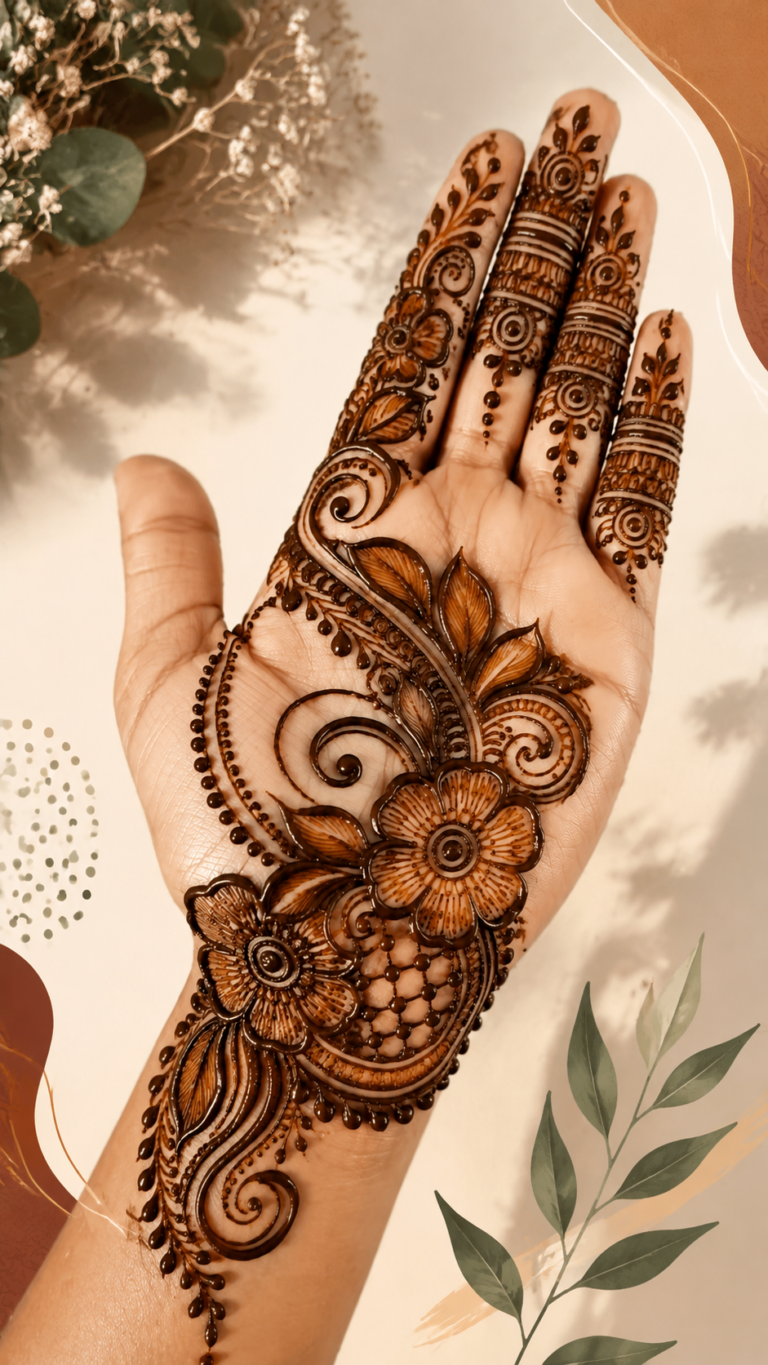
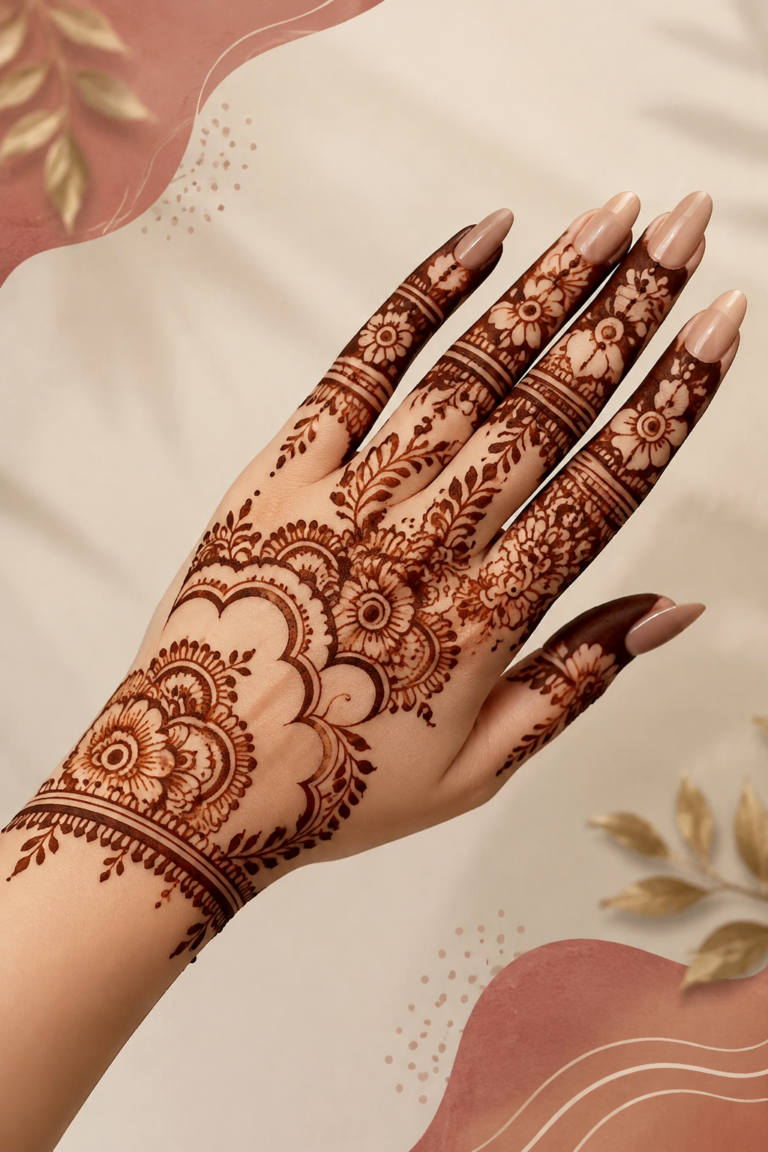
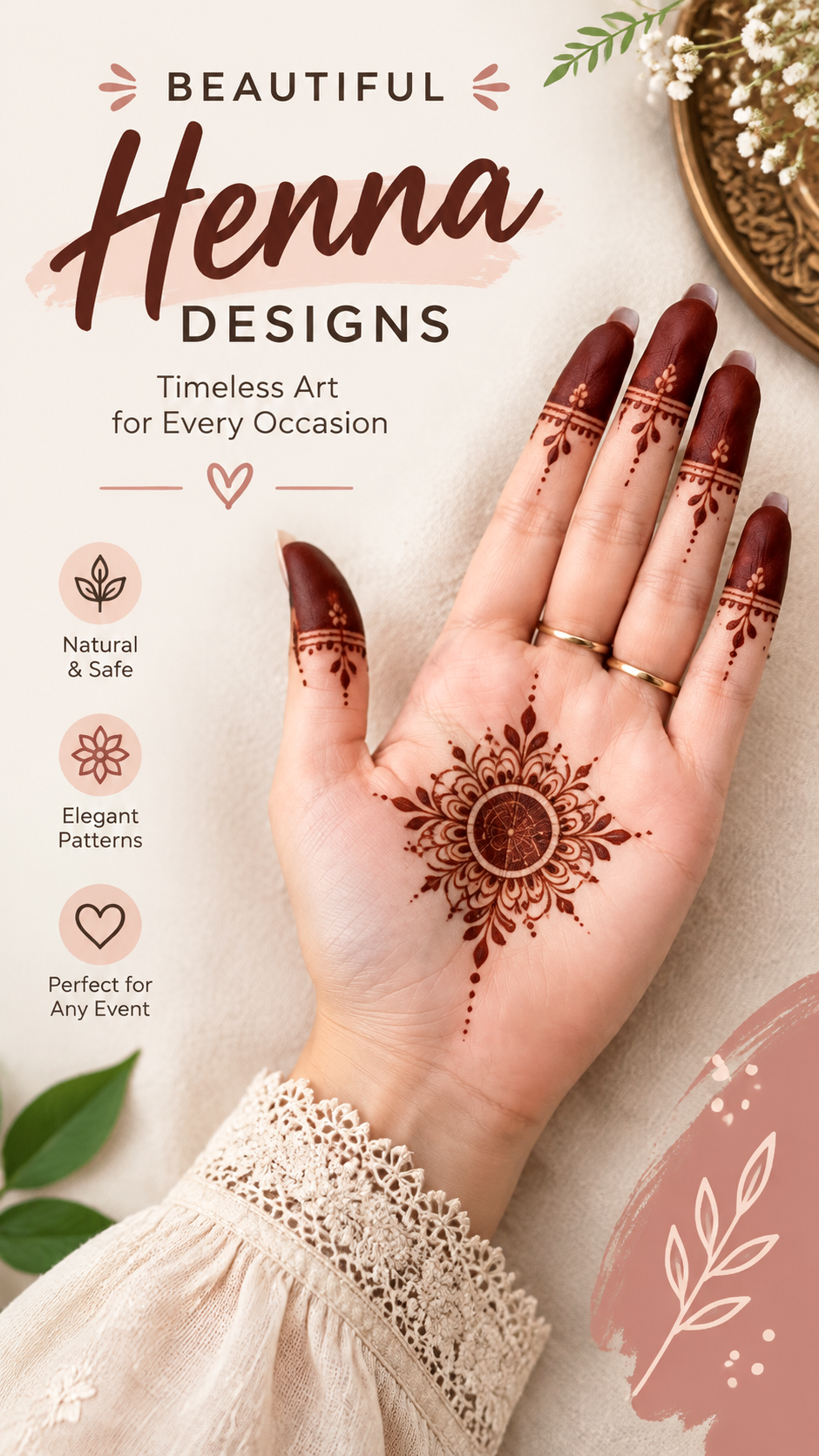
Looking for elegant Nikah Mehndi designs that feel graceful, timeless, and perfect for your special day? Delicate floral patterns, rich brown henna, beautifully decorated fingertips, and a detailed mandala-inspired motif can create a stunning bridal look without covering every inch of the hand. This style combines traditional mehndi artistry with a clean, modern aesthetic, making it a lovely choice for brides who appreciate subtle details and refined beauty.
Whether you are preparing for your nikah ceremony, planning a wedding celebration, or collecting inspiration for your bridal look, the right henna design can add a personal touch to the occasion. From minimalist floral accents to intricate Arabic-inspired patterns, there are many ways to make your Nikah Mehndi feel unique. Explore the details, learn how to choose a design that suits your style, and discover practical tips for achieving a beautiful finish.
Key Takeaways
- Choose delicate floral motifs and a central mandala for an elegant Nikah Mehndi look.
- Finger decorations can make a simple palm design appear detailed and balanced.
- Coordinate your henna with your outfit, jewelry, and overall bridal aesthetic.
- Plan your application early enough to allow the henna stain to develop.
- Use suitable, clearly labeled henna products and avoid products containing undisclosed dyes or harsh additives.
- Save reference photos before your appointment so your preferred details are easy to communicate.
What Makes Nikah Mehndi Designs So Special?
Nikah Mehndi is a beautiful way to complement the atmosphere of a wedding ceremony with intricate patterns and personal style. Depending on family traditions and individual preferences, henna may be part of the celebrations before the nikah, during wedding preparations, or at another special gathering. Some brides prefer elaborate bridal coverage, while others choose a more understated design that highlights the natural shape of the hand.
The appeal of a delicate design lies in its balance. Instead of filling the entire palm with dense patterns, an artist can combine a few carefully chosen elements, such as a floral centerpiece, decorated fingertips, fine lines, and small leaves. The result can look sophisticated while still allowing the skin to remain visible between the motifs.
Rich reddish-brown henna against the skin creates a warm, natural contrast. Paired with an ivory, beige, blush, or gold-toned outfit, this color palette can feel soft and harmonious. It also works beautifully with traditional fabrics, embroidered sleeves, lace details, and delicate gold jewelry.
Beautiful Elements of an Elegant Nikah Mehndi Design
1. A Floral Mandala Centerpiece
A floral mandala is an excellent focal point for a graceful palm design. It usually features a central circle surrounded by repeated petals, leaves, dots, or fine ornamental lines. The circular arrangement creates a sense of symmetry, helping the design look complete without requiring extensive coverage.
For a delicate bridal style, the artist can begin with a small filled circle and build outward with narrow petals, curved leaves, and tiny decorative dots. Alternating thick and thin lines adds contrast, while open spaces keep the motif from looking too heavy.
A central mandala is also versatile. It can be kept simple for a minimalist look or expanded with layered petals and ornamental details for a more traditional appearance. Because it sits in the middle of the palm, it naturally draws attention when the hand is held open for photographs.
2. Decorated Fingertips
Decorated fingertips are one of the most recognizable features of this style. Applying henna to the upper sections of the fingers creates a bold contrast with the lighter, undecorated areas of the hand. This detail makes even a relatively small palm motif look intentional and bridal-ready.
There are several ways to approach fingertip decoration. You can choose fully filled fingertips, narrow bands, tiny floral accents, or a combination of solid color and delicate lines. Filled tips create a stronger visual statement, while thin bands and small motifs produce a lighter appearance.
For a cohesive result, repeat similar decorative elements across the fingers. Small leaves, dots, curved lines, and tiny flowers can connect the fingertip patterns to the central palm motif without making every section identical.
3. Fine Lines and Tiny Details
Fine lines help bring a mehndi design to life. Narrow bands, dotted trails, tiny teardrops, and delicate curves can fill small spaces and create a sense of movement. These details are especially effective when the overall design is intentionally minimal.
One useful technique is to repeat a simple line pattern near the fingers and then use similar dots or teardrops around the palm motif. This creates visual continuity, making the design feel connected rather than like several separate decorations.
However, tiny details should be chosen carefully. Extremely dense patterns may become difficult to distinguish from a distance, particularly in photographs. A skilled artist can adjust the spacing and line thickness to suit the size of your hand and the level of detail you prefer.
4. A Clean, Open-Palm Layout
An open-palm design leaves visible areas of skin between the main motifs. This approach is ideal for brides who want something elegant without choosing a full-coverage pattern. It also makes the main decorative elements easier to appreciate individually.
Instead of filling every empty space, the artist can use a few small leaves, dots, or curved accents to guide the eye around the palm. The contrast between decorated and undecorated areas creates a polished result.
If you prefer a contemporary bridal aesthetic, consider pairing an open palm with detailed fingertips and a medium-sized floral centerpiece. This combination offers enough detail for wedding photographs while retaining a light, refined appearance.
Popular Nikah Mehndi Styles to Consider
There is no single design that every bride must choose. The best Nikah Mehndi style depends on your outfit, preferred level of detail, available time, and the look you want to achieve. These popular approaches can help you narrow down your inspiration.
Minimal Floral Mehndi
Minimal floral mehndi uses a small number of carefully arranged motifs rather than dense coverage. A single flower, a few leafy branches, and subtle finger details can be enough to create an elegant finish.
This style is particularly suitable for brides who prefer understated accessories, simple embroidery, or a modern outfit. It can also be a practical option for anyone who wants a relatively quick application while still enjoying the beauty of traditional henna art.
Arabic-Inspired Mehndi
Arabic-inspired mehndi often features flowing curves, leafy vines, floral clusters, and decorative spaces between motifs. The patterns may travel diagonally across the palm or extend from the wrist toward the fingers.
For a Nikah ceremony, you can adapt this style by choosing a compact floral arrangement and a few elegant trails. The resulting design offers movement and detail without necessarily covering the whole hand.
Mandala Mehndi
Mandala mehndi focuses on circular patterns built from repeated shapes. Flowers, petals, rings, dots, and ornamental borders create a balanced design that looks especially attractive in an open palm.
A small mandala is ideal when you want one main focal point. Larger mandalas can be combined with finger bands, wrist details, and fine connecting lines for a more elaborate bridal effect.
Traditional Bridal Mehndi
Traditional bridal mehndi can include dense florals, paisley shapes, lattice patterns, decorative borders, and detailed motifs across the palms and fingers. Some designs extend along the wrists and forearms for a more dramatic appearance.
If you love traditional detail but want a lighter look for your nikah, consider borrowing only a few elements. A small paisley beside a floral centerpiece or a narrow ornamental band can introduce a classic touch without overwhelming the design.
Style Tip: Choose one main feature, such as a floral mandala or decorated fingertips, and let the remaining elements support it. A clear focal point often looks more elegant than adding several competing patterns.
How to Match Your Mehndi With Your Nikah Outfit
Your outfit can help determine the colors, scale, and detail of your henna design. The goal is not to make every element identical, but to create a look in which your clothing, jewelry, and mehndi complement one another.
Ivory and Cream Outfits
Ivory and cream fabrics work beautifully with reddish-brown henna. The warm contrast allows the design to stand out, while lace cuffs and delicate embroidery add texture without competing with the pattern.
For this combination, consider a floral centerpiece, slim finger bands, and a clean wrist area. If your sleeves feature detailed embroidery, a more open-palm mehndi design can help maintain a balanced appearance.
Blush Pink and Pastel Outfits
Soft pink, dusty rose, and other pastel shades pair well with delicate floral henna. Small flowers and leafy details can echo the softness of your outfit without creating a matching pattern from head to toe.
Gold jewelry can complete this combination, especially when the outfit includes warm embroidery or subtle metallic accents. A simple ring or slim bracelet may be enough if you want the henna to remain the main detail on your hands.
Gold and Embroidered Fabrics
Gold-toned outfits and heavily embroidered fabrics can support both minimal and elaborate mehndi designs. If your clothing already includes intricate patterns, a simple palm motif with detailed fingertips can provide a pleasing contrast.
For a more traditional look, you may prefer a larger mandala or additional decorative lines around the wrist. Keep the overall balance in mind so that the henna remains visible in photographs rather than blending into too many competing details.
Choosing the Right Henna Design for Your Hands
When selecting a Nikah Mehndi pattern, think about the shape of your hands, the size of the motifs, and how the design will look from different angles. You do not need to follow strict rules, but a few practical considerations can help you find a style that feels comfortable and flattering.
Consider Pattern Scale
Medium-sized flowers and well-spaced leaves are often easy to appreciate at a glance. Very small motifs can look delicate up close, while larger shapes tend to create a stronger focal point. Ask your artist to adjust the scale so that the pattern suits your palm rather than simply reproducing a reference design at the same size.
Think About Hand Placement
Some designs concentrate on the center of the palm, while others extend toward the thumb, fingers, or wrist. A central motif is a natural choice for photographs of an open hand. A diagonal floral trail can create a more flowing appearance, and finger-focused designs can make the hands look detailed without requiring a large palm pattern.
Coordinate Both Hands
Your left and right hands do not need to be exact copies. However, using similar motifs, line weights, or fingertip patterns can create a coordinated bridal look. One hand may feature a slightly larger centerpiece, while the other uses a complementary floral arrangement.
If you plan to wear rings, consider how the jewelry will sit alongside the henna. Leave enough space around the fingers or choose motifs that frame your rings rather than covering the areas where they will be most visible.
Why This Matters
The most successful bridal mehndi designs balance beauty with practicality. Consider these points before choosing your final pattern:
- Make sure the design suits your outfit and the amount of jewelry you plan to wear.
- Choose a pattern that you can comfortably keep uncovered while the henna dries.
- Allow enough time for application, drying, and stain development before important photographs.
How to Prepare for Your Nikah Mehndi Appointment
A little preparation can make your henna appointment more comfortable and help the artist achieve a neat result. Start by collecting a few reference pictures that show the details you like. Rather than choosing many unrelated designs, identify the elements that appeal to you most.
- Save your favorite patterns. Collect examples of floral mandalas, decorated fingertips, and open-palm designs that match your preferred aesthetic.
- Discuss the coverage. Decide whether you want only the palms and fingers decorated or whether the design should extend toward the wrists.
- Prepare your skin. Arrive with clean, dry hands. Avoid applying heavy creams or oily products immediately before the appointment because they may interfere with application.
- Plan your schedule. Allow sufficient time for the artist to work and for the paste to dry without being rubbed or smudged.
- Choose suitable clothing. Wear something comfortable that lets your artist reach your hands easily and that will not brush against fresh henna.
Important: Natural henna usually begins as an orange stain and gradually darkens toward reddish brown over the following day or two. The final shade varies with the paste, skin, application, and aftercare. Do not assume that a very dark stain appearing immediately means the product is better.
Tips for a Richer, Longer-Lasting Henna Stain
Aftercare can help you protect your mehndi while the stain develops. Although individual results vary, gentle handling and avoiding unnecessary friction can make it easier to preserve the design.
Allow the Paste to Dry Naturally
Follow your henna artist’s instructions for drying time and paste removal. Avoid touching, rubbing, or bending your fingers unnecessarily while the design is fresh. If the paste cracks or flakes as it dries, try to prevent loose pieces from catching on clothing.
Protect the Design From Excessive Moisture
After removing the dried paste according to the artist’s guidance, avoid soaking your hands for extended periods. Repeated washing, harsh cleansers, and frequent friction may cause the stain to fade more quickly. Gentle hand care is usually sufficient.
Be Patient With the Color
The stain can appear light or orange immediately after the paste is removed. It often deepens gradually over the next 24 to 48 hours. This natural development is why scheduling your application in advance can be helpful when you want your hands to look their best for a nikah ceremony or wedding photographs.
Choose Henna Carefully
Use products from a trustworthy source with clearly disclosed ingredients. Natural henna generally stains the skin orange to reddish brown. Avoid products marketed as instant black henna or products with unclear ingredients, as some may contain additives that cause serious skin reactions.
Consider a small patch test in advance, especially if you have never used the product before. A patch test cannot guarantee that a reaction will not occur, so stop using the product if irritation develops. Never apply henna to broken or irritated skin.
How to Photograph Your Nikah Mehndi Beautifully
Beautiful henna deserves photographs that capture the fine lines and overall design. You do not need a professional setup to create appealing pictures. Natural light, a clean background, and a relaxed hand position can make a significant difference.
Use Soft, Natural Lighting
Position your hand near a window or in bright shade. Soft daylight helps reveal the reddish-brown color and the smaller details without creating harsh shadows. Avoid direct sunlight if it makes the skin look overly bright or causes distracting reflections from jewelry.
Choose a Simple Background
Ivory fabric, beige linen, soft blush materials, or lightly textured surfaces can complement henna beautifully. If your outfit features lace or embroidery, use it as a subtle background detail rather than allowing it to compete with the hand.
Neutral backgrounds work particularly well with floral mandalas and decorated fingertips because they make the design easier to see. A small sprig of greenery or a few flowers can add interest, but the composition should still keep the mehndi as the main focus.
Keep Your Hand Relaxed
For a clear photograph, spread your fingers naturally and avoid stretching them too far apart. A gentle curve at the fingertips can make the pose look more comfortable. Try a few angles to capture the palm motif, finger details, rings, and sleeve embroidery.
If you are photographing both hands, place them side by side or overlap them slightly to show how the patterns coordinate. Make sure the central motifs remain visible and that jewelry does not cover important parts of the design.
Simple Ways to Personalize Your Bridal Mehndi
Your Nikah Mehndi does not have to follow a trend exactly. Small adjustments can make a familiar pattern feel more personal while preserving the beauty of traditional henna artistry.
- Choose a signature flower. Ask your artist to repeat a favorite floral shape in the palm and finger details.
- Adjust the amount of coverage. Keep the palm open for a minimalist look or add extra petals and decorative trails for a more detailed design.
- Coordinate with your jewelry. Consider where your rings and bracelets will sit before deciding on the final placement.
- Combine traditional and modern elements. Pair a classic mandala with fine geometric lines or a simple fingertip pattern.
- Keep both hands visually connected. Repeat selected motifs across each hand even if the overall layouts are different.
The most important thing is to choose a pattern that feels right for you. A simple design can be just as memorable as an elaborate one when the lines are clean, the placement is thoughtful, and the details complement your personal style.
Nikah Mehndi Ideas: Quick Points at a Glance
- Best for a minimal look: A small floral centerpiece with open space around it.
- Best for finger detail: Filled fingertips, narrow bands, and tiny floral accents.
- Best for symmetry: A circular mandala with repeated petals and fine dots.
- Best outfit pairing: Ivory, cream, blush, beige, and gold-toned fabrics.
- Best preparation tip: Save reference photos and schedule the application early enough for the stain to develop.
Conclusion: Find Your Perfect Nikah Mehndi Design
Beautiful Nikah Mehndi designs bring together artistry, tradition, and personal style. From delicate floral mandalas to richly decorated fingertips, even a simple pattern can create an elegant bridal look when its details are thoughtfully arranged. Open-palm designs are especially appealing for anyone who wants a refined balance between intricate henna and natural skin.
As you plan your look, consider the outfit you will wear, the jewelry you love, and the amount of detail that feels comfortable for you. Choose a reliable henna artist or a suitable product, allow enough time for the stain to develop, and follow gentle aftercare practices. These small steps can help you feel prepared and confident for your special occasion.
Whether you prefer minimalist floral mehndi, Arabic-inspired vines, or a classic mandala, let your chosen design reflect your own taste. Save your favorite Nikah Mehndi ideas, share your references with your artist, and create a look that you will love seeing in your wedding memories.
Tags
Nikah Mehndi
Bridal Mehndi
Floral Henna Designs
Minimal Mehndi
Mandala Mehndi
Arabic Mehndi
Wedding Henna Inspiration
Elegant Bridal Style