Cozy Period Self-Care Ideas for Comfort Pain Relief
Navigating your monthly cycle can often feel like an uphill battle, especially when cramps, fatigue, and mood swings take center stage. For many people, the period is a time of endurance rather than a time of care. However, shifting your perspective to embrace a period self care routine can transform those challenging days into a period of restorative healing. Instead of just powering through the discomfort, focusing on what your body needs can significantly reduce physical pain and emotional stress. The image provided highlights several key pillars of menstrual wellness, and in this guide, we will dive deep into how you can implement these ideas to create your own sanctuary of comfort.
Understanding the Importance of Menstrual Self Care
Society often tells us to keep moving at a frantic pace regardless of where we are in our cycle. But biologically, the menstruation phase is a time when our hormone levels are at their lowest, and our bodies are working hard to shed the uterine lining. This process requires energy. When we ignore our body’s signals for rest, we often experience heightened levels of stress and more intense physical symptoms.
Prioritizing self care during your period is not a luxury. It is a fundamental part of managing your health. By incorporating intentional practices like heat therapy, mindful nutrition, and emotional expression, you are supporting your body’s natural processes. This approach helps regulate the nervous system, which can lead to shorter feeling cycles and a much more manageable experience overall.
Warming from Within: The Power of Herbal Tea and Heat Therapy
One of the most effective ways to combat the sharp or dull aching of menstrual cramps is through the application of warmth. Heat works by increasing blood flow to the pelvic area and relaxing the muscles of the uterus, which are often contracting forcefully to shed the lining.
The Benefits of Herbal Teas
Sipping on a warm cup of herbal tea is more than just a comforting ritual. Specific herbs contain compounds that can directly address period symptoms. For instance, ginger tea is renowned for its anti-inflammatory properties, which can help reduce the production of prostaglandins that cause pain. Raspberry leaf tea is another traditional favorite, often called the woman’s herb because it is believed to help tone the uterine muscles. If you find yourself feeling particularly anxious or struggling to sleep, a cup of chamomile tea can provide a sedative effect that calms the mind and prepares the body for rest.
Using a Heating Pad Effectively
A heating pad is perhaps the most iconic tool in the period self care toolkit. Whether you prefer an electric version, a hot water bottle, or a microwaveable grain bag, the goal is consistent, gentle warmth. Placing the heat source on your lower abdomen or lower back can provide immediate relief from tightening muscles. To get the most out of this practice, try to pair it with deep belly breathing. This combination tells your nervous system that you are safe, allowing your muscles to let go of tension more effectively.
Nourishing Your Body: Eating for Comfort and Health
What we eat during our period can either exacerbate inflammation or help soothe it. While it is tempting to reach for greasy fast food when we feel low, focusing on nutrient dense options that satisfy cravings can make a world of difference in how we feel.
The Role of Chocolate and Fruit
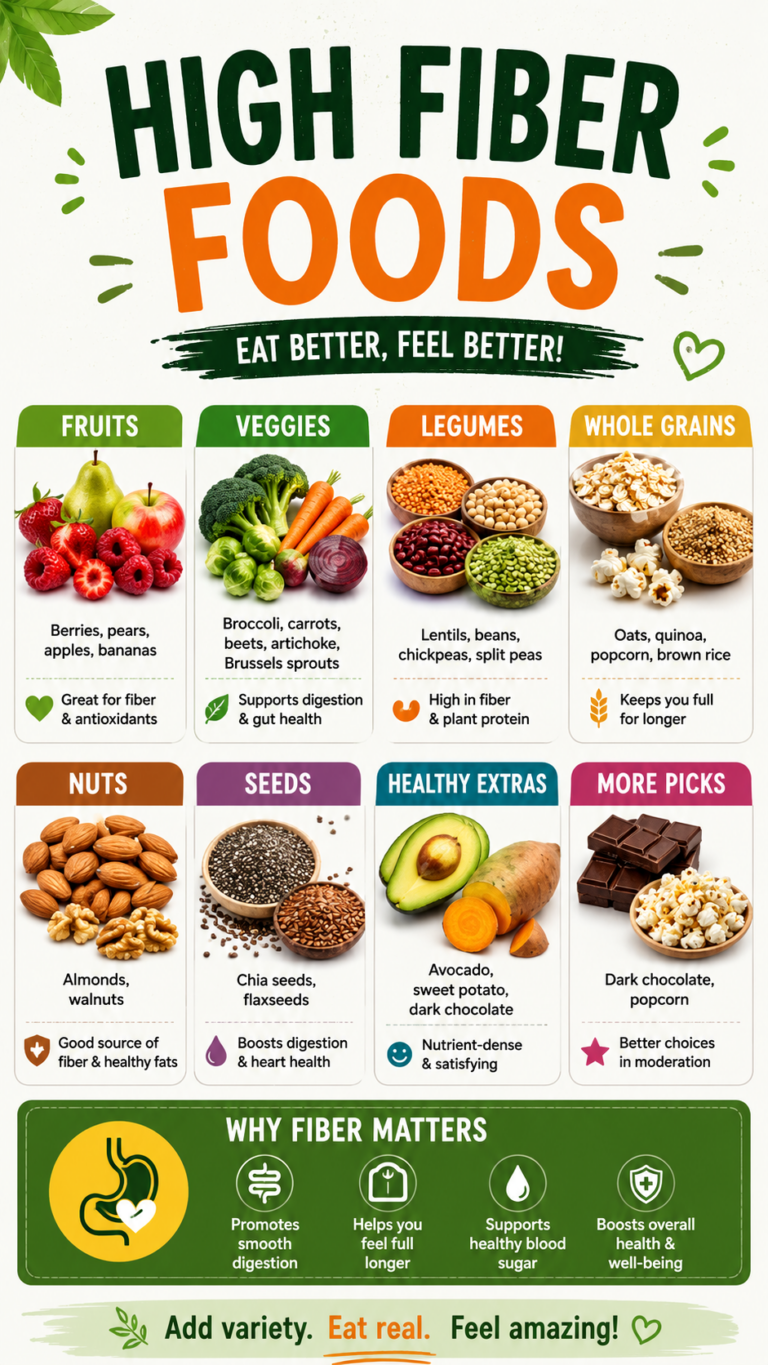
There is a scientific reason why many people crave chocolate during their period. Dark chocolate is rich in magnesium, a mineral that acts as a natural muscle relaxant and can help ease cramps. It also boosts serotonin levels, which can help stabilize the mood swings often associated with hormonal shifts. When you pair dark chocolate with fresh fruit, you are also getting a dose of antioxidants and fiber. Berries, for example, are packed with vitamins that support the immune system, while bananas provide potassium, which can help reduce bloating and water retention.
Embracing Comforting and Anti-Inflammatory Foods
Comforting food does not have to be unhealthy. A warm bowl of lentil soup, a vegetable stir fry, or a hearty quinoa bowl can provide the sustained energy your body needs. Focus on including healthy fats like avocado or walnuts, which support hormone health. Avoiding excessive salt during this time is also a smart move, as high sodium intake can lead to the uncomfortable bloating that makes many people feel sluggish and heavy.
Movement and Mindfulness: Yoga and Emotional Expression
While the idea of hitting the gym might feel impossible when you are dealing with period pain, gentle movement can actually be one of the best remedies for stiffness and low energy.
Gentle Yoga for Menstrual Relief
Gentle yoga focuses on stretching and opening the body without putting undue strain on the joints or heart rate. Poses like Child’s Pose, Cat-Cow, and Reclined Cobbler’s Pose are specifically beneficial for the pelvic region. These movements help to gently massage the internal organs and encourage blood flow. The key is to listen to your body. If a pose feels uncomfortable, back off. This is a time for restoration, not for hitting a personal best. Yoga also encourages a mind-body connection that helps you stay present with your sensations rather than fighting against them.
Expressing Your Feelings Through Journaling
Hormonal fluctuations can lead to a surge of emotions, ranging from irritability to deep sadness. Instead of bottling these feelings up, expressing them can be incredibly therapeutic. Journaling provides a private space to dump your thoughts and process what you are feeling. Whether you are writing a list of things you are grateful for or simply venting about your day, getting the words out of your head and onto paper can reduce mental clutter. It is a way of honoring your emotional state and giving yourself permission to feel exactly as you do.
The Importance of Rest and Relaxing Environments
Fatigue is one of the most common symptoms of the menstrual cycle. Your body is doing a lot of work behind the scenes, and it is perfectly normal to feel like you need extra sleep.
Creating a Cozy Sanctuary
Getting cozy rest involves more than just lying down. It is about creating an environment that feels safe and nurturing. This might mean putting on your softest pajamas, wrapping yourself in a weighted blanket, and dimming the lights. When you create a sensory experience that is pleasant, your body can drop into a deeper state of relaxation. This is the time to cancel non-essential plans and give yourself a guilt-free pass to just be.
The Healing Power of Music
Sound has a profound impact on our mood and nervous system. Listening to relaxing music, such as lo-fi beats, nature sounds, or soft classical pieces, can lower cortisol levels. Music can act as a form of escapism, taking your mind off the physical discomfort and allowing you to drift into a more peaceful state. You might even find that a specific playlist becomes a signal to your brain that it is time to relax and recover.
Taking Care of Your Physical Needs
Self care also includes the practical side of managing your period. This involves having the right supplies on hand and knowing when to seek extra support.
Responsible Pain Relief
For many, over the counter pain relief like ibuprofen is a necessary part of the month. These medications work by blocking the enzymes that produce prostaglandins, the chemicals responsible for uterine contractions. It is always best to consult with a healthcare professional to find the dosage and type of relief that works best for your specific health profile. Taking pain relief at the first sign of discomfort can often prevent the pain from becoming overwhelming later on.
Holistic Body Care
Taking care of your body also means maintaining good hygiene and using products that make you feel comfortable. Whether you prefer pads, tampons, menstrual cups, or period underwear, having a stock of your favorite items removes the stress of last-minute trips to the store. Additionally, simple acts like a warm bath with Epsom salts or applying a soothing body lotion can make you feel more connected to and appreciative of your physical form, even when it feels like it is working against you.
Building Your Personal Self Care Toolkit
Every person’s period experience is unique, which means your self care routine should be highly personalized. You might find that some months you need more movement, while other months you need nothing but sleep and a heating pad. The important thing is to have a toolkit of ideas ready so that you do not have to think too hard when you are already feeling depleted.
Start by gathering a few essentials: a box of your favorite herbal tea, a reliable heating pad, a journal, and a list of relaxing songs or movies. By preparing in advance, you show yourself the same kindness and care you would offer to a friend. Over time, these small acts of self-preservation build a healthier relationship with your cycle and your body.
Conclusion: Honoring Your Cycle
Period self care is about more than just managing symptoms: it is about reclaiming your time and honoring the natural rhythms of your body. By integrating the ideas of warmth, nutrition, movement, and rest, you can navigate your cycle with more ease and less dread. Remember that it is okay to slow down, it is okay to ask for help, and it is okay to prioritize your own comfort.
As you move through your next cycle, try incorporating one or two of these practices. Notice how your body responds to the extra care. You might be surprised at how a little bit of intentional kindness can transform your entire experience. Your period is a sign of your body’s incredible capabilities, and it deserves to be treated with respect and tenderness every single month.