Creative Journaling Ideas Tips, Prompts, and Inspiration for Your Personal Journal
Journaling has become more than just a hobby; it is now a creative outlet, a mindfulness practice, and a powerful tool for personal growth. Whether you are a student, a professional, or simply someone looking to organize your thoughts, creating a journal that is both aesthetically pleasing and functional can transform your daily routine.
Key Takeaways
- Journaling boosts mindfulness, creativity, and self-awareness
- Well-designed spreads make daily planning enjoyable and motivating
- Tracking habits and moods supports consistent personal growth
- Visual elements enhance memory and retention of important tasks
- Customizing your journal encourages reflection and goal-setting
The Power of Aesthetic Journaling
Many people underestimate the power of visually appealing journaling layouts. A clean, organized, and aesthetically pleasing journal not only makes the act of writing more enjoyable but also encourages consistency. By using subtle color palettes, minimalistic designs, and thoughtful placements, you can create pages that are as calming as they are functional.
Important: Adding small design elements like stickers, floral illustrations, or soft pastel highlights can make journaling feel less like a task and more like a creative ritual.
Choosing the Right Supplies
The foundation of a beautiful journal lies in the materials you choose. Quality pens, high-quality paper, markers, and washi tapes can elevate the overall experience. Neutral tones and soft pastels are popular choices for maintaining a calm and focused aesthetic. When selecting tools, think about functionality and comfort as much as style.
Organizing Daily Pages
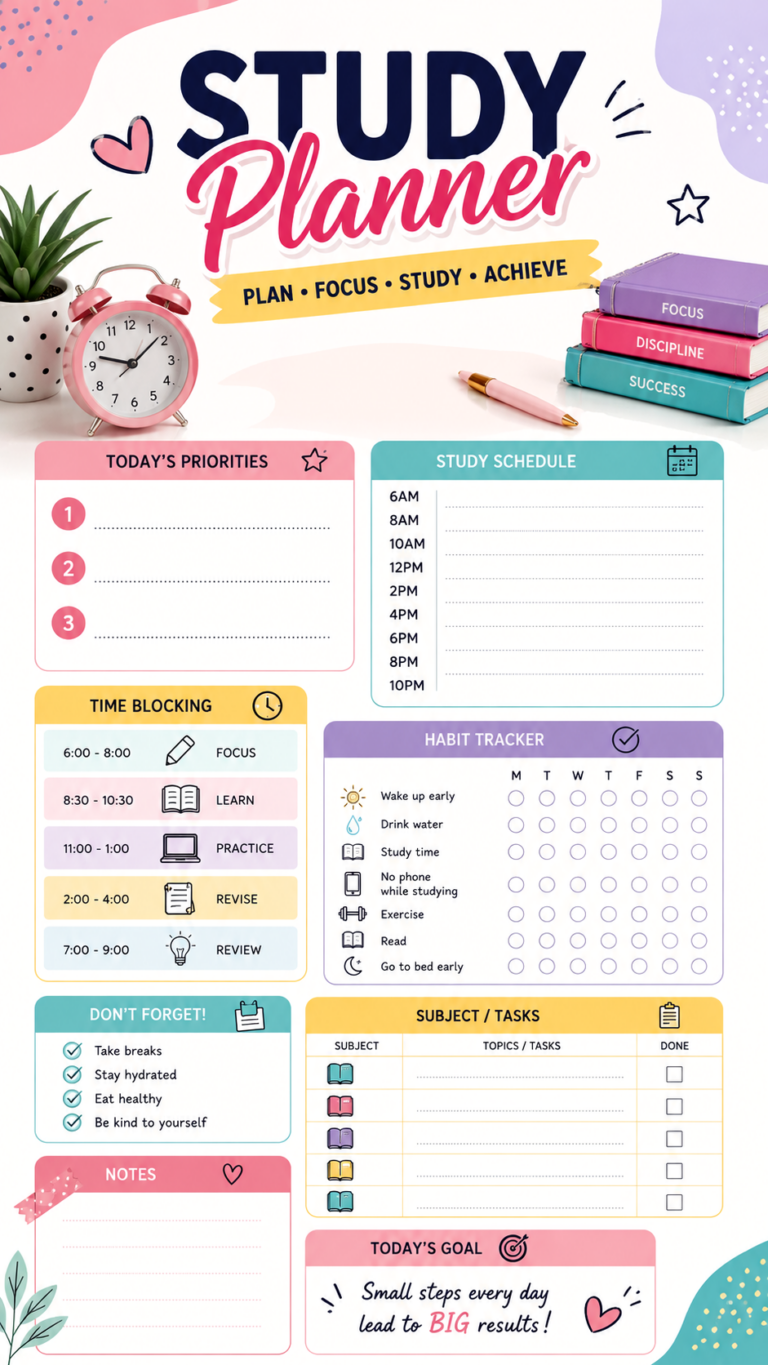
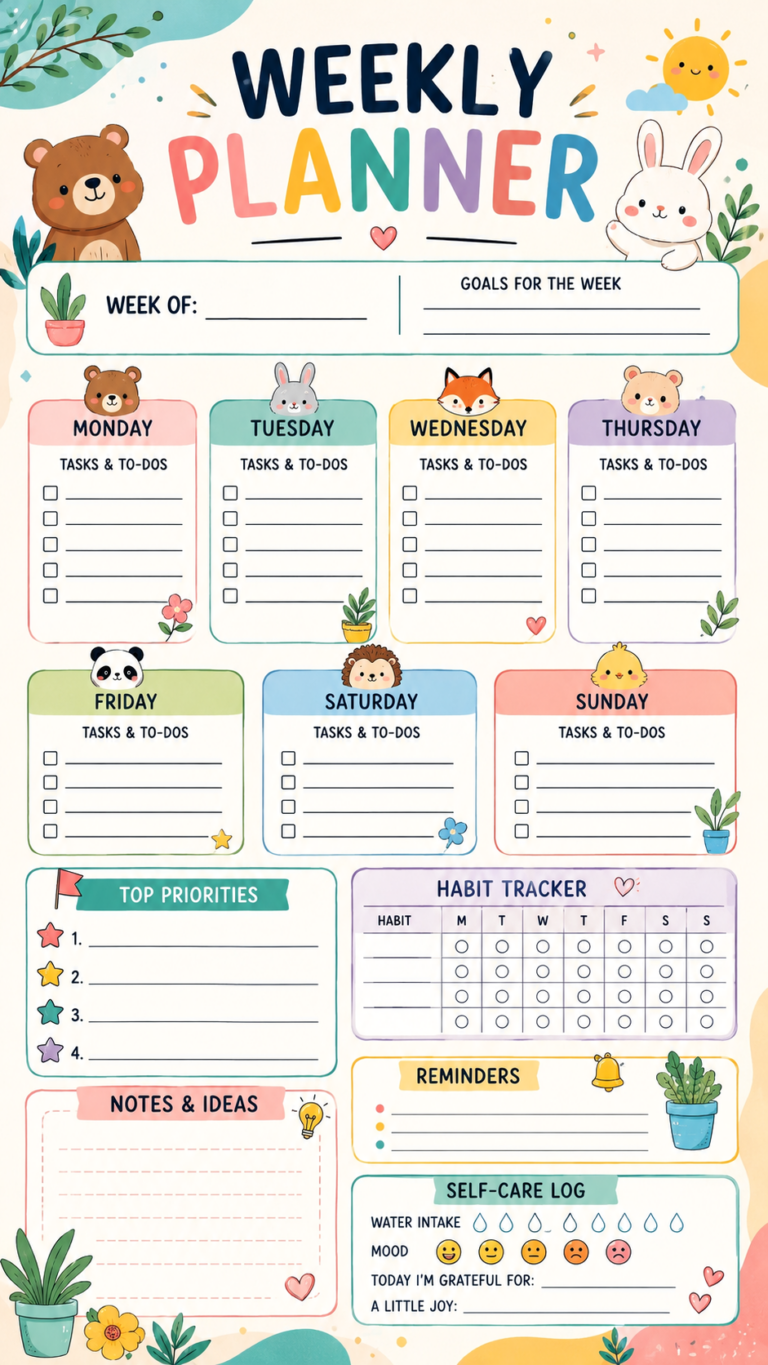
Daily pages are the heart of any journal. They allow you to capture thoughts, tasks, and reflections in a structured way. Dividing pages into sections such as “To-Do Lists,” “Goals,” and “Reminders” helps maintain clarity and focus. Using a mix of handwritten notes and printed visuals like photos or inspirational quotes can make these pages more engaging.
Habit Tracking and Reflection
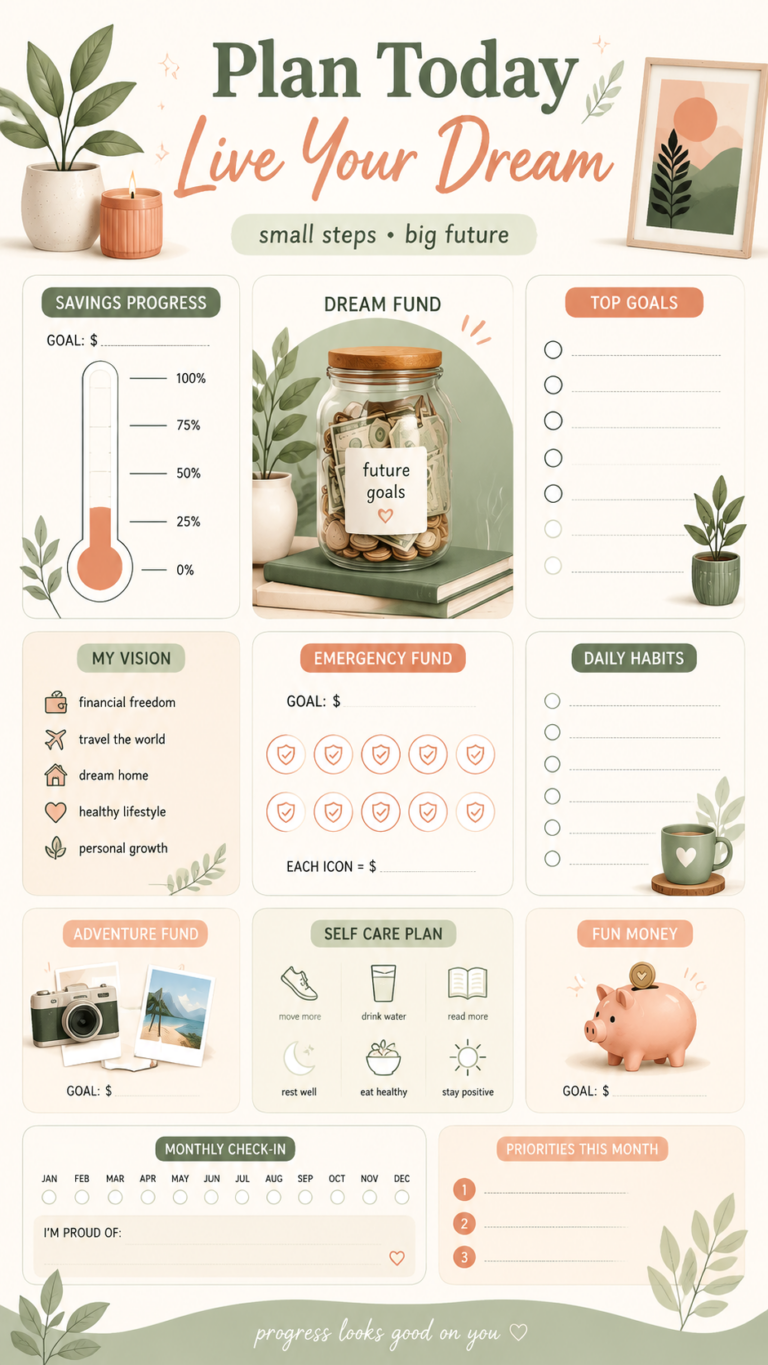
Tracking habits and moods in your journal encourages accountability. Simple habit trackers allow you to visually monitor your progress over weeks or months. Mood logs can help identify patterns and triggers, contributing to mental well-being. By regularly reflecting on completed tasks and personal growth, journaling becomes both a practical tool and a therapeutic practice.
Expert Insight
- Incorporate visuals like small photos or illustrations to increase engagement
- Consistency is key: even a few minutes a day strengthens habits
- Reflect weekly to maintain clarity and motivation
Creative Techniques for Journaling
Journaling is more than writing; it’s a creative process that can be tailored to individual preferences. Some popular techniques include bullet journaling, art journaling, and memory keeping. Each method offers unique ways to combine aesthetics with practical tracking. Experimenting with layouts, color schemes, and decorative elements can make journaling feel like a rewarding artistic endeavor.
Pro Tip: Using light-colored highlighters to emphasize important notes can make key points stand out without overwhelming the page.
Incorporating Inspirational Quotes
Adding motivational quotes and affirmations can boost both productivity and positivity. Place these quotes strategically on pages where reflection is emphasized, such as daily or weekly spreads. This subtle reinforcement keeps your mindset focused and encourages thoughtful reflection.
Balancing Aesthetic and Functionality
While creative embellishments enhance the visual appeal, it’s important not to sacrifice functionality. Pages should remain easy to navigate and useful for planning and reflection. By balancing minimalistic designs with artistic touches, your journal can serve both practical and creative needs.
Building a Mindful Journaling Routine
Consistency is the secret to reaping the full benefits of journaling. Establishing a dedicated journaling time each day—whether morning or evening—can foster mindfulness, reduce stress, and improve mental clarity. Even a brief 10-minute session can enhance focus and provide a sense of accomplishment.
Important: Journaling in a cozy, distraction-free space enhances concentration and makes the practice more enjoyable.
Reflecting and Setting Goals
Journaling is a powerful tool for goal setting. Regularly reviewing accomplishments, setting weekly or monthly objectives, and identifying areas for improvement helps maintain progress. The act of writing goals by hand solidifies intent and makes abstract ideas tangible.
Making It Personal
Customizing your journal to reflect your personality makes the experience more meaningful. Use personal photos, mementos, or even doodles that represent your interests. The more your journal resonates with you, the more likely you are to return to it consistently.
Quick Points
- Design journals that balance beauty and functionality
- Track habits, moods, and goals for consistency
- Use visuals and quotes to inspire and motivate
- Establish a dedicated journaling routine
- Personalize pages to enhance engagement and reflection
Conclusion
Journaling is a versatile and transformative practice that combines creativity, organization, and self-reflection. By curating a journal that is visually appealing and highly functional, you can create a space that inspires, motivates, and supports personal growth. Whether you are tracking habits, reflecting on your day, or simply jotting down thoughts, a thoughtfully designed journal enhances every aspect of the process. Start small, stay consistent, and watch how this daily practice enriches your life.
Tags
Journaling Bullet Journal Planner Aesthetic Journal Creativity Mindfulness Personal Growth