DIY Thick Hair Growth Oil Remedy for Stronger, Healthier Hair Naturally
Natural hair care continues to grow in popularity as more people look for simple, ingredient-focused routines that fit easily into everyday life. One of the most popular DIY solutions is homemade hair growth oil made with nourishing plant-based ingredients. Combining traditional oils with nutrient-rich seeds creates a hair treatment that supports a healthy scalp, helps reduce the appearance of breakage, and encourages stronger-looking hair over time.
Whether you are trying to improve your current hair care routine or simply enjoy creating natural beauty products at home, a homemade hair oil is an affordable and customizable option. With only a handful of ingredients and a straightforward preparation process, you can create a nourishing blend that complements your regular hair care routine.
Key Takeaways
- DIY hair oil uses simple, natural ingredients.
- Mustard oil and nutrient-rich seeds create a nourishing blend.
- Regular scalp massage may improve the overall hair care routine.
- Consistent use is often more important than using large amounts.
- Healthy hair depends on both scalp care and overall lifestyle habits.
Why Homemade Hair Growth Oil Is So Popular
Natural beauty enthusiasts appreciate homemade remedies because they know exactly what goes into the final product. Unlike products with long ingredient lists, a DIY oil recipe keeps everything simple while allowing you to adjust the ingredients based on your personal preferences.
Many traditional beauty routines have included herbal oils and seeds for generations. While experiences vary from person to person, these ingredients remain popular because they are rich in natural compounds that help condition both the scalp and hair.
Important: Natural hair oils are designed to support a healthy hair care routine. Results differ between individuals, and consistency over several weeks is generally more valuable than expecting overnight changes.
Ingredients Commonly Used in This Hair Oil
Mustard Oil
Mustard oil serves as the primary base for this recipe. Its rich texture makes it suitable for scalp massage while helping coat the hair strands. Many people enjoy its warming feel during application.
Black Seeds
Black seeds, often called kalonji, have long been included in traditional beauty routines. They are commonly chosen for homemade oils because they contain naturally occurring nutrients and antioxidants.
Flaxseeds
Flaxseeds are widely known for their healthy fats. In hair care recipes, they are appreciated for helping create a conditioning treatment that leaves hair looking smoother and softer.
Fenugreek Seeds
Fenugreek seeds are another favorite ingredient in natural beauty recipes. They are often used to support scalp care while helping hair feel healthier and easier to manage.
How to Prepare the Oil
The preparation process is refreshingly simple and requires only basic kitchen equipment.
- Add mustard oil to a clean pan.
- Mix in black seeds, flaxseeds, and fenugreek seeds.
- Warm the mixture over low heat for several minutes.
- Allow the oil to cool completely.
- Strain the seeds using a fine mesh strainer or cheesecloth.
- Store the finished oil in a clean glass bottle.
Heating the mixture gently allows the ingredients to infuse into the oil. Avoid overheating, as excessive heat may reduce the quality of the natural ingredients.
Expert Insight
Always prepare homemade oils using clean utensils and sterilized storage bottles. Proper storage helps maintain freshness and minimizes contamination.
How to Apply Homemade Hair Oil
Application matters just as much as the ingredients themselves. Taking a few extra minutes to massage the scalp allows the oil to spread evenly and creates a relaxing self-care experience.
- Part your hair into sections.
- Apply small amounts directly onto the scalp.
- Massage gently using circular motions.
- Work any remaining oil through the hair lengths.
- Leave the treatment on for several hours or overnight if desired.
- Wash thoroughly with a gentle shampoo.
Pro Tip: Applying only a moderate amount of oil usually makes shampooing easier while still providing even coverage across the scalp and hair.
Potential Benefits of Regular Oiling
People often include hair oiling in their weekly routine because it offers several cosmetic and self-care benefits.
- Helps moisturize the scalp.
- Supports softer-looking hair.
- May reduce the appearance of dryness.
- Can improve shine.
- Encourages a relaxing scalp massage routine.
- Helps improve manageability.
While individual experiences vary, regular scalp massage combined with a balanced hair care routine may contribute to healthier-looking hair over time.
Healthy Hair Habits That Complement DIY Hair Oil
Eat a Balanced Diet
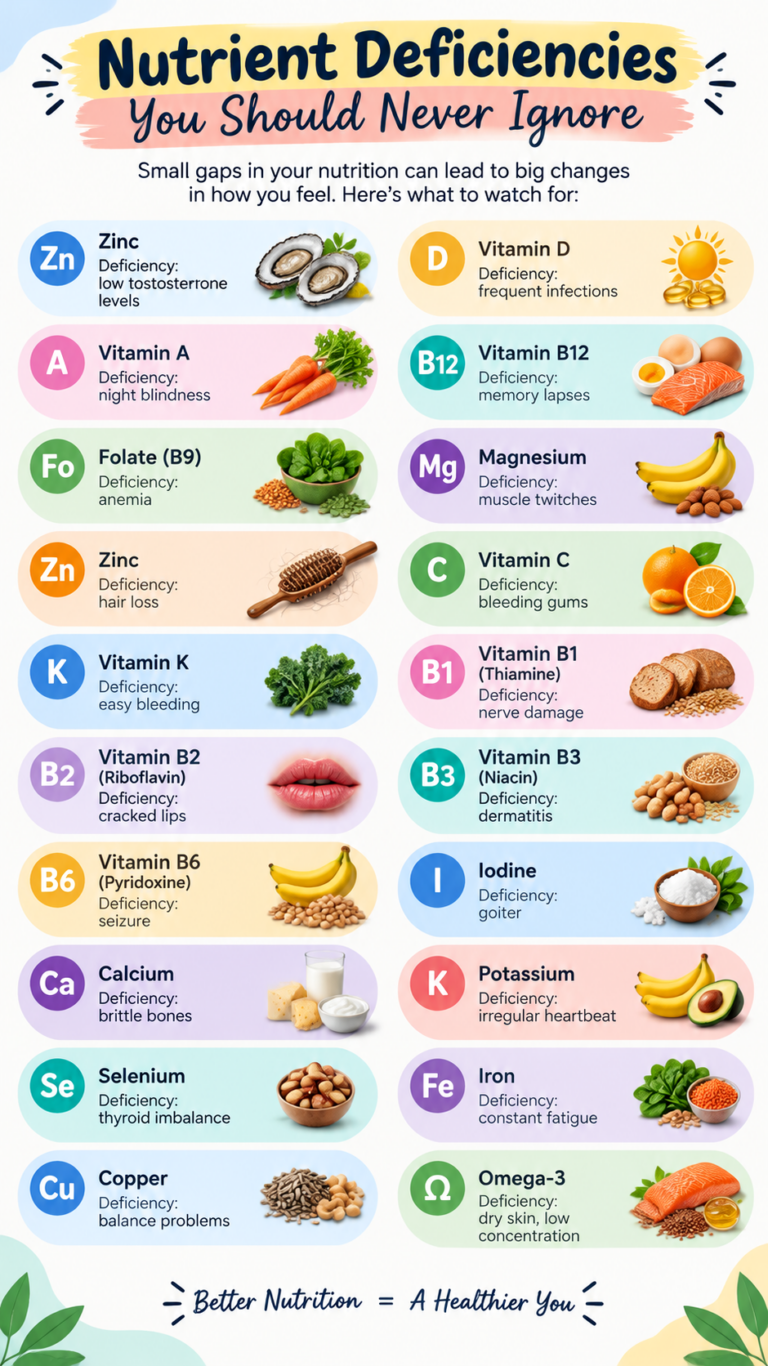
Hair health begins from within. Protein, vitamins, healthy fats, and minerals all play important roles in supporting normal hair growth.
Avoid Excessive Heat Styling
Frequent exposure to high temperatures can contribute to dryness and breakage. Whenever possible, allow hair to air dry or use lower heat settings.
Use Gentle Hair Accessories
Tight hairstyles and rough elastics may place unnecessary stress on hair strands. Softer hair ties can help minimize tension.
Maintain a Consistent Routine
Natural hair care usually rewards patience. Consistent weekly treatments often produce better long-term results than occasional intensive applications.
Important: If you have a sensitive scalp or known allergies, perform a small patch test before using any homemade hair oil for the first time.
Storage Tips
- Store in a clean glass bottle.
- Keep away from direct sunlight.
- Close the lid tightly after each use.
- Avoid introducing water into the container.
- Discard the oil if it develops an unusual smell or appearance.
Frequently Asked Questions
How often should I use the oil?
Many people use it two to three times each week as part of their regular routine.
Can I leave it on overnight?
Yes, many users prefer overnight treatments before washing their hair the next morning.
Can different carrier oils be used?
Some people experiment with alternatives, but mustard oil remains a popular choice in traditional DIY recipes.
Will results be immediate?
Hair care improvements typically require patience and regular use. Consistency is more important than expecting instant changes.
At a Glance
- Simple ingredients create an effective DIY treatment.
- Massage the scalp gently during application.
- Use consistently for best cosmetic results.
- Store the oil properly in a clean glass bottle.
- Combine with healthy daily hair habits.
Conclusion
Homemade thick hair growth oil is an easy and rewarding addition to a natural beauty routine. Using ingredients like mustard oil, black seeds, flaxseeds, and fenugreek creates a nourishing treatment that supports healthy-looking hair while encouraging regular scalp care. The recipe is beginner friendly, affordable, and easy to customize for personal preferences.
Although no single product guarantees dramatic hair transformation, combining consistent hair oiling with gentle styling practices, balanced nutrition, and good scalp hygiene can help create an environment where hair looks stronger, shinier, and better cared for. Small habits performed consistently often make the biggest difference over time.
Tags
DIY Hair Oil Hair Growth Natural Hair Care Mustard Oil Scalp Care Hair Routine Beauty Tips Healthy Hair