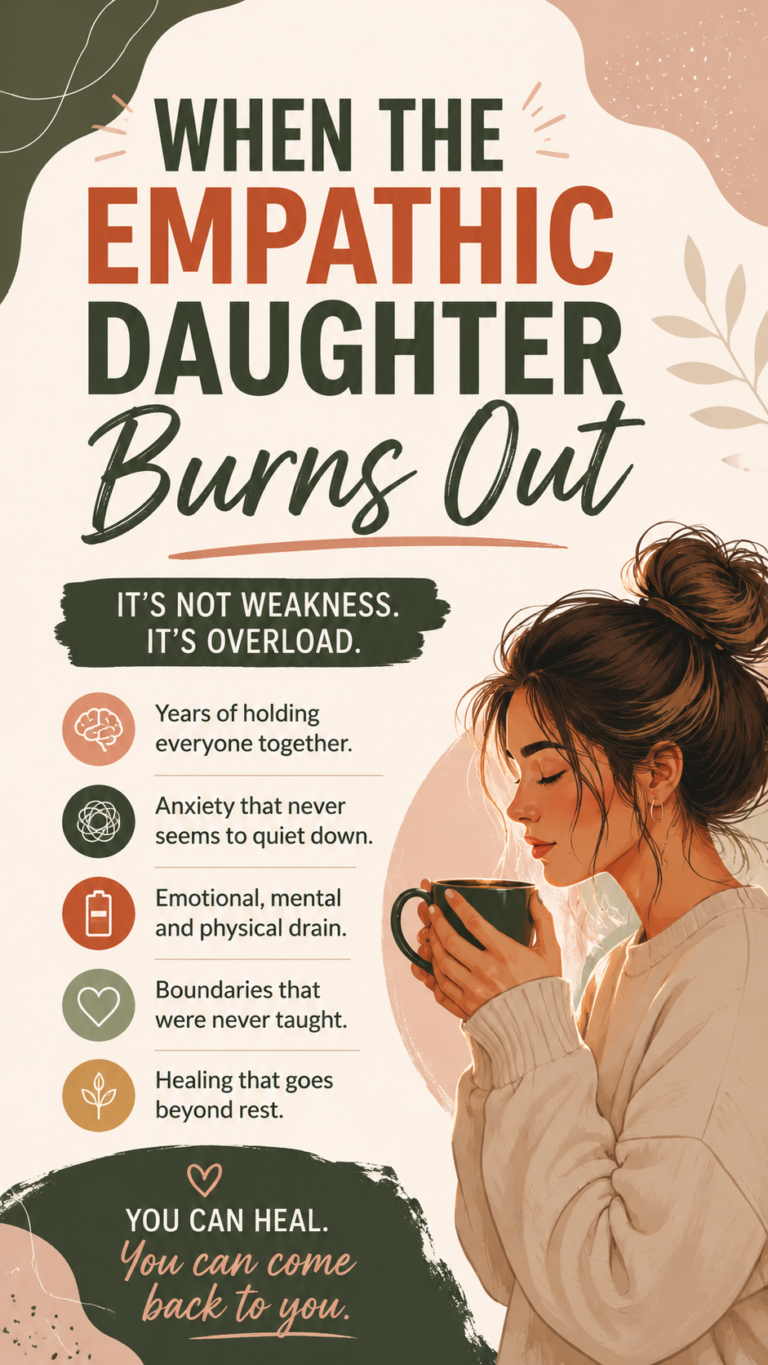
High-Functioning Anxiety in Eldest Daughters Signs, Struggles, and Self-Care Tips
High-functioning anxiety in eldest daughters is a subtle yet pervasive experience that many people mistake for confidence and capability. Outwardly, these women often appear calm, collected, and high-achieving, giving the impression that they have everything under control. However, beneath this composed exterior lies a whirlwind of stress, overthinking, and perfectionist tendencies that can impact every area of life, from relationships to personal well-being.
Key Takeaways
- High-functioning anxiety often goes unnoticed because outward appearances seem stable.
- Eldest daughters may take on extra responsibilities due to family expectations.
- Symptoms include stress, overthinking, people-pleasing, and perfectionism.
- Self-care and setting boundaries are essential for maintaining mental health.
- Recognizing these patterns is the first step to long-term emotional well-being.
Understanding High-Functioning Anxiety in Eldest Daughters
Many eldest daughters are naturally seen as responsible, reliable, and capable. They often take the role of caretaker in their families, which can foster strong leadership skills and maturity. While these traits are celebrated, they may come at a cost. The pressure to perform, please others, and maintain an image of competence can lead to chronic stress and anxiety, often hidden from those around them.
Important: Eldest daughters may excel in academics or careers while struggling internally with worry, racing thoughts, or burnout. This hidden tension can affect sleep, relationships, and overall quality of life.
Common Traits Seen by Others
Outwardly, eldest daughters with high-functioning anxiety often appear:
- Reliable and organized
- Responsible and capable
- Calm under pressure
- Helpful and productive
- High-achieving with a “has it together” demeanor
These traits contribute to the perception that they can manage anything, which may prevent others from recognizing the hidden anxiety they experience daily.
Internal Experiences Often Hidden from View
Beneath the composed exterior, eldest daughters may experience:
- Persistent stress and worry
- Overthinking and racing thoughts
- Perfectionism and self-criticism
- Hypervigilance and fear of disappointing others
- Guilt when resting or taking time for themselves
- Difficulty switching off and needing to isolate
- Burnout and carrying the emotions of others
Pro Tip: Recognizing these patterns early can help eldest daughters implement strategies to reduce anxiety and maintain emotional balance.
Expert Insight
Understanding high-functioning anxiety requires acknowledging the hidden pressures faced by eldest daughters. Key considerations include:
- Family dynamics often encourage responsibility and caregiving roles.
- External success can mask internal stress and emotional struggles.
- Support systems and coping mechanisms are crucial for sustainable well-being.
Why Eldest Daughters are Especially Vulnerable
The eldest daughter often carries the weight of family expectations. They may feel a responsibility to set a good example, help younger siblings, and maintain harmony within the household. This sense of duty can contribute to anxiety, as they feel they must meet high standards and avoid making mistakes.
Important: Constantly prioritizing the needs of others over personal well-being can lead to emotional exhaustion and chronic stress. It’s essential to recognize these patterns to prevent long-term mental health issues.
Signs You Might Be Experiencing High-Functioning Anxiety
It can be difficult to identify anxiety in individuals who appear highly competent. Some signs to watch for include:
- Difficulty relaxing or taking breaks
- Constantly seeking approval from others
- Excessive planning and organizing to avoid mistakes
- Feeling guilty when prioritizing personal needs
- Trouble sleeping due to racing thoughts
- Feeling responsible for the emotions of others
Strategies to Manage Anxiety and Foster Well-Being
There are practical steps eldest daughters can take to reduce anxiety and improve emotional health. These strategies include:
1. Establish Healthy Boundaries
Learn to say no when necessary and avoid taking on responsibilities that exceed your capacity. Boundaries protect your time and mental energy, allowing you to recharge without guilt.
2. Practice Self-Care Regularly
Engage in activities that nourish your mind and body, such as meditation, exercise, journaling, or spending time in nature. Prioritizing self-care helps reduce stress and restore balance.
3. Seek Support and Share Your Feelings
Talking to a trusted friend, mentor, or therapist can provide perspective and relief. Sharing your internal experiences reduces isolation and normalizes the challenges of high-functioning anxiety.
4. Mindfulness and Stress-Reduction Techniques
Mindfulness exercises, deep breathing, and grounding techniques can help manage racing thoughts and hypervigilance. These practices enable you to stay present and reduce anxiety triggers.
Quick Note
- Implement one small change at a time to avoid feeling overwhelmed.
- Track progress and celebrate even minor victories in managing stress.
- Remember that self-care is a form of strength, not weakness.
The Role of Self-Compassion
Eldest daughters often hold themselves to extremely high standards, which can fuel perfectionism and self-criticism. Cultivating self-compassion is a powerful tool for alleviating anxiety. By acknowledging your limitations and treating yourself with kindness, you can reduce pressure and foster emotional resilience.
Important: Self-compassion does not mean lowering standards; it means supporting yourself while striving for personal growth without unnecessary guilt or stress.
Practical Self-Compassion Practices
- Write a supportive note to yourself when feeling anxious or stressed.
- Reframe mistakes as learning opportunities rather than failures.
- Schedule regular breaks to honor your mental and physical needs.
Maintaining Long-Term Balance
Managing high-functioning anxiety is not about eliminating responsibilities or achievements. It is about creating sustainable strategies that allow you to thrive without compromising mental health. Balance is achieved by combining self-awareness, boundary-setting, mindfulness, and supportive relationships.
At a Glance
- Recognize the difference between outward success and internal anxiety.
- Prioritize self-care and establish boundaries.
- Use mindfulness techniques to manage stress and racing thoughts.
- Seek support from trusted friends or professionals.
- Practice self-compassion to sustain long-term emotional well-being.
Conclusion
High-functioning anxiety in eldest daughters is a complex and often hidden experience. While these women may appear confident, capable, and composed, they frequently carry significant internal stress, perfectionist tendencies, and emotional burdens. Recognizing the signs, prioritizing self-care, setting boundaries, and cultivating self-compassion are essential steps to managing anxiety effectively.
By acknowledging these experiences and implementing practical strategies, eldest daughters can maintain their achievements while also nurturing their mental and emotional well-being. Remember, thriving is not just about outward success; it is also about inner balance, resilience, and self-care.
Tags
High-Functioning Anxiety Eldest Daughter Mental Health Self-Care Tips Perfectionism Overthinking Burnout Mindfulness