High Protein Gym Meal Prep Ideas for Fat Loss, Muscle Gain Strength Training Meals
High-protein meal prep has become one of the most effective strategies for people who want to lose fat, build lean muscle, and stay consistent with healthy eating habits. When nutritious meals are prepared in advance, it becomes much easier to avoid unhealthy food choices, control portions, and maintain daily protein targets. Whether you’re training for strength, improving body composition, or simply looking for convenient healthy meals, a structured meal prep routine can make a significant difference.
The foundation of successful fitness nutrition is balancing protein, carbohydrates, healthy fats, and vegetables in a way that supports performance and recovery. With the right combination of foods, you can fuel workouts, preserve muscle mass during fat loss, and keep energy levels stable throughout the day.
Key Takeaways
- High-protein meals help support muscle recovery and growth.
- Meal prep reduces reliance on convenience foods and takeout.
- Balanced meals improve energy levels and workout performance.
- Portion control becomes easier when meals are prepared ahead of time.
- Consistent meal planning supports both fat loss and strength goals.
- Variety in protein sources helps prevent dietary boredom.
Why High-Protein Meal Prep Works
Protein is one of the most important nutrients for active individuals. It plays a critical role in muscle repair, recovery, and maintenance. During periods of fat loss, adequate protein intake becomes even more important because it helps preserve lean muscle tissue while the body burns stored fat.
Meal prep simplifies the process of reaching daily protein goals. Instead of making nutrition decisions multiple times per day, meals are already planned and portioned. This reduces decision fatigue and helps maintain consistency over the long term.
Important: Consistency is often more important than perfection. Having nutritious, protein-rich meals ready to eat can dramatically improve adherence to a healthy eating plan, especially during busy weeks.
Building the Perfect Gym Meal Prep Plate
A successful fitness-focused meal typically includes four key components:
- Lean protein for muscle recovery and satiety.
- Complex carbohydrates for training energy.
- Vegetables for vitamins, minerals, and fiber.
- Healthy fats for hormone support and overall health.
The combination creates balanced meals that support performance while helping control hunger throughout the day.
Lean Protein Sources
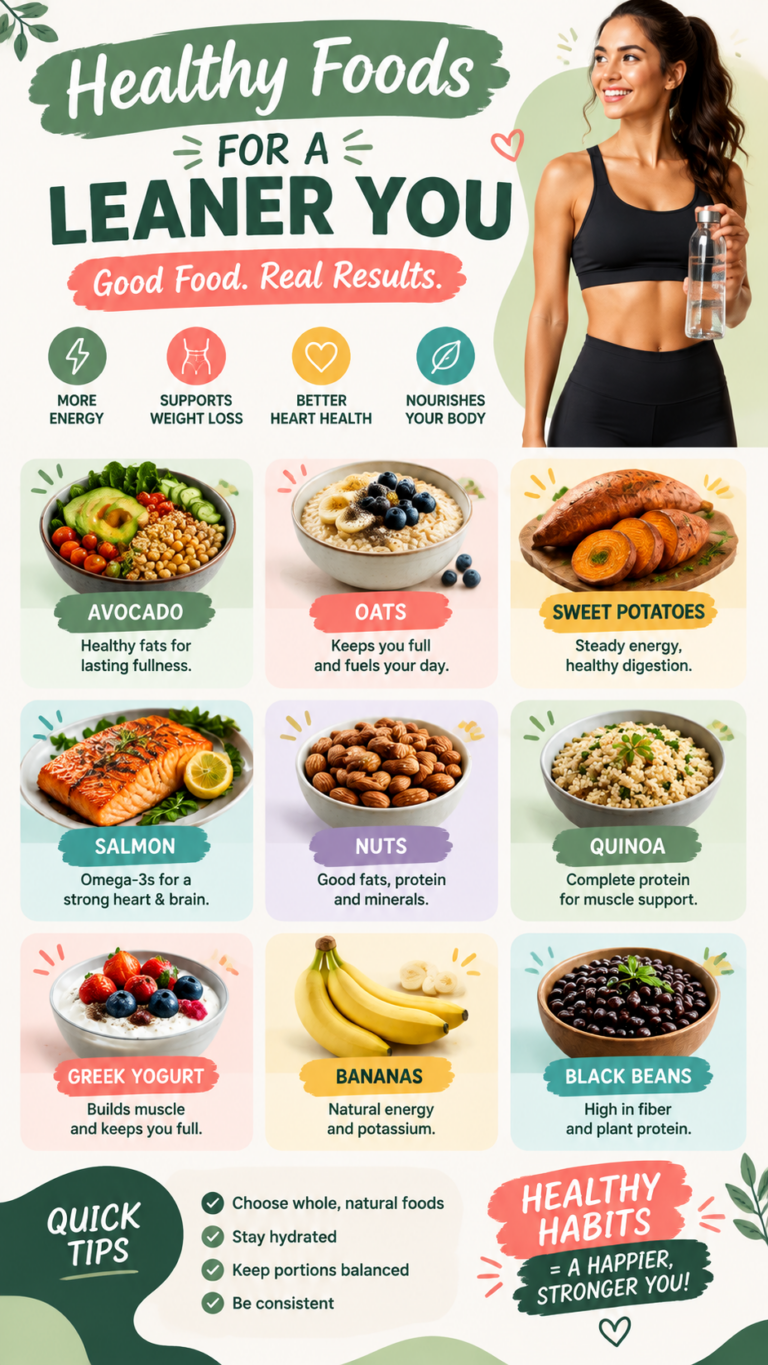
Protein is the centerpiece of most meal prep plans. Popular options include chicken breast, lean ground beef, turkey, salmon, tuna, eggs, cottage cheese, and Greek yogurt. These foods provide essential amino acids needed for muscle recovery and growth.
Choosing a variety of protein sources throughout the week can improve nutritional diversity while keeping meals enjoyable.
Smart Carbohydrate Choices
Carbohydrates provide fuel for workouts and daily activities. Whole-food sources such as rice, quinoa, sweet potatoes, oats, and whole-grain pasta offer sustained energy while delivering valuable nutrients.
Many athletes strategically pair lean proteins with complex carbohydrates to improve training performance and post-workout recovery.
Vegetables for Volume and Nutrition
Vegetables help create filling meals without adding excessive calories. Broccoli, green beans, asparagus, spinach, bell peppers, and leafy greens are common meal prep favorites because they store well and complement many protein sources.
Popular High-Protein Meal Prep Combinations
Several meal combinations have become staples in fitness nutrition because they provide a balance of protein, carbohydrates, and micronutrients.
Chicken, Rice, and Vegetables
This classic combination remains popular for good reason. Chicken breast offers lean protein, rice provides workout fuel, and vegetables add fiber and nutrients. It is affordable, simple to prepare, and highly customizable.
Lean Beef and Sweet Potatoes
Lean beef supplies high-quality protein along with important minerals such as iron and zinc. Sweet potatoes provide complex carbohydrates and are rich in vitamins that support overall health.
Salmon and Quinoa
Salmon is known for its protein content and beneficial omega-3 fatty acids. Pairing it with quinoa creates a nutrient-dense meal that supports recovery while offering a satisfying texture and flavor combination.
Expert Insight
Many successful athletes prioritize meal consistency over dietary complexity. Simple meals built around protein, vegetables, and quality carbohydrates often outperform complicated nutrition plans that are difficult to maintain.
Turkey Meatballs with Whole Wheat Pasta
Turkey meatballs provide a flavorful protein option that works well with whole wheat pasta and tomato-based sauces. This meal delivers satisfying texture while supporting daily protein targets.
Egg White Omelets and Lean Chicken
Egg whites are a low-fat protein source frequently used during fat-loss phases. Combined with vegetables and lean chicken, they create a filling meal that supports muscle maintenance.
Cottage Cheese and Fruit
Cottage cheese is a convenient protein-rich snack or light meal. Pairing it with berries, apples, or nuts creates a balanced option that works well between meals or after training.
Pro Tip: Preparing multiple protein sources each week adds variety without increasing meal prep complexity. Cook proteins in batches and combine them with different vegetables and carbohydrate sources throughout the week.
Meal Prep for Fat Loss
Fat loss ultimately requires a calorie deficit, but meal quality still matters. High-protein meals help manage hunger, making it easier to maintain reduced calorie intake without feeling deprived.
Portion-controlled meal containers can be particularly useful for individuals focused on body composition goals. Measuring portions in advance removes guesswork and creates greater consistency.
Some effective fat-loss meal prep strategies include:
- Prioritizing lean protein at every meal.
- Including high-fiber vegetables.
- Limiting heavily processed foods.
- Monitoring portion sizes.
- Staying hydrated throughout the day.
Meal Prep for Strength and Muscle Growth
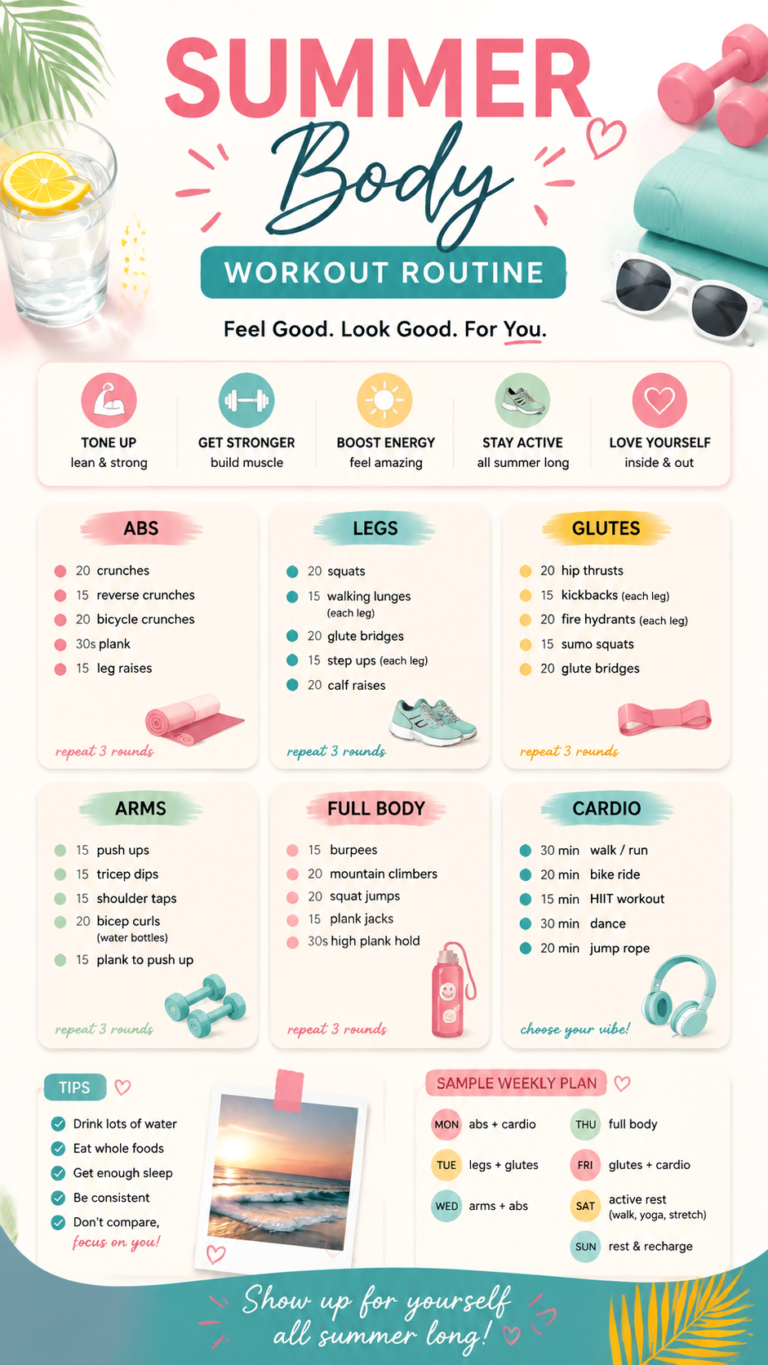
Building strength and muscle requires sufficient protein, training stimulus, and overall energy intake. While protein remains a priority, athletes focused on muscle gain often increase carbohydrate intake to support training volume and recovery.
Strategically timed meals before and after workouts can help maximize performance. Many strength-focused meal plans emphasize carbohydrate-rich meals around training sessions while maintaining high protein intake throughout the day.
Important: Muscle growth is supported by consistent training and nutrition habits over time. Daily protein intake and recovery matter far more than searching for a perfect meal plan.
How to Prepare Meals Efficiently
One of the biggest advantages of meal prep is efficiency. A few hours of preparation can provide several days of healthy meals.
Step 1: Plan Your Meals
Select protein sources, vegetables, and carbohydrates before shopping. Creating a simple menu prevents unnecessary purchases and reduces food waste.
Step 2: Batch Cook
Cook proteins, grains, and vegetables in large quantities. Batch cooking saves time and simplifies assembly.
Step 3: Portion Meals
Divide foods into individual containers. This makes grabbing meals throughout the week fast and convenient.
Step 4: Store Properly
Use quality food containers with secure lids. Refrigerate meals promptly and follow safe food storage practices.
Common Meal Prep Mistakes to Avoid
- Preparing meals without enough protein.
- Making portions too small and feeling hungry later.
- Ignoring vegetables and fiber intake.
- Using the same meal every day and becoming bored.
- Failing to plan grocery shopping in advance.
- Skipping healthy fats entirely.
Small adjustments can make meal prep more enjoyable and sustainable. Adding seasonings, herbs, and healthy sauces helps maintain variety without significantly impacting nutritional goals.
The Role of Snacks in a High-Protein Diet
Strategic snacks can help bridge gaps between meals and make it easier to achieve daily protein goals. Protein-rich snack options include cottage cheese, Greek yogurt, hard-boiled eggs, protein smoothies, nuts, and lean deli meats.
Choosing nutrient-dense snacks supports recovery while helping maintain steady energy levels throughout the day.
Creating Long-Term Success With Meal Prep
The best meal prep plan is one that fits your lifestyle. Sustainability should always be the priority. Instead of pursuing extreme diets, focus on building habits that can be maintained for months and years.
Experiment with new recipes, rotate protein sources, and adjust portions based on changing goals. Flexibility helps prevent burnout while maintaining nutritional consistency.
At a Glance
- Prioritize protein in every meal.
- Combine lean proteins with complex carbohydrates.
- Include vegetables for fiber and nutrients.
- Batch cook to save time during busy weeks.
- Stay consistent rather than striving for perfection.
Conclusion
High-protein gym meal prep is one of the most practical and effective approaches for supporting fat loss, muscle recovery, and strength development. By preparing balanced meals ahead of time, you create a nutrition system that encourages consistency, simplifies healthy eating, and reduces reliance on last-minute food choices.
Whether your goal is building muscle, improving athletic performance, or maintaining a healthy lifestyle, meal prep can help bridge the gap between intention and action. Focus on quality protein sources, nutritious carbohydrates, vegetables, and smart planning. Over time, these simple habits can produce meaningful results both inside and outside the gym.
Tags
High Protein Meal Prep Gym Nutrition Fat Loss Meals Muscle Building Fitness Meal Prep Healthy Eating Strength Training Protein Recipes