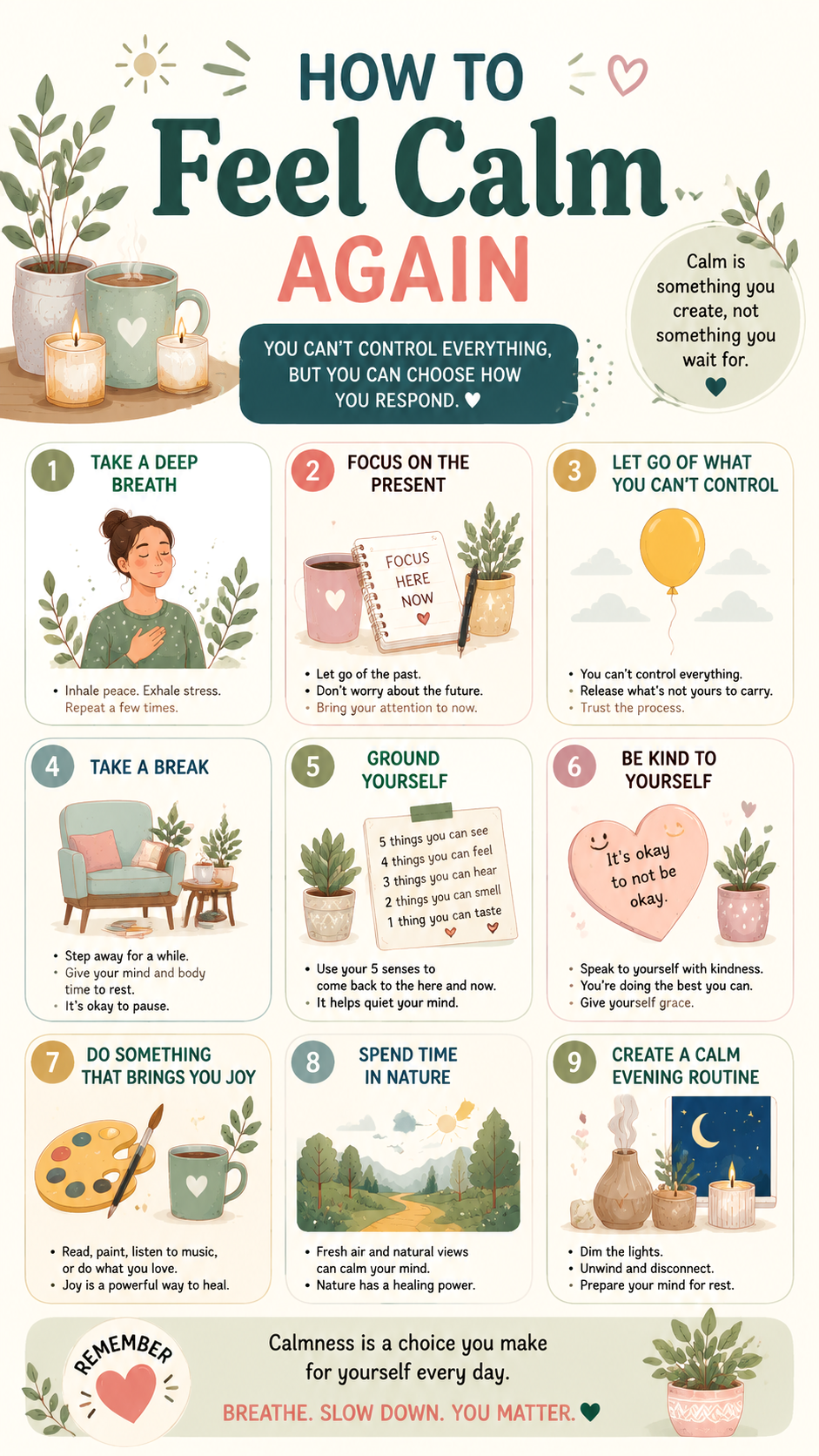
How to Feel Calm Again 9 Simple Ways to Reduce Stress Find Peace
In a busy world filled with constant notifications, responsibilities, and daily pressures, learning how to feel calm again can become one of the most valuable skills for your overall well-being. A calm mind does not mean having a perfect life without challenges. It means developing simple habits that help you respond to stress with more balance, awareness, and self-compassion.
Creating moments of peace throughout your day can be surprisingly simple. Small practices like deep breathing, focusing on the present moment, spending time in nature, and creating a calming evening routine can help your mind slow down and reconnect with what truly matters.
Key Takeaways
- Simple breathing exercises can help create a sense of calm during stressful moments.
- Mindfulness helps you focus on the present instead of worrying about the past or future.
- Letting go of things you cannot control can reduce emotional pressure.
- Small self-care habits can improve your daily mood and mental clarity.
- A peaceful routine can support better relaxation and restful sleep.
Understanding What It Means to Feel Calm Again
Feeling calm is not about removing every difficult emotion or avoiding challenges. Stress, frustration, and uncertainty are natural parts of life. The goal is to build the ability to return to a peaceful state when life feels overwhelming.
A calm mind allows you to think more clearly, make better decisions, and enjoy everyday moments. When your thoughts are constantly racing, even simple tasks can feel exhausting. Calmness creates space between what happens and how you choose to respond.
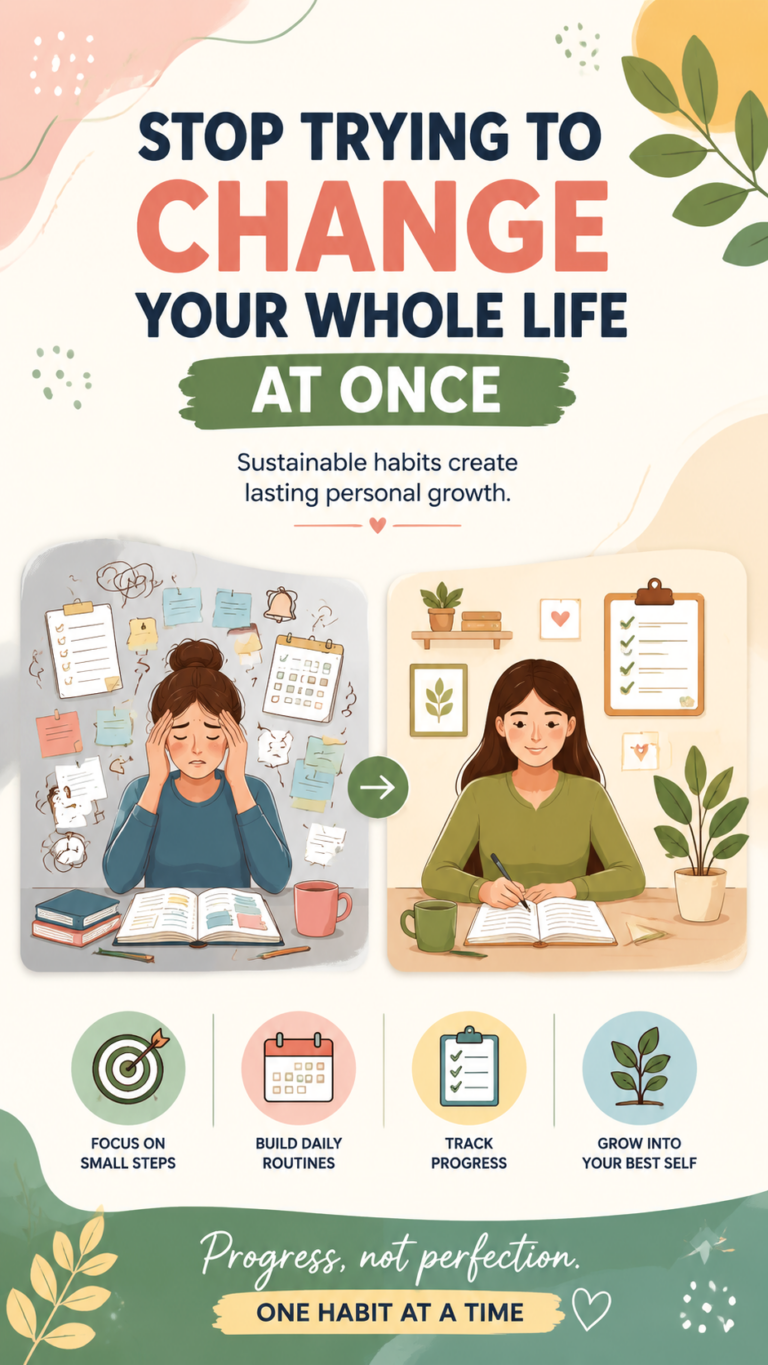
Important: Calmness is a skill that can be practiced. Small daily habits often create bigger changes than occasional attempts to completely reset your life.
1. Take a Deep Breath to Reset Your Mind
One of the fastest ways to create a feeling of calm is through intentional breathing. When you feel anxious or overwhelmed, your body may enter a stress response. Slow, controlled breathing sends a message to your nervous system that you are safe and can relax.
A Simple Breathing Exercise
Try this calming breathing technique:
- Inhale slowly for four seconds.
- Hold your breath for four seconds.
- Exhale gently for six seconds.
- Repeat several times until your body begins to relax.
This practice can be used anywhere, whether you are preparing for a busy day, dealing with stress, or trying to relax before sleep.
2. Focus on the Present Moment
Many stressful thoughts come from replaying the past or worrying about what might happen in the future. Mindfulness helps bring your attention back to the moment you are experiencing right now.
Instead of asking yourself endless “what if” questions, try noticing what is happening around you. Pay attention to your breathing, your surroundings, the sounds you hear, and the sensations in your body.
Easy Ways to Practice Mindfulness
- Write down three things you notice around you.
- Enjoy your morning drink without distractions.
- Take a short mindful walk.
- Spend a few minutes journaling your thoughts.
3. Let Go of What You Cannot Control
One of the biggest barriers to feeling calm is holding onto situations that are outside your control. While you can influence your choices, actions, and reactions, you cannot control every outcome or every person around you.
Learning to release unnecessary worry does not mean you stop caring. It means you protect your energy by focusing on the things where your effort can make a difference.
4. Give Yourself Permission to Take a Break
Rest is not a sign of weakness. Taking breaks allows your mind and body to recover. Many people continue pushing themselves without realizing they need time to pause and recharge.
A short break can include stepping away from your screen, sitting quietly, enjoying fresh air, or doing something that brings comfort. These small pauses can help prevent emotional exhaustion.
Ideas for a Peaceful Reset
- Make a warm drink and enjoy a quiet moment.
- Read a few pages of a book.
- Stretch your body gently.
- Listen to calming music.
5. Ground Yourself When Your Mind Feels Overwhelmed
Grounding techniques help bring your attention back to the present when your thoughts feel too intense. They work by connecting you with your senses and reminding your brain that you are in the current moment.
Try the 5-4-3-2-1 Grounding Method
- Name five things you can see.
- Name four things you can touch.
- Name three things you can hear.
- Name two things you can smell.
- Name one thing you can taste.
This exercise is a helpful reminder that you are here, now, and capable of handling the present moment.
Why This Matters
Calm habits create emotional stability over time. When you practice relaxation, mindfulness, and self-kindness regularly, you train your mind to recover from stress more easily.
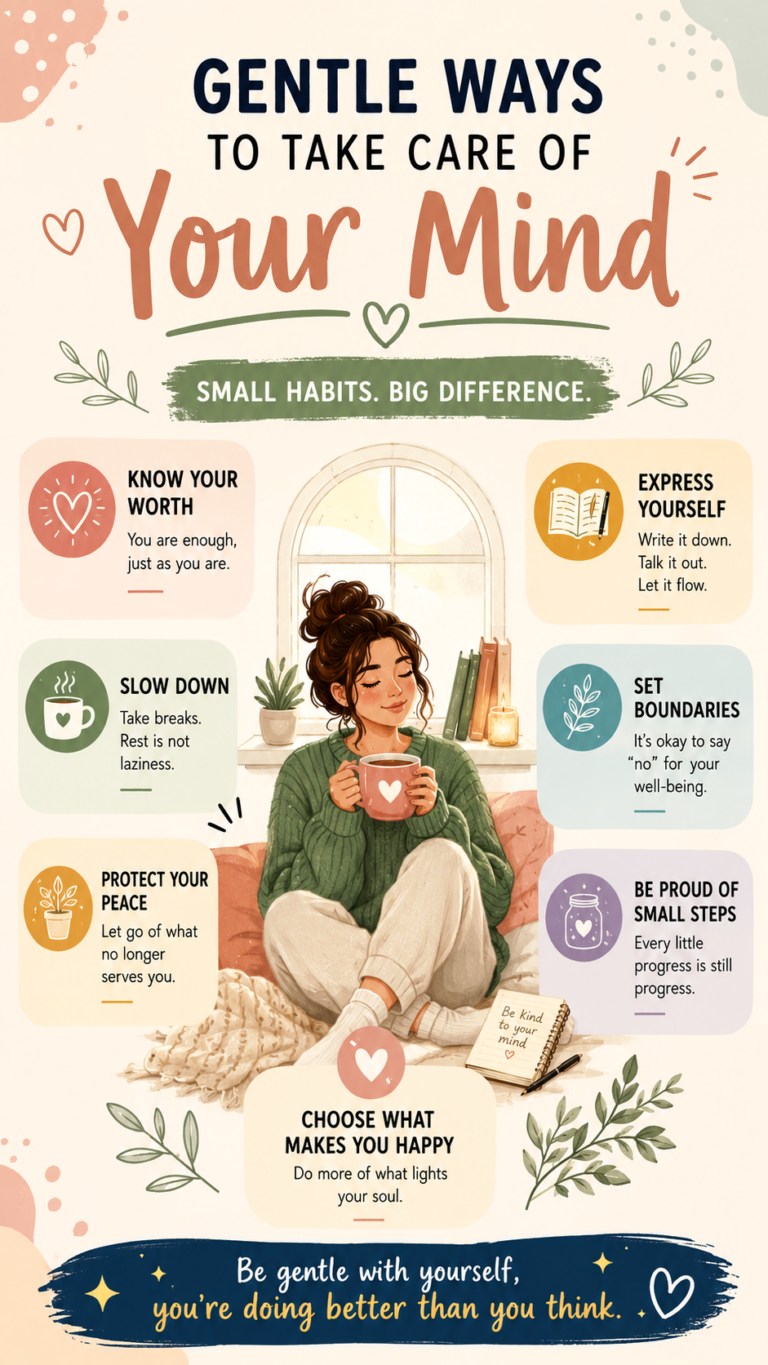
6. Practice Kindness Toward Yourself
The way you speak to yourself has a powerful impact on your emotional well-being. Negative self-talk can increase stress, while self-compassion can create feelings of safety and confidence.
Instead of criticizing yourself for feeling tired or overwhelmed, try offering yourself the same kindness you would give a friend.
Positive Self-Talk Examples
- “I am doing the best I can today.”
- “It is okay to slow down.”
- “I can handle this one step at a time.”
7. Create More Moments That Bring You Joy
Calm does not only come from reducing stress. It also comes from adding more meaningful and enjoyable experiences to your life.
Creative activities, hobbies, movement, and time with loved ones can help restore your energy. Even a few minutes spent doing something you enjoy can improve your mood.
8. Spend Time in Nature
Nature provides a simple way to slow down and reconnect with yourself. A walk outside, time in a garden, or simply observing natural surroundings can create a peaceful mental break.
Fresh air, sunlight, and quiet outdoor moments can encourage relaxation and help you feel more grounded.
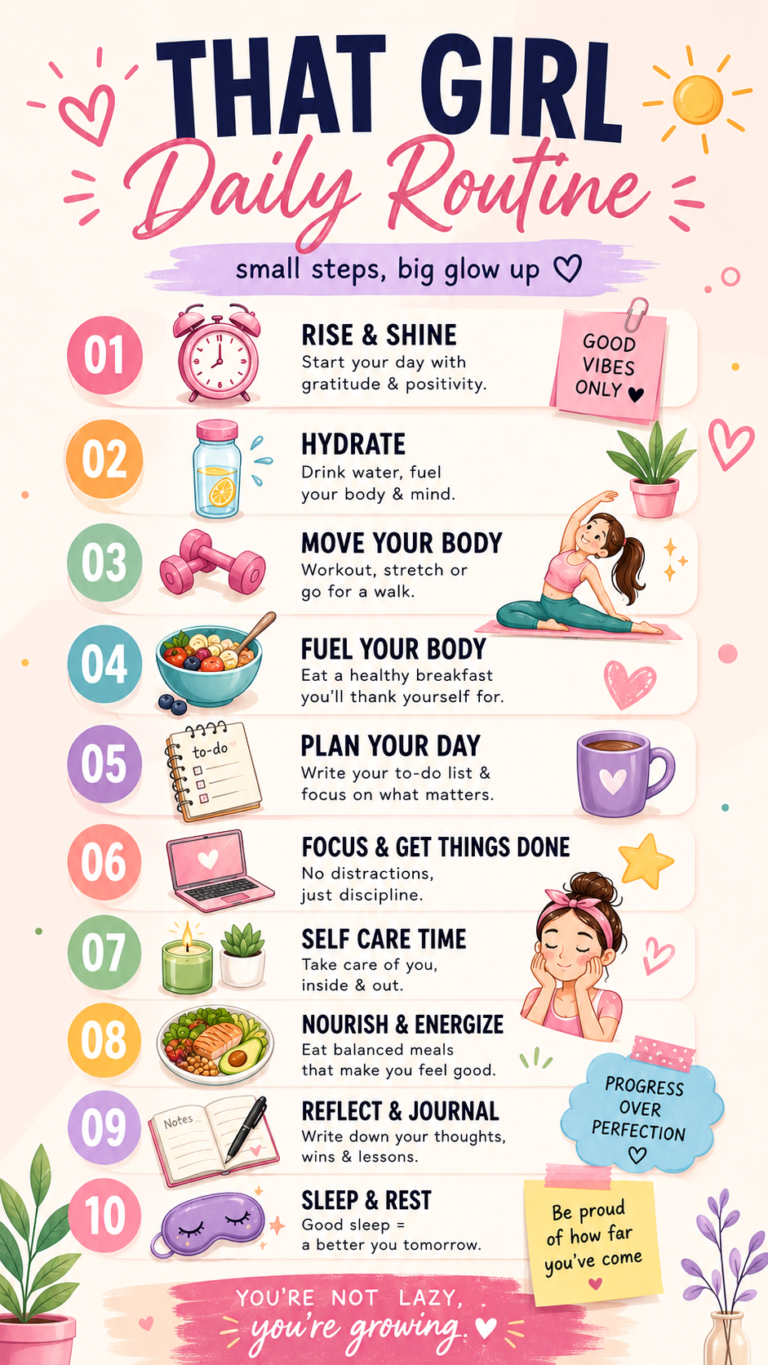
9. Build a Calm Evening Routine
The way you end your day can influence your sleep and your mood the next morning. A calming evening routine helps signal to your mind that it is time to slow down.
- Dim bright lights before bedtime.
- Disconnect from stressful content.
- Practice gratitude or journaling.
- Create a comfortable sleep environment.
At a Glance
- Breathe slowly to create instant calm.
- Focus on the present instead of endless worries.
- Release what you cannot control.
- Create routines that support peace and relaxation.
Final Thoughts: Calm Is Something You Can Create
Learning how to feel calm again is a journey built through small, intentional choices. You do not need to completely change your life overnight. A few mindful breaths, a quiet moment, or a simple act of self-care can help you reconnect with peace.
Remember that calm does not mean having no problems. It means developing the strength to face challenges with a clearer mind and a gentler heart. Start with one small habit today, and allow your sense of calm to grow over time.
Tags
Feel Calm Again
Stress Relief
Mindfulness Tips
Self Care Routine
Mental Wellness
Calm Mind