How to Get Thicker Hair Naturally 10 Fast Hair Growth Hacks for Long, Healthy Hair
If you have ever caught yourself staring in the mirror and wishing for a bit more volume or wondering why your hair seems to have hit a growth plateau, you are certainly not alone. Thinning hair or slow growth can be incredibly frustrating, but the good news is that achieving thicker, healthier locks does not always require expensive salon treatments or harsh chemicals. By turning toward natural remedies and mindful daily habits, you can create the perfect environment for your hair to thrive. The journey to luscious hair is less about a single miracle product and more about a consistent, holistic approach that addresses scalp health, moisture retention, and protective styling. Let us dive deep into the most effective, science-backed natural hacks that will help you unlock the hair of your dreams.
The Foundation of Growth: Scalp Stimulation and Essential Oils
Every single strand of hair on your head begins its life beneath the surface of the scalp. This means that if you want thicker hair, you have to start at the root. Scalp stimulation is one of the most underrated ways to encourage faster growth because it increases blood circulation to the hair follicles. When blood flow is improved, more oxygen and vital nutrients reach the bulb of the hair, giving it the fuel it needs to grow strong and resilient.
The Power of Rosemary and Castor Oil
Using oils for scalp massages adds an extra layer of benefit. Rosemary oil, in particular, has gained massive popularity in the wellness community for good reason. Studies have suggested that rosemary oil can be as effective as some over-the-counter growth treatments without the side effects. It works by improving cellular turnover and acting as a natural anti-inflammatory agent. On the other hand, castor oil is a thick, nutrient-dense oil rich in ricinoleic acid. This fatty acid helps to lock in moisture and has antimicrobial properties that keep the scalp clean and free from infections that might hinder growth.
How to Perform an Effective Scalp Massage
To get the most out of your oils, try the inversion method or a simple five-minute circular massage. Warm up a small amount of your chosen oil blend and apply it directly to your scalp using a dropper. Use your fingertips—never your nails—to apply gentle but firm pressure in small circles. Doing this consistently, perhaps two to three times a week before your shower, can significantly change the thickness of your hair over a few months.
Ancient Secrets: The Magic of Rice Water and Aloe Vera
Sometimes the best beauty secrets are the ones that have been passed down through generations. Natural ingredients like rice water and aloe vera have been used for centuries in various cultures to maintain incredibly long and thick hair. These are not just old wives’ tales; there is real biology behind why these treatments work so effectively.
Rice Water as a Strengthening Conditioner
Rice water is the starchy liquid left over after soaking or cooking rice. It is packed with amino acids, B vitamins, vitamin E, and minerals. One of its most unique components is inositol, a carbohydrate that can penetrate damaged hair and repair it from the inside out. Even after you rinse the rice water off, the inositol stays inside the hair shaft, acting as a shield against future damage. Using rice water as a final rinse or a pre-shampoo treatment helps to smooth the cuticle, making the hair appear much thicker and shinier instantly.
Soothing the Scalp with Aloe Vera
If your scalp is itchy, dry, or inflamed, your hair growth will naturally slow down. Aloe vera is a powerhouse of proteolytic enzymes which repair dead skin cells on the scalp. It also acts as a fantastic conditioner that leaves your hair all smooth and shiny. Applying a fresh aloe vera mask once a week helps to unblock hair follicles that may be clogged by excess oil or product buildup. This ensures that new hairs can sprout through the surface without any resistance.
Internal Health: Biotin, Collagen, and Nutrition
While topical treatments are vital, your hair is essentially a reflection of your internal health. Hair is made of a tough protein called keratin, and to produce this protein, your body requires a specific set of nutrients. If you are deficient in certain vitamins, your body will prioritize your vital organs over your hair, leading to thinning and shedding.
The Role of Biotin and Collagen Supplements
Biotin, also known as Vitamin B7, is perhaps the most famous supplement for hair growth. It helps the body convert nutrients into energy and plays a massive role in the health of your hair, skin, and nails. Collagen is another essential component. As we age, our natural collagen production slows down. Since collagen contains the amino acids used to build hair proteins and helps prevent hair follicle damage, taking a high-quality supplement can help maintain the thickness of the hair as you get older.
Feeding Your Hair from Within
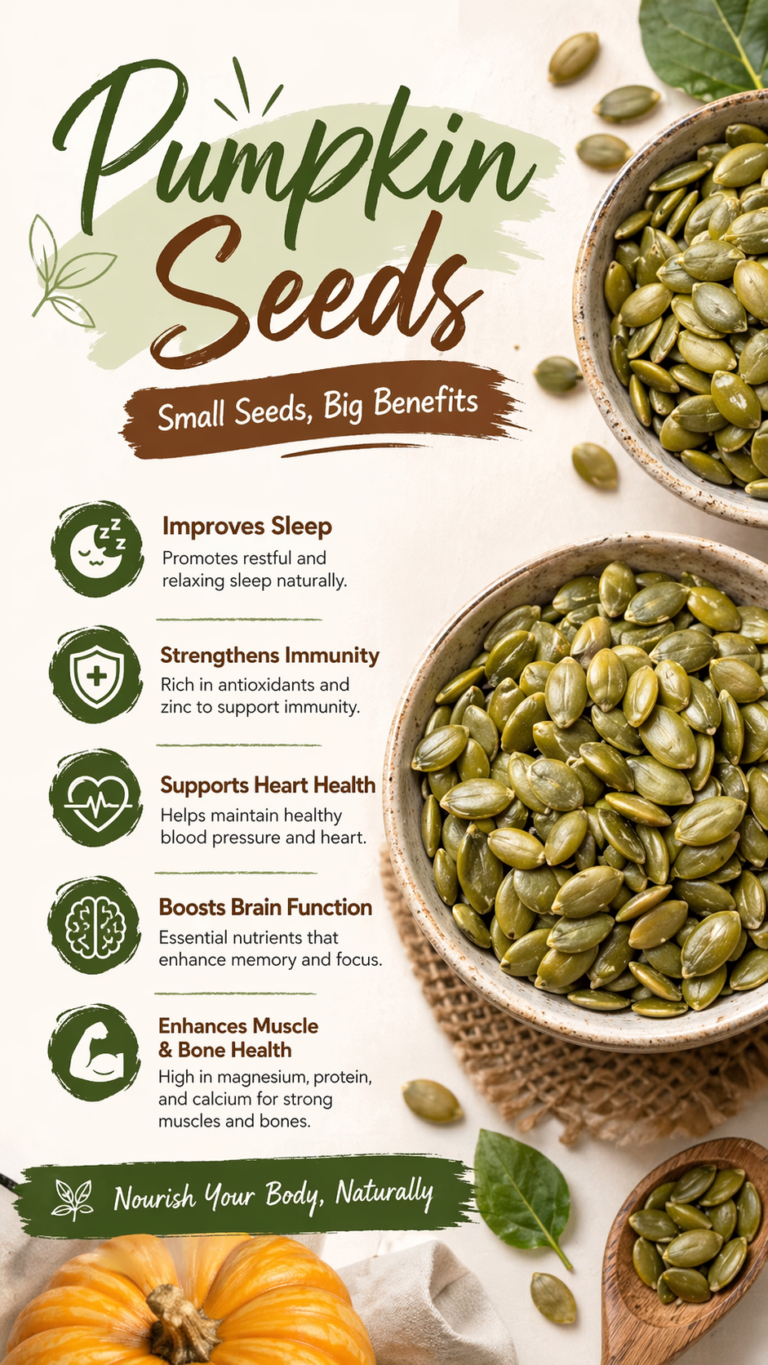
Beyond supplements, focus on a diet rich in iron, zinc, and omega-3 fatty acids. Leafy greens, eggs, fatty fish like salmon, and a variety of seeds like flax and chia provide the building blocks for healthy hair. Remember that hydration is just as important. Water helps to flush out toxins and keeps the hair shaft hydrated, preventing the brittle texture that leads to breakage.
Protective Habits: Reducing Mechanical Damage
You might be growing hair at a healthy rate, but if it is breaking off at the ends just as fast, you will never see the progress. Mechanical damage refers to the physical stress we put on our hair through brushing, styling, and even sleeping. Making small shifts in your daily routine can significantly reduce the amount of hair you lose to breakage.
Ditching the Cotton Towel for Microfiber
Standard cotton towels have large, coarse fibers that can snag on the hair cuticle, especially when the hair is wet and at its most fragile state. Rubbing your hair dry with a heavy towel causes frizz and snapping. Instead, use an old cotton T-shirt or a microfiber towel. These materials are much smoother and more absorbent, allowing you to gently squeeze out excess water without roughing up the hair shaft. This simple switch can lead to much smoother, thicker-looking ends over time.
The Benefits of Silk Pillowcases
Think about how much you move your head during eight hours of sleep. If you are sleeping on a traditional cotton pillowcase, that friction is constantly tugging at your hair strands. Silk or satin pillowcases allow the hair to glide across the surface effortlessly. Not only does this prevent tangles and “bedhead,” but it also helps your hair retain its natural moisture rather than having it absorbed by the fabric.
Smart Styling: Avoiding Heat and Tension
It is tempting to reach for the blow dryer or flat iron to get that perfect look, but excessive heat is one of the fastest ways to thin out your hair. High temperatures strip the hair of its natural oils and break down the protein bonds that give the hair its structure. Over time, this leads to split ends that travel up the hair shaft, making the overall mane look thin and wispy.
Giving the Heat Tools a Break
Try to embrace your natural texture whenever possible. If you must use heat, always apply a high-quality heat protectant spray and keep the tool on the lowest effective setting. Air drying your hair 70 percent of the way before using a blow dryer can also cut down on the total time your hair is exposed to direct heat.
The Danger of Tight Hairstyles
High, tight ponytails and “clean girl” buns might be trendy, but they can cause a condition known as traction alopecia. Constant tension on the hair follicles can eventually damage them permanently, leading to thinning around the hairline. Use soft scrunchies instead of rubber bands, and try to wear your hair down or in loose braids more often to give your roots a much-needed rest.
Consistency is the Secret Ingredient
The most important thing to remember when starting a natural hair growth journey is that patience is required. Hair typically grows only about half an inch per month. This means it will take time to see the results of your new scalp massages, masks, and supplements. However, by sticking to these habits, you are not just masking the problem; you are actually improving the health of your hair from the root to the tip.
Create a weekly schedule for your hair care. Perhaps Sundays are for your aloe vera mask and Wednesdays are for your rice water rinse. By turning these “hacks” into a lifestyle, you will find that your hair becomes more than just thicker; it becomes more manageable, shinier, and a true reflection of your overall well-being.
Conclusion: Your Path to Thicker Hair
Achieving thicker hair naturally is a rewarding process that involves listening to your body and treating your strands with the kindness they deserve. From the simple act of switching your pillowcase to the deep nourishment of herbal oils, every small step contributes to a bigger transformation. Avoid the temptation of quick fixes and instead invest in the long-term health of your scalp and hair. With the right techniques and a little bit of time, you will soon be enjoying the full, voluminous hair you have always wanted. Start your new routine today and watch how your hair responds to the extra love and care.