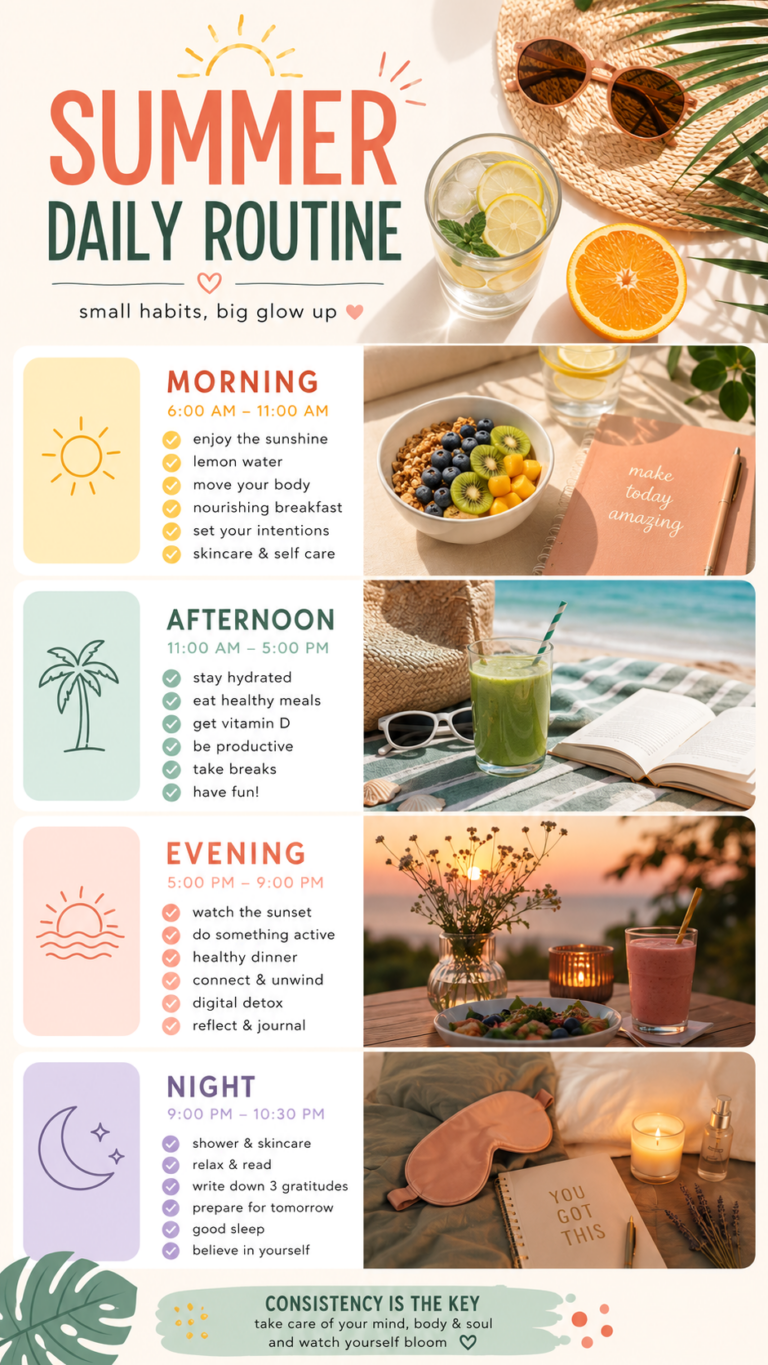
How to Love Yourself 9 Powerful Self-Care Tips for Confidence and Happiness
Self-love is more than a trending phrase. It is a lifelong practice of treating yourself with the same compassion, respect, and encouragement that you would offer a close friend. In a world that often emphasizes achievement, comparison, and perfection, learning how to love yourself can transform your mental well-being, relationships, confidence, and overall quality of life.
Many people mistakenly believe self-love is selfish or self-centered. In reality, it creates a healthier foundation for every area of life. When you value yourself, you make better decisions, establish healthier boundaries, and approach challenges with greater resilience. The journey is not about becoming perfect. It is about accepting yourself while continuously growing into the best version of who you are.
Key Takeaways
- Self-love improves confidence, emotional health, and resilience.
- Healthy boundaries protect your energy and well-being.
- Positive self-talk influences daily thoughts and actions.
- Small acts of self-care create lasting positive habits.
- Celebrating progress is just as important as reaching goals.
- Supportive relationships strengthen self-worth and happiness.
What Does Self-Love Really Mean?
Self-love involves recognizing your value regardless of external achievements, appearance, or approval from others. It means treating yourself with kindness, understanding your needs, and honoring your emotions without judgment.
Contrary to common misconceptions, self-love does not mean believing you are better than everyone else. It means understanding that your worth exists independently of comparison. When you embrace self-love, you stop relying solely on outside validation and begin building confidence from within.
Important: Self-love is not a destination you reach once and forever. It is a daily practice that requires patience, consistency, and self-awareness.
Be Kind to Yourself Every Day
One of the most powerful foundations of self-love is self-compassion. Many people speak to themselves in ways they would never speak to someone they care about. Harsh criticism, negative assumptions, and constant self-judgment can gradually damage confidence.
Learning to be kind to yourself starts with noticing your internal dialogue. Instead of focusing on mistakes, acknowledge effort and progress. Replace statements such as “I always fail” with more balanced thoughts like “I’m learning and improving.”
- Acknowledge mistakes without attacking yourself.
- Practice gratitude for your strengths.
- Speak to yourself with patience and understanding.
- Accept imperfections as part of being human.
Small shifts in self-talk can create significant changes in how you feel and perform throughout the day.
Know Your Worth Without Seeking Constant Validation
Many people struggle with self-worth because they depend heavily on praise, social media engagement, or external recognition. While positive feedback feels good, it should not become the sole source of confidence.
Knowing your worth means understanding that your value is not determined by achievements, appearance, income, or the opinions of others. Your worth exists because you are human and deserving of respect.
Developing healthy self-worth often involves identifying personal strengths, acknowledging accomplishments, and appreciating qualities that make you unique.
Ways to Build Stronger Self-Worth
- Keep a journal of accomplishments and positive experiences.
- Recognize personal growth instead of chasing perfection.
- Focus on your values rather than external expectations.
- Celebrate effort as much as outcomes.
Expert Insight
People who develop strong self-worth tend to recover more quickly from setbacks because they do not allow temporary failures to define their identity.
Set Healthy Boundaries to Protect Your Energy
Boundaries are one of the clearest expressions of self-respect. They help define what behaviors, commitments, and expectations are acceptable in your life.
Without boundaries, it becomes easy to feel overwhelmed, exhausted, or taken advantage of. Many people struggle with saying no because they fear disappointing others. However, constantly sacrificing your own needs can lead to burnout and resentment.
Healthy boundaries allow you to maintain emotional balance while still supporting the people around you.
Examples of Healthy Boundaries
- Declining commitments when your schedule is already full.
- Limiting time spent with toxic individuals.
- Protecting personal time for rest and self-care.
- Communicating needs clearly and respectfully.
Pro Tip: Saying no to something that drains your energy often means saying yes to your well-being, goals, and peace of mind.
Prioritize Self-Care Without Guilt
Self-care is not a luxury. It is an essential component of physical, emotional, and mental wellness. Unfortunately, many people view self-care as something they can only do when everything else is finished.
The reality is that taking care of yourself helps you show up more effectively in every area of life.
Self-care can include simple daily habits that support your overall well-being.
Practical Self-Care Ideas
- Getting enough sleep consistently.
- Taking walks in nature.
- Reading a favorite book.
- Practicing mindfulness or meditation.
- Enjoying a relaxing cup of tea or coffee.
- Creating time for hobbies and creativity.
Even small moments of rest and restoration can improve mood, focus, and emotional resilience.
Speak to Yourself with Love and Encouragement
Your inner voice influences your beliefs, decisions, and confidence more than you may realize. Negative self-talk often becomes automatic, making it difficult to recognize its impact.
Creating a more supportive internal dialogue requires intentional effort. Instead of criticizing yourself for every mistake, focus on growth and learning.
Positive Affirmations to Try
- I am worthy of love and respect.
- I am growing every day.
- I deserve kindness from myself.
- I am capable of handling challenges.
- My value is not dependent on perfection.
Over time, consistent positive self-talk can help reshape limiting beliefs and strengthen self-confidence.
Celebrate Every Step Forward
Many people wait until they achieve a major goal before allowing themselves to feel proud. This approach often creates a cycle where accomplishments never feel enough.
True self-love includes recognizing progress along the way. Every small step matters because lasting transformation happens through consistent actions over time.
Whether you completed a challenging task, developed a healthier habit, or handled a difficult situation with courage, your progress deserves acknowledgment.
Important: Progress is often invisible when viewed day by day. Looking back over months or years can reveal remarkable growth that deserves celebration.
Focus on the Positive While Staying Realistic
Maintaining a positive mindset does not mean ignoring problems or pretending challenges do not exist. Healthy positivity involves recognizing difficulties while choosing to focus on opportunities, solutions, and growth.
Research consistently shows that gratitude and optimism contribute to improved mental health and resilience.
Simple Ways to Cultivate Positivity
- Write down three things you appreciate each day.
- Spend less time comparing yourself to others.
- Consume uplifting and educational content.
- Focus on what you can control.
- Practice mindfulness during stressful moments.
Small positive habits can significantly improve perspective over time.
Surround Yourself with Supportive People
The people around you influence your beliefs, emotions, and confidence. Supportive relationships encourage growth, celebrate achievements, and provide comfort during difficult times.
While no relationship is perfect, healthy connections are built on respect, trust, encouragement, and mutual understanding.
Pay attention to how people make you feel after spending time with them. Do you feel inspired, valued, and energized? Or do you feel drained, criticized, and discouraged?
Signs of Supportive Relationships
- Mutual respect and understanding.
- Honest and healthy communication.
- Encouragement during challenges.
- Celebration of successes without jealousy.
- Acceptance of personal growth and change.
Remember That You Are Already Worthy
One of the greatest lessons in self-love is understanding that worthiness is not something you earn. It is something you already possess.
Many people spend years believing they will finally deserve love, respect, or happiness once they achieve a certain milestone. Yet genuine self-acceptance begins when you recognize your value in the present moment.
Growth remains important, but growth does not require self-rejection. You can work toward becoming better while still appreciating who you are today.
At a Glance
- Practice kindness toward yourself daily.
- Build confidence from within rather than external validation.
- Set boundaries that support emotional health.
- Celebrate progress, not just major achievements.
- Choose relationships that encourage personal growth.
Conclusion
Learning how to love yourself is one of the most valuable investments you can make in your life. It influences your confidence, relationships, decision-making, emotional health, and overall happiness. Self-love is not about perfection, constant positivity, or never making mistakes. It is about treating yourself with compassion, honoring your needs, and recognizing your worth regardless of circumstances.
By practicing self-kindness, setting healthy boundaries, prioritizing self-care, celebrating progress, and surrounding yourself with supportive people, you create a stronger foundation for lasting well-being. Every small step matters. The journey toward self-love begins with a simple decision to treat yourself with the same care and respect you deserve.
Tags
Self Love Self Care Positive Mindset Mental Wellness Personal Growth Confidence Building Healthy Boundaries Emotional Wellness