How to Wash Walls to Remove Dust, Mildew Stale Smells Naturally
Fresh, clean walls can completely change the feel of a home. While most people focus on vacuuming floors, washing linens, and wiping countertops, walls are often forgotten during regular cleaning routines. Over time, painted surfaces quietly collect dust, trap stale odors, absorb cooking smells, and even hold onto moisture that encourages mildew growth. The result is a room that may look tidy but still feels dull or musty.
Learning how to wash your walls properly is one of the simplest ways to refresh your living space naturally. A gentle cleaning solution made with warm water, vinegar, and essential oils can lift away buildup without harsh chemicals. Whether you are deep cleaning for spring, preparing for guests, or simply wanting a fresher atmosphere, wall washing is an easy home care habit worth adding to your routine.
Key Takeaways
- Walls naturally trap dust, odors, and airborne residue over time.
- Warm water and vinegar create an effective natural wall-cleaning solution.
- Regular wall washing helps reduce stale smells and mildew buildup.
- Gentle cleaning methods protect paint and surface finishes.
- Natural ingredients can freshen rooms without harsh chemical cleaners.
- Wall cleaning improves indoor air freshness and overall home appearance.
Why Walls Hold Dust, Odors, and Mildew
Walls are exposed to more than most homeowners realize. Cooking oils float through kitchens, steam rises in bathrooms, pet odors circulate through living spaces, and dust particles settle on every vertical surface. Even in homes that are cleaned regularly, walls slowly develop a thin layer of grime that can dull paint and affect indoor freshness.
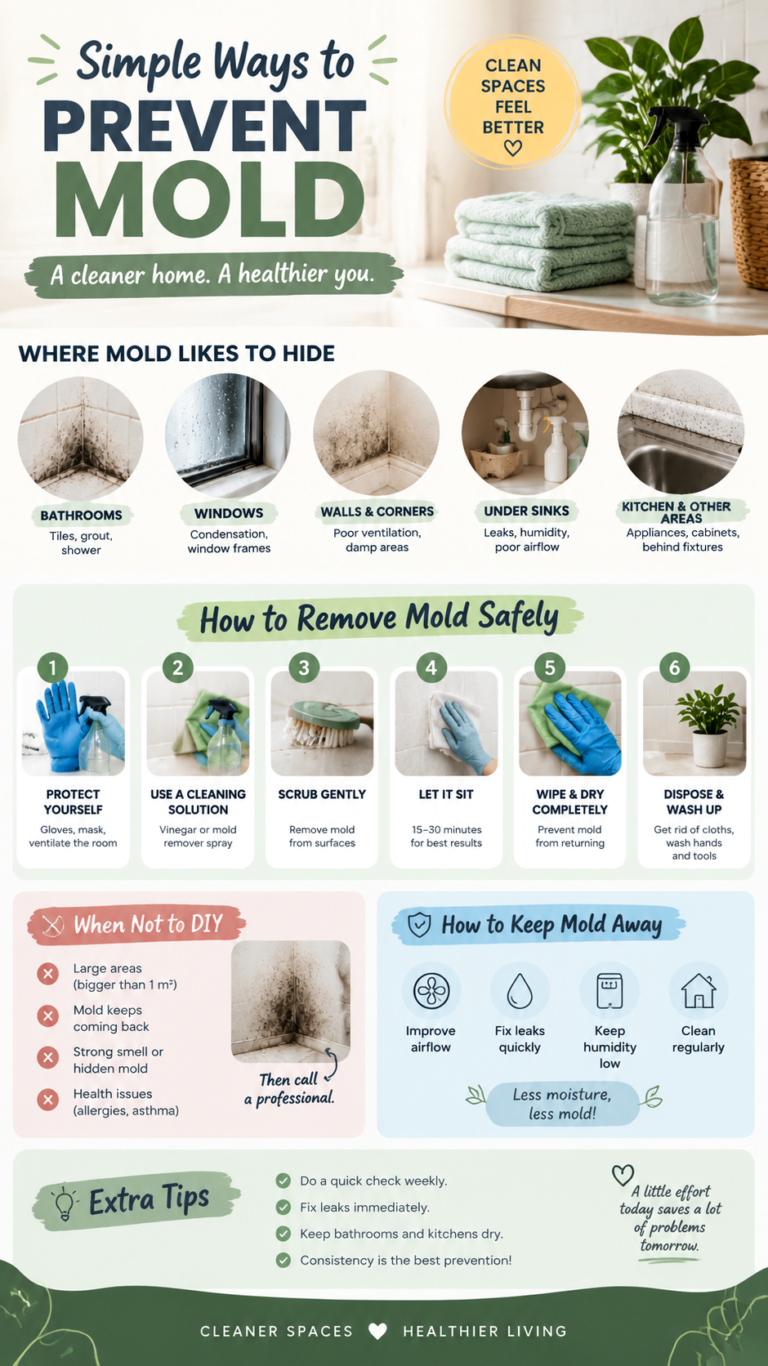
Humidity also plays a major role. In areas with poor ventilation, moisture can linger on walls after showers, cooking, or rainy weather. That moisture creates the perfect environment for mildew spores to grow, especially in corners and behind furniture.
Important: Many lingering household odors are not coming from carpets or trash bins alone. Walls can absorb smoke, cooking grease, and moisture over time, making rooms smell stale even after regular cleaning.
Paint texture can also trap particles. Matte and flat finishes are especially prone to collecting dust because of their slightly porous surfaces. This is why occasional wall washing can instantly make a room feel cleaner and brighter.
Benefits of Washing Your Walls Regularly
Cleaning walls is not only about appearance. It can improve the overall environment inside your home. Many people notice fresher air and a lighter feeling in rooms after a thorough wall wash.
Removes Hidden Dust
Dust accumulates on walls gradually and often goes unnoticed. Removing it can help minimize allergens and improve air quality, especially in bedrooms and living spaces.
Eliminates Stale Smells
Walls can absorb odors from pets, food, smoke, and humidity. Washing surfaces helps neutralize these trapped smells instead of simply masking them with air fresheners.
Brightens Paint Colors
A thin film of grime can make paint appear dull. Once cleaned, walls often look noticeably brighter without any repainting.
Helps Prevent Mildew
Regular cleaning reduces moisture buildup and removes mildew spores before they spread.
Expert Insight
Small cleaning habits create the biggest long-term results. Washing walls once or twice a year can extend the life of paint finishes and help rooms maintain a cleaner, fresher atmosphere throughout every season.
The Best Natural Wall Cleaning Solution
You do not need expensive specialty products to clean walls effectively. A simple homemade solution can remove grime while keeping your home free from strong chemical odors.
Ingredients
- 1 bucket of warm water
- 2 cups white vinegar
- Several drops of lemon essential oil
- Soft sponge or microfiber cloth
- Dry towel for finishing
White vinegar naturally cuts through residue and helps neutralize odors. Lemon essential oil adds a clean scent while helping freshen the room naturally.
Pro Tip: Always test your cleaning solution on a small hidden area first, especially if your walls have delicate paint or wallpaper finishes.
How to Wash Walls Without Damaging Paint
Cleaning walls gently is the key to avoiding streaks, peeling paint, or surface damage. Following the right process keeps walls looking smooth and clean.
1. Dust the Surface First
Before applying moisture, remove loose dust with a microfiber cloth, dry mop, or vacuum brush attachment. This prevents dirt from turning muddy during washing.
2. Use a Damp Sponge, Not a Soaking Wet One
Dip your sponge into the cleaning solution and wring it out well. Excess water can damage paint and seep into drywall.
3. Clean in Sections
Work from top to bottom using gentle circular motions. Cleaning smaller sections prevents streaking and uneven drying.
4. Let Walls Air Dry
Open windows or use fans to improve ventilation. Proper airflow helps prevent moisture from lingering.
Areas of the Home That Need Wall Washing Most
Some rooms collect grime faster than others. Prioritizing these areas can make a noticeable difference in household freshness.
Kitchen Walls
Cooking grease and steam create residue that clings to paint. Washing kitchen walls helps eliminate lingering food smells.
Bathroom Walls
Humidity encourages mildew growth in bathrooms. Regular wiping helps control moisture and prevent musty odors.
Bedrooms
Dust from fabrics, bedding, and air circulation settles on walls over time. A gentle wash can make sleeping spaces feel noticeably fresher.
Hallways and Entryways
High-traffic areas often collect fingerprints, scuffs, and airborne dirt. These walls benefit from seasonal cleaning.
Natural Cleaning vs Harsh Chemical Products
Many commercial cleaners contain strong fragrances and chemicals that can irritate sensitive individuals. Natural cleaning methods provide a simpler alternative while still delivering excellent results.
Vinegar-based cleaning solutions are especially popular because they are affordable, versatile, and effective at breaking down residue. Essential oils can also create a fresher environment without overpowering synthetic scents.
Important: Strong fragrances may temporarily cover odors, but removing trapped residue from walls addresses the source of the problem directly.
Tips for Keeping Walls Cleaner Longer
Once your walls are freshly cleaned, a few simple habits can help maintain that clean feeling.
- Use exhaust fans during cooking and showers.
- Open windows regularly to improve airflow.
- Dust walls lightly during weekly cleaning routines.
- Keep indoor humidity balanced.
- Clean spills and marks quickly before they settle.
Air circulation is especially important in preventing stale odors and mildew. Rooms with better ventilation tend to stay fresher naturally.
Common Mistakes to Avoid When Washing Walls
Even simple cleaning tasks can lead to damage if done incorrectly. Avoid these common wall-cleaning mistakes for the best results.
Using Abrasive Scrubbers
Rough sponges and brushes can scratch paint finishes and leave visible marks.
Applying Too Much Water
Overly wet walls may develop bubbling paint or moisture damage.
Skipping Dust Removal
Cleaning dusty walls without wiping first can spread dirt and create streaks.
Ignoring Ventilation
Rooms need airflow during and after cleaning to dry surfaces properly.
Why This Matters
- Cleaner walls can improve the overall freshness of indoor spaces.
- Reducing mildew and dust supports a healthier home environment.
- Natural cleaning methods minimize exposure to harsh chemicals.
Seasonal Deep Cleaning and Wall Care
Wall washing works especially well as part of a seasonal cleaning routine. Spring and fall are ideal times because windows can be opened for ventilation and humidity levels are easier to manage.
During deep cleaning sessions, combine wall washing with tasks like curtain laundering, air vent dusting, and upholstery cleaning for a complete home refresh.
Pro Tip: Start with the least dirty rooms first. This keeps your cleaning water fresher longer and prevents spreading grime from heavily used areas.
Creating a Fresher Home Naturally
A fresh-smelling home is not always about candles or sprays. Sometimes the biggest improvement comes from cleaning the surfaces that quietly collect buildup over time. Walls play a surprisingly important role in how a room smells and feels.
By using a simple vinegar and lemon cleaning solution, you can refresh painted surfaces naturally while reducing dust and mildew. The process is affordable, easy to repeat, and effective for nearly every room in the house.
Small habits like washing walls seasonally, improving ventilation, and reducing moisture can create a cleaner atmosphere that feels brighter and healthier every day.
At a Glance
- Walls collect dust, odors, grease, and moisture over time.
- Warm water and vinegar create a simple natural cleaner.
- Gentle washing helps preserve paint finishes.
- Regular cleaning reduces stale smells and mildew buildup.
- Seasonal wall washing keeps rooms feeling fresher longer.
Conclusion
Washing your walls may not be the first task that comes to mind during home cleaning, but it can have a major impact on your living space. Dust, odors, and mildew slowly build up on painted surfaces, affecting both the appearance and freshness of a room. Fortunately, restoring cleaner walls does not require complicated tools or expensive products.
With warm water, white vinegar, and a soft sponge, you can remove buildup naturally while brightening your home at the same time. Whether you are preparing for a new season, tackling a deep clean, or simply wanting fresher indoor air, wall washing is one of the easiest ways to refresh your environment.
Consistent care and gentle cleaning methods can help your walls stay cleaner, brighter, and more inviting throughout the year.
Tags
Wall Cleaning Natural Cleaning Hacks Remove Mildew Fresh Home Tips DIY Home Cleaning Odor Removal Eco Friendly Cleaning Deep Cleaning Tips